

Article
Marc Pierini
{
  "authors": [
    "Marc Pierini"
  ],
  "type": "legacyinthemedia",
  "centerAffiliationAll": "dc",
  "centers": [
    "Carnegie Endowment for International Peace",
    "Carnegie Europe"
  ],
  "collections": [
    "Turkey’s Transformation"
  ],
  "englishNewsletterAll": "ctw",
  "nonEnglishNewsletterAll": "",
  "primaryCenter": "Carnegie Europe",
  "programAffiliation": "EP",
  "programs": [
    "Europe"
  ],
  "projects": [],
  "regions": [
    "Middle East",
    "Europe",
    "Türkiye",
    "Western Europe",
    "Iran"
  ],
  "topics": [
    "EU",
    "Foreign Policy"
  ]
}
Source: Getty
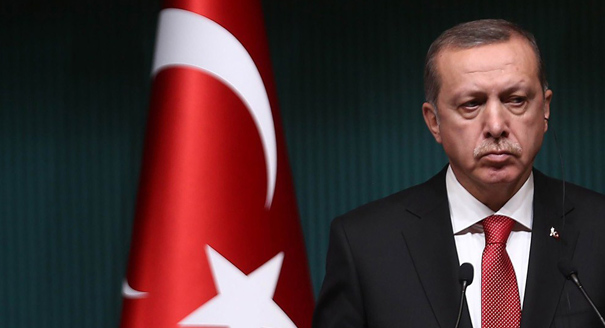
Given the war in Syria and other challenges in the Middle East, Turkey is hard for Europe to ignore.
Source: France 24
On October 4–6, Recep Tayyip Erdoğan was in Brussels for his first state visit as Turkish president. Given the war in Syria, Turkey is hard for Europe to ignore. It's a NATO member that's loudly against Russia's deployment on the side of Bashar al-Assad. The country has also taken in two million Syrian refugees. This comes with news that Russian planes violated Turkish air space, causing Turkey to scramble two F-16 fighter jets. How will events within Turkey impact the wider world?
Speaking to France 24’s The Debate, Marc Pierini was joined by Turhan Ozen, Member of Union of European Turkish Democrats, Allan Kaval, freelance journalist, Jana Jabbour, researcher at Sciences Po Paris, and Jasper Mortimer, France 24 correspondent in Ankara.

Senior Fellow, Carnegie Europe
Marc Pierini is a senior fellow at Carnegie Europe, where his research focuses on developments in the Middle East and Turkey from a European perspective.
Recent Work
Marc Pierini
Marc Pierini
Carnegie does not take institutional positions on public policy issues; the views represented herein are those of the author(s) and do not necessarily reflect the views of Carnegie, its staff, or its trustees.

The European far right might fail to steer EU policy in the direction Russia wants, but they will create enough chaos inside Europe to benefit the Kremlin.

Dimitar Bechev
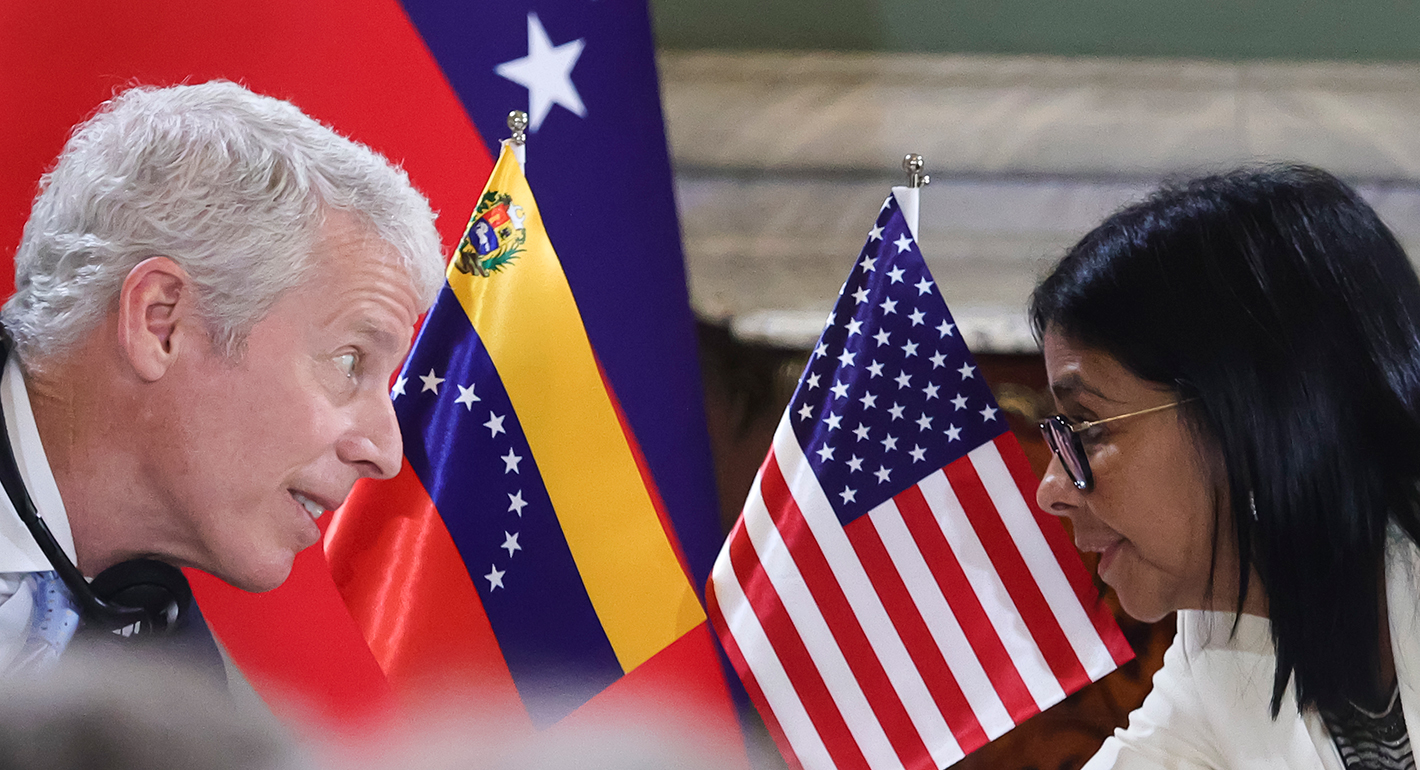
Washington needs to recognize that influence in the Western Hemisphere comes from presence, delivery, and reliability. It also must recognize that while the United States remains the key external actor, it no longer operates in a permissive environment and cannot presume deference from regional players who have other options, namely China.
Juan S. Gonzalez

Minsk clearly expected the dialogue with Washington to yield more results, in particular the lifting of EU sanctions and permission to export potash.

Artyom Shraibman

A summer of escalation in the Black Sea has hurt Ukraine economically and is exacerbating world food security. A truce is needed—as is a broader reframing of Europe’s Ukraine strategy.

Thomas de Waal

As the U.S. stumbles in its war with Iran, we are likely to see an acceleration of its disengagement from the region.

Michael Young