

Article
C. Raja Mohan, Darshana M. Baruah
{
  "authors": [
    "C. Raja Mohan"
  ],
  "type": "other",
  "centerAffiliationAll": "dc",
  "centers": [
    "Carnegie Endowment for International Peace",
    "Carnegie India"
  ],
  "collections": [],
  "englishNewsletterAll": "ctw",
  "nonEnglishNewsletterAll": "",
  "primaryCenter": "Carnegie India",
  "programAffiliation": "SAP",
  "programs": [
    "South Asia"
  ],
  "projects": [],
  "regions": [
    "South Asia",
    "India"
  ],
  "topics": [
    "Domestic Politics",
    "Economy",
    "Foreign Policy"
  ]
}
Source: Getty
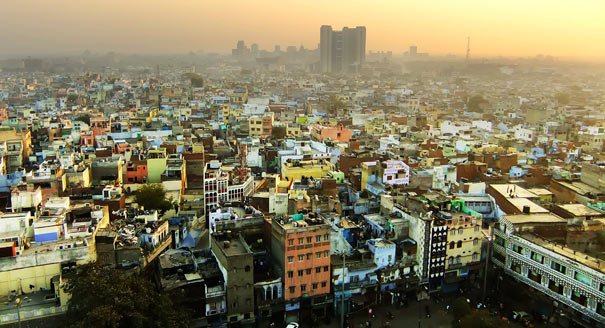
The Indian economy is globalized, and the policymaking has become a lot more complex.
Source: Devex
The Carnegie Endowment for International Peace announced earlier this month plans to open a New Delhi branch — “Carnegie India” — in April this year. This will be the century-old institution’s first new branch since the Carnegie-Tsinghua Center for Global Policy opened in Beijing in 2010.
The “global think tank” tapped Indian foreign policy analyst Raja Mohan to lead the new center. Devex spoke with Mohan about what we can expect. Here are the highlights of our conversation:
In India, like in the U.K. and France, the government was largely driven by a permanent bureaucracy, and the media played the role of the critic or questioner. Today I think given the complexity of policy there’s room and scope for outside people contributing to it … It is going to be called “Carnegie India,” rooted in India, developing solutions on the basis of India’s own unique experience, but located in a larger international context … The resources have been raised here. India has a strong intellectual tradition so it’s going to be part of that. I don’t see it as an alien construct being inserted into the Indian body.
Everything we do today, given India’s interdependence, we’re connected to the world. On climate change, if India keeps burning coal, we can burn a hole through the world’s environment. It’s a challenge for everyone. The U.S., despite being a large economy, is actually quite insular in the way politicians function. In a way the world impinges on all of us in far more intrusive ways.
[Former Indian Prime Minister Jawaharlal] Nehru’s India ... was far more open in the 1950s to ideas, to people coming and working. It’s really the post-1969 phase when India really turned on itself, the sense of distrust of outsiders. All that came with the populist leftward drift in the 1960s. I think that phase, hopefully, is behind us, because whether particular decision makers are global in their outlook or not, what you have is an economy that’s connected to the world — Prime Minister Modi’s own outreach to the Indian outreach to the Indian diaspora in the West. India’s footprint today is global.
India has the largest stock of the world’s migrants — 16 million — number one in the world, and it’s going to keep growing. In a sense there is far greater connection to the world ... Whatever the political debates on globalization are, there is a genuine connection that is emerging.
I’m interested in that knowledge sharing, which the Carnegie ‘global think tank’ structure seems set up to achieve.
India is a laboratory for innovation, because you’re operating under so many constraints … How do you take stuff to mobile when the broadband is not too strong? How do you produce interesting solutions — the idea of a hundred dollar laptop, a hundred dollar tablet?
So I think it’s driving people because as one of the late developers and a large country of diverse languages and population, how we develop solutions — whether it is on education or health care or moving goods around — in all these I think the Indian experience would help, not just to developing countries, but also to the developed world.
In India partly there is a conservatism on the one side, particularly in the security-foreign policy discourse. On the other side you have a large number of purely outside, NGO-types, civil society groups, which tend to be too far out ... So I think you have to find that middle space where you’re creating ideas which have practical value, and yet you’re changing things. You don’t end up rationalizing what’s being done or suggesting utopian [ideals]....
This article originally appeared on Devex.com.
Former Nonresident Senior Fellow, Carnegie India
A leading analyst of India’s foreign policy, Mohan is also an expert on South Asian security, great-power relations in Asia, and arms control.
Recent Work

C. Raja Mohan, Darshana M. Baruah


Alexander Gabuev, Paul Haenle, C. Raja Mohan, …
Carnegie does not take institutional positions on public policy issues; the views represented herein are those of the author(s) and do not necessarily reflect the views of Carnegie, its staff, or its trustees.

Ultimately, Zelensky sided neither with the reform camp nor with the military establishment as such, but with political control.

Balázs Jarábik
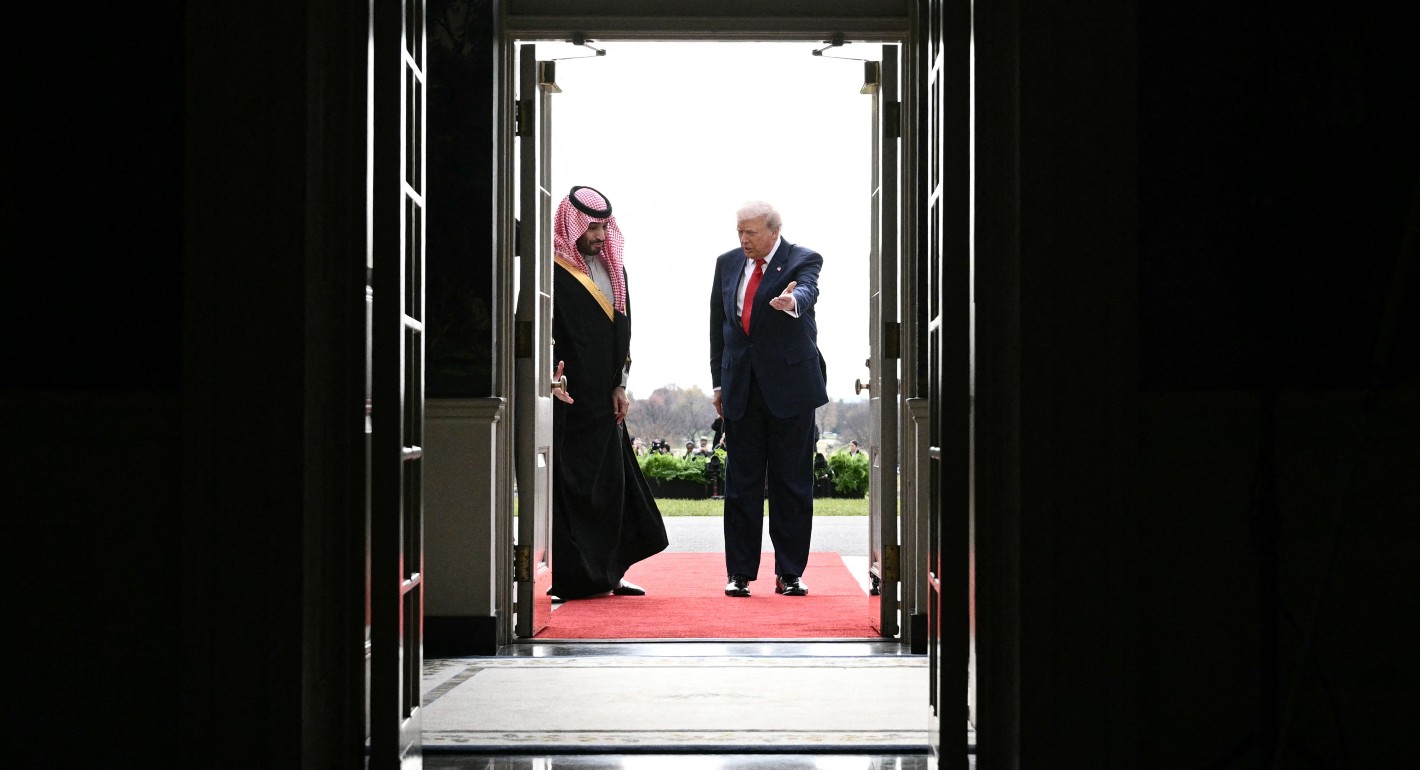
Despite the agreement’s uncertainty, it’s still a significant development in regional and nuclear policy.


Andrew Leber, Jane Darby Menton
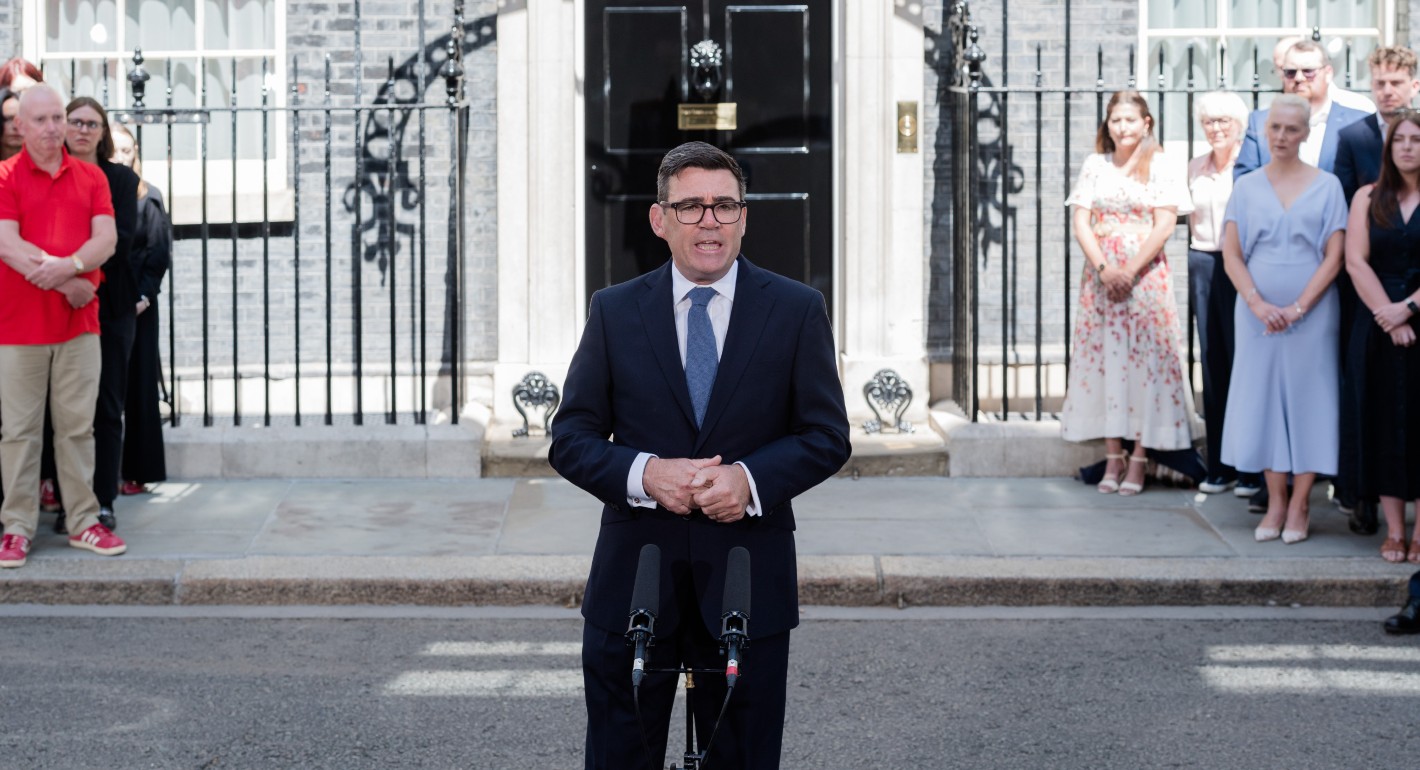
His challenge will come in balancing domestic priorities with a sharpening geopolitical environment.

Luke Cavanaugh, Scott Singer
“AI safety in parallel” is modest and pragmatic but vital.

Matt Sheehan

Trump is distracted and Ukraine wants Europe to step up. The continent’s leaders must find their voice and assert it in talks with Russia.

Alissa de Carbonnel