

Q&A
Dara Massicot, Aaron David Miller, Andrew S. Weiss
{
  "authors": [
    "Andrew S. Weiss"
  ],
  "type": "legacyinthemedia",
  "centerAffiliationAll": "dc",
  "centers": [
    "Carnegie Endowment for International Peace"
  ],
  "collections": [],
  "englishNewsletterAll": "ctw",
  "nonEnglishNewsletterAll": "",
  "primaryCenter": "Carnegie Endowment for International Peace",
  "programAffiliation": "russia",
  "programs": [
    "Russia and Eurasia"
  ],
  "projects": [],
  "regions": [
    "North America",
    "United States",
    "Russia"
  ],
  "topics": [
    "Security",
    "Foreign Policy"
  ]
}
Source: Getty
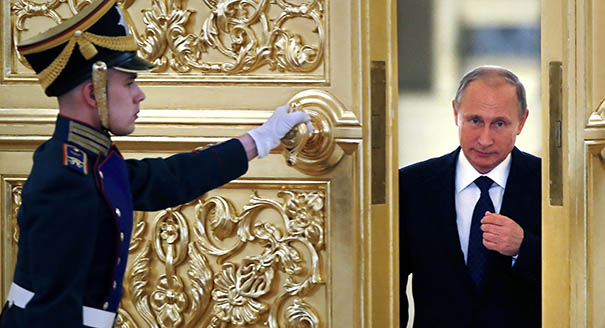
Putin’s surprise decision not to expel U.S. diplomats from Russia in response to the recently imposed U.S. sanctions served multiple purposes.
Source: NPR’s Morning Edition
Speaking with NPR’s Morning Edition, Carnegie’s Andrew Weiss discussed Russian reactions to the sanctions imposed by the Obama administration. The U.S. sanctions were intended as a response to evidence of Russian hackers attempting to influence the U.S. presidential elcetions. Weiss explained that Putin’s surprise decision not to expel U.S. diplomats from Russia in response to the sanctions served multiple purposes. The Kremlin is leaving open the option of retaliating, Weiss said, but “for now, [Moscow] is going to wait and see what the Trump administration’s Russia policy is about.” Ultimately, Weis said, by not responding with retaliations, Putin is trying to undermine the credibility of what the U.S. intelligence agencies are claiming.
This interview was originally broadcast by NPR’s Morning Edition.
James Family Chair, Vice President for Studies
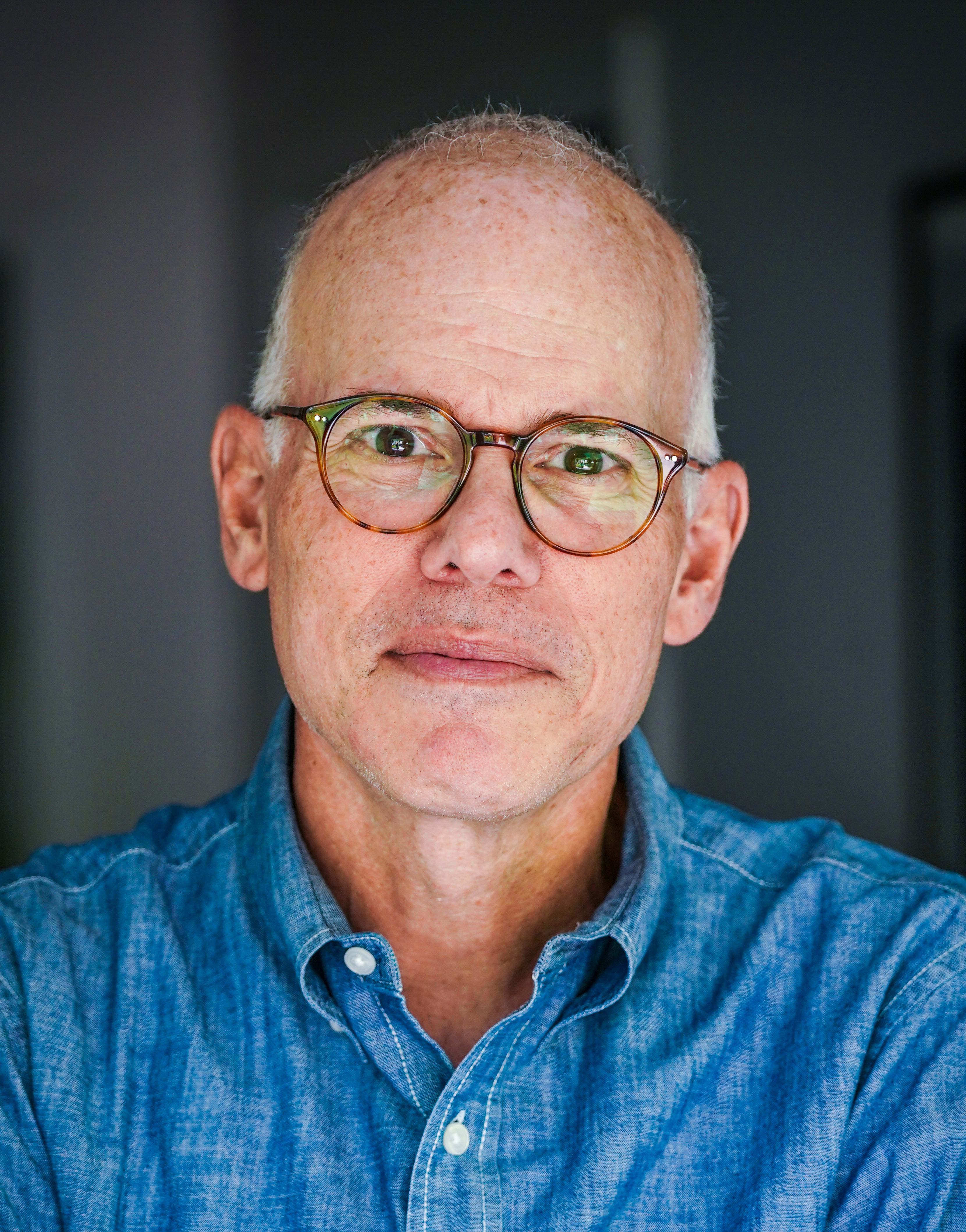
Andrew S. Weiss is the James Family Chair and vice president for studies at the Carnegie Endowment for International Peace, where he oversees research on Russia, Ukraine, and Eurasia. His graphic novel biography of Vladimir Putin, Accidental Czar: the Life and Lies of Vladimir Putin, was published by First Second/Macmillan in 2022.
Recent Work

Dara Massicot, Aaron David Miller, Andrew S. Weiss

Frances Z. Brown, Nate Reynolds, Priyal Singh, …
Carnegie does not take institutional positions on public policy issues; the views represented herein are those of the author(s) and do not necessarily reflect the views of Carnegie, its staff, or its trustees.

The EU can impose sanctions but struggles to enforce them without the United States. With Washington increasingly disinterested in backing European interests, the bloc must now fend for itself.


Nicu Popescu, Tiago Antunes
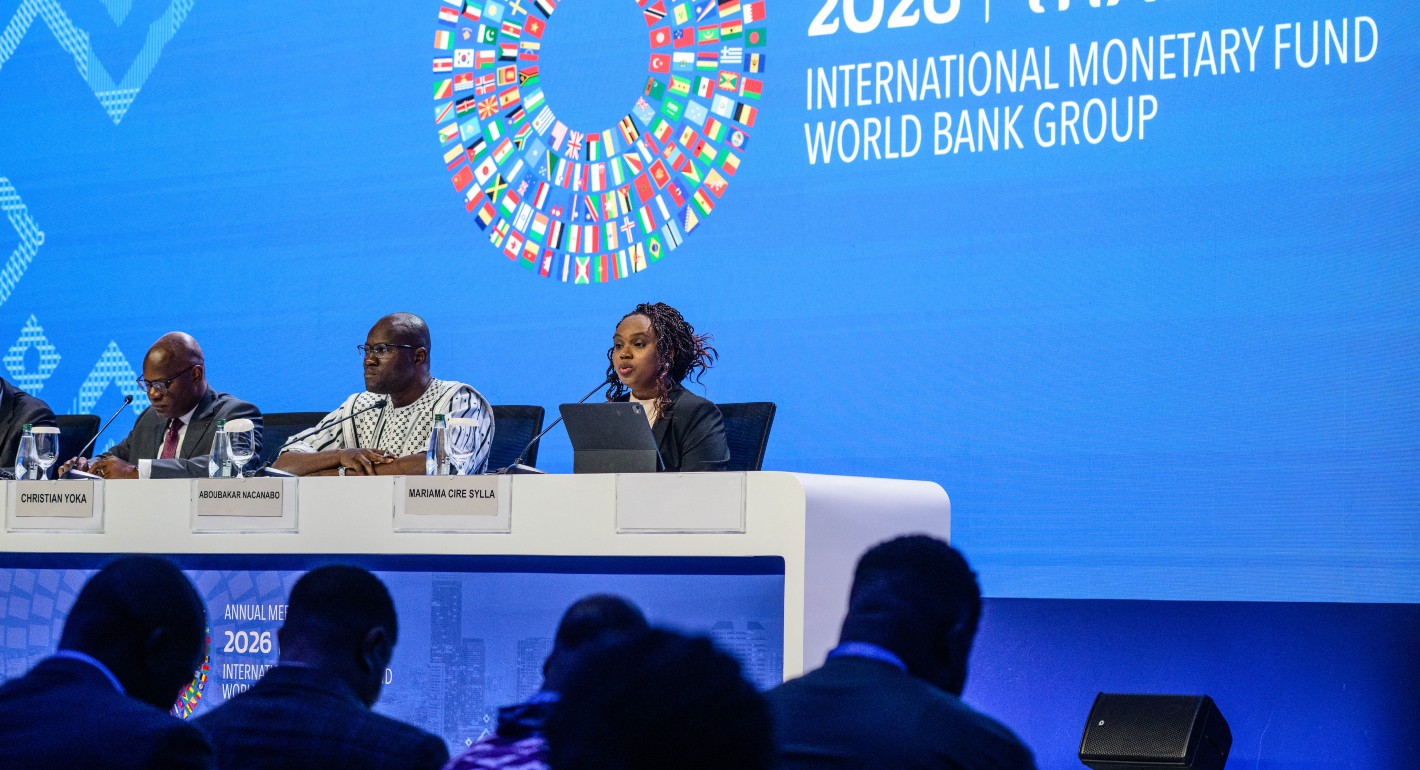
Global and rising powers will need to engage with Africa’s priorities and agency in order to secure the continent’s increasingly attractive partnerships.
Fonteh Akum
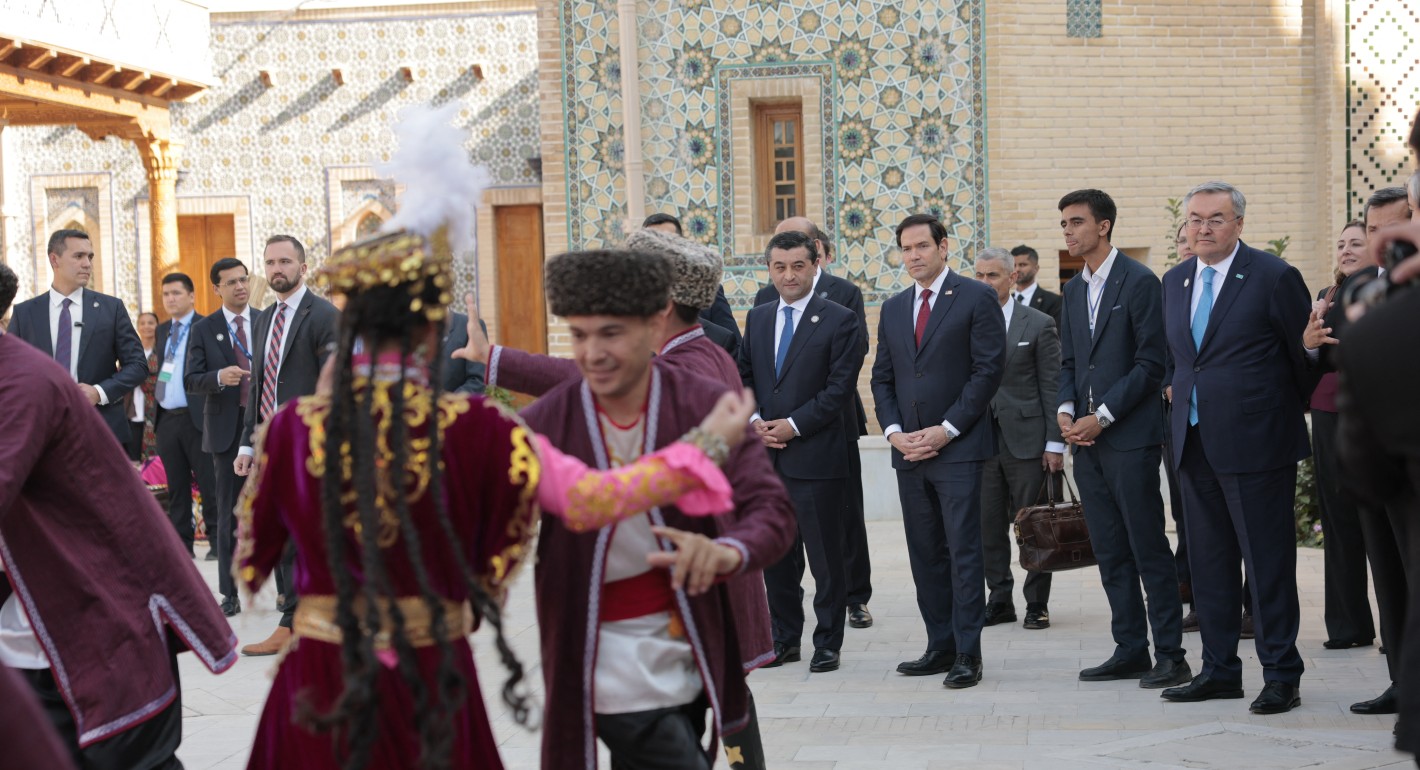
Rubio’s recent visit brought welcome attention, but more capital requires governance changes that may be a hard sell for regional governments.

Jennifer B. Murtazashvili

America’s foreign-policy objectives have grown more demanding while Americans have demanded greater focus on their own affairs.

Stephen Wertheim

Japan’s long-term security policy is driven by concerns about China, and there is little appetite for (or interest in) pursuing a confrontation with Moscow.

James D.J. Brown