

Q&A
- +1
Sheena Chestnut Greitens, Oriana Skylar Mastro, Yukon Huang, …
{
  "authors": [
    "Yukon Huang"
  ],
  "type": "legacyinthemedia",
  "centerAffiliationAll": "dc",
  "centers": [
    "Carnegie Endowment for International Peace",
    "Carnegie China"
  ],
  "collections": [
    "China’s Foreign Relations",
    "U.S.-China Relations"
  ],
  "englishNewsletterAll": "asia",
  "nonEnglishNewsletterAll": "",
  "primaryCenter": "Carnegie Endowment for International Peace",
  "programAffiliation": "AP",
  "programs": [
    "Asia"
  ],
  "projects": [],
  "regions": [
    "North America",
    "United States",
    "East Asia",
    "China"
  ],
  "topics": [
    "Security",
    "Foreign Policy"
  ]
}
Source: Getty
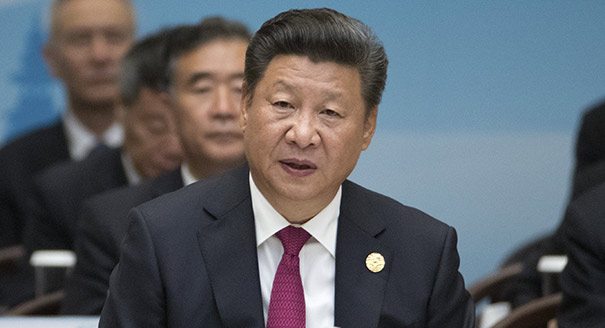
Contrasting political systems and cultural norms have always made it difficult for China and the United States to work together. Ironically, with Presidents Trump and Xi, the potential for conflict is now greater not because of these differences but because of commonalities in their aspirations.
Source: Financial Times
Donald Trump’s recent conciliatory call with Xi Jinping on the “One China” issue came as tensions between the two were escalating. Contrasting political systems and cultural norms have always made it difficult for the two nations to work together. Ironically, with President Trump’s election and President Xi’s consolidation of authority, the potential for conflict is now greater not because of these differences but because of commonalities in their aspirations.
Both seek to elevate the profile of their countries — Mr Xi by achieving his “Chinese Dream” and Mr Trump by fulfilling his promise to “Make America Great Again”. They are also trying to enhance their power base within their respective political systems: Mr Trump by making repeated references to the strength of his electoral victory and Mr Xi by being named as a “core” leader.
They see these two objectives as requiring a robust economy with foreign policy playing a supportive role. Nationalism tinged with nostalgia is part of this approach, but its manifestations differ.
For Mr Trump it means reaffirming the US’s position as the dominant superpower. An “America First” theme is part of this blueprint, and his ban on travel from seven mainly Muslim countries is one of the consequences.
Mr Xi’s brand of nationalism stems from the legacy of humiliations by foreign powers and the desire to reassert China globally as a great power commensurate with its economic rise. This has been supported by a series of actions aimed at curbing western influences at home, including registration of foreign NGOs and the access of western media to the Chinese market.
Both are catering to populist sentiment as income disparities widen: Mr Trump to a largely rural and white middle class that feels neglected; Mr Xi to restless workers and stalwart party members who see capitalism as having concentrated wealth and rendered Maoist principles less relevant.
Populism in the US translates into the view that globalisation has wiped out many industrial jobs, making protectionism central to the solution. In this environment, multilateral approaches will give way to bilateral options. Strengthening ties with Moscow, for example, is seen as both serving US interests in the Middle East and possibly weakening the Russia-China alliance, making it easier to deal with Beijing. In Asia, America’s strategic alliances with Japan and South Korea and dangling the “One China” policy become bargaining chips since traditional economic measures such as WTO sanctions have proved ineffective in moulding the China relationship.
In China, populism is fed by the sense that widespread corruption is undermining the credibility of the system. Thus Mr Xi’s anti-corruption campaign is motivated by urgency to preserve the dominance of the Communist party. And while his directives also contain a healthy sprinkling of economic reform sentiments, progress has been limited by the desire to protect state-owned enterprises — the fulcrum for party support.
But Beijing has moved more vigorously than the US on its external agenda to capitalise on a China-centric globalisation without the usual western-focused liberal ideologies. This is reflected in trade liberalisation, the establishment of the Asian Infrastructure Investment Bank to complement and compete with western-inspired multilateral institutions and the “One Belt, One Road” initiative to improve connections with Europe and the rest of Asia. Beijing’s leadership role, however, is limited by its restrictions on capital movements and foreign investment, and on the flow of information and ideas.
Rising nationalism is pushing China to increase its presence in Asian waters so one day it can challenge the US maritime superiority. It has invested in a vast network of harbours and in its coast guard and fishing fleet. Beijing’s assertiveness has pushed Mr Trump to seek a more muscular Asian presence than his predecessor. Non-economic actions may come to the fore since his initial intentions to levy a 45 per cent tariff on China’s exports and label it as a currency manipulator are conceptualy flawed and will only invite retaliation, and abandoning the Trans-Pacific Partnership has further reduced America’s economic leverage.
Mr Xi cannot afford to be seen as caving in to a more determined US presence in the region lest he lose popular support. Thus, aside from strengthening his overtures to Europe, as illustrated by his speech at Davos, in response to America’s retrenchment, he may put more pressure on Taiwan, become less co-operative on North Korea and intensify island-related activities in Asian waters.
The situation in the South China Sea is escalating as each side hardens its position. There is a risk that the two will fall into the “Thucydides trap” in which a rising power’s perceived threat to the established power results in a clash. Avoiding conflict means addressing the more legitimate concerns of their populist constituencies — not by blaming foreign antagonists but by putting their own house in order. With much at stake, the world must hope that the two leaders are capable of such statesmanship.
This post draws on his forthcoming book ‘Cracking the China Conundrum.’

Senior Fellow, Asia Program
Huang is a senior fellow in the Carnegie Asia Program where his research focuses on China’s economy and its regional and global impact.
Recent Work


Sheena Chestnut Greitens, Oriana Skylar Mastro, Yukon Huang, …

Yukon Huang, Isaac B. Kardon, Matt Sheehan
Carnegie does not take institutional positions on public policy issues; the views represented herein are those of the author(s) and do not necessarily reflect the views of Carnegie, its staff, or its trustees.

China’s political future will be shaped between now and next October. As the Communist Party enters its intense “campaign season” to prepare for a major political transition in 2027, reading Beijing's actions and responses may become more difficult as domestic politics weigh on its behavior more than usual.

Damien Ma

The EU can impose sanctions but struggles to enforce them without the United States. With Washington increasingly disinterested in backing European interests, the bloc must now fend for itself.


Nicu Popescu, Tiago Antunes
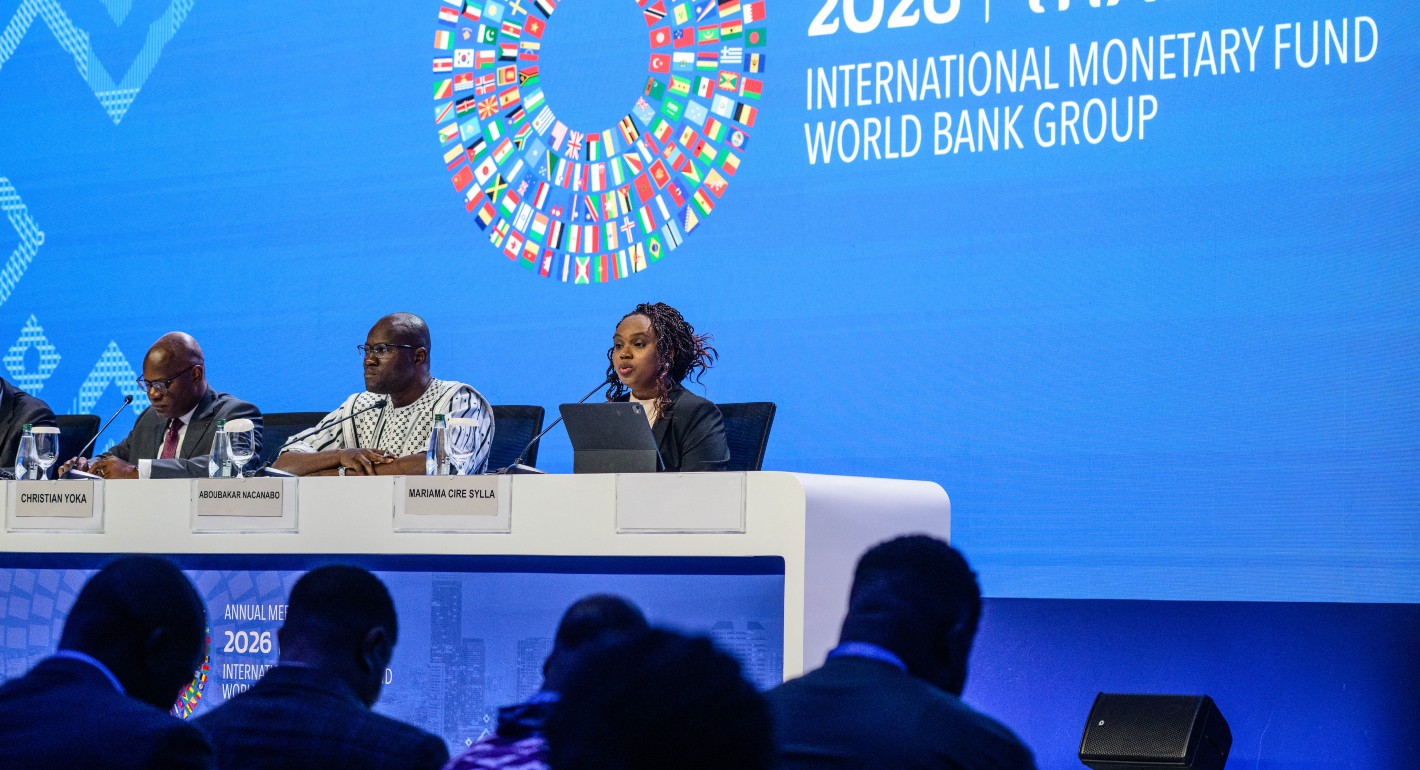
Global and rising powers will need to engage with Africa’s priorities and agency in order to secure the continent’s increasingly attractive partnerships.
Fonteh Akum
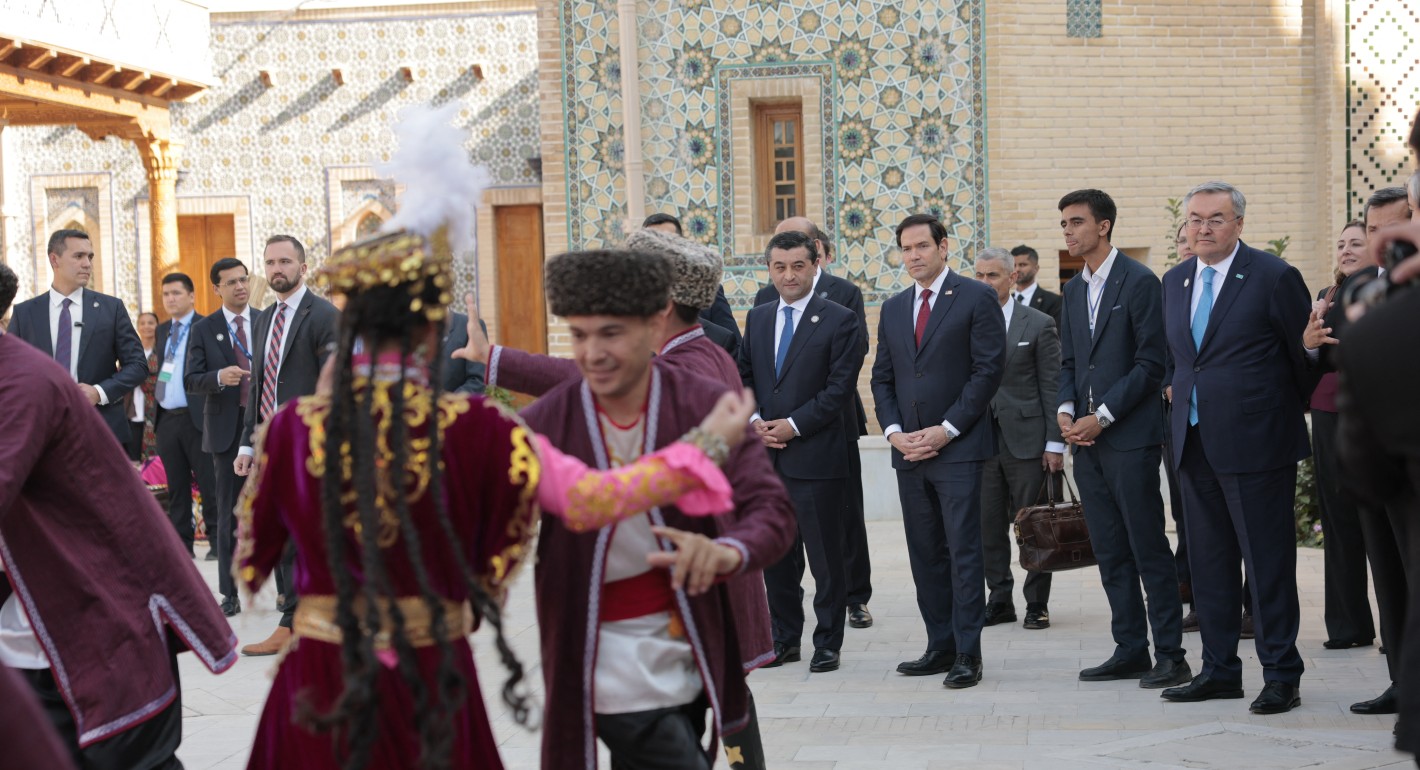
Rubio’s recent visit brought welcome attention, but more capital requires governance changes that may be a hard sell for regional governments.

Jennifer B. Murtazashvili

America’s foreign-policy objectives have grown more demanding while Americans have demanded greater focus on their own affairs.
Stephen Wertheim