

Commentary
A prophetic Romanian novel about a town at the mouth of the Danube carries a warning: Europe decays when it stops looking outward. In a world of increasing insularity, the EU should heed its warning.
Thomas de Waal
{
  "authors": [
    "Constantino Xavier",
    "Garima Mohan",
    "C. Raja Mohan",
    "Arushi Kumar",
    "Darshana M. Baruah"
  ],
  "type": "other",
  "centerAffiliationAll": "",
  "centers": [
    "Carnegie Endowment for International Peace",
    "Carnegie India"
  ],
  "collections": [],
  "englishNewsletterAll": "",
  "nonEnglishNewsletterAll": "",
  "primaryCenter": "Carnegie India",
  "programAffiliation": "",
  "programs": [],
  "projects": [],
  "regions": [
    "South Asia",
    "India",
    "Western Europe"
  ],
  "topics": [
    "Foreign Policy"
  ]
}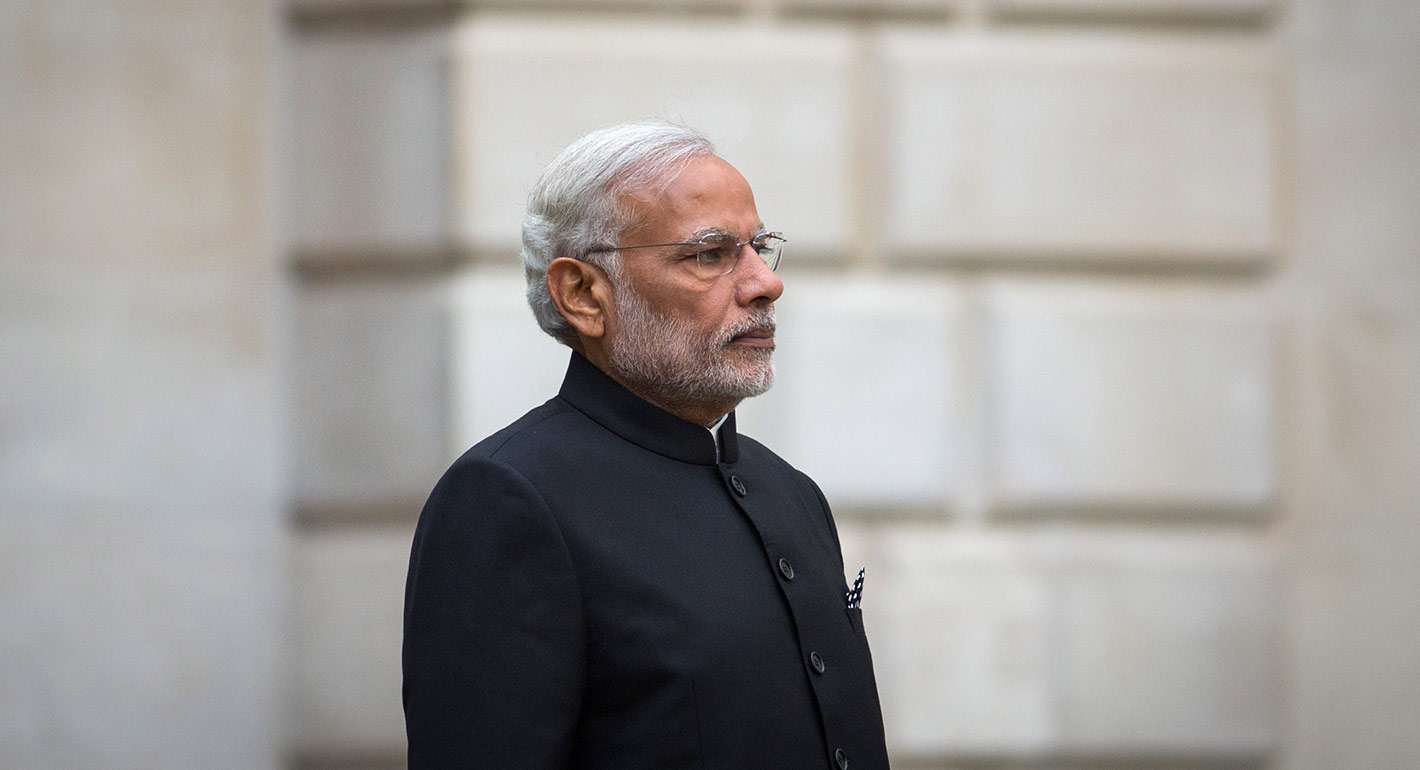
Source: Getty
While traditionally focused on the economic and cultural domains, today the European Union and India are taking unprecedented steps to deepen the security dimension of their partnership.
Source: Global Public Policy Institute
While traditionally focused on the economic and cultural domains, today the European Union and India are taking unprecedented steps to deepen the security dimension of their partnership. This attests to the evolution of their relationship, driven by a changing global environment, including possible US retrenchment and the rise of China.
Brussels’s new pragmatic pursuit of closer ties with India is a response to New Delhi’s increasing political and economic weight in Asia. India’s new interest in Europe, in turn, is motivated by the need to diversify options and balance Beijing by partnering with other middle powers. This Indo-European convergence of foreign policy interests throws open a window of opportunity for greater cooperation on strategic issues of security and global governance, marking a change of course after several years of either absent dialogue or deep disagreements.
This piece was originally published by the Global Public Policy Institute.
Carnegie does not take institutional positions on public policy issues; the views represented herein are those of the author(s) and do not necessarily reflect the views of Carnegie, its staff, or its trustees.
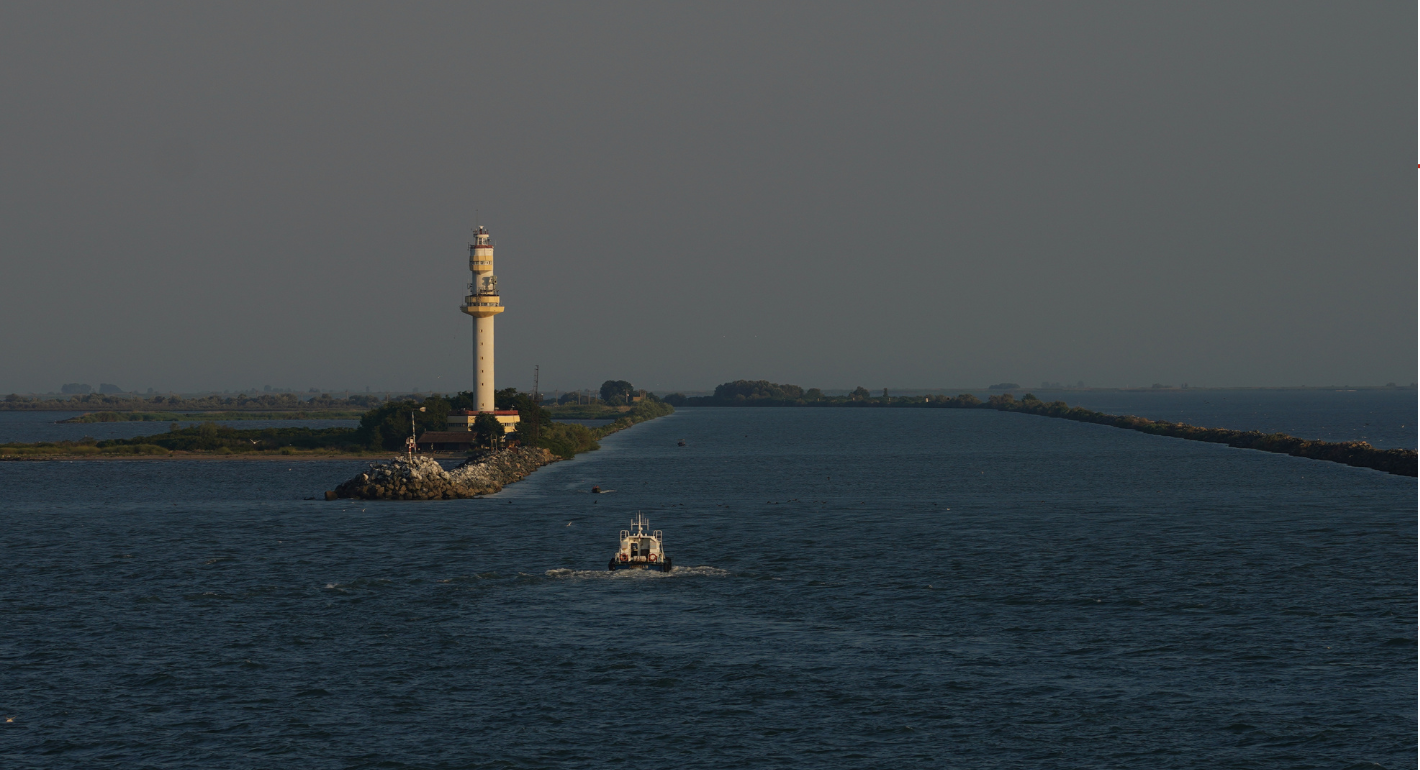
A prophetic Romanian novel about a town at the mouth of the Danube carries a warning: Europe decays when it stops looking outward. In a world of increasing insularity, the EU should heed its warning.

Thomas de Waal

For a real example of political forces engaged in the militarization of society, the Russian leadership might consider looking closer to home.

James D.J. Brown
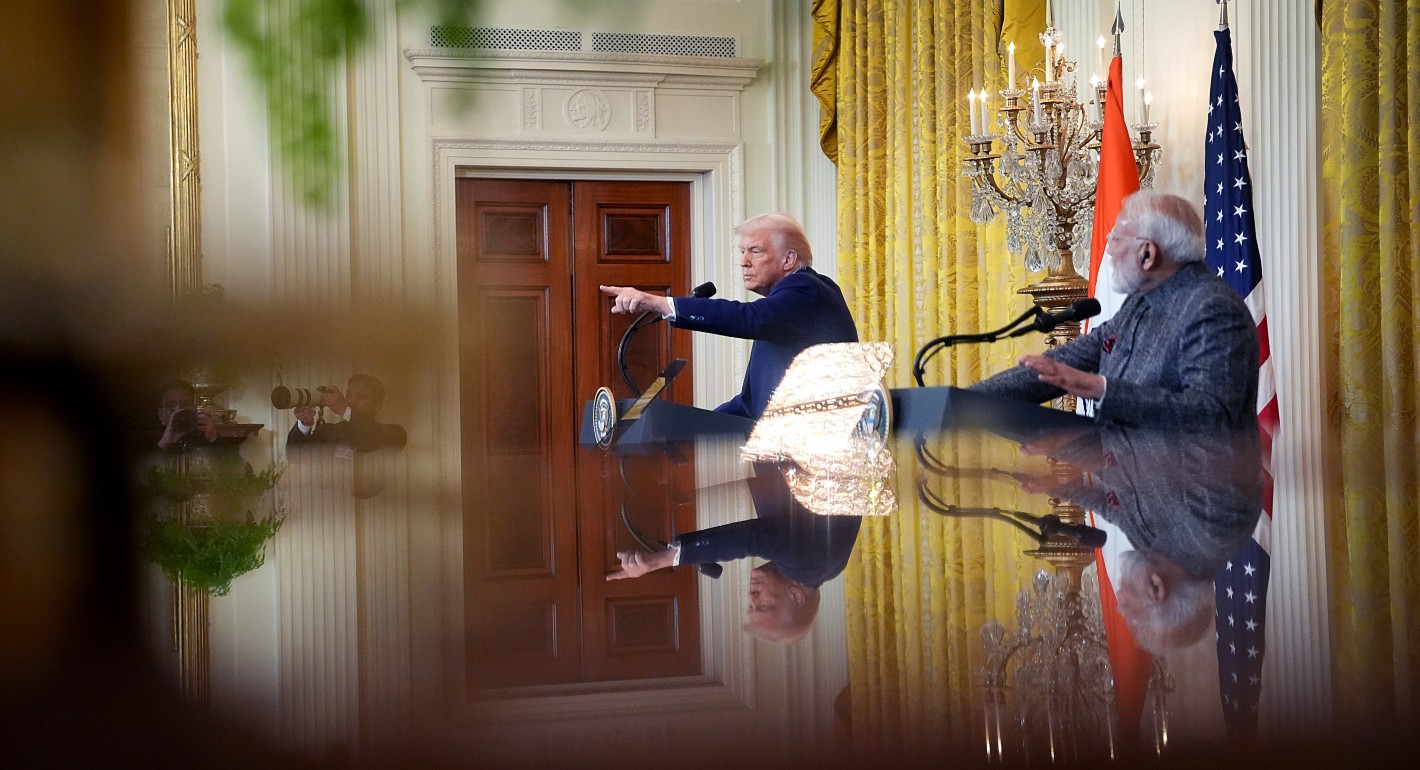
Washington and New Delhi should be proud of their putative deal. But international politics isn’t the domain of unicorns and leprechauns, and collateral damage can’t simply be wished away.

Evan A. Feigenbaum

Senior climate, finance, and mobility experts discuss how the Fund for Responding to Loss and Damage could unlock financing for climate mobility.

Alejandro Martin Rodriguez
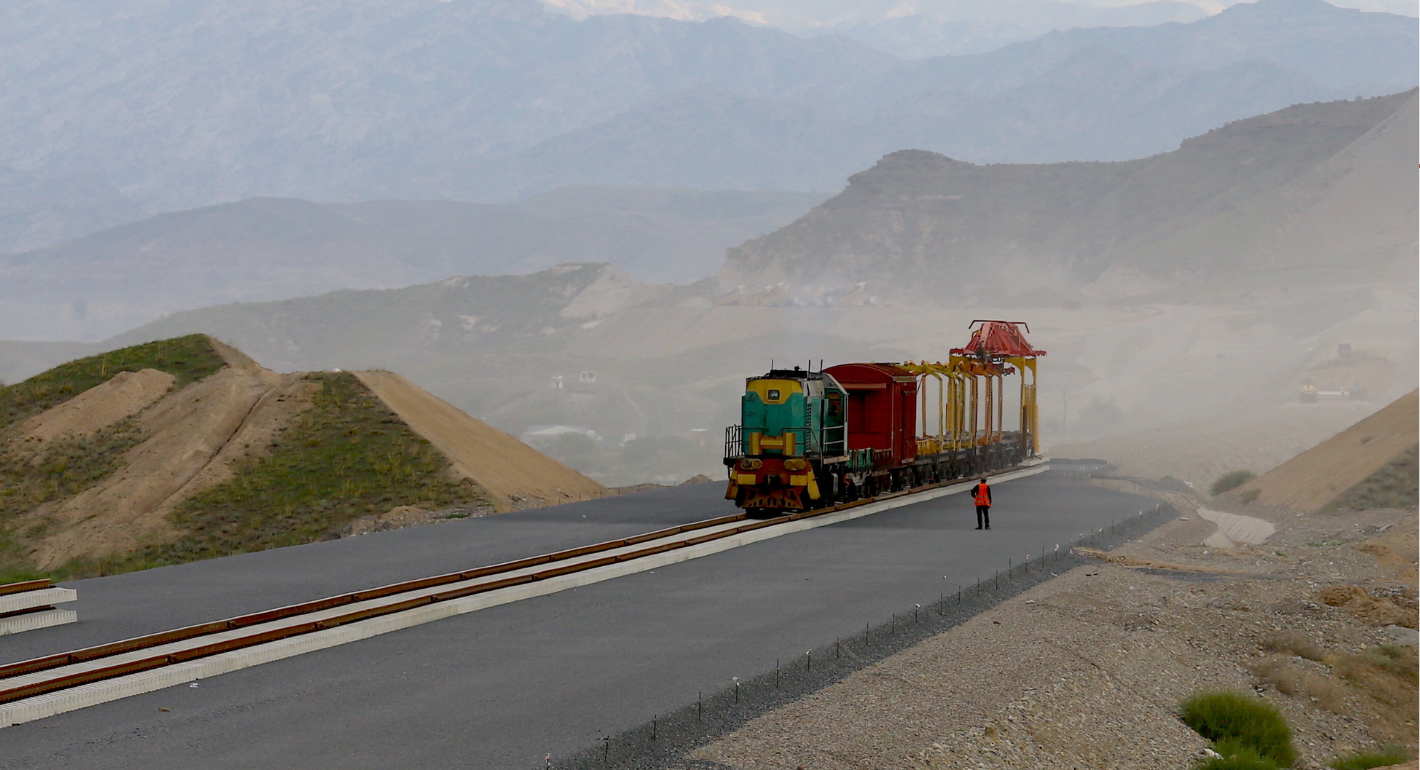
The EU lacks leadership and strategic planning in the South Caucasus, while the United States is leading the charge. To secure its geopolitical interests, Brussels must invest in new connectivity for the region.

Zaur Shiriyev