

Commentary
Marc Lynch
{
  "authors": [
    "Marc Lynch"
  ],
  "type": "legacyinthemedia",
  "centerAffiliationAll": "dc",
  "centers": [
    "Carnegie Endowment for International Peace",
    "Malcolm H. Kerr Carnegie Middle East Center"
  ],
  "collections": [
    "Arab Awakening"
  ],
  "englishNewsletterAll": "menaTransitions",
  "nonEnglishNewsletterAll": "",
  "primaryCenter": "Carnegie Endowment for International Peace",
  "programAffiliation": "MEP",
  "programs": [
    "Middle East"
  ],
  "projects": [],
  "regions": [
    "Middle East",
    "North Africa",
    "Egypt",
    "Saudi Arabia",
    "Gulf"
  ],
  "topics": [
    "Political Reform",
    "Security",
    "Military"
  ]
}
Source: Getty
A diplomatic crisis has hit the Gulf after six regional countries severed ties with Qatar.
Source: WNYC
Speaking with WNYC’s the Takeaway, Carnegie’s Marc Lynch discussed the recent breakdown in relations between Qatar and a number of its neighbors across the Arab world. Furthermore, he examined what effects this may have on U.S. policy in the region and the ongoing conflict in Yemen.

Former Nonresident Senior Fellow, Middle East Program
Marc Lynch was a nonresident senior fellow in Carnegie’s Middle East Program where his work focuses on the politics of the Arab world.
Recent Work
Marc Lynch
Marc Lynch
Carnegie does not take institutional positions on public policy issues; the views represented herein are those of the author(s) and do not necessarily reflect the views of Carnegie, its staff, or its trustees.
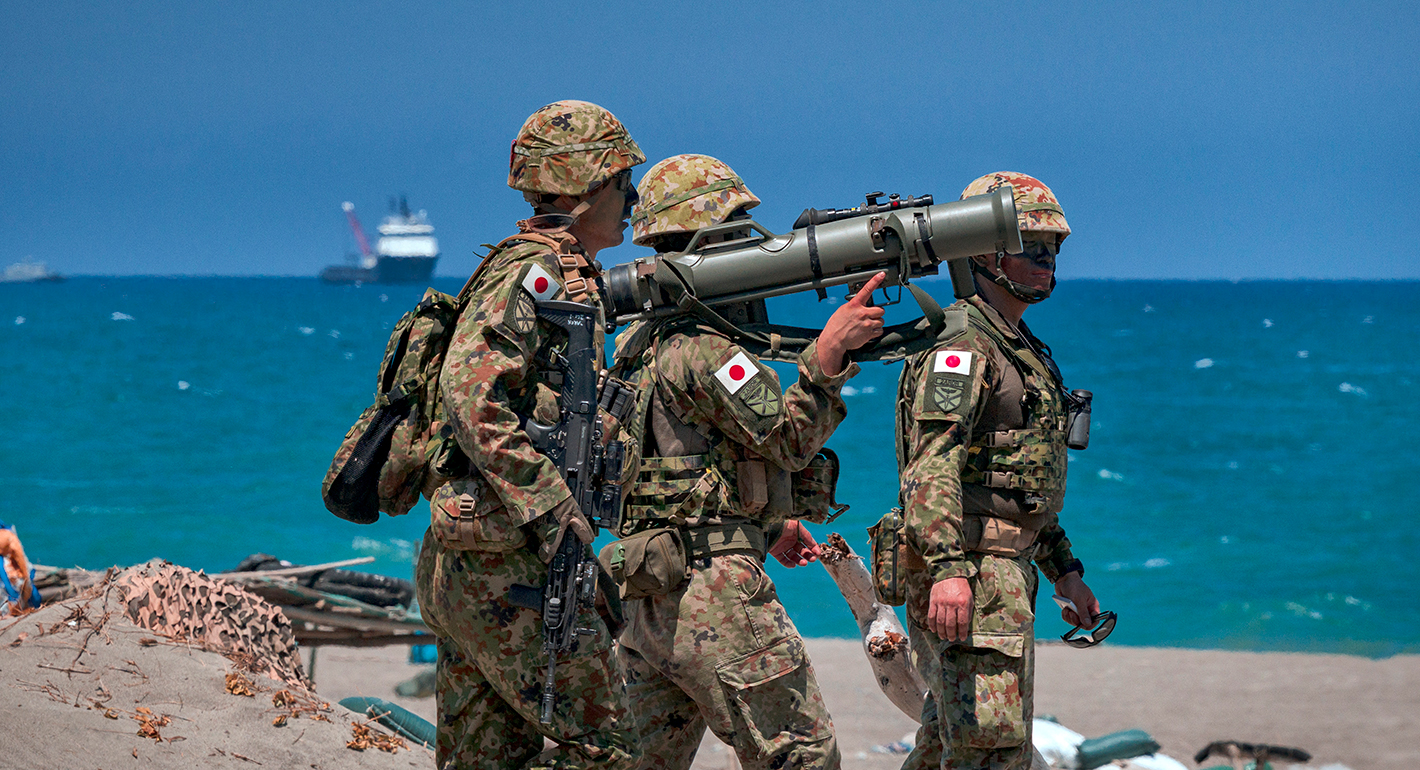
Japan’s revision of its three strategic documents reflects an intention to keep the United States engaged in the region while Japan fills any vacuums of U.S. power to preserve the Indo-Pacific order.
Ryo Sahashi

In the discussions made possible by the State Duma election campaign, one question is being asked more and more loudly. “What next?”

Andrey Pertsev
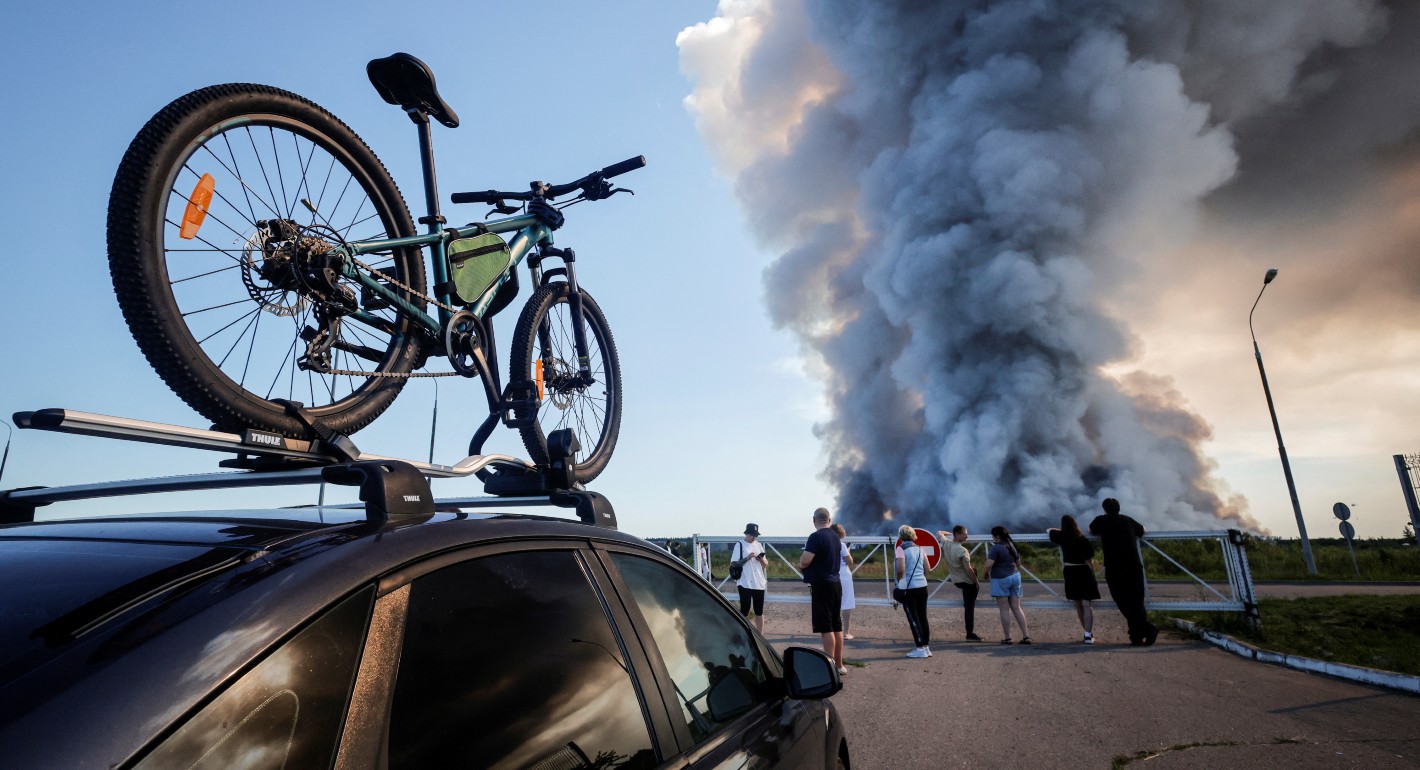
Media coverage suggests Kyiv’s fortunes have changed. That shift may be important, but it only goes so far.



Dara Massicot, Aaron David Miller, Andrew S. Weiss
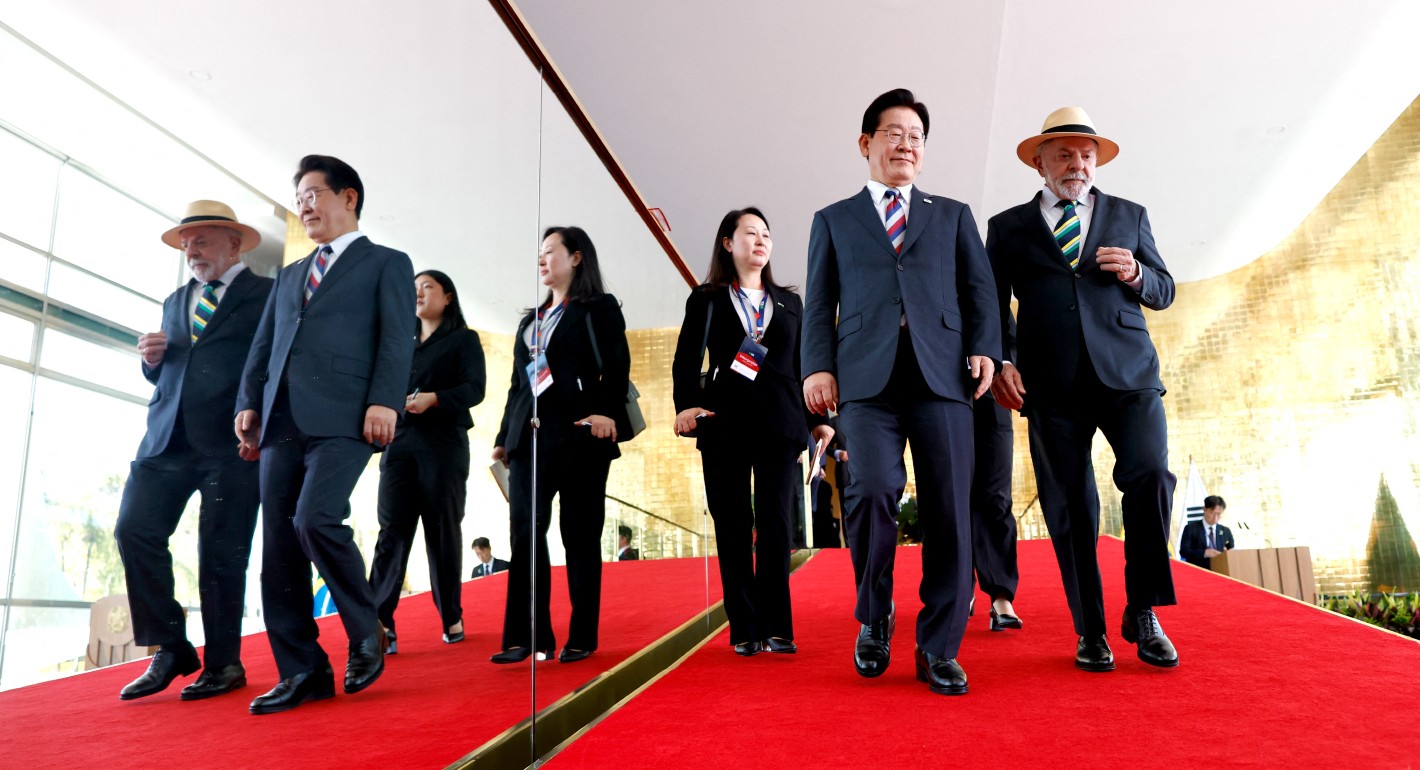
Lee’s tour shows how Seoul is reorganizing its diplomacy away from Pyongyang and toward industrial networks and the geography of the compute economy.

Darcie Draudt-Véjares
The Pentagon is calling for a rapid AI transformation. Autonomous drones offer a case study in the eight bottlenecks the U.S. military must navigate to realize that vision.
Jake Steckler