

Commentary
Ongoing uncertainty in the Middle East allows Moscow to both increase its influence in Tehran and continue to enjoy the financial windfall of higher oil prices.
Nikita Smagin
{
  "authors": [
    "Richard Sokolsky",
    "Aaron David Miller"
  ],
  "type": "legacyinthemedia",
  "centerAffiliationAll": "",
  "centers": [
    "Carnegie Endowment for International Peace",
    "Malcolm H. Kerr Carnegie Middle East Center"
  ],
  "collections": [
    "Iranian Proliferation"
  ],
  "englishNewsletterAll": "",
  "nonEnglishNewsletterAll": "",
  "primaryCenter": "Carnegie Endowment for International Peace",
  "programAffiliation": "",
  "programs": [],
  "projects": [],
  "regions": [
    "North America",
    "United States",
    "Middle East",
    "Iran"
  ],
  "topics": [
    "Political Reform",
    "Foreign Policy",
    "Nuclear Policy"
  ]
}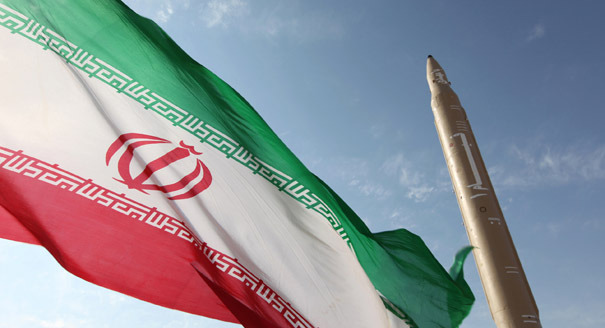
Source: Getty
The administration needs to come up with a sensible strategy to confront Iran where it challenges core U.S. interests. But playing around with a nuclear agreement is both irresponsible and dangerous.
Source: USA Today
President Trump has certified for the second time that Iran is in compliance with the 2015 nuclear accord that limits its nuclear program. But the leaks and background briefings surrounding his statement, followed by new sanctions announced Tuesday, sent unmistakable signals: The decision was taken grudgingly, Trump is increasingly unhappy with Iran and the deal, and he may be looking for a way out.
This is potentially playing with fire. The Iranian regime is repressive, a serial human rights abuser and expanding its influence in the region. Iran without nuclear weapons is a far less dangerous adversary. Unless Iran cheats big time on the agreement, there are four very good reasons why the administration would be well advised not to abandon it or take actions designed to push Iran to do so.
Signaling can be dangerous. Everything about the president’s certification, which is required every 90 days, seemed like a warning to Iran that the next time might be different. The White House put out the story that Trump spent 55 minutes of an hour-long meeting arguing against certification and that he’d been talked into approving it the first time around in April. Administration officials mentioned the additional sanctions and said they intended to strengthen enforcement policies in response to Trump’s request for a more hard-line approach...
Nonresident Senior Fellow, Russia and Eurasia Program
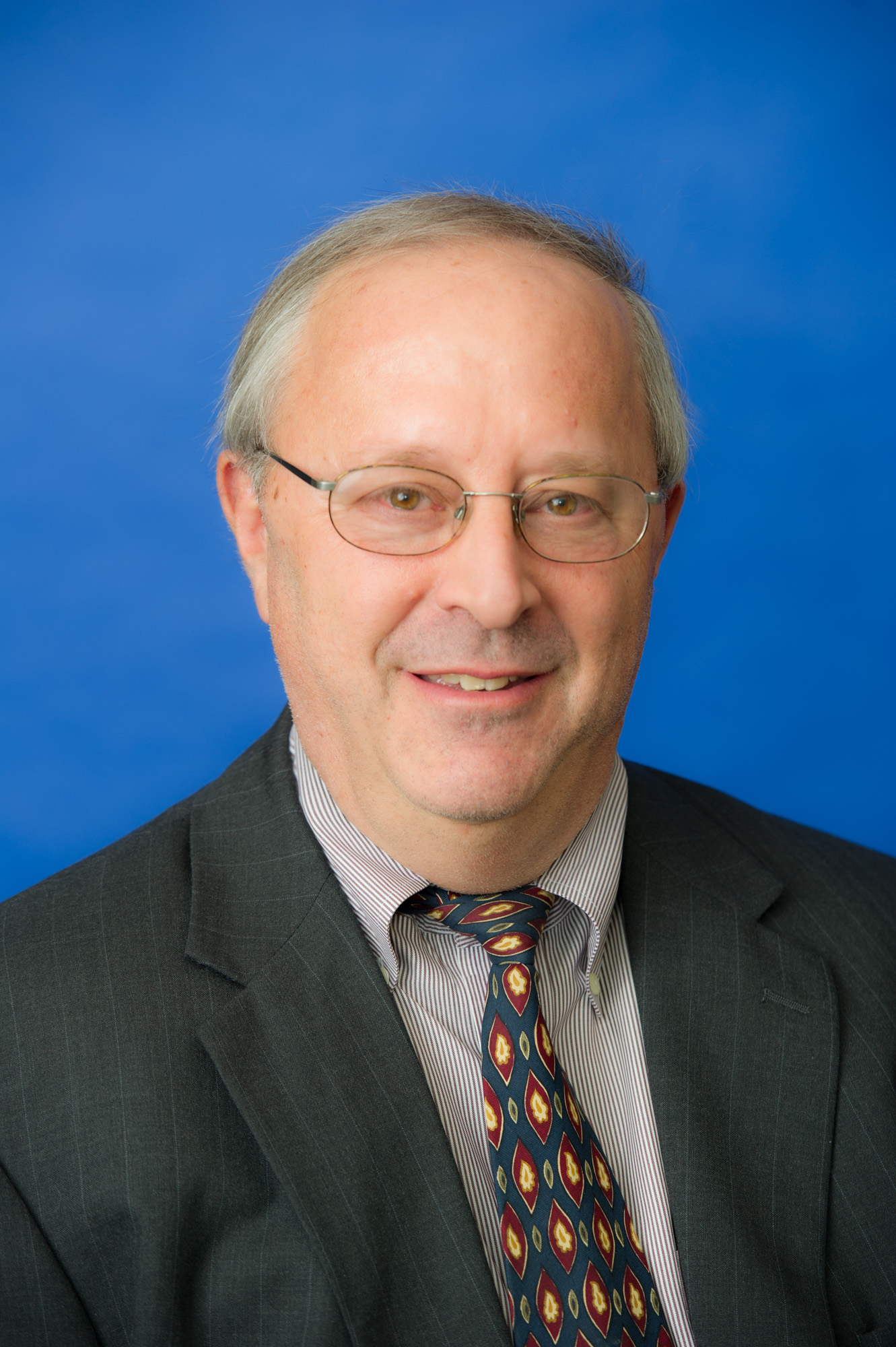
Richard Sokolsky is a nonresident senior fellow in Carnegie’s Russia and Eurasia Program. His work focuses on U.S. policy toward Russia in the wake of the Ukraine crisis.

Senior Fellow, American Statecraft Program
Aaron David Miller is a senior fellow at the Carnegie Endowment for International Peace, focusing on U.S. foreign policy.
Carnegie does not take institutional positions on public policy issues; the views represented herein are those of the author(s) and do not necessarily reflect the views of Carnegie, its staff, or its trustees.

Ongoing uncertainty in the Middle East allows Moscow to both increase its influence in Tehran and continue to enjoy the financial windfall of higher oil prices.

Nikita Smagin
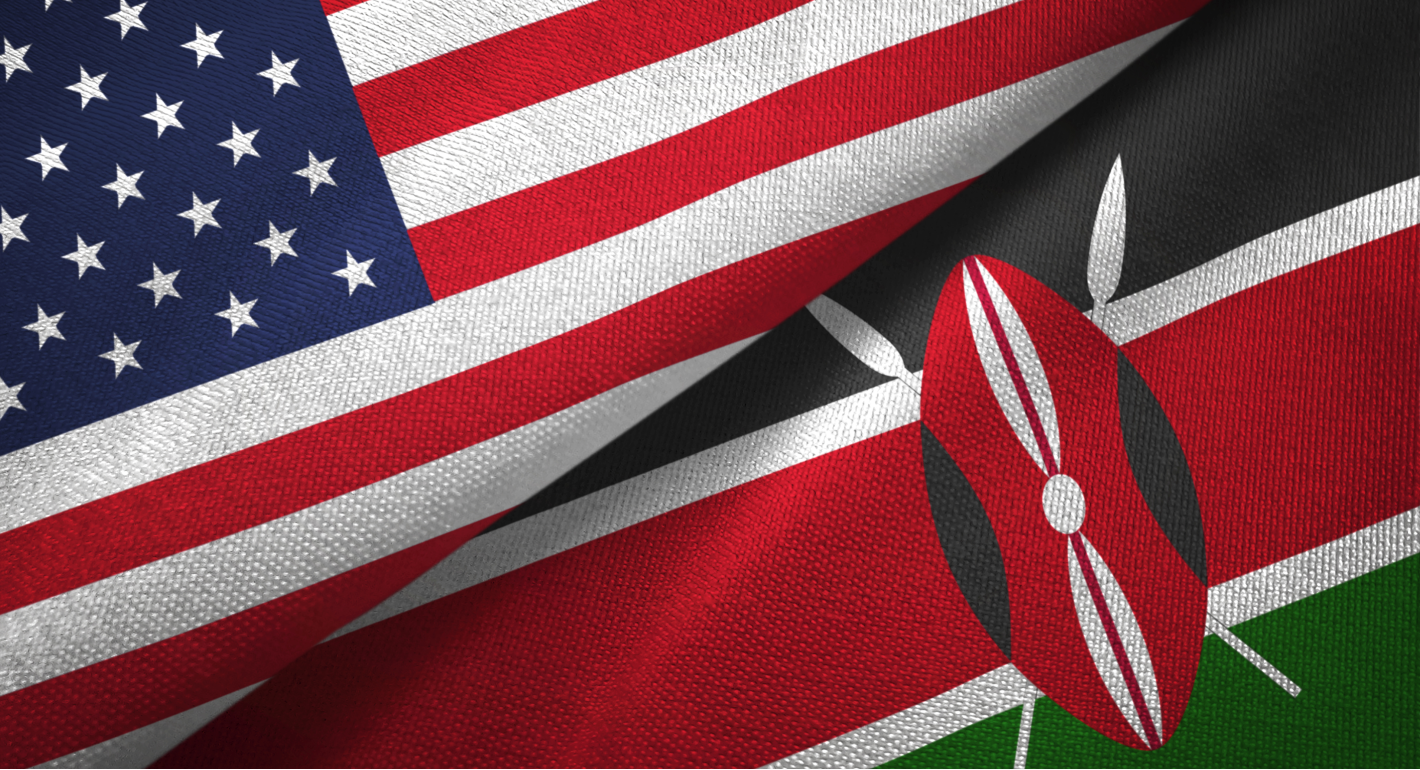
To carry out its global AI agenda, Washington will need strategic relationships with emerging markets in Africa, starting with Kenya.
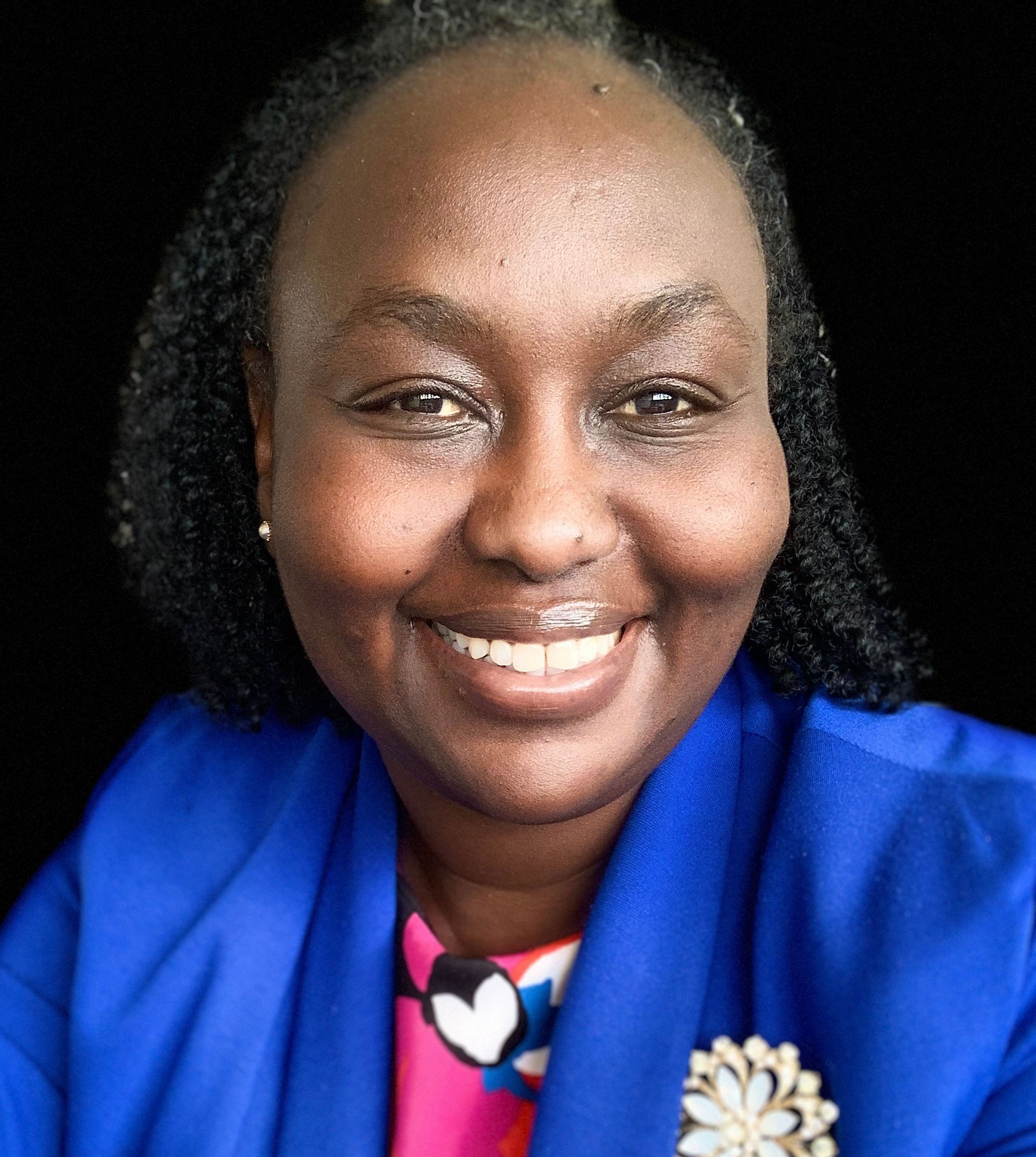
Jane Munga
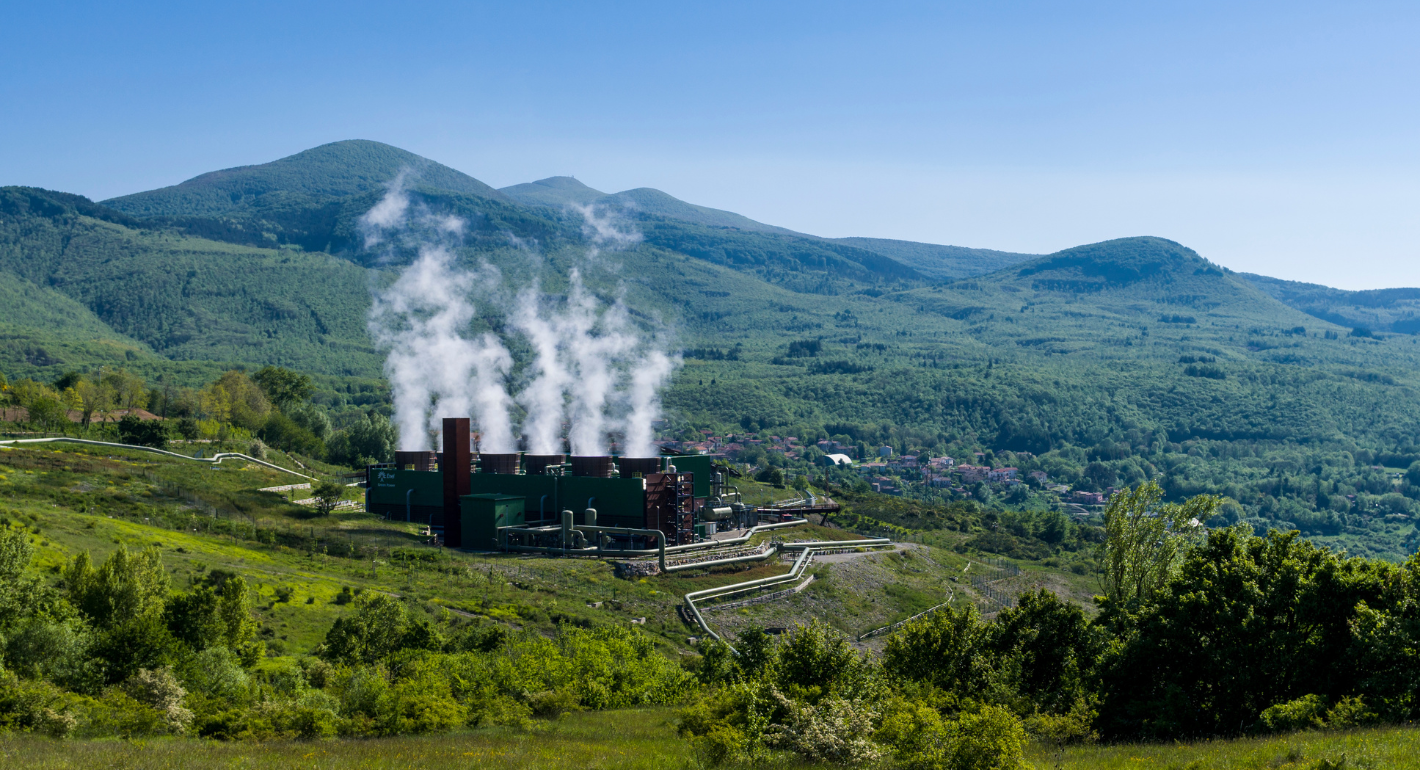
Europe’s industrial supply chains leave it vulnerable to global shocks. The EU needs a pragmatic green industrial strategy that balances durable partnerships and bolsters homegrown clean tech without sacrificing low-carbon ambition.


Milo McBride, Pauline Gerard
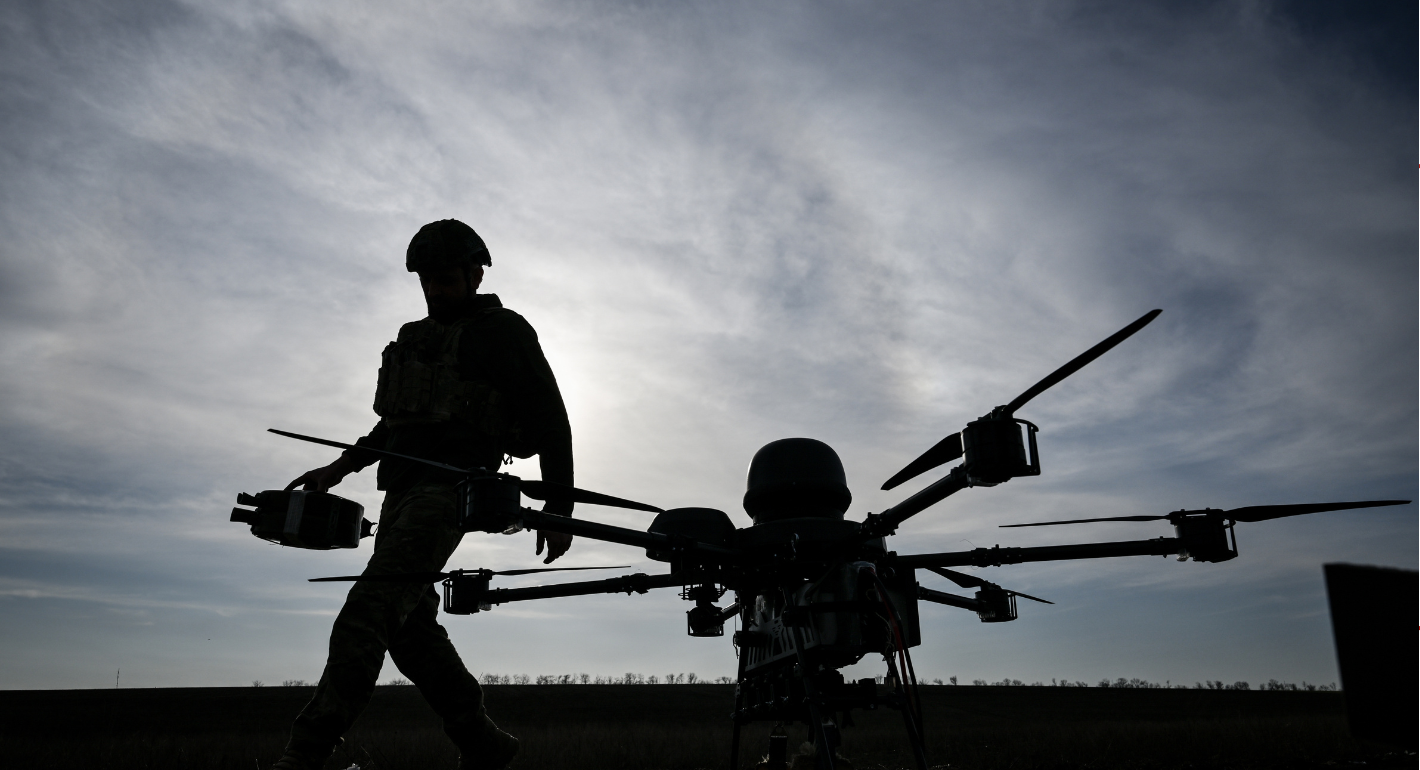
Defense tech innovations will be at the heart of Europe’s new security strategy. But so far, Brussels has been making moves without a broader plan, undermining readiness and credibility.

Raluca Csernatoni
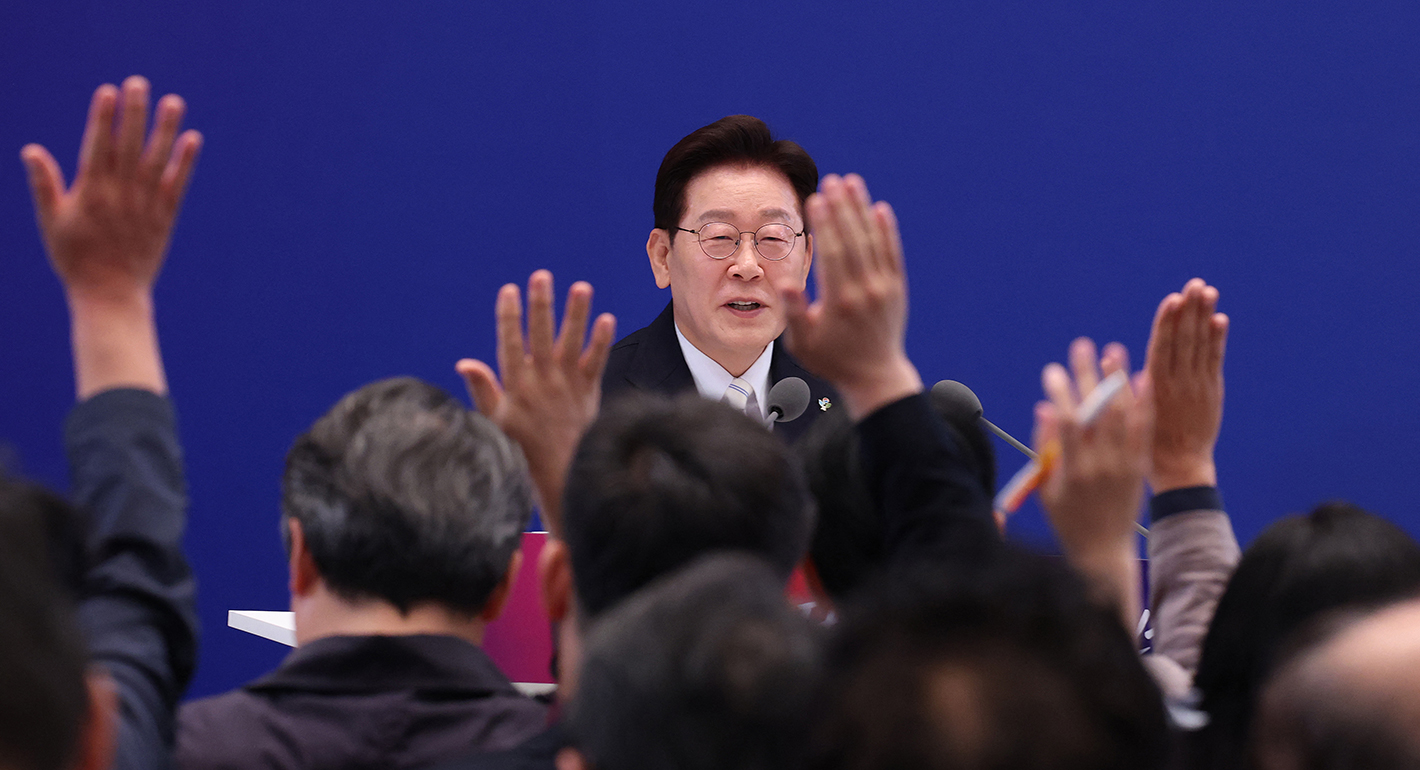
President Lee marked his first year in office after one of the most tumultuous periods in South Korean politics. Though Lee has enjoyed a high approval rating, a large majority in the National Assembly, and foreign policy victories, Lee and his party’s political fortunes depend on generating economic growth, learning the right lessons from the recent local elections, and managing contentious factional strife within his political base.
Chung Min Lee