

Article
C. Raja Mohan, Darshana M. Baruah
{
  "authors": [
    "C. Raja Mohan"
  ],
  "type": "legacyinthemedia",
  "centerAffiliationAll": "dc",
  "centers": [
    "Carnegie Endowment for International Peace",
    "Carnegie India"
  ],
  "collections": [],
  "englishNewsletterAll": "",
  "nonEnglishNewsletterAll": "",
  "primaryCenter": "Carnegie India",
  "programAffiliation": "SAP",
  "programs": [
    "South Asia"
  ],
  "projects": [],
  "regions": [
    "South Asia",
    "Afghanistan",
    "Pakistan",
    "India"
  ],
  "topics": [
    "Foreign Policy",
    "Security",
    "Military"
  ]
}
Source: Getty
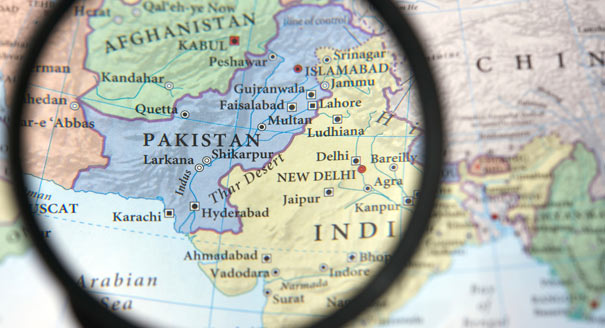
India should focus on shaping the outcomes of the U.S.-Pakistan negotiations, since those talks will not only influence the situation in Afghanistan but could also have significant implications for the subcontinent as a whole.
Source: Indian Express
As part of the effort to get Pakistan’s support for stabilising Afghanistan, Washington is sending senior US officials, including Secretary of State Rex Tillerson and Secretary of Defence James Mattis, to the region this month. Reports from Washington say the administration wants to convey a “tough message” to Pakistan on ending its support to cross-border terrorism. Pessimists in India worry that Washington-Islamabad relations might return to the familiar story of America letting the Pakistan army off the hook in return for minor concessions. Optimists, however, bet that a significant change in US-Pakistan relations might be at hand and that Delhi should leverage President Donald Trump’s willingness to confront Rawalpindi on terrorism.
Whether Washington can finally get Rawalpindi to discard its deliberate and long-standing policy of destabilising its neighbours or not, the current uncertainty in US-Pak relations is part of a larger churn in the Subcontinent’s geopolitics. Trump’s confrontation with the sources of terrorism in Pakistan and his call for a larger Indian role in Afghanistan form only one side of the new political equation emerging in the region. For a long time during the Cold War, US-Soviet hostility and Sino-Russian tensions, Pakistan’s alliances with America and China and India’s strategic partnership with Soviet Russia seemed immutable.
The end of the Cold War 25 odd years ago began to loosen the Subcontinent’s balance of power system. The last few years have seen a new dynamic in the region marked by the breakdown of the US-Russian entente, the rise of China, the slower emergence of India as a major power, the transformation of US-India ties, the tightening embrace between Moscow and Beijing, and Russia’s new enthusiasm for Pakistan.
For many in Delhi’s strategic community, these changes generate a cognitive dissonance. They like the Trump administration’s anti-terror rhetoric towards Pakistan. But they can’t really believe the US establishment could depart from decades of strategic indulgence towards Pakistan. They also worry that Rawalpindi will inevitably drag India into the discourse and “internationalise” its disputes with Delhi. The policy question for Delhi is not really about the prospect of change, but making a judgement on its likely extent through a careful assessment of the imperatives of change and the weight of inertia in the American engagement with Pakistan.
One important factor that suggests continuity is the enduring geopolitical importance of Pakistan. Its strategic location at the cross roads between the Subcontinent, inner Asia, and the Persian Gulf, the world’s sixth largest population (now standing at 210 million), a large and politically powerful army in possession of nuclear weapons and a traditionally leading role in the Islamic world make it hard for any great power to completely forego a relationship with Pakistan.
Another factor is that Pakistan is part of both the problem and solution for peace in Afghanistan. Its long border with land-locked Afghanistan makes Pakistan’s cooperation critical for Washington’s strategy to stabilise the current government in Kabul. But the fact is that Pakistan’s agenda in Afghanistan has not converged with that of the United States. The Obama and Bush administrations were aware but unwilling to acknowledge that the Pakistan army had undermined America in Afghanistan. The Trump administration has stated the truth and wants to mount pressure on Pakistan to alter its course in Afghanistan.
Breaking from the well-trodden path, the Trump administration is trying “one last time” to get the Pakistan army’s cooperation. It is opening up a negotiation this time with a variety of threats — new sanctions, withdrawing Pakistan’s status as a “major non-NATO ally”, declaring Islamabad as a state sponsor of terrorism and urging India to play a larger role in Afghanistan.
Pakistan’s initial reaction to Trump’s new regional policy — made in a speech at the end of August — was anger and outrage. It also rejected Trump’s demand that Pakistan should immediately shut down the terror sanctuaries on its soil. Islamabad also ostentatiously cancelled talks with US officials last month. After the bluster, comes the inevitable dialogue. Pakistan is now ready to talk to the Trump administration following high-level meetings in recent weeks. Pakistan Prime Minister Shahid Khaqan Abbasi met US Vice President Mike Pence on the margins of the UNGA last month and the foreign minister, Khawaja Asif, was in Washington last week.
It is one thing for Pakistan to posture for the benefit of domestic audiences and entirely another to to deliberately choose confrontation with the United States. As the US and Pakistan begin negotiations, India will inevitably be part of the discussion — call it “re-hyphenation” or what you will. After all, India and Pakistan have multiple problems, and Islamabad has never stopped trying to mobilise the great powers to blunt India’s natural preponderance in the region. In its conversation with US officials, Pakistan is likely to insist on a big say in shaping the future political order in Kabul, object to any role for India in Afghanistan and would want the US to get Delhi to talk Kashmir to Islamabad.
India, therefore, has a real interest in these talks, for they involve the future of the South Asian regional order — including Islamabad’s relations with Kabul and Delhi, the Pakistan army’s dominance over the domestic polity and Rawalpindi’s use of terror as an instrument of regional policy. Instead of worrying about “re-hyphenation”, India should focus on shaping the outcomes from the US-Pak negotiations. Whatever the eventual give and take between Washington and Rawalpindi, Delhi has enough room to respond with vigour and confidence to a potentially historic shift in the Subcontinent’s geopolitics.
This article was originally published in the Indian Express.
Former Nonresident Senior Fellow, Carnegie India
A leading analyst of India’s foreign policy, Mohan is also an expert on South Asian security, great-power relations in Asia, and arms control.
Recent Work

C. Raja Mohan, Darshana M. Baruah


Alexander Gabuev, Paul Haenle, C. Raja Mohan, …
Carnegie does not take institutional positions on public policy issues; the views represented herein are those of the author(s) and do not necessarily reflect the views of Carnegie, its staff, or its trustees.
Tehran’s attacks are reshaping the security situation in the Middle East—and forcing the region’s clock to tick backward once again.

Amr Hamzawy
Cargo time release studies offer a path to greater economic gains and higher trust between neighboring countries.

Nikita Singla
Only collective security can protect fragile economic models.

Andrew Leber
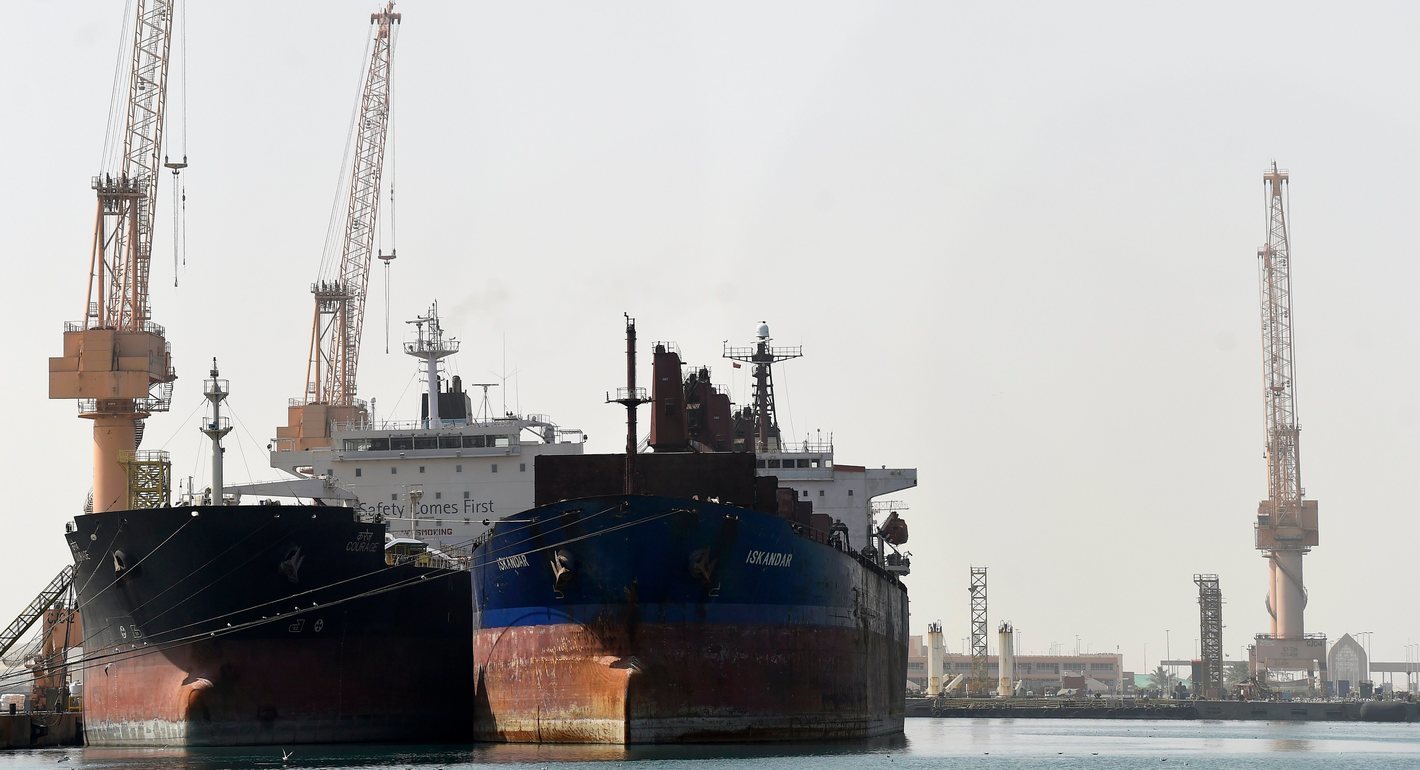
In a volatile Middle East, the Omani port of Duqm offers stability, neutrality, and opportunity. Could this hidden port become the ultimate safe harbor for global trade?
Giorgio Cafiero, Samuel Ramani
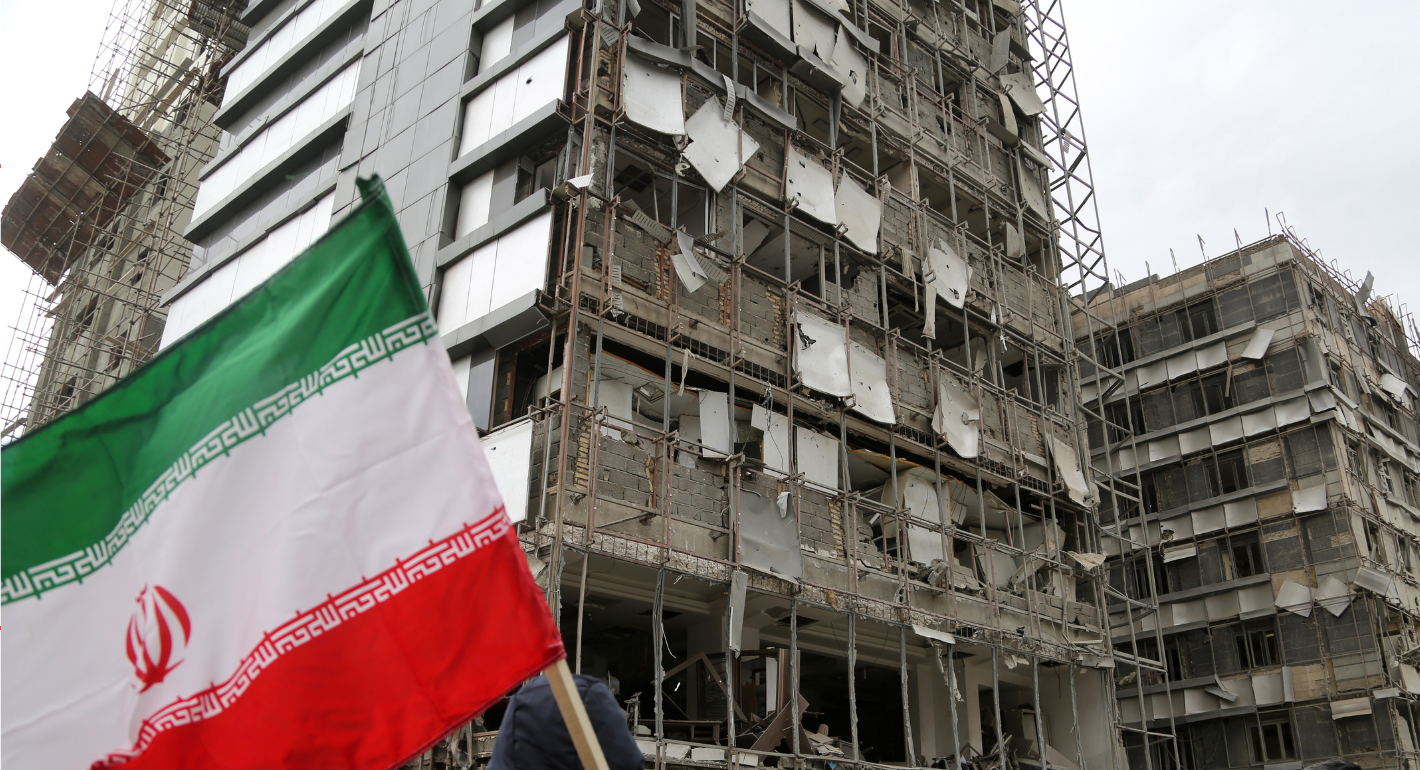
Europe’s reaction to the war in Iran has been disunited and meek, a far cry from its previously leading role in diplomacy with Tehran. To avoid being condemned to the sidelines while escalation continues, Brussels needs to stand up for international law.

Pierre Vimont