

Commentary
Dmitri Trenin
{
  "authors": [
    "Dmitri Trenin"
  ],
  "type": "legacyinthemedia",
  "centerAffiliationAll": "",
  "centers": [
    "Carnegie Endowment for International Peace",
    "Carnegie Russia Eurasia Center"
  ],
  "collections": [],
  "englishNewsletterAll": "",
  "nonEnglishNewsletterAll": "",
  "primaryCenter": "Carnegie Russia Eurasia Center",
  "programAffiliation": "",
  "programs": [],
  "projects": [],
  "regions": [
    "Russia"
  ],
  "topics": [
    "Foreign Policy"
  ]
}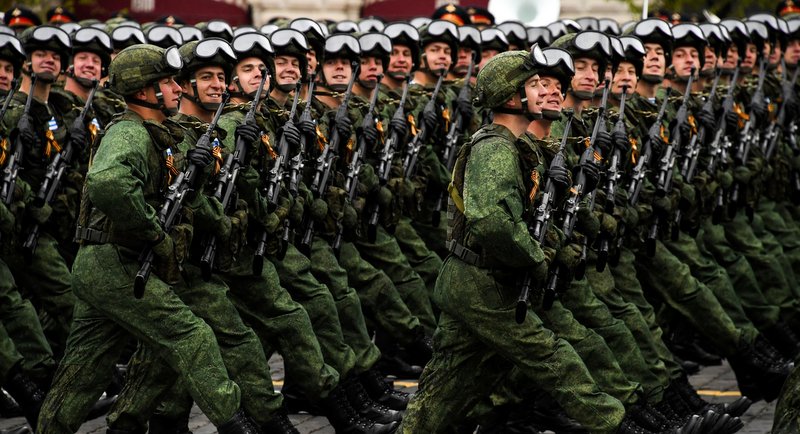
Source: Getty
Today, Moscow militates against the global order dominated by a single power – the United States of America.
Source: Raisina Files 2018
In Russia’s foreign policy, the notion of the national interest and the yearning for a particular global regime of the world order, including Russia’s own status within it, are closely intertwined. Modern Russia has always had to work its way up the international rungs, seeking recognition by the high and mighty and admission to exclusive ‘clubs’ – as a great power in early 18th century Europe; as a member of the short-lived G8. Bolshevik Russia, with its universal mission of bringing the world to some sort of a socialist paradise, was a historic aberration.
Traditionally, from the 19th century Concert of Europe to the 21st century “multipolarity,” Russia has been coming out in favor of a pluralistic international regime of several major players, with itself necessarily part of that concert. Today, Moscow militates against the global order dominated by a single power – the United States of America.
This article was originally published in the Observer Research Foundation's Raisina Files 2018
Former Director, Carnegie Moscow Center
Trenin was director of the Carnegie Moscow Center from 2008 to early 2022.
Recent Work
Dmitri Trenin
Dmitri Trenin
Carnegie does not take institutional positions on public policy issues; the views represented herein are those of the author(s) and do not necessarily reflect the views of Carnegie, its staff, or its trustees.
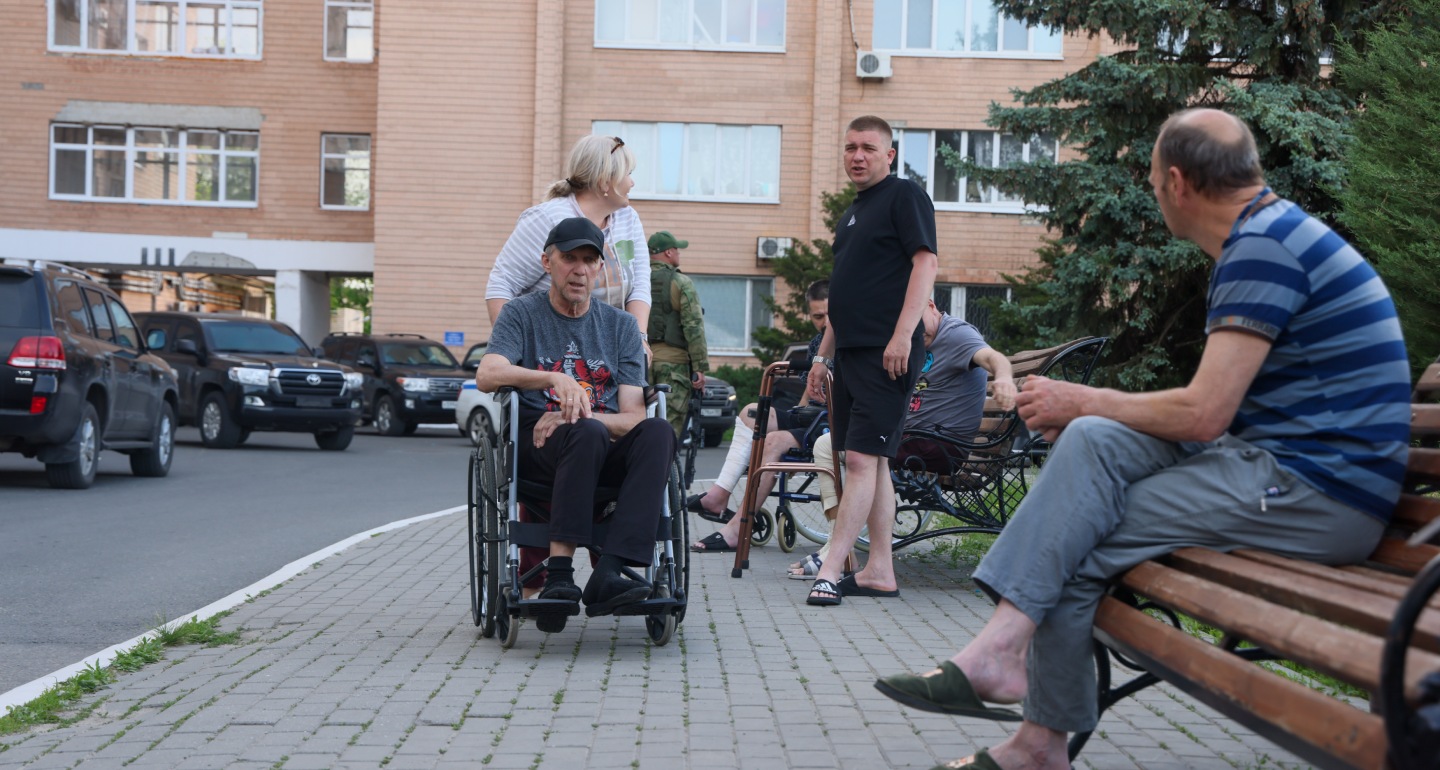
Despite unhappiness on the ground, Moscow is determined to use both carrot and stick to ensure there is record support for United Russia in occupied Ukraine.

Konstantin Skorkin

Despite Morocco’s hopes that its film industry would reap rewards, the blockbuster’s success will be tainted by controversy surrounding filming in occupied Western Sahara.

Sarah Yerkes
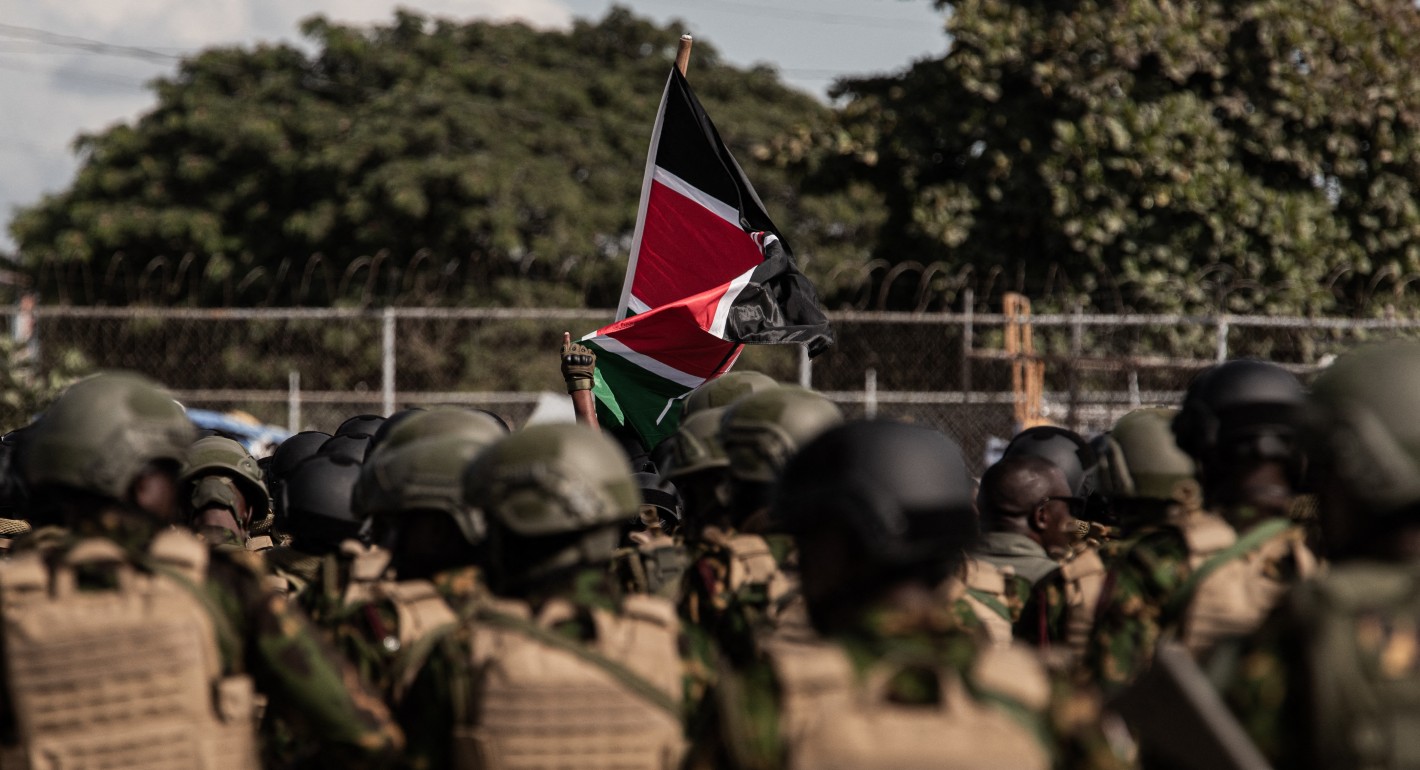
Helping to stabilize Haiti is in the United States’ national interest and can be done by making wise use of various foreign policy tools in addition to supporting international security forces.
Christopher Shell
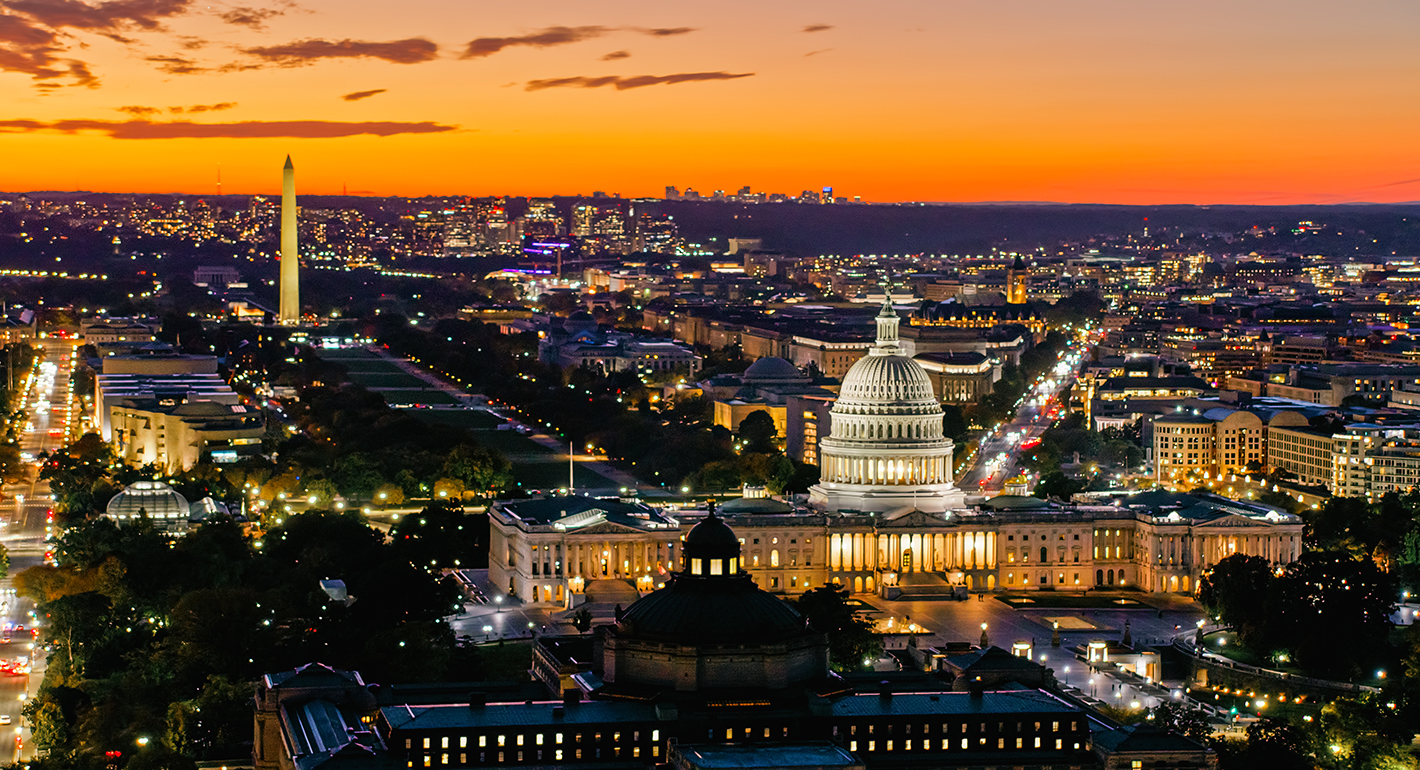
Networks—from international payments platforms to key economic sectors—underlie many aspects of U.S. power. But they are suffering under an extractive approach to foreign policy.
Daniel W. Drezner
While Russia is not ready to sue for peace on Europe’s terms, it could still either seek a ceasefire in Ukraine or try escalation. Brussels needs to prepare for both and prioritize that preparation over normative discussions.
Kadri Liik