

Commentary
The Islamic Republic’s words and actions suggest that it has changed its approach to both diplomacy and war.
Mohammad Ayatollahi Tabaar
{
  "authors": [
    "Maxwell J. Hamilton"
  ],
  "type": "legacyinthemedia",
  "centerAffiliationAll": "dc",
  "centers": [
    "Carnegie Endowment for International Peace"
  ],
  "collections": [],
  "englishNewsletterAll": "americanStatecraft",
  "nonEnglishNewsletterAll": "",
  "primaryCenter": "Carnegie Endowment for International Peace",
  "programAffiliation": "ASP",
  "programs": [
    "American Statecraft"
  ],
  "projects": [],
  "regions": [
    "North America",
    "United States",
    "East Asia",
    "China"
  ],
  "topics": [
    "Economy",
    "Trade"
  ]
}
Source: Getty
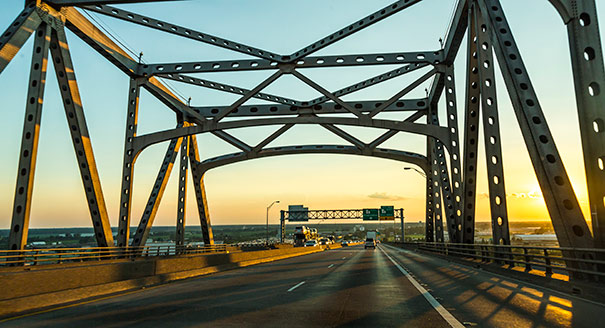
For Americans who have not shared the benefits of globalization, President Trump’s victory represented a path to renewed prosperity. In Louisiana, China is the leading trade partner, and trade accounts for 1 in 5 jobs.
Source: Dallas News
China's top economic officials arrived in Washington this week as the world's two largest economies approach the precipice of a trade war. In my home state of Louisiana, China is our No. 1 trading partner purchasing almost $8 billion in exports, and trade accounts for 1 in 5 jobs.
In the last presidential election, Donald Trump won more votes in Louisiana than any other candidate in state history. While the foreign policy establishment bemoaned Trump's election as the collapse of the domestic consensus behind free trade and open markets, millions of Americans who have not shared the benefits of globalization believed his victory represented a path to renewed prosperity.
As an American diplomat, I am part of the foreign policy establishment that created and promoted an open global economy since World War II. But Trump's decisive win in my home state made me question whether this system still reflected the interests of Americans at home. So I went back to Louisiana to find out.
I discovered that Louisiana is a pro-Trump state that depends on access to overseas markets and foreign capital flows to survive. In this regard, Louisiana is similar to red states across the country. The five most trade-dependent states, Michigan, Kentucky, Tennessee, Louisiana and South Carolina, all voted for Trump. Yet the conservative farmers and business owners I met do not want America to retreat into protectionism. Instead, they demand new economic relationships with old adversaries, more free trade, and energy deals with power-hungry competitors, including China. For these Americans, an open global trading system is not a theoretical concept, but a pocketbook issue.
Inside the wood-paneled office of Louisiana's commissioner for agriculture and forestry, I found Mike Strain monitoring the television for news about China's cotton stockpile. "Our people demand trade," declared Strain, a plain-spoken Republican elected to his office three times. Strain had just returned from a trip to the White House to discuss rural prosperity. A chart on top of his cluttered desk graphed the number of U.S. free trade agreements.
Strain has traveled to Cuba to push for greater market access, a move his conservative constituents support. Kevin Berken, the former chairman of Louisiana's Rice Promotion Board, told me he opposed all of the Obama administration's policies, except the diplomatic opening to Cuba. "Cubans eat so much rice they could qualify as Cajun," said Berken.
In my hometown of Baton Rouge, the most export-dependent major metro area in the country, conservative business leaders described the failure to pass the Trans-Pacific Partnership as a missed opportunity to expand access to Asia's dynamic markets. Although Congress never voted on the agreement, Louisiana's Republican-dominated congressional delegation voted overwhelmingly to give President Barack Obama fast-track authority to negotiate a deal.
At the Port of New Orleans, officials said the Trump administration's steel and aluminum tariffs would be catastrophic. In 2002, the last time the U.S. imposed steel tariffs, revenue at the Port of New Orleans plummeted. Spiking steel prices raised costs for construction and industry. U.S. agriculture exports became less competitive because fewer ships used the port.
When Mark Twain plied the Mississippi River between Baton Rouge and New Orleans, the banks were lined with "dim forest-walls of bearded cypress." Today, Twain would find multi-billion-dollar Chinese petrochemical plants. Attracted by cheap natural gas, foreign corporations have invested billions of dollars in Louisiana's energy and petrochemicals sectors. Louisiana leads the nation in foreign direct investment per capita.
The U.S. energy revolution, unleashed by fracking and horizontal drilling, is increasing Louisiana's dependence on global markets. This year, Houston's Cheniere Energy signed a first-of-its-kind, 25-year contract to export liquefied natural gas to China out of its Sabine Pass terminal on the Texas-Louisiana border.
If the foreign policy establishment intends to rebuild a domestic consensus for economic openness, it must understand and respond to the preferences of red state Americans, instead of dismissing them as insular and provincial. This conversation would help bring U.S. foreign policy into greater alignment with the citizens it is supposed to serve.
Former Visiting Scholar, Geoeconomics and Strategy Program
Maxwell J. Hamilton was a visiting scholar in the Geoeconomics and Strategy Program at the Carnegie Endowment for International Peace.
Carnegie does not take institutional positions on public policy issues; the views represented herein are those of the author(s) and do not necessarily reflect the views of Carnegie, its staff, or its trustees.
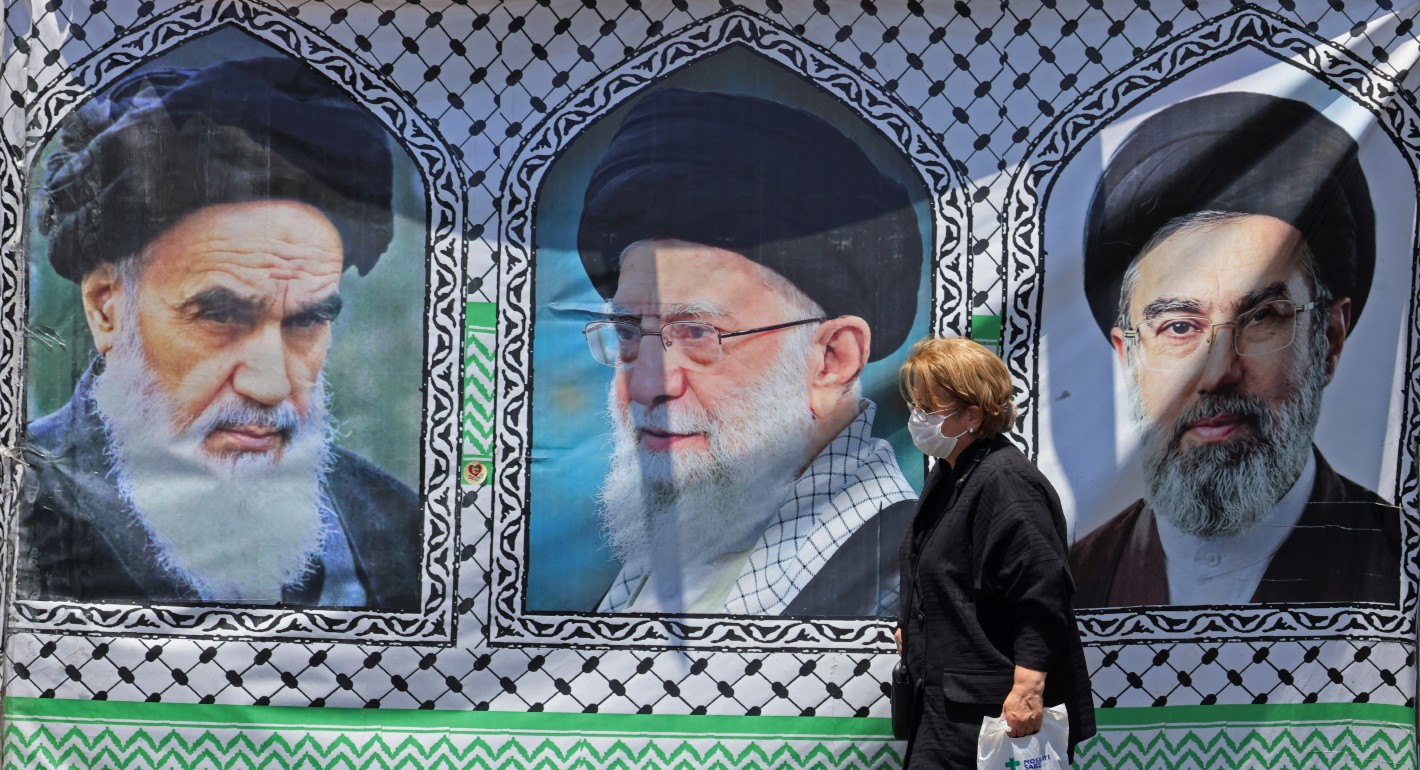
The Islamic Republic’s words and actions suggest that it has changed its approach to both diplomacy and war.
Mohammad Ayatollahi Tabaar
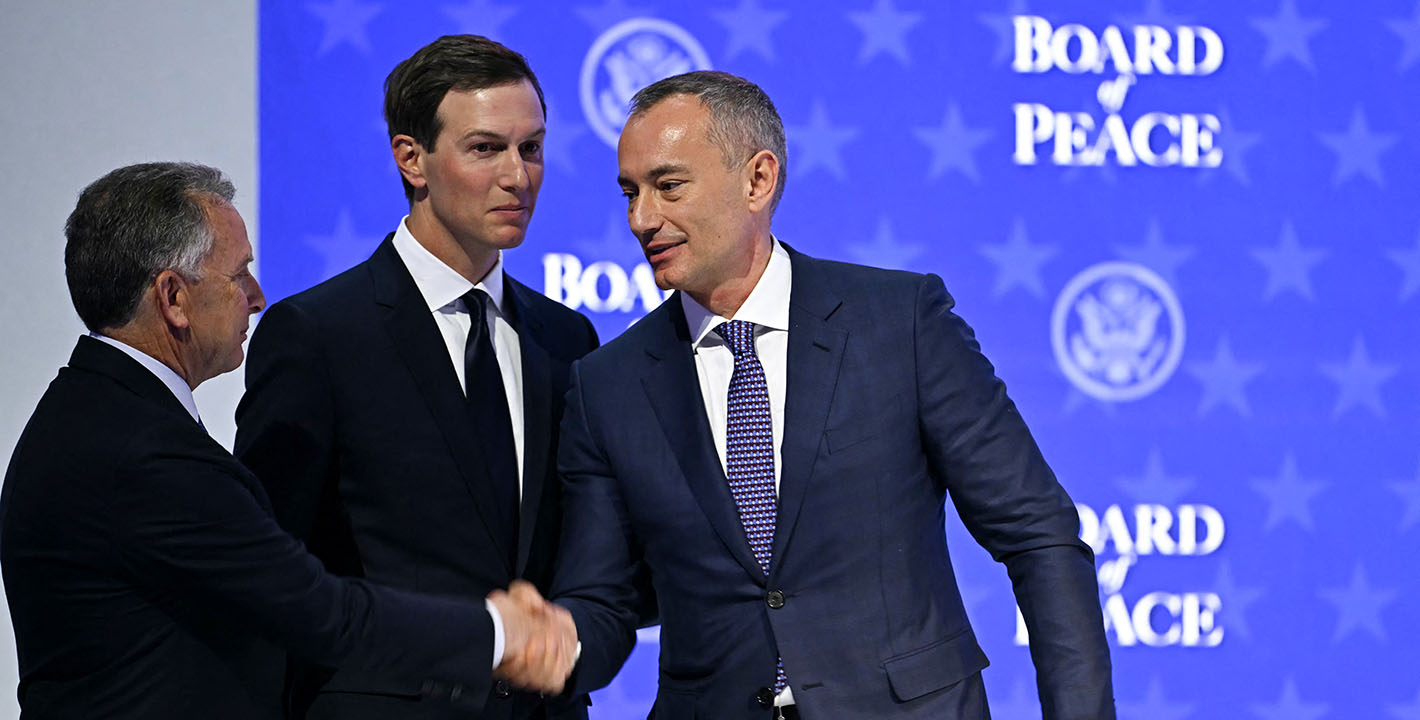
Policy discussion is ignoring that the Palestinian national project is hollowed out and apartheid is a present danger.

Nathan J. Brown
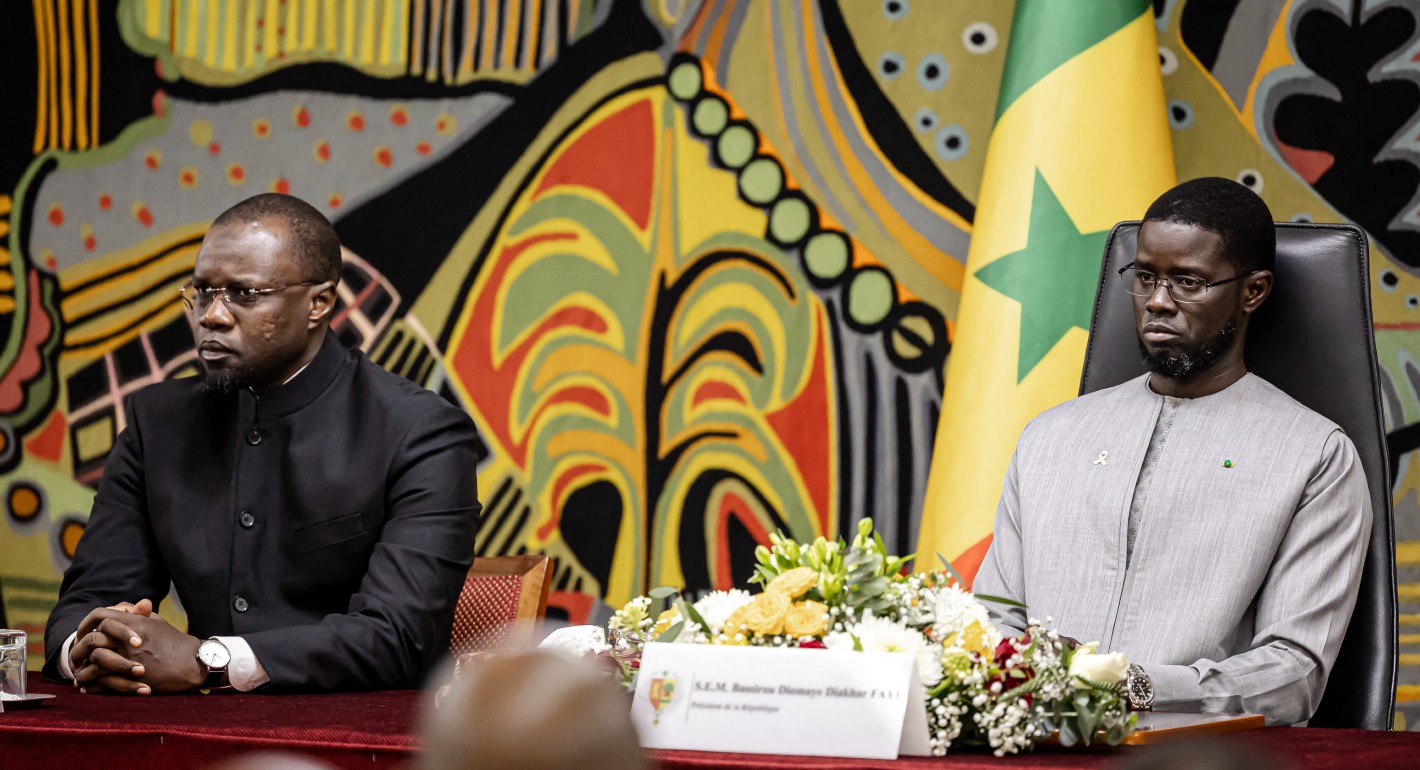
The impacts of the Faye-Sonko rupture could go well beyond the country’s borders.

Lesley Anne Warner

A much-discussed disagreement over internet restrictions in Russia was never an existential threat for Putin: It was about elite groups protecting their interests.

Alexandra Prokopenko

This piece argues that India’s central challenge is not managing a single flashpoint but resolving the underlying tension between expansion and institutional coherency of the BRICS grouping.

Vrinda Sahai