

Commentary
Ulrich Kühn
{
  "authors": [
    "Ulrich Kühn"
  ],
  "type": "other",
  "centerAffiliationAll": "dc",
  "centers": [
    "Carnegie Endowment for International Peace"
  ],
  "collections": [
    "Korean Peninsula"
  ],
  "englishNewsletterAll": "ctw",
  "nonEnglishNewsletterAll": "",
  "primaryCenter": "Carnegie Endowment for International Peace",
  "programAffiliation": "NPP",
  "programs": [
    "Nuclear Policy"
  ],
  "projects": [],
  "regions": [
    "East Asia",
    "South Korea",
    "North Korea"
  ],
  "topics": [
    "Security",
    "Nuclear Policy",
    "Arms Control",
    "Foreign Policy"
  ]
}
Source: Getty
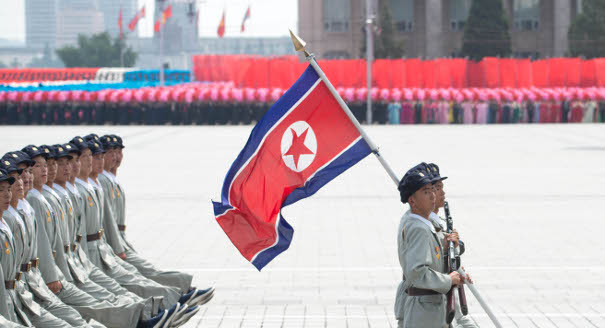
In 2018, political relations on the Korean peninsula are in flux to an unprecedented degree.
Source: Heinrich Böll Foundation
In 2018, political relations on the Korean peninsula are in flux to an unprecedented degree. Back in the summer of 2017, the possibility of a friendly visit of North Korea’s Supreme Leader Kim Jong-un to South Korea would have seemed far-fetched. Even more unrealistic: the prospect of a potential summit between Kim and US President Donald Trump, openly discussing the possibility of a full de-nuclearization of the North and a lasting peace framework for both Koreas. «What is real, and what is illusion?» we might ask ourselves. Is it really possible that Kim Jong-un, after decades of strenuous efforts from North Korea to acquire nuclear weapons, and after being punished by the international community with the most rigid sanctions regime, will simply give up his ‹ultimate insurance› policy? Would Washington truly be ready to consider withdrawing its forces from the peninsula as a result of a comprehensive peace agreement? And what could all that mean for East Asia and Europe?
At this point in time, with so many variables in flux, we can merely speculate. However, sometimes speculation is the only available means for assessing future outcomes and options. Taking note of the unclear situation, this article deliberately engages in speculation and develops three scenarios for the Korean Peninsula. The author does not claim that any of these will become reality—and in certain cases strongly wishes the opposite.
This piece was originally published by the Heinrich Böll Foundation.

Nonresident Scholar, Nuclear Policy Program
Ulrich Kühn is a nonresident scholar at the Carnegie Endowment for International Peace, and the head of the arms control and emerging technologies program at the Institute for Peace Research and Security Policy at the University of Hamburg.
Recent Work
Ulrich Kühn
Ulrich Kühn
Carnegie does not take institutional positions on public policy issues; the views represented herein are those of the author(s) and do not necessarily reflect the views of Carnegie, its staff, or its trustees.
This year’s wars have made alternative routes to transit through Russia no less risky for Central Asian countries.

Galiya Ibragimova
By burying disagreements in imprecision, the new deal risks same fate as its predecessors.

James M. Acton
The United States and Israel may have unwittingly revived the Islamic Republic’s “zombie regime.”



Suzanne Maloney, Aaron David Miller, Karim Sadjadpour
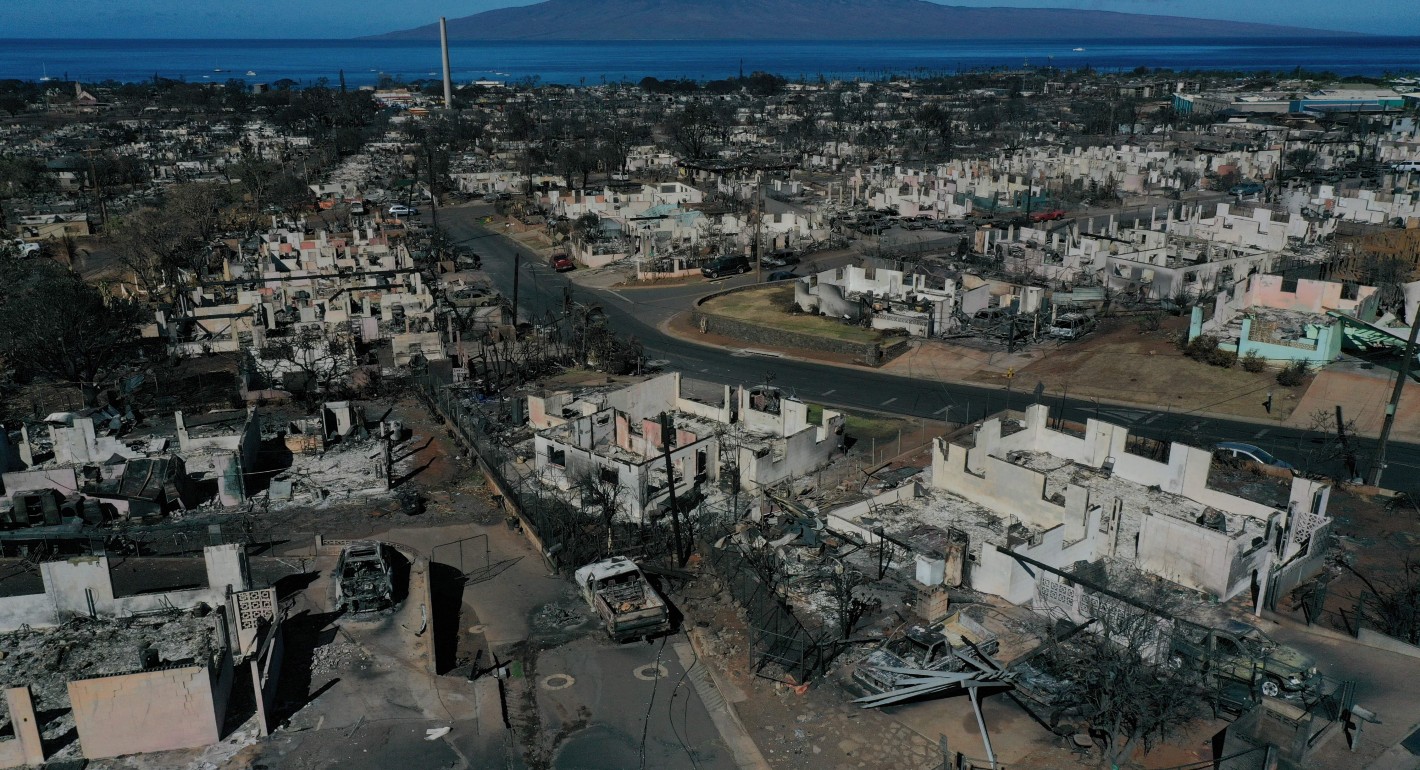
Natural disasters are no longer local incidents but sources of systemic risk that threaten vital infrastructure and the economy—and public support for international engagement.
Leonardo Martinez-Diaz
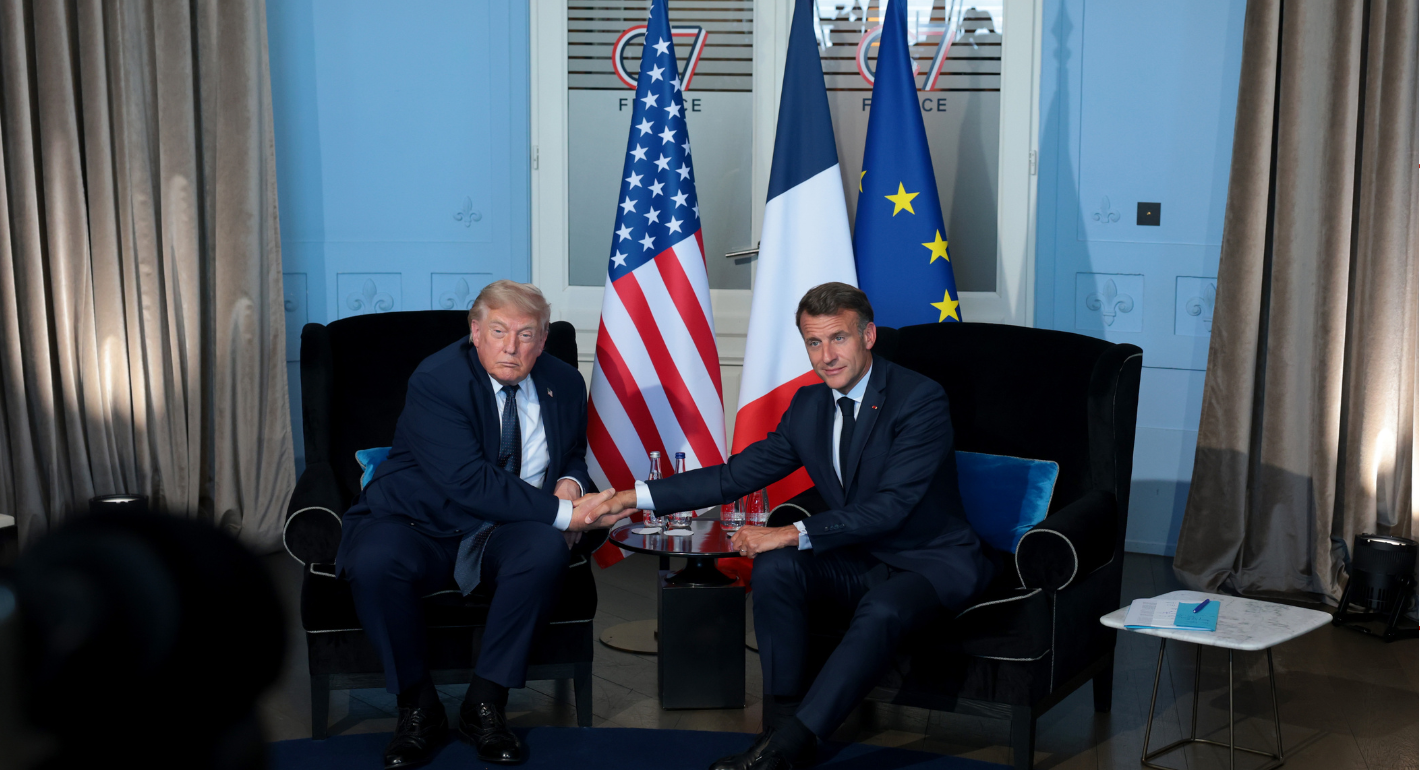
When the U.S.-Iran memorandum of understanding was announced, the UK, France, Germany, and Italy declared their readiness to help demine the Strait of Hormuz and lift nuclear sanctions on Tehran. But does Europe need new tools to recover a diplomatic role?

Rym Momtaz, ed.