

Paper
- +3
Rajesh Bansal, Anirudh Burman, Rudra Chaudhuri, …
{
  "authors": [
    "Srinath Raghavan"
  ],
  "type": "legacyinthemedia",
  "centerAffiliationAll": "",
  "centers": [
    "Carnegie Endowment for International Peace",
    "Carnegie India"
  ],
  "collections": [],
  "englishNewsletterAll": "",
  "nonEnglishNewsletterAll": "",
  "primaryCenter": "Carnegie India",
  "programAffiliation": "",
  "programs": [],
  "projects": [],
  "regions": [
    "South Asia",
    "Pakistan",
    "India",
    "China"
  ],
  "topics": [
    "Foreign Policy"
  ]
}
Source: Getty
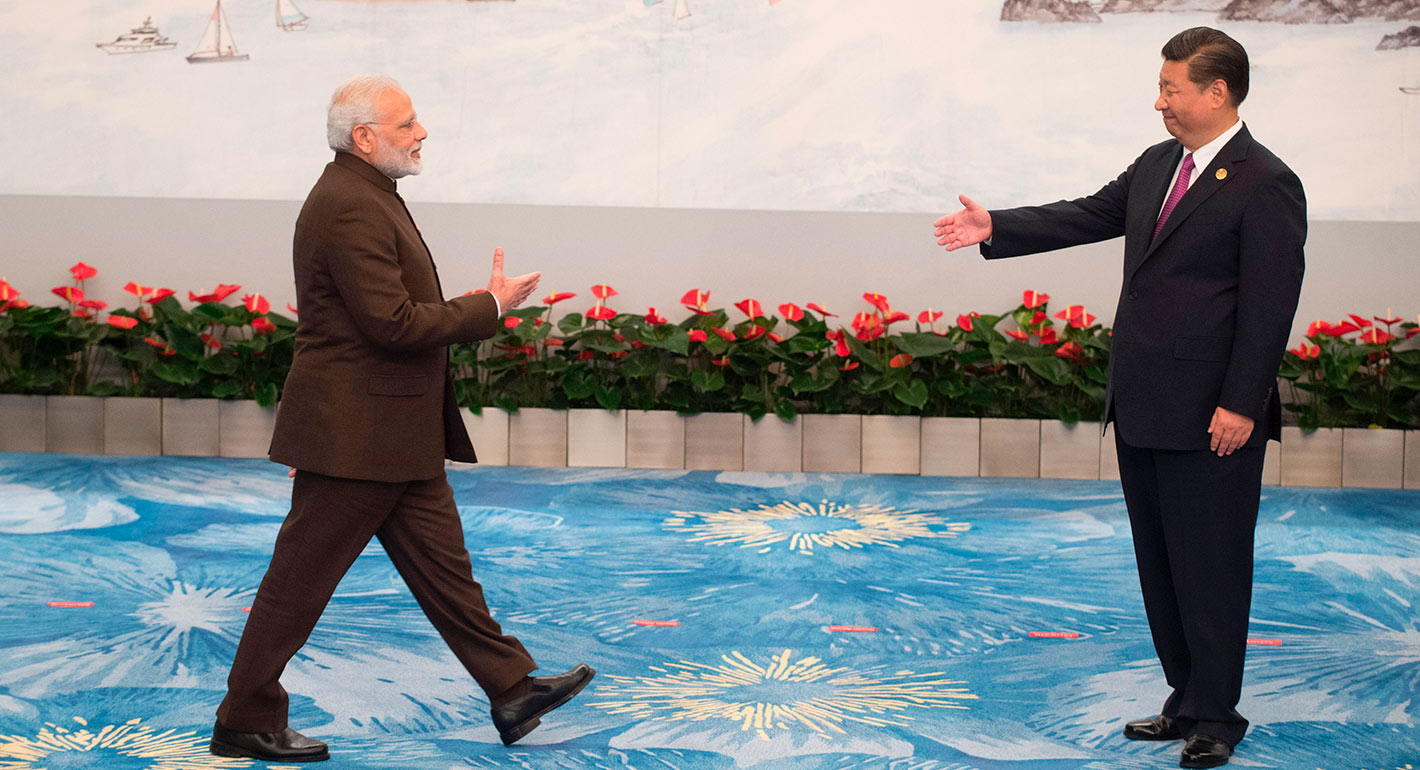
New Delhi’s efforts should be geared toward getting China to yet again calibrate its approach to India and Pakistan.
Source: Print
The Chinese People’s Liberation Army Air Force has sent a contingent of its J-10 fighter jets to participate in Pakistan’s National Day celebrations on 23 March. This is not the first time that Chinese aircraft have performed in Pakistan. Yet, coming on the heels of the recent India-Pakistan standoff, this is evidently an affirmation of China’s “all-weather” friendship with Pakistan.
China’s decision to impose yet again a technical hold on listing Masood Azhar on the United Nations’ list of terrorists has already complicated India’s diplomatic efforts against terrorism. Although the Prime Minister Narendra Modi-led government has taken a sober line on this issue and avoided a confrontational stance towards China, it is imperative for New Delhi to nudge Beijing towards a more balanced posture between India and Pakistan.

Nonresident Senior Fellow, Security Studies Program
Srinath Raghavan is a nonresident senior fellow at Carnegie India. His primary research focus is on the contemporary and historical aspects of India’s foreign and security policies.
Recent Work


Rajesh Bansal, Anirudh Burman, Rudra Chaudhuri, …
Srinath Raghavan
Carnegie does not take institutional positions on public policy issues; the views represented herein are those of the author(s) and do not necessarily reflect the views of Carnegie, its staff, or its trustees.
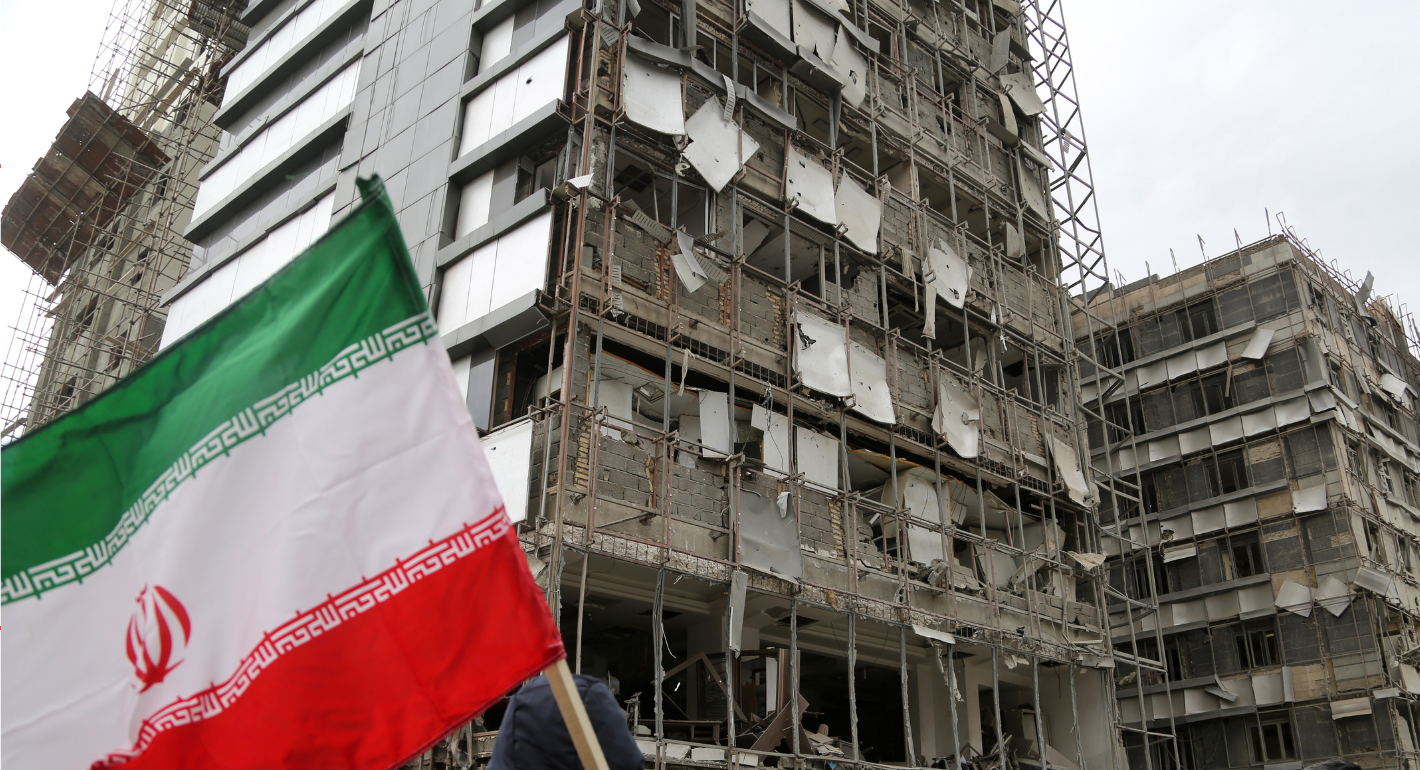
Europe’s reaction to the war in Iran has been disunited and meek, a far cry from its previously leading role in diplomacy with Tehran. To avoid being condemned to the sidelines while escalation continues, Brussels needs to stand up for international law.

Pierre Vimont
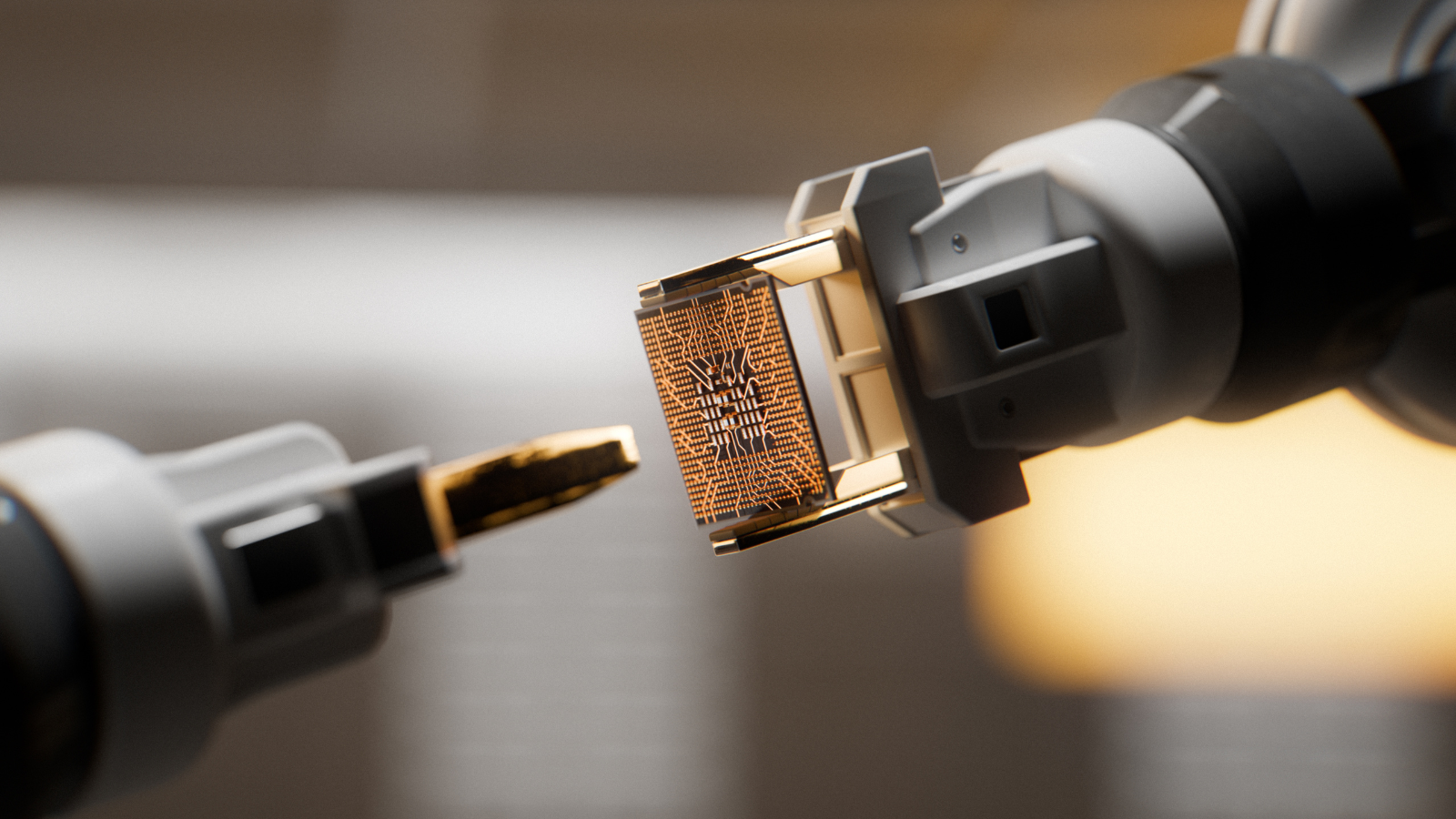
On the last day of the India AI Impact Summit, India signed Pax Silica, a U.S.-led declaration seemingly focused on semiconductors. While India’s accession to the same was not entirely unforeseen, becoming a signatory nation this quickly was not on the cards either.

Konark Bhandari
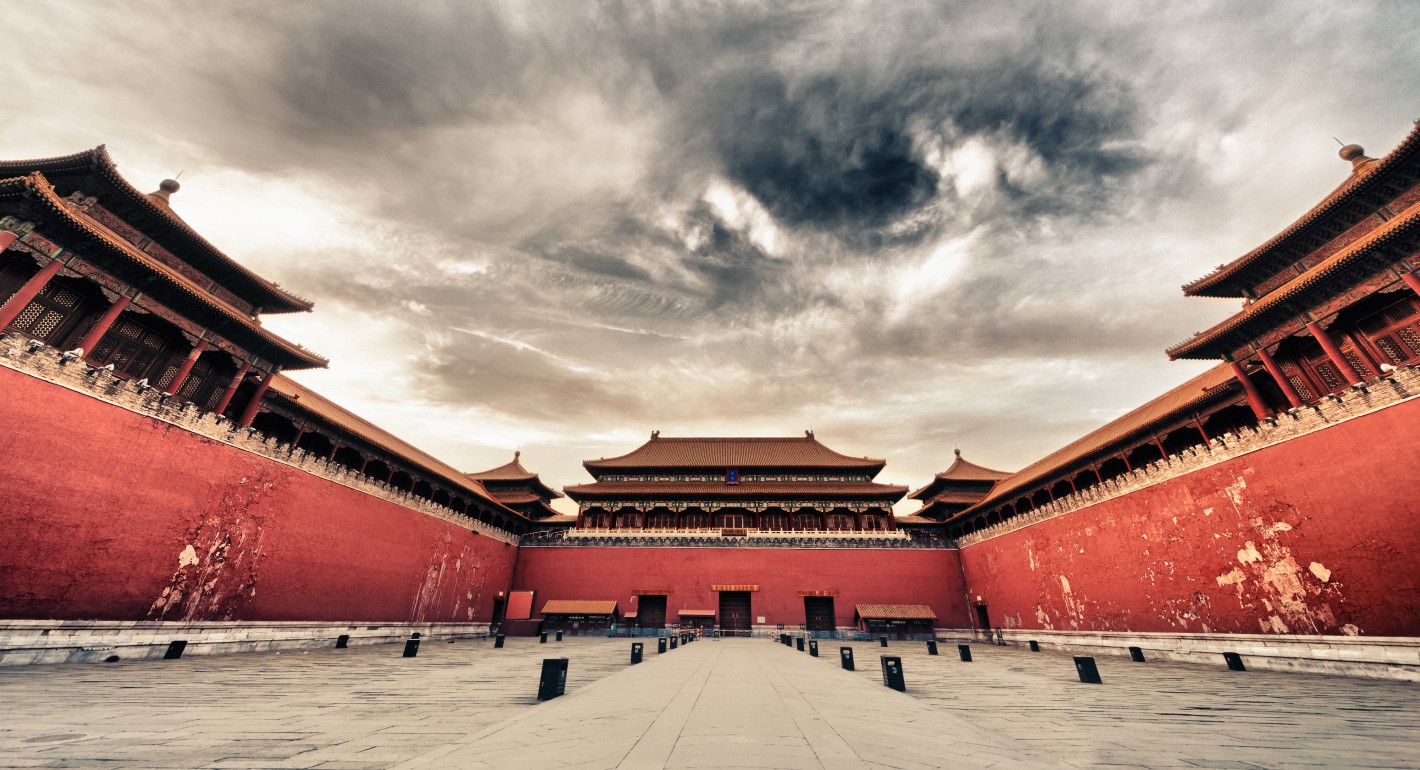
Arguing that Chinese policy is hung on alliances—with imputations of obligation—misses the point.

Evan A. Feigenbaum
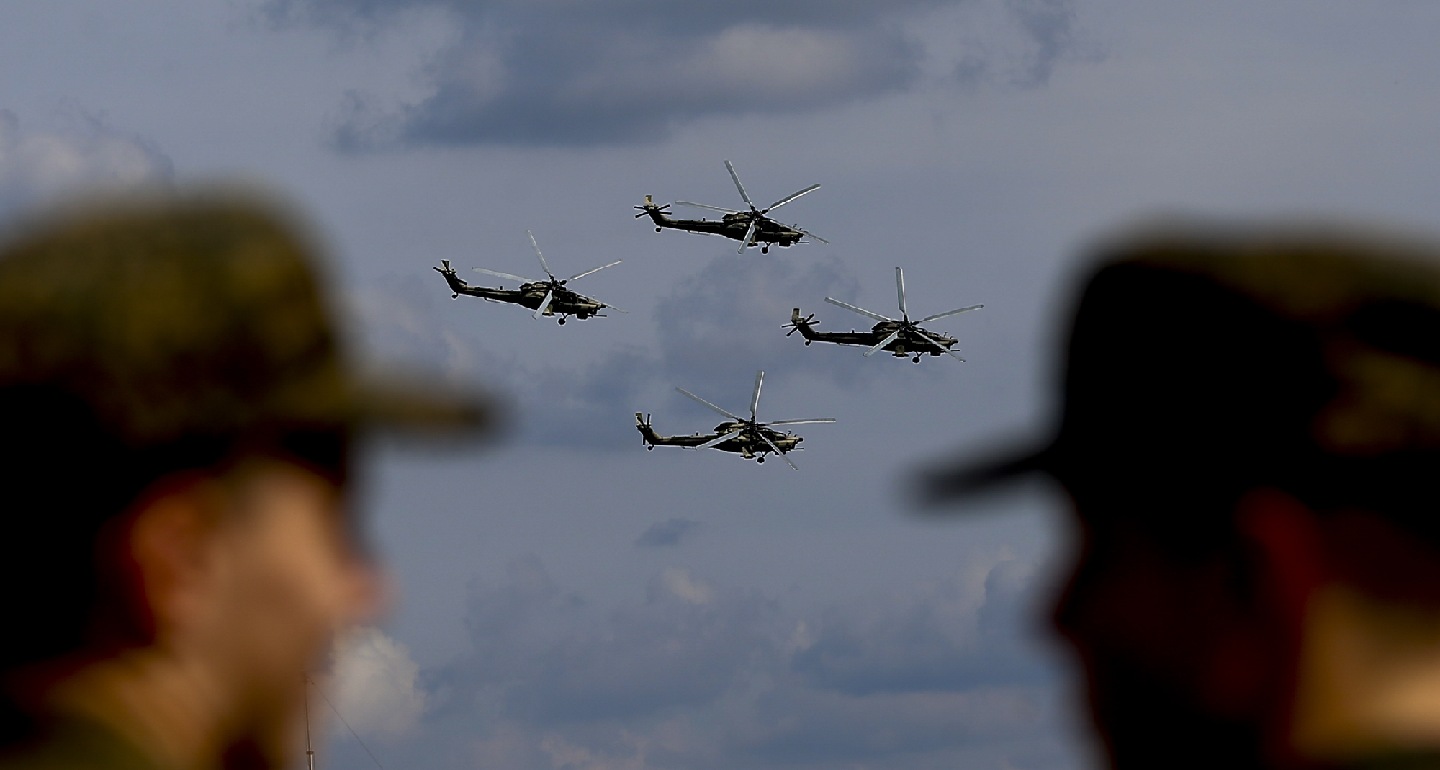
Arms supplies from Russia to Iran will not only continue, but could grow significantly if Russia gets the opportunity.

Nikita Smagin
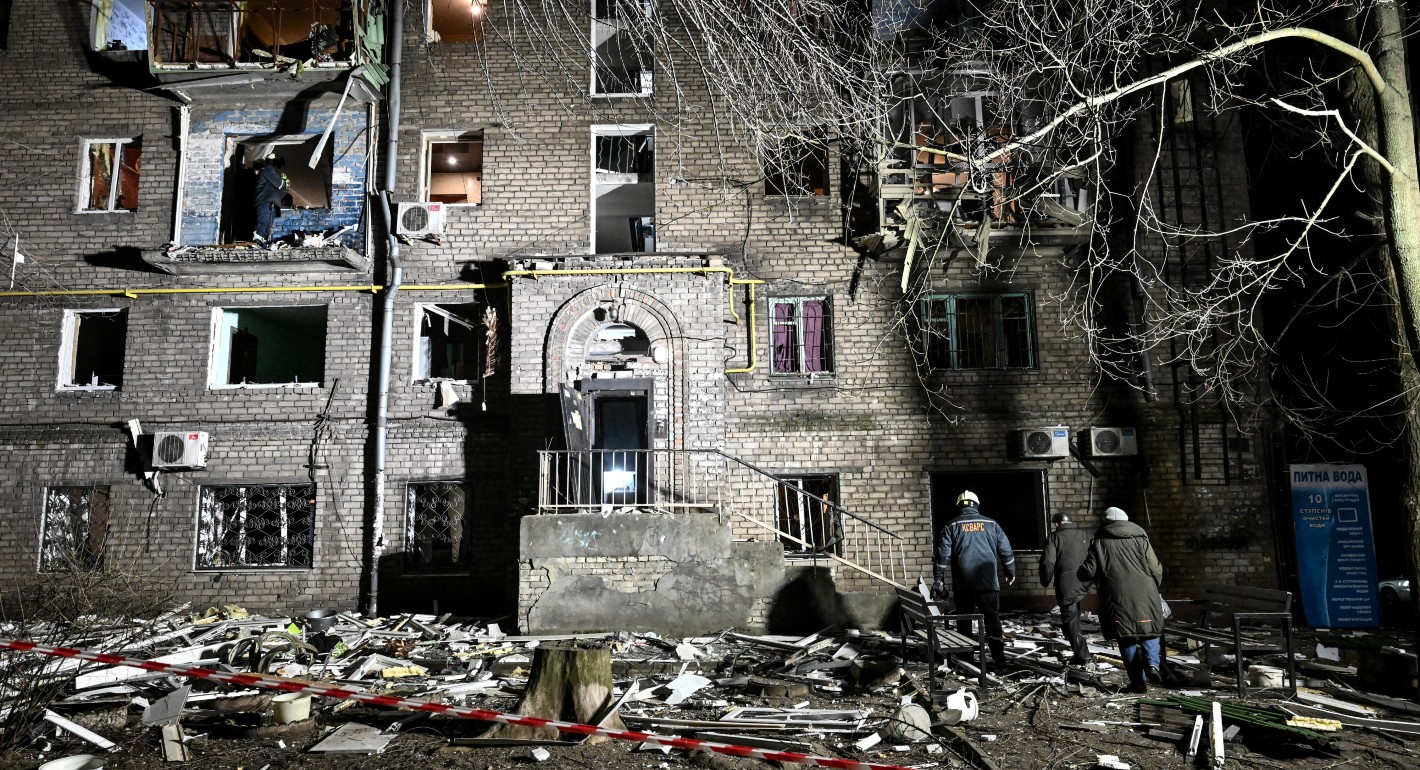
On the fourth anniversary of Russia’s full-scale invasion, Carnegie experts discuss the war’s impacts and what might come next.

Eric Ciaramella, Aaron David Miller, Alexandra Prokopenko, …