

Article
To carry out its global AI agenda, Washington will need strategic relationships with emerging markets in Africa, starting with Kenya.
Jane Munga
{
  "authors": [
    "James L. Schoff",
    "Satoru Mori"
  ],
  "type": "other",
  "centerAffiliationAll": "dc",
  "centers": [
    "Carnegie Endowment for International Peace"
  ],
  "collections": [],
  "englishNewsletterAll": "asia",
  "nonEnglishNewsletterAll": "",
  "primaryCenter": "Carnegie Endowment for International Peace",
  "programAffiliation": "AP",
  "programs": [
    "Asia"
  ],
  "projects": [],
  "regions": [
    "North America",
    "United States",
    "East Asia",
    "China",
    "Japan"
  ],
  "topics": [
    "Security",
    "Foreign Policy",
    "Technology"
  ]
}
Source: Getty
Techno-nationalism is resurgent in the world today, and it comes at a time of more intense strategic friction between the United States and China, compared to the U.S.-Japan trade battles and technology competition from three decades ago.
Source: Sasakawa Peace Foundation
Techno-nationalism is resurgent in the world today, and it comes at a time of more intense strategic friction between the United States and China, compared to the U.S.-Japan trade battles and technology competition from three decades ago. That was a relatively short-lived era of rivalry between allies, but this is likely to be a longer-term and intense competition with China that sees the United States and Japan on the same side for the most part, due to their wide range of shared interests.
This memo assesses the scope of evolving technology development challenges to the United States and Japan, summarizes some of the steps that both countries are taking to address these challenges—through a combination of access restriction and collaborative innovation—and recommends additional measures they can consider for protecting national and economic security without risking technological isolation. The memo focuses heavily on the unique role that the U.S-Japan alliance can play with regard to these challenges, given the two countries’ science and technology strengths, their shared regional and global interests, and their track record of basic science collaboration that spans more than fifty years.
This policy memorandum was originally published by the Sasakawa Peace Foundation.

Former Senior Fellow, Asia Program
James L. Schoff was a senior fellow in the Carnegie Asia Program. His research focuses on U.S.-Japan relations and regional engagement, Japanese technology innovation, and regional trade and security dynamics.
Satoru Mori
Satoru Mori is a professor in the Faculty of Law at Hosei University. He specializes in international relations, U.S. foreign policy and Cold War history.
Carnegie does not take institutional positions on public policy issues; the views represented herein are those of the author(s) and do not necessarily reflect the views of Carnegie, its staff, or its trustees.
To carry out its global AI agenda, Washington will need strategic relationships with emerging markets in Africa, starting with Kenya.
Jane Munga

Europe’s industrial supply chains leave it vulnerable to global shocks. The EU needs a pragmatic green industrial strategy that balances durable partnerships and bolsters homegrown clean tech without sacrificing low-carbon ambition.

Milo McBride, Pauline Gerard
Defense tech innovations will be at the heart of Europe’s new security strategy. But so far, Brussels has been making moves without a broader plan, undermining readiness and credibility.

Raluca Csernatoni
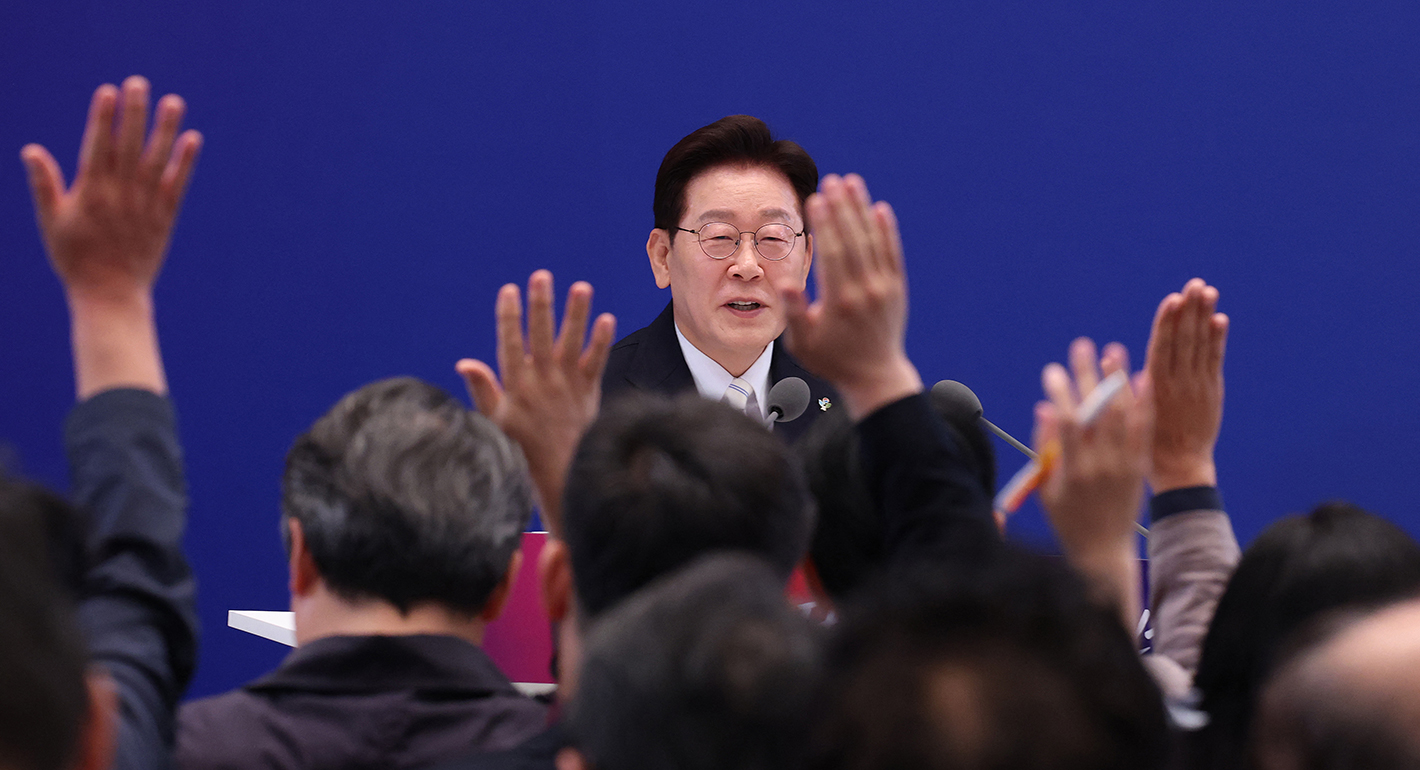
President Lee marked his first year in office after one of the most tumultuous periods in South Korean politics. Though Lee has enjoyed a high approval rating, a large majority in the National Assembly, and foreign policy victories, Lee and his party’s political fortunes depend on generating economic growth, learning the right lessons from the recent local elections, and managing contentious factional strife within his political base.
Chung Min Lee
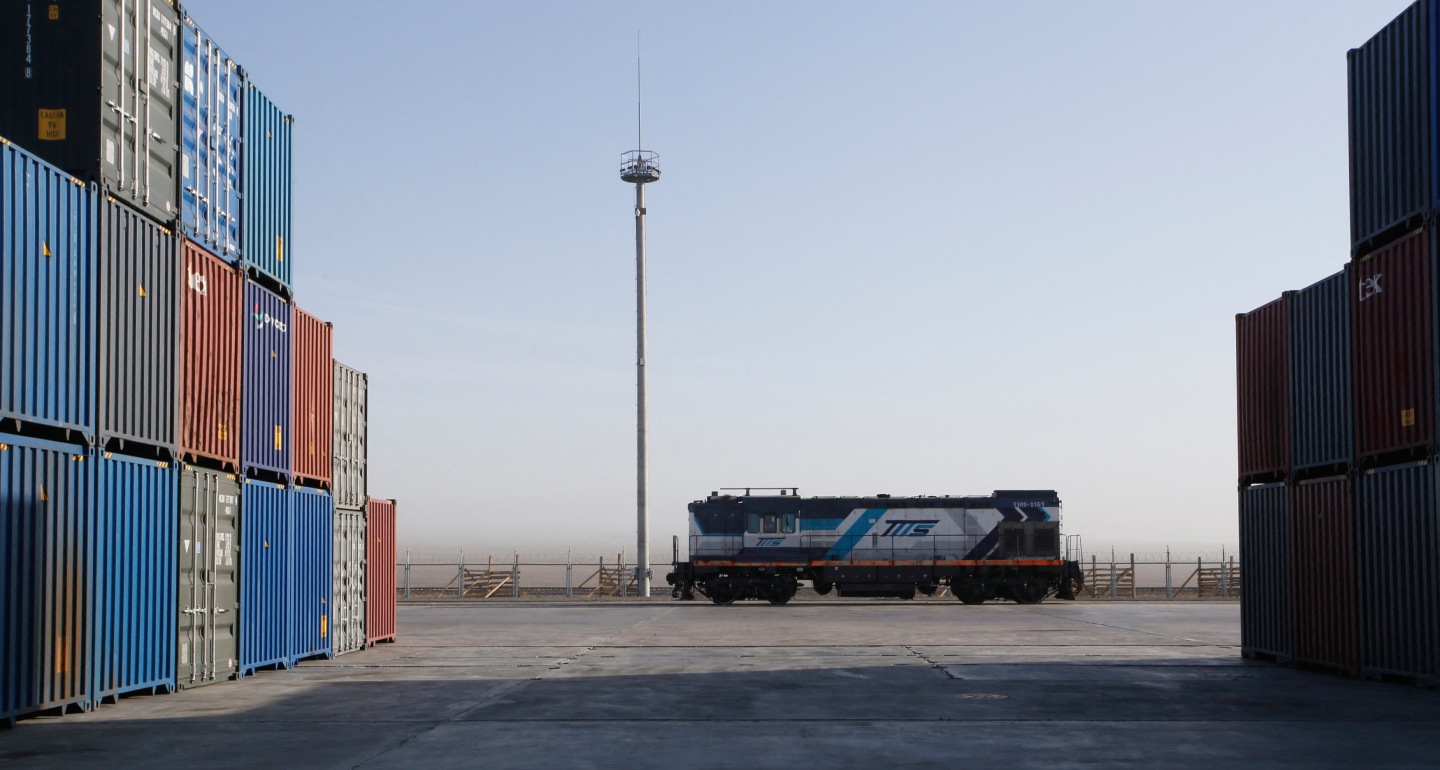
This year’s wars have made alternative routes to transit through Russia no less risky for Central Asian countries.

Galiya Ibragimova