

Article
Dan Baer
{
  "authors": [
    "Dan Baer"
  ],
  "type": "legacyinthemedia",
  "centerAffiliationAll": "",
  "centers": [
    "Carnegie Endowment for International Peace"
  ],
  "collections": [],
  "englishNewsletterAll": "",
  "nonEnglishNewsletterAll": "",
  "primaryCenter": "Carnegie Endowment for International Peace",
  "programAffiliation": "",
  "programs": [],
  "projects": [],
  "regions": [
    "North America",
    "United States",
    "East Asia",
    "China"
  ],
  "topics": [
    "Political Reform",
    "Foreign Policy"
  ]
}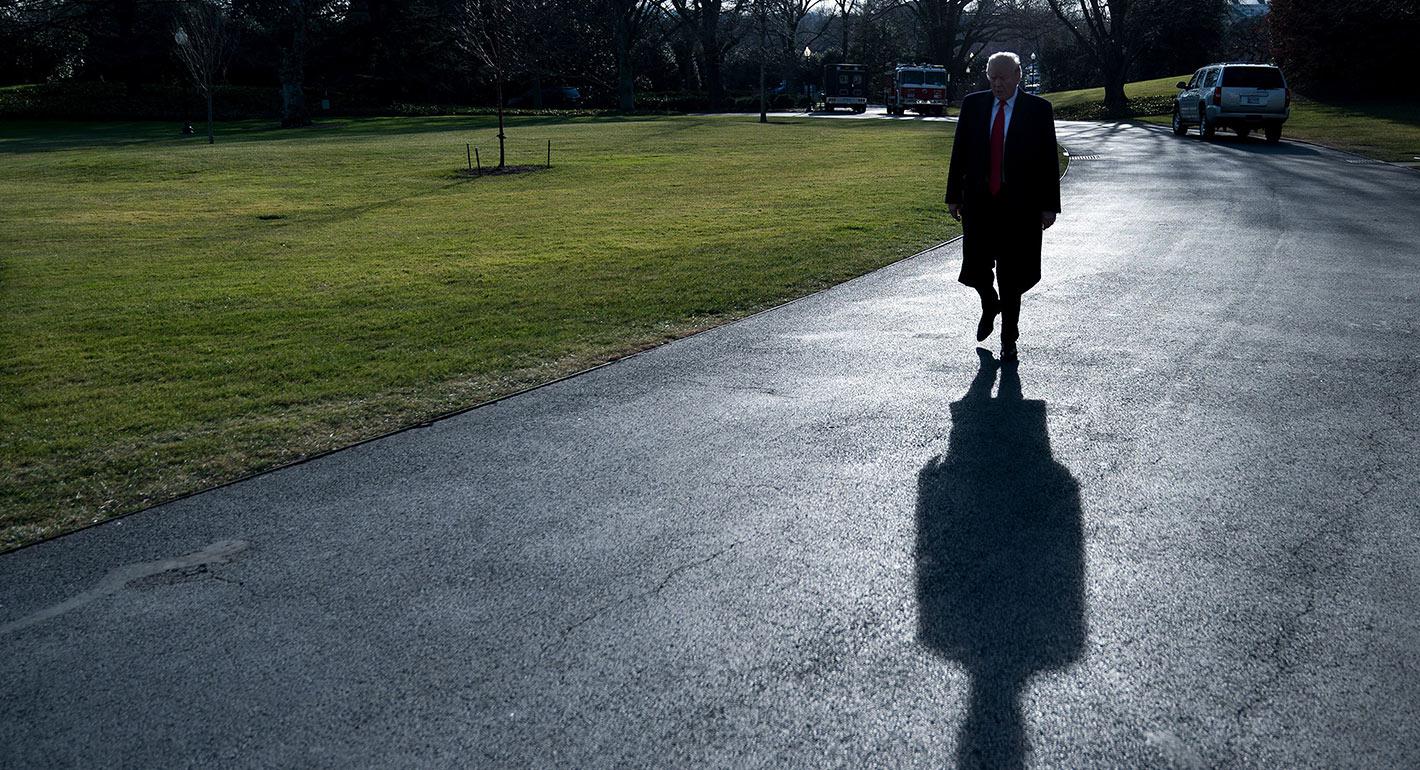
Source: Getty
The coronavirus pandemic has ushered in a new low-point for the already strained relationship between the U.S. and China—and it could get worse in the months ahead.
Source: Chinafile
The coronavirus pandemic has ushered in a new low-point for the already strained relationship between the U.S. and China—and it could get worse in the months ahead as the toll rises and there is more urgency to assign blame. At the White House press conference on Thursday, President Trump repeated his criticism of China for having kept the virus secret after it was first discovered in Hubei province, and argued that if it hadn’t done so the virus could have been contained there. Meanwhile, China’s foreign ministry is peddling insinuations of biological warfare, alleging that the virus was created by the U.S. military.
There is a crude geopolitical contest playing out, to be sure. But that contest is connected to domestic political realities in both countries, and in that regard, Trump is helping Xi Jinping immensely.
While the Trump administration has shown itself to be woefully incompetent at organizing key elements of the response to the pandemic—most importantly failing to make coronavirus testing available and accessible at the necessary scale and scope—it has been remarkably efficient at coordinating with Republicans in Congress and Fox News on calling the coronavirus the “Wuhan virus,” the “Chinese virus,” or even—according to a White House reporter—appallingly “Kung Flu.”
Thursday’s press conference concluded with an employee of the right wing propaganda network OANN arguing that Trump was being wrongly maligned by “major left wing news media” who called out the racist undertones (let’s be honest, they’re overtones) of his monikers. It wasn’t a real question, of course; it was intended to stoke the controversy over the language of the President.
Why? Because calling out Trump’s racism helps him. First, because it is part of what his base likes about him. And second, because it is so infuriating to anti-racists that it distracts us from the enormous failures of competence at the heart of the White House’s coronavirus response. We end up in a swirl of righteous indignation and well-founded concern over how Trump’s racism may encourage anti-Asian hate crimes in the U.S., rather than engaged in scrutiny of Trump’s record dealing with the pandemic. Trump is using racism as a political defense against being held accountable for having downplayed the threat that the virus poses, repeatedly lying about its progress, and failing to take responsible steps to address it—all of which have exacerbated enormous public health and economic crises that will have a devastating effect on people across the country.
Counterintuitively, Trump’s racism also helps China’s authoritarian leader, Xi Jinping. Xi is facing his own domestic political crisis. Like so much of its approach to governance, the Chinese government’s initial response to the epidemic was cruel and repressive, and it aroused popular anger that had not been seen, perhaps, since Tiananmen. And although draconian measures appear, for now, to have ended the acute public health crisis in China, they have ushered in an economic one. China is facing the prospect of not just dramatically slower growth but potentially negative growth for the first time since Deng Xiaoping began opening China’s economy. A shrinking economy poses an enormous threat to the Chinese Communist Party’s domestic political legitimacy. To the extent that a social contract exists in China, for a generation it has been: you don’t get rights, but you do get a growing economy.
Enter Donald Trump and his attempts to racialize the virus. Chinese state media are already amplifying Trump’s racist remarks and using them to consolidate public opinion behind the Chinese regime. Xi needed a new basis for legitimacy and Donald Trump has given it to him—he is defending China and Chinese people against American racism.
There is no question that China’s mishandling of the early weeks of the epidemic has had enormous consequences for China and now for the rest of the world. But Donald Trump’s failure to marshal the U.S. government’s capacity to prepare for the epidemic has left him looking—as usual—for ways to deflect responsibility. When he calls it the “Chinese virus” he’s not being tough on China, he’s playing right into the hands of China’s authoritarian regime.
Senior Vice President; Director, Europe Program
Dan Baer is a senior vice president of the Carnegie Endowment for International Peace and director of the Europe Program. Under President Obama, he was U.S. ambassador to the Organization for Security and Cooperation in Europe (OSCE) and he also served deputy assistant secretary of state for the Bureau of Democracy, Human Rights, and Labor.
Recent Work


Richard Youngs, Erik Jones, Dan Baer, …
Carnegie does not take institutional positions on public policy issues; the views represented herein are those of the author(s) and do not necessarily reflect the views of Carnegie, its staff, or its trustees.
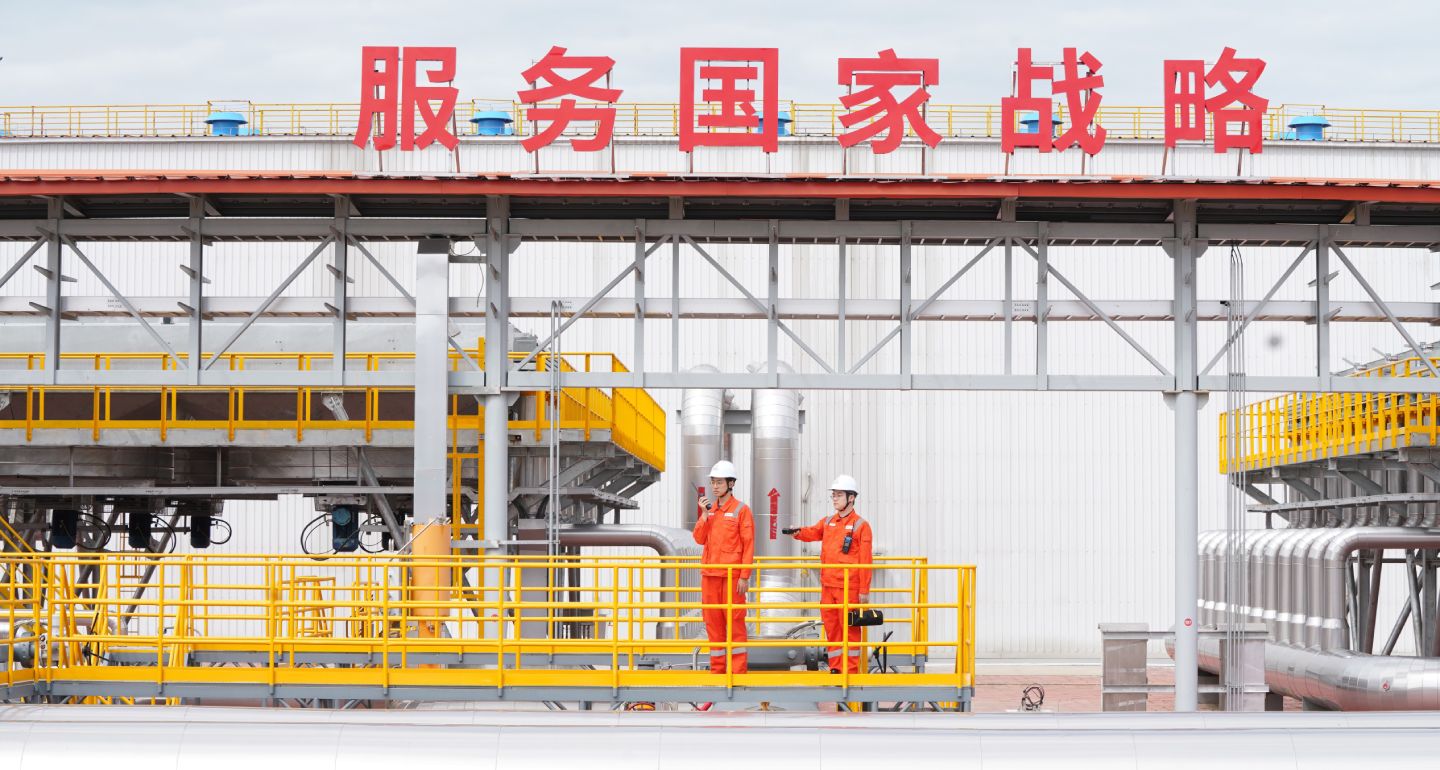
A leak of Russian gas price data helps establish that China is paying Russia far less than Central Asian countries and Gazprom’s former European customers.

Sergey Vakulenko

China’s political future will be shaped between now and next October. As the Communist Party enters its intense “campaign season” to prepare for a major political transition in 2027, reading Beijing's actions and responses may become more difficult as domestic politics weigh on its behavior more than usual.

Damien Ma

The EU can impose sanctions but struggles to enforce them without the United States. With Washington increasingly disinterested in backing European interests, the bloc must now fend for itself.


Nicu Popescu, Tiago Antunes
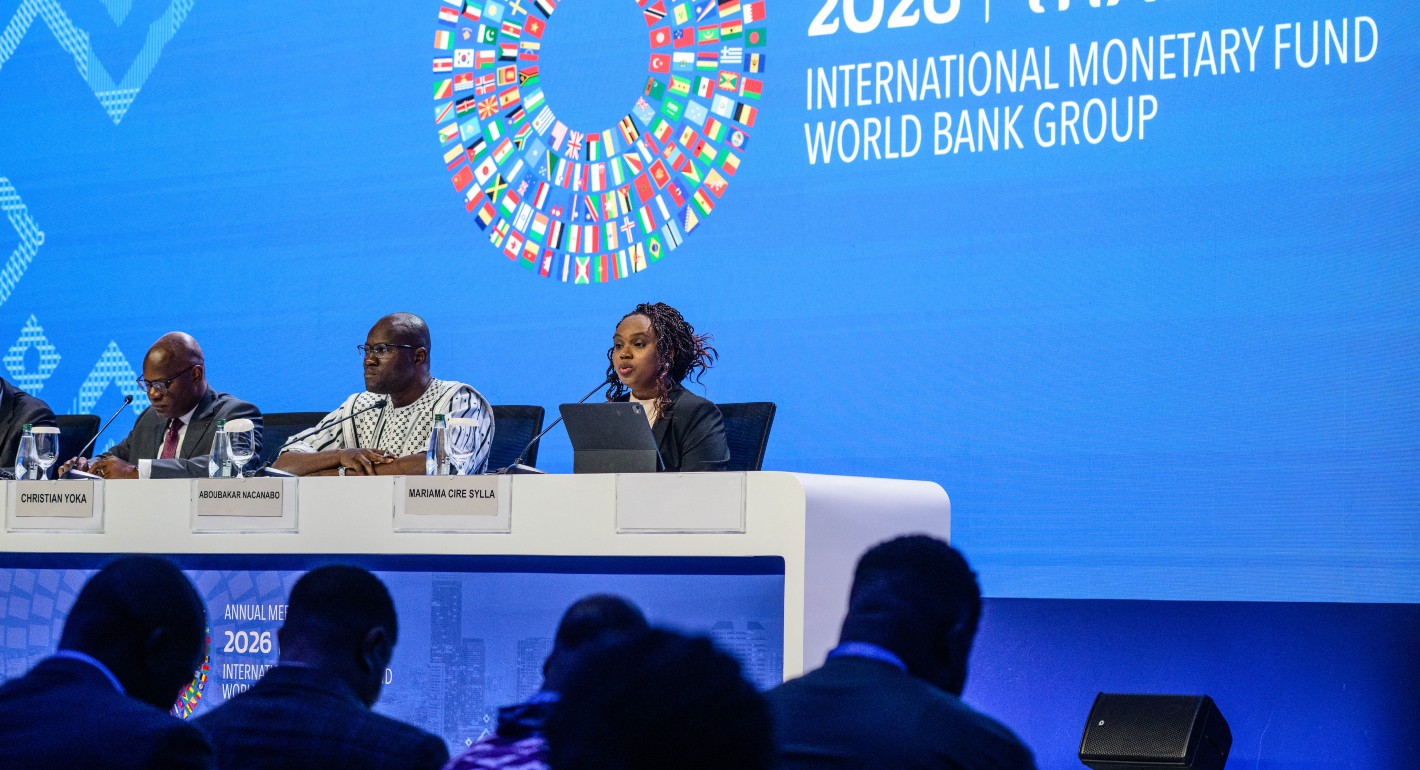
Global and rising powers will need to engage with Africa’s priorities and agency in order to secure the continent’s increasingly attractive partnerships.
Fonteh Akum
Rubio’s recent visit brought welcome attention, but more capital requires governance changes that may be a hard sell for regional governments.

Jennifer B. Murtazashvili