

Commentary
Stefan Lehne
{
  "authors": [
    "Stefan Lehne"
  ],
  "type": "other",
  "centerAffiliationAll": "dc",
  "centers": [
    "Carnegie Endowment for International Peace",
    "Carnegie Europe"
  ],
  "collections": [
    "EU Integration and Enlargement"
  ],
  "englishNewsletterAll": "ctw",
  "nonEnglishNewsletterAll": "",
  "primaryCenter": "Carnegie Europe",
  "programAffiliation": "EP",
  "programs": [
    "Europe"
  ],
  "projects": [],
  "regions": [
    "Europe",
    "Eastern Europe",
    "Western Europe",
    "Iran"
  ],
  "topics": [
    "Foreign Policy",
    "EU",
    "Security"
  ]
}
Source: Getty
The EU’s foreign policy principles were envisioned for a more benign international environment. But growing great-power tensions are forcing the EU to adapt its policies to the new international reality.
Source: Institute for Democracy “Societas Civilis”
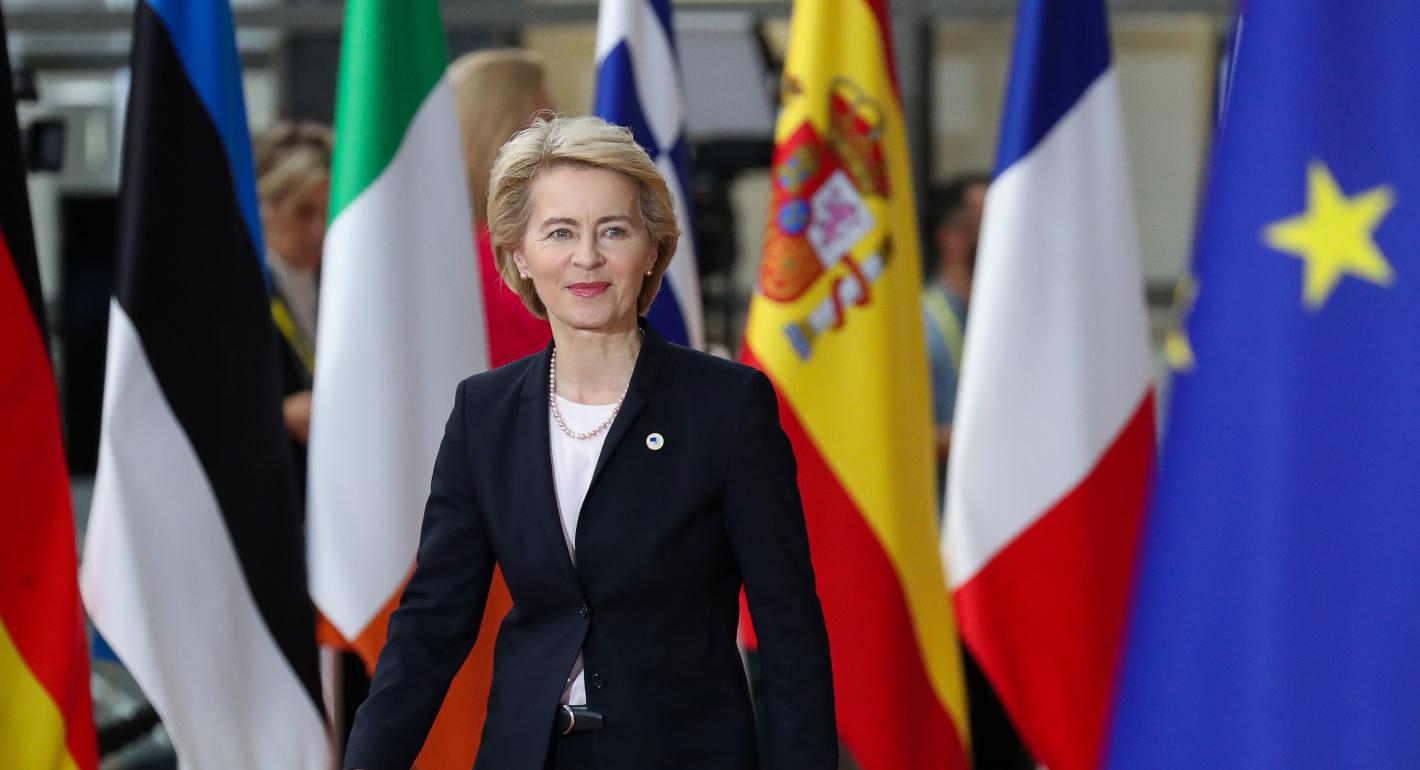
The change in the EU’s institutional cycle in late 2019 came with an unfamiliar type of rhetoric. The new European Commission president, Ursula von der Leyen, spoke of establishing a “geopolitical commission.” Both she and the EU’s new foreign policy chief, Josep Borrell, insisted that the union must now “learn the language of power.”
This new language of power and geopolitics jars in many European ears because it runs counter to the EU’s long-held understanding of its place in the world. From the very beginning in the 1950s, European integration was conceived to overcome the legacy of power politics that had brought war and conflict to Europe.
That this concept succeeded over several decades was to considerable extent due to a particular geopolitical context. European integration developed in an international system shaped and dominated by the United States. It was mostly the U.S. security guarantee and its global leadership role that afforded the Europeans the luxury of leaving geopolitics behind.
After the end of the Cold War, the U.S. position at first remained preeminent. EU leaders now considered themselves Washington’s principal partners in constructing a rules-based liberal global order based on democracy and the market economy. But this dream began to fall apart about fifteen years ago. It had become clear that Russia would not transition to a liberal democracy, as many in the West had hoped in the 1990s. Rather, it would consolidate as an authoritarian state committed to securing an extensive zone of influence. It also became evident that the rise of hundreds of millions of Chinese out of poverty would not be accompanied by progress toward liberalization and pluralism. China would combine economic success with one-party rule, disproving the West’s dogma that economic development and democracy were intrinsically linked.

Senior Fellow, Carnegie Europe
Stefan Lehne is a senior fellow at Carnegie Europe in Brussels, where his research focuses on the post–Lisbon Treaty development of the European Union’s foreign policy, with a specific focus on relations between the EU and member states.
Recent Work
Stefan Lehne
Stefan Lehne
Carnegie does not take institutional positions on public policy issues; the views represented herein are those of the author(s) and do not necessarily reflect the views of Carnegie, its staff, or its trustees.
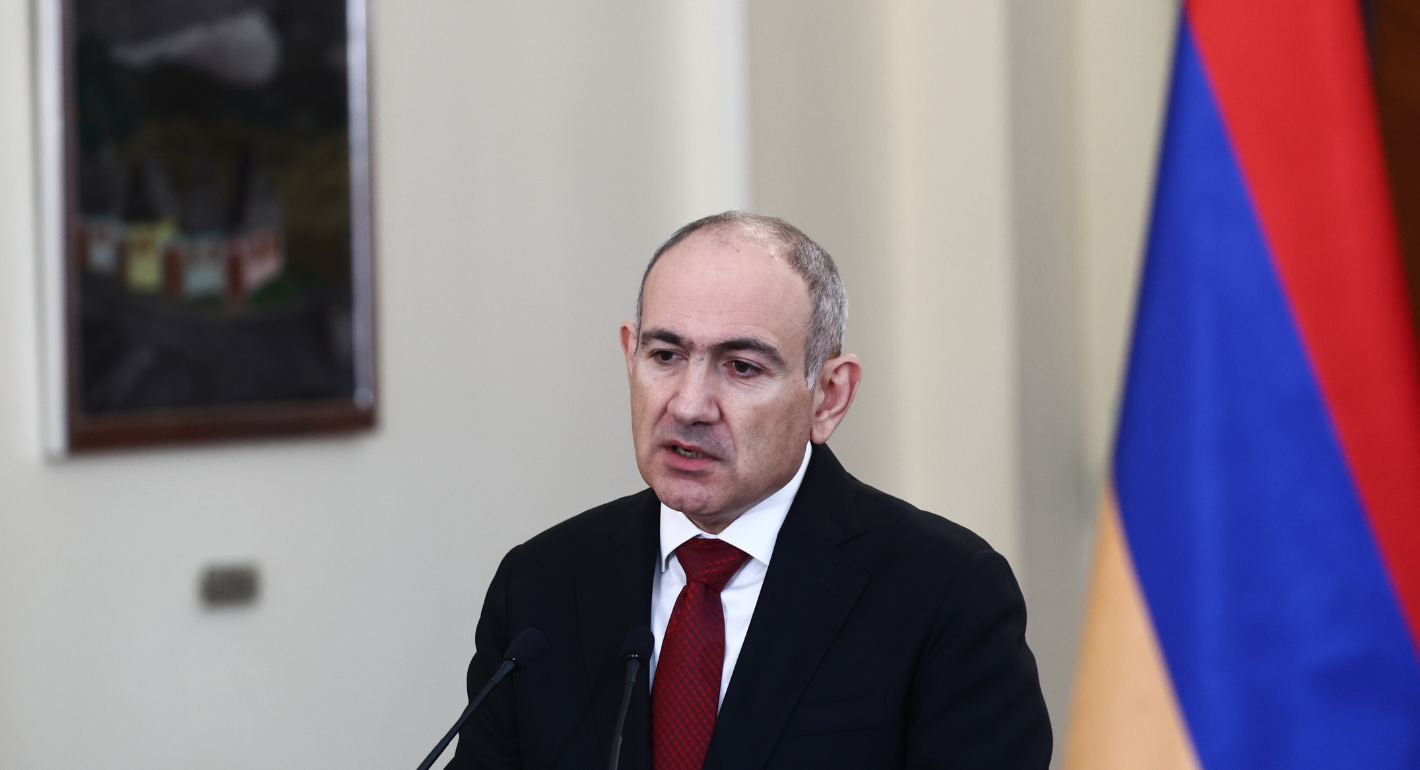
Europe has an interest in supporting Armenian leader Nikol Pashinyan as he tries to make peace with neighbors and loosen ties with Russia. But it is depersonalized support in the long term, not quickfire flash, that will win the day.

Thomas de Waal
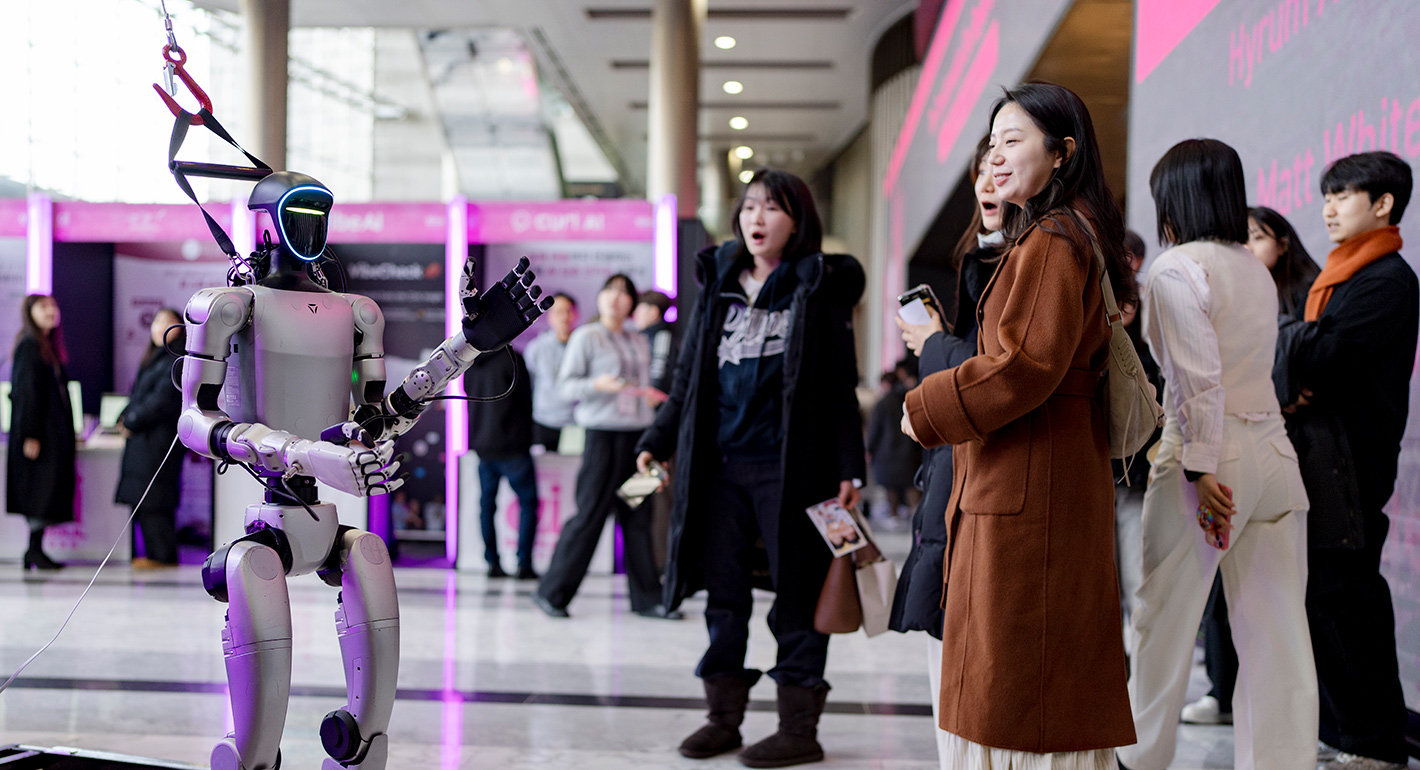
In its version of an AI middle power strategy, Seoul is pursuing alignment with the United States not as an endpoint but as a strategy to build industrial and geopolitical leverage. Whether this balance holds remains an open question.

Darcie Draudt-Véjares, Seungjoo Lee
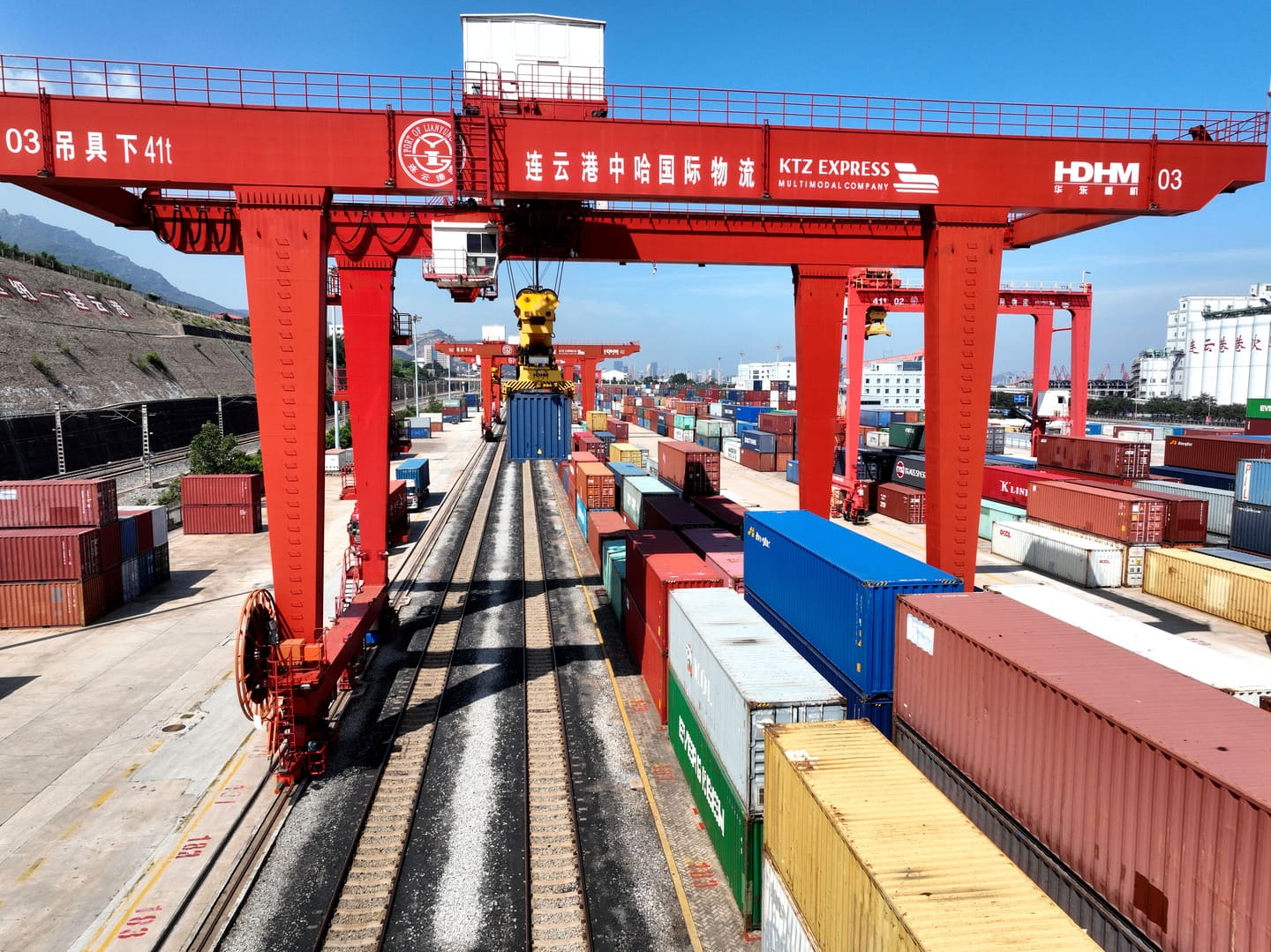
For the Middle Corridor to fulfill its promises, one of these routes must become scalable. At present, neither is.
Friedrich Conradi
If Washington cannot adapt to the ongoing transformations of a multipolar world, its superiority will become a liability.

Amr Hamzawy
Following Ursula von der Leyen’s gaffe equating Turkey to Russia and China, relations with Ankara risk deteriorating even further. Without better, more consistent diplomatic messaging, how can the EU pretend to be a geopolitical power?

Sinan Ülgen