• Research
  • Emissary
  • About
  • Experts
Carnegie Global logoCarnegie lettermark logo
DemocracyIran
  • Donate
{
  "authors": [
    "Cornelius Adebahr"
  ],
  "type": "legacyinthemedia",
  "centerAffiliationAll": "dc",
  "centers": [
    "Carnegie Endowment for International Peace",
    "Carnegie Europe"
  ],
  "collections": [
    "Iranian Proliferation"
  ],
  "englishNewsletterAll": "ctw",
  "nonEnglishNewsletterAll": "",
  "primaryCenter": "Carnegie Europe",
  "programAffiliation": "EP",
  "programs": [
    "Europe"
  ],
  "projects": [],
  "regions": [
    "North America",
    "United States",
    "Middle East",
    "Iran",
    "Western Europe"
  ],
  "topics": [
    "Foreign Policy",
    "Security",
    "Nuclear Policy"
  ]
}
REQUIRED IMAGE

REQUIRED IMAGE

In The Media
Carnegie Europe

Iran: Back to the Nuclear Deal

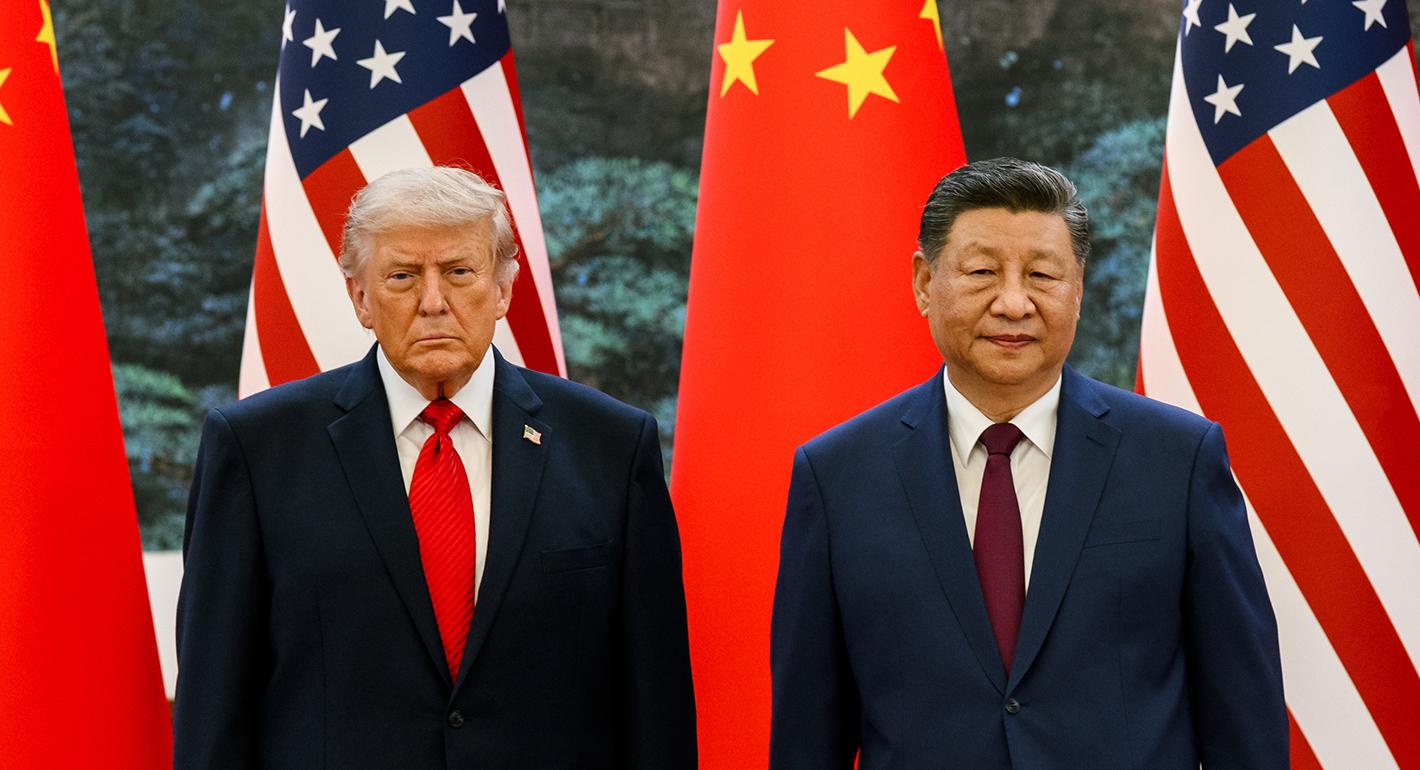
While a successful Iran nuclear deal is far from guaranteed, alternatives to diplomacy are bleak. The United States’ apparent unwillingness to signal its intention to honor the agreement, Iran’s nuclear progress, and rising tensions between Washington and Beijing stand in the way of a renewed compromise.

Link Copied
By Cornelius Adebahr
Published on Dec 30, 2021
Program mobile hero image

Program

Europe

The Europe Program in Washington explores the political and security developments within Europe, transatlantic relations, and Europe’s global role. Working in coordination with Carnegie Europe in Brussels, the program brings together U.S. and European policymakers and experts on strategic issues facing Europe.

Learn More

Italian Institute for International Political Studies

About the Author

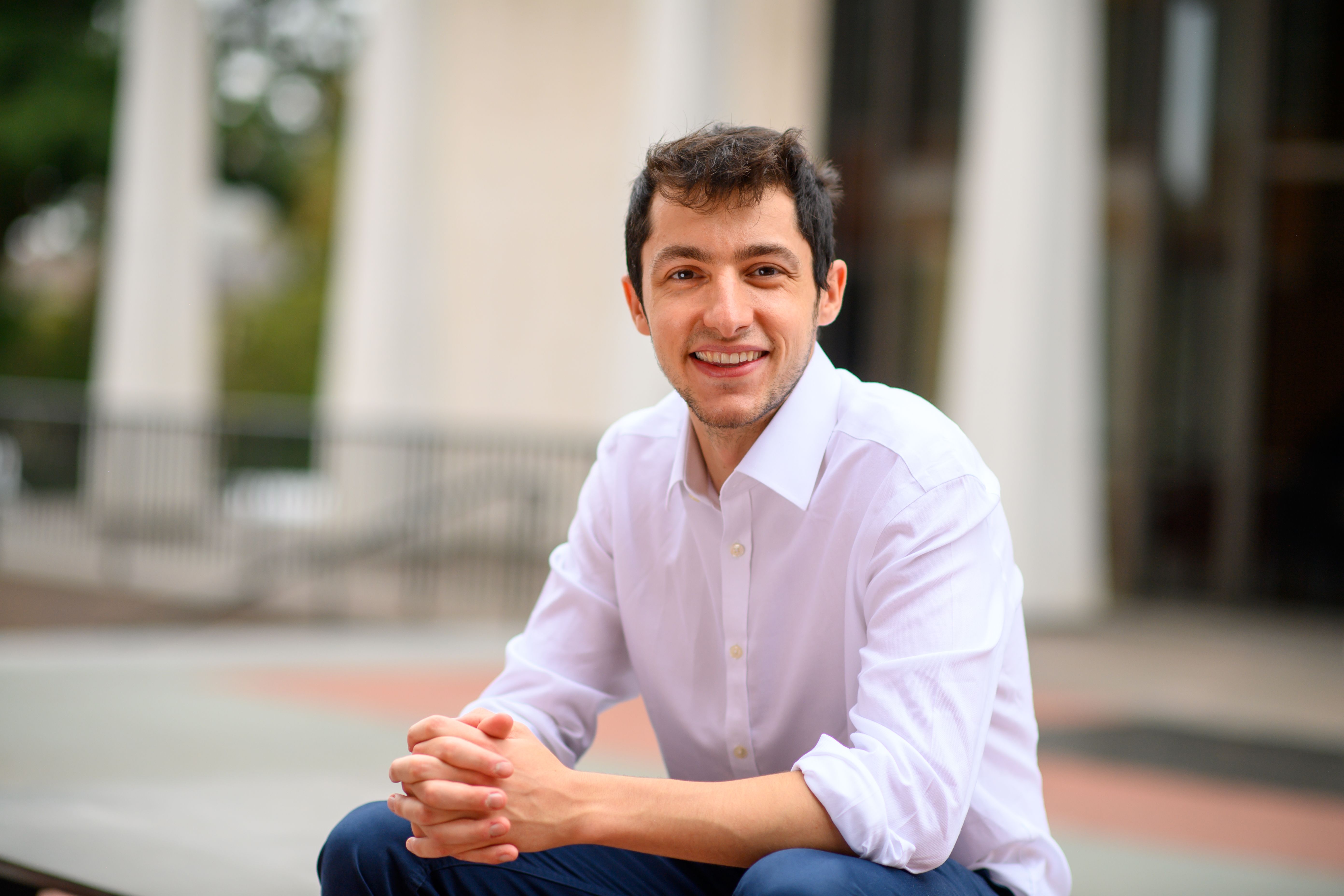
Cornelius Adebahr

Former Nonresident Fellow, Carnegie Europe

Cornelius Adebahr was a nonresident fellow at Carnegie Europe. His research focuses on foreign and security policy, in particular regarding Iran and the Persian Gulf, on European and transatlantic affairs, and on citizens’ engagement.

    Recent Work

  • Commentary
    EU-Iran: Time to Revisit Assumptions and Strategize

      Cornelius Adebahr

  • Research
    Making an Inclusive EU Strategy on Iran a Reality

      Cornelius Adebahr, Barbara Mittelhammer

Cornelius Adebahr
Former Nonresident Fellow, Carnegie Europe
Cornelius Adebahr
Foreign PolicySecurityNuclear PolicyNorth AmericaUnited StatesMiddle EastIranWestern Europe

Carnegie does not take institutional positions on public policy issues; the views represented herein are those of the author(s) and do not necessarily reflect the views of Carnegie, its staff, or its trustees.

More Work from Carnegie Endowment for International Peace

  • Commentary
    Diwan
    Tehran’s Easy Targets

    In an interview, Andrew Leber discusses the impact the U.S. and Israeli war against Iran is having on Arab Gulf states.

      Michael Young

  • Mourners hold up their phones showing images of Ali Khamenei during a memorial vigil after Iranian state media confirmed the death of Ayatollah Ali Khamenei on March 1, 2026 in Tehran, Iran.
    Article
    Iran Wields Wartime Internet Access as a Political Tool

    In an effort to disseminate its preferred message, the Iranian regime is offering a simple transaction: connectivity for amplification.

      Mahsa Alimardani

  • Commentary
    Diwan
    The Gulf Conflict and the South Caucasus

    In an interview, Sergei Melkonian discusses Armenia’s and Azerbaijan’s careful balancing act among the United States, Israel, and Iran.

      Armenak Tokmajyan

  • Soldier looking at a drone on the ground
    Collection
    Conflict, Security, and Peacemaking

    Domestic and international conflicts present myriad challenges for leaders, militaries, and civilians, including the effects of new technological capabilities on the conduct of war, the effectiveness of security strategies, and the intricacies of post-conflict peacemaking. Carnegie scholars provide timely analyses to address these and other related questions.

  • Commentary
    Strategic Europe
    Europe and the Arab Gulf Must Come Together

    The war in Iran proves the United States is now a destabilizing actor for Europe and the Arab Gulf. From protect their economies and energy supplies to safeguarding their territorial integrity, both regions have much to gain from forming a new kind of partnership together.

      • Rym Momtaz

      Rym Momtaz

Get more news and analysis from
Carnegie Endowment for International Peace
Carnegie global logo, stacked
1779 Massachusetts Avenue NWWashington, DC, 20036-2103Phone: 202 483 7600Fax: 202 483 1840
  • Research
  • Emissary
  • About
  • Experts
  • Donate
  • Programs
  • Events
  • Blogs
  • Podcasts
  • Contact
  • Annual Reports
  • Careers
  • Privacy
  • For Media
  • Government Resources
Get more news and analysis from
Carnegie Endowment for International Peace
© 2026 Carnegie Endowment for International Peace. All rights reserved.