• Research
  • Emissary
  • About
  • Experts
Carnegie Global logoCarnegie lettermark logo
DemocracyIran
  • Donate
{
  "authors": [
    "Andrew S. Weiss"
  ],
  "type": "legacyinthemedia",
  "centerAffiliationAll": "dc",
  "centers": [
    "Carnegie Endowment for International Peace"
  ],
  "collections": [],
  "englishNewsletterAll": "ctw",
  "nonEnglishNewsletterAll": "",
  "primaryCenter": "Carnegie Endowment for International Peace",
  "programAffiliation": "russia",
  "programs": [
    "Russia and Eurasia"
  ],
  "projects": [],
  "regions": [
    "Russia",
    "Eastern Europe",
    "Ukraine"
  ],
  "topics": [
    "Security",
    "Foreign Policy"
  ]
}
REQUIRED IMAGE

REQUIRED IMAGE

In The Media

U.S. Relocates Embassy Operations In Ukraine As Russia Threatens To Invade

It is really hard to embarrass the Kremlin. They have a tendency to out-brazen and to basically deny everything.
Link Copied
By Andrew S. Weiss
Published on Feb 14, 2022
Program mobile hero image

Program

Russia and Eurasia

The Russia and Eurasia Program continues Carnegie’s long tradition of independent research on major political, societal, and security trends in and U.S. policy toward a region that has been upended by Russia’s war against Ukraine.  Leaders regularly turn to our work for clear-eyed, relevant analyses on the region to inform their policy decisions.

Learn More

About the Author

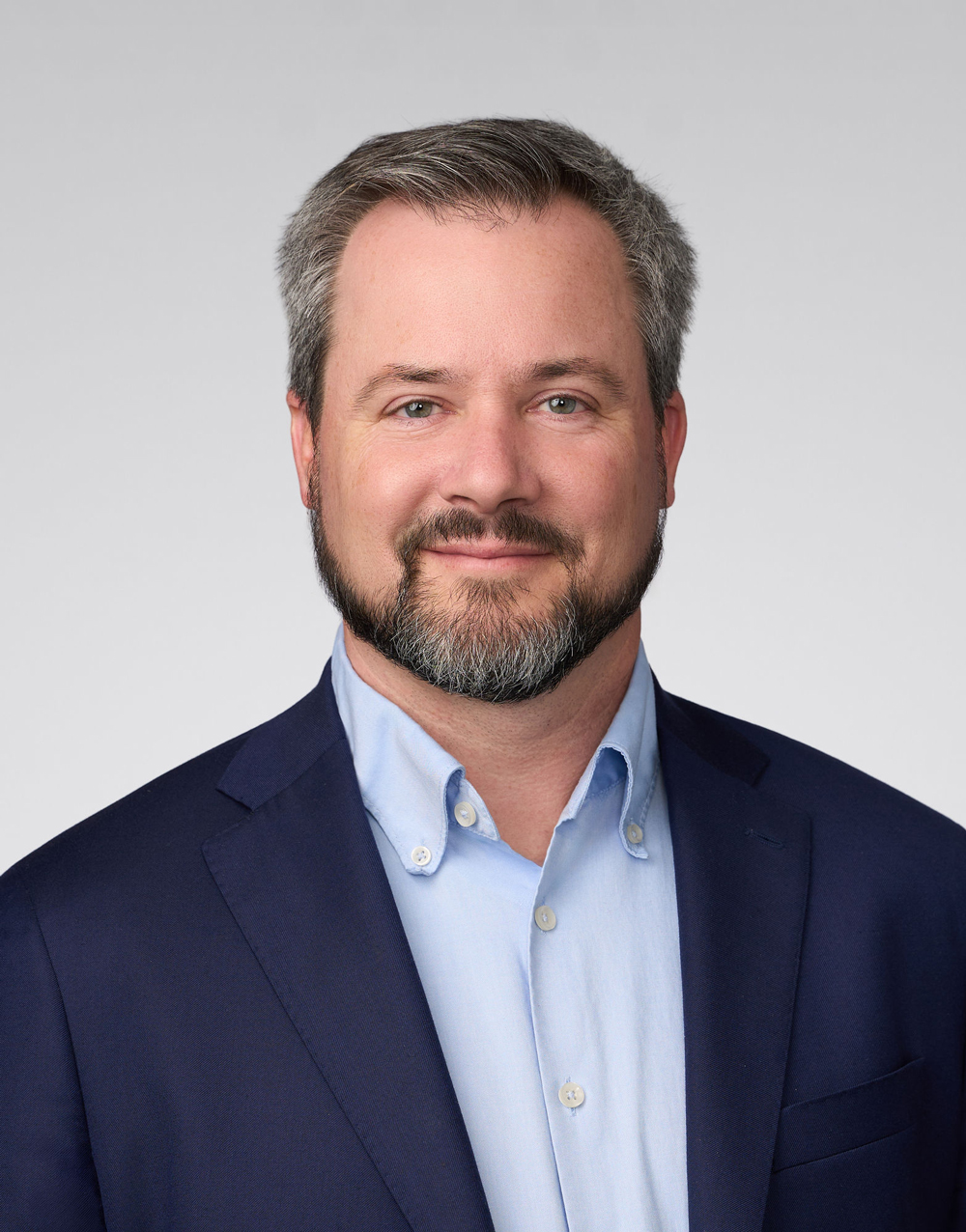
Andrew S. Weiss

James Family Chair, Vice President for Studies

Andrew S. Weiss is the James Family Chair and vice president for studies at the Carnegie Endowment for International Peace, where he oversees research on Russia, Ukraine, and Eurasia. His graphic novel biography of Vladimir Putin, Accidental Czar: the Life and Lies of Vladimir Putin, was published by First Second/Macmillan in 2022.

    Recent Work
  • Q&A
    Is the Russia-Ukraine War Vibe Shift Real?

      Dara Massicot, Aaron David Miller, Andrew S. Weiss

  • Research
    Russia in Africa: Examining Moscow’s Influence and Its Limits
      • Nate Reynolds
      • +11

      Frances Z. Brown, Nate Reynolds, Priyal Singh, …

Andrew S. Weiss
James Family Chair, Vice President for Studies
Andrew S. Weiss
SecurityForeign PolicyRussiaEastern EuropeUkraine

Carnegie does not take institutional positions on public policy issues; the views represented herein are those of the author(s) and do not necessarily reflect the views of Carnegie, its staff, or its trustees.
More Work from Carnegie Endowment for International Peace

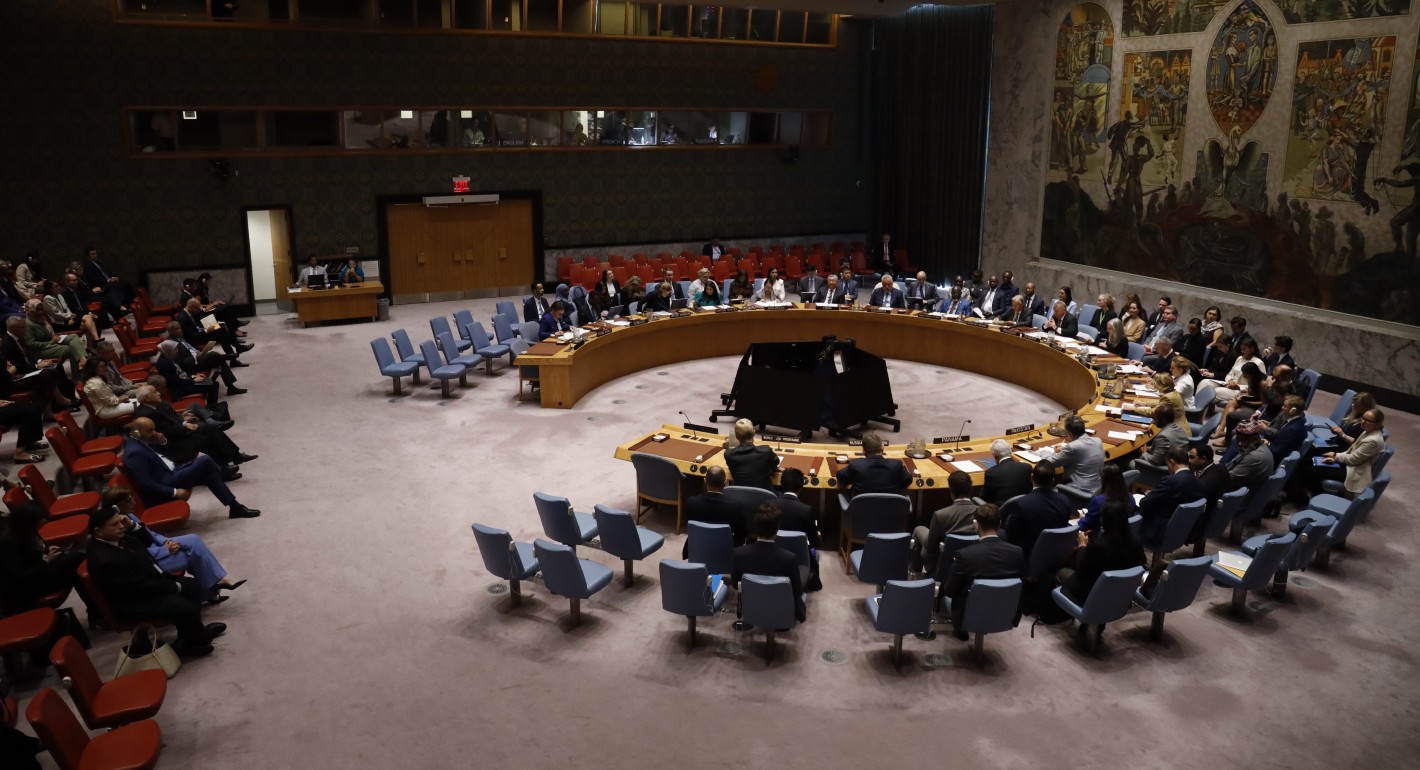
  • circles of chairs in a large, formal room
    Commentary
    Emissary
    The UN Security Council Is Deadlocked on Climate. New Members Have a Path Forward.

    They face an uphill climb, but they could draw on a strategy that other diplomats have used in the past.


      • Shana Tabak headshot
      • Alejandro Rodriguez

      Shana Tabak, Alejandro Martin Rodriguez
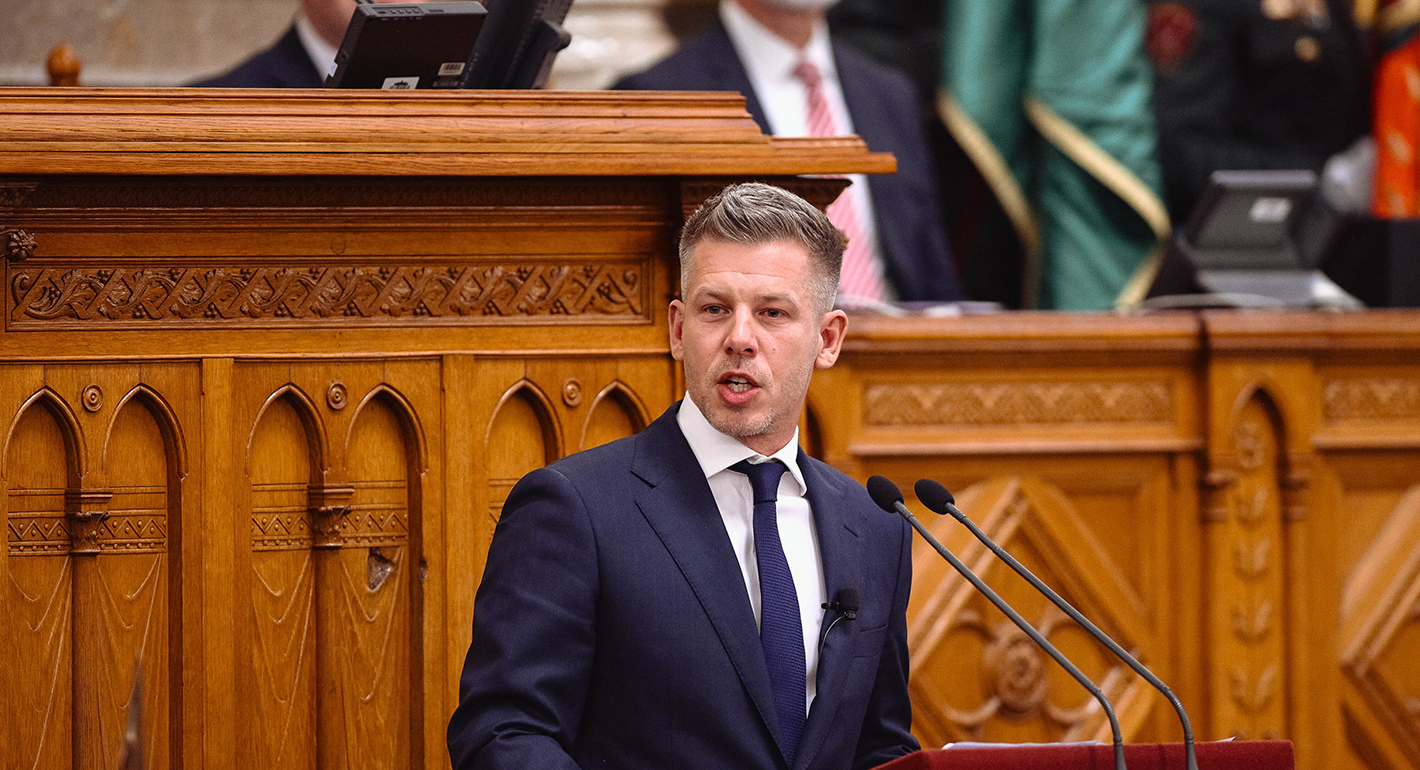
  • Peter Magyar delivers his first official speech after he was sworn into the parliament as the new Prime Minister of Hungary under the TISZA party, during today's inaugural session of the Hungarian Parliament, in Budapest, Hungary on 9 May 2026.
    Article
    How Is Hungary’s New Government Doing?

    Despite myriad challenges and occasional stumbles, the new Hungarian government is moving ahead with energy and conviction to uproot years of illiberalism and corruption and rebuild Hungarian democracy.

      Thomas Carothers

  • Commentary
    Strategic Europe
    The Speech Ursula von der Leyen Can’t Deliver

    European Commission President Ursula von der Leyen is about to give her annual address on the state of the EU. Here’s what she won’t—but should—say.

      • Rym Momtaz

      Rym Momtaz

  • Commentary
    Carnegie Politika
    The Kremlin Can No Longer Postpone Hard Economic Decisions

    Depleted financial reserves and a shrinking tax base mean it is no longer possible to simultaneously deliver high defense spending, price stability, and economic growth.

      Alexandra Prokopenko

  • Photo of black smoke rising from an Iranian oil facility after an airstrike.
    Article
    The Iran War’s Climate, Environmental, and Human Security Fallout

    Understanding the climatic pain points is necessary for policymakers hoping to minimize the war’s negative environmental consequences.


      • Alejandro Rodriguez
      • Joy Arkeh
      • Sarah Yerkes

      Alejandro Martin Rodriguez, Joy Arkeh, Sarah Yerkes

Get more news and analysis from
Carnegie Endowment for International Peace
Carnegie global logo, stacked
1779 Massachusetts Avenue NWWashington, DC, 20036-2103Phone: 202 483 7600
  • Research
  • Emissary
  • About
  • Experts
  • Donate
  • Programs
  • Events
  • Blogs
  • Podcasts
  • Contact
  • Annual Reports
  • Careers
  • Privacy
  • For Media
  • Government Resources
Get more news and analysis from
Carnegie Endowment for International Peace
© 2026 Carnegie Endowment for International Peace. All rights reserved.