• Research
  • Emissary
  • About
  • Experts
Carnegie Global logoCarnegie lettermark logo
DemocracyIran
  • Donate
{
  "authors": [
    "Philippe Le Corre"
  ],
  "type": "legacyinthemedia",
  "centerAffiliationAll": "dc",
  "centers": [
    "Carnegie Endowment for International Peace"
  ],
  "collections": [],
  "englishNewsletterAll": "ctw",
  "nonEnglishNewsletterAll": "",
  "primaryCenter": "Carnegie Endowment for International Peace",
  "programAffiliation": "EP",
  "programs": [
    "Europe"
  ],
  "projects": [],
  "regions": [
    "East Asia",
    "China",
    "Western Europe",
    "Iran"
  ],
  "topics": [
    "Economy",
    "Foreign Policy"
  ]
}
REQUIRED IMAGE

REQUIRED IMAGE

In The Media

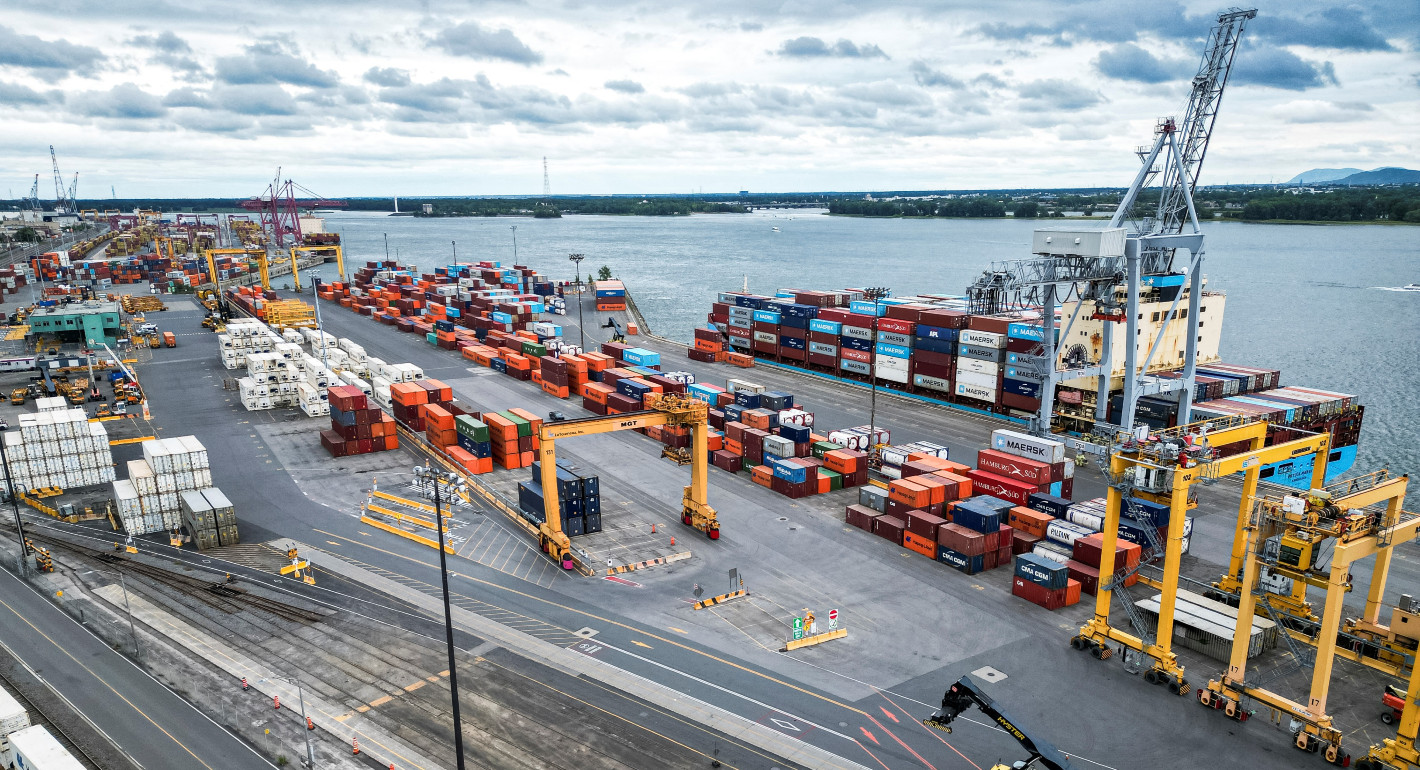
Europe’s China Policy Has Taken a Sharp Turn. Where Will It Go Next?

It will take a while for China to digest this meeting and the fact that the West appears united. But a growing negative European sentiment vis-a-vis China (including in business circles, in the media, and among certain politicians) might start to hurt Chinese interests in Europe.

Link Copied
By Philippe Le Corre
Published on Apr 14, 2022
Program mobile hero image

Program

Europe

The Europe Program in Washington explores the political and security developments within Europe, transatlantic relations, and Europe’s global role. Working in coordination with Carnegie Europe in Brussels, the program brings together U.S. and European policymakers and experts on strategic issues facing Europe.

Learn More

China File

About the Author

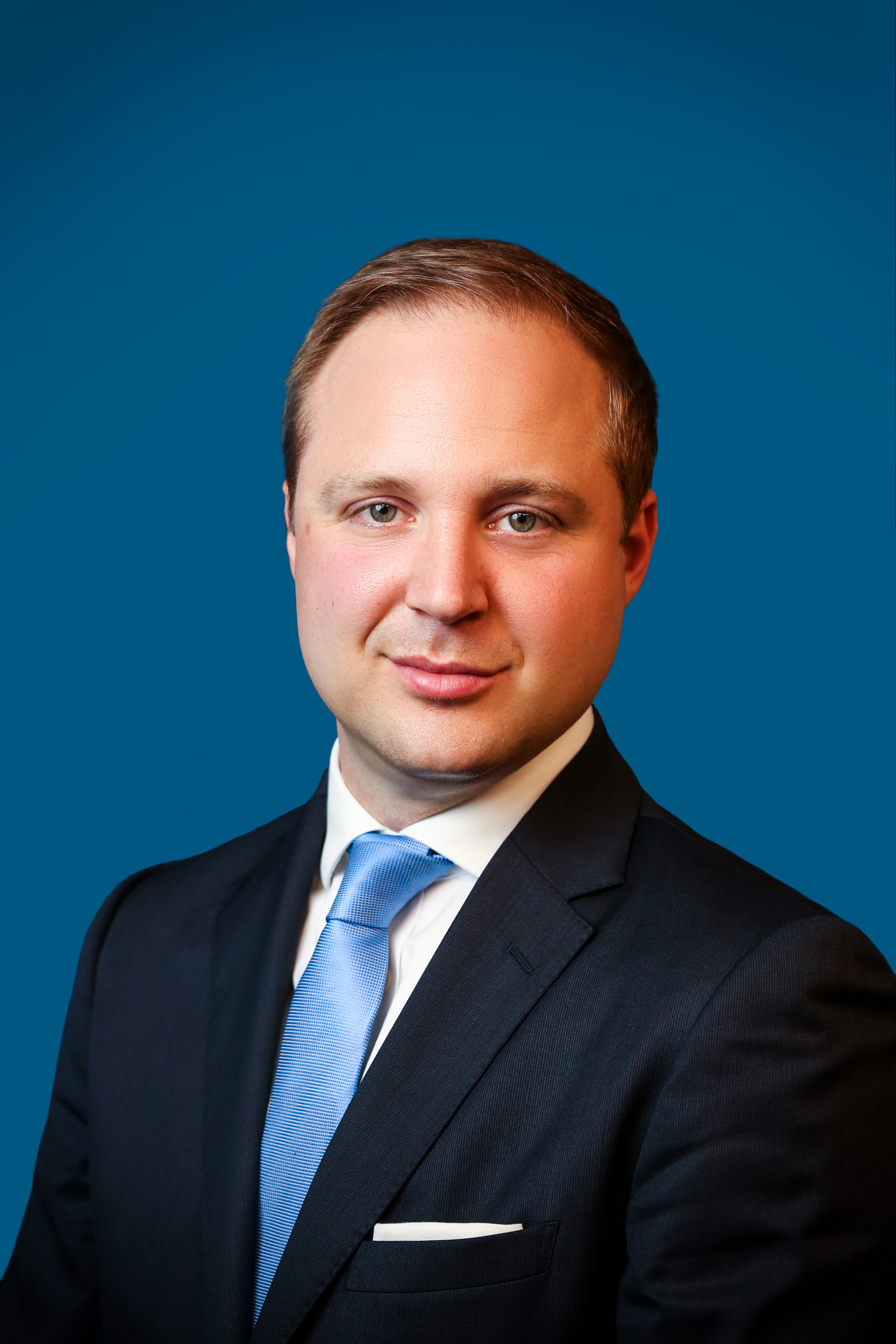
Philippe Le Corre

Former Nonresident Senior Fellow, Europe Program

Philippe Le Corre was a nonresident senior fellow in the Europe Program at the Carnegie Endowment for International Peace.

    Recent Work

  • Q&A
    Russia’s Invasion of Ukraine Has Jeopardized the China-EU Relationship

      Paul Haenle, Philippe Le Corre

  • Paper
    China’s Influence in Southeastern, Central, and Eastern Europe: Vulnerabilities and Resilience in Four Countries
      • +1

      Erik Brattberg, Philippe Le Corre, Paul Stronski, …

Philippe Le Corre
Former Nonresident Senior Fellow, Europe Program
EconomyForeign PolicyEast AsiaChinaWestern EuropeIran

Carnegie does not take institutional positions on public policy issues; the views represented herein are those of the author(s) and do not necessarily reflect the views of Carnegie, its staff, or its trustees.

More Work from Carnegie Endowment for International Peace

  • Gas station attendant gesturing while a woman gets her motorcycle refilled
    Commentary
    Emissary
    Fuel Subsidies Are an Easy Fix for the Iran War’s Energy Price Shock—and the Wrong One

    Instead, governments should adopt climate-friendly measures to address the impact of rising prices.

      • Henok Asmelash

      Henok Asmelash

  • Servers
    Article
    The Geopolitical Debates Over Controlling Cloud Compute

    If U.S. policymakers continue down the path of restricting China’s access to frontier AI, they will eventually have to implement some sort of restriction on cloud access.

      Noah Tan

  • Commentary
    Strategic Europe
    Europeans Are Quiet Quitting the United States

    European leaders have now not only lost faith in Donald Trump’s U.S. presidency, but also in America’s hegemony as a whole. But short-term challenges make an immediate divorce unwise.

      • Rym Momtaz

      Rym Momtaz

  • Commentary
    Carnegie Politika
    Azerbaijan Looks to Tap Ukraine’s Military Expertise With Raft of New Deals

    Baku’s backing for Ukraine is less about confronting Russia than about quietly broadening the mix of partners it relies on.

      Zaur Shiriyev

  • A Ukrainian flag is seen attached to a burned car at the site of a heavily damaged residential building following Russian air strike in the city of Ternopil, on November 19, 2025, amid the Russian invasion of Ukraine.
    Paper
    In Fraught Geopolitical Times, Accountability for Russian Aggression Remains Crucial Despite U.S. Policy Reversals

    As the war in Ukraine enters its fifth year, it is worth examining where accountability efforts currently stand, how U.S. policy on Russian aggression has shifted, and what the Ukrainian experience reveals about the challenges of holding international aggressors to account.

      • Federica D'Alessandra

      Federica D’Alessandra

Get more news and analysis from
Carnegie Endowment for International Peace
Carnegie global logo, stacked
1779 Massachusetts Avenue NWWashington, DC, 20036-2103Phone: 202 483 7600
  • Research
  • Emissary
  • About
  • Experts
  • Donate
  • Programs
  • Events
  • Blogs
  • Podcasts
  • Contact
  • Annual Reports
  • Careers
  • Privacy
  • For Media
  • Government Resources
Get more news and analysis from
Carnegie Endowment for International Peace
© 2026 Carnegie Endowment for International Peace. All rights reserved.