

Article
Kenji Kushida
{
  "authors": [
    "Kenji Kushida"
  ],
  "type": "other",
  "centerAffiliationAll": "dc",
  "centers": [
    "Carnegie Endowment for International Peace"
  ],
  "collections": [
    "Startup Japan",
    "Innovative Japan, Global Japan"
  ],
  "englishNewsletterAll": "asia",
  "nonEnglishNewsletterAll": "",
  "primaryCenter": "Carnegie Endowment for International Peace",
  "programAffiliation": "AP",
  "programs": [
    "Asia"
  ],
  "projects": [
    "Startup Japan"
  ],
  "regions": [
    "East Asia",
    "Japan"
  ],
  "topics": [
    "Economy",
    "Technology"
  ]
}
Source: Getty
Japan's startup ecosystem, which grew as a relatively peripheral segment of Japan’s economy throughout much of its recent history, is now front and center in getting attention from the government and big business.
Startup Japan is a multipart series covering Japan’s rapidly maturing startup ecosystem. In the government’s June 7, 2022, announcement of its new economic strategy, Kishida Fumio's administration included an aggressive vision for Japan’s startup ecosystem—a goal to increase the number of startups tenfold over the next five years. It is also set to use part of its $1.5 trillion pension fund, the world’s largest, to provide venture capital financing to boost the startup ecosystem.
So what is the status of Japan’s startup ecosystem, and what is the best way to go about understanding it? While the conventional wisdom and dominant narrative outside Japan—and to many inside Japan—is that Japan’s startup ecosystem is small, failing, or insignificant, the pieces in this series demonstrate that Japan’s startup ecosystem has actually spent years maturing and is currently on track to play a significant role in Japan’s political economy.
However, the role of Japan’s startup ecosystem will not be the same as that of Silicon Valley in the U.S. economy. In the United States, venture-capital-financed, fast-growth startups displaced and disrupted countless industries and incumbent large firms to become a pillar of the entire economy, venture capital became a critical component of the U.S. innovation system, and Silicon Valley produced many of the world’s most highly valued and cash-rich firms. Japan’s large firms are unlikely to be displaced by its startups. Instead, given that Japan’s political economy has suffered from rigidity and inflexibility, now that startups are partnering with large firms in various ways and enjoying social legitimacy of levels unseen in at least the past sixty years, Japan’s startup ecosystem can play a vital role in injecting flexibility, influencing the trajectory of large firms, and providing a much-needed venue for dynamism and growth.
This new framing is solidly supported by a wide range of evidence and company case studies, but since the conventional wisdom about Japan’s “small” startup ecosystem is predominant in most existing analyses and common narratives, a short, simple analysis will not suffice. Hence, this series will cover multiple aspects of Japan’s startup ecosystem in digestible chunks.
Of course, there is still much work to be done to further develop Japan’s startup ecosystem, and there are helpful measures the Japanese government can take. The U.S. government can also be helpful in this regard. It is critical, however, that a proper framing of startup ecosystems and their various components underlie the policy discussions.
In sum:
This research is based on over ten years of research on Japan’s startup ecosystem, gathering data and following developments, companies, people, governments, and regulations as they evolved.
At the base of every discussion about startup ecosystems needs to be a conception of what their main components are, and how these components fit together. The conception here, based on the Silicon Valley model, involves several main components that depend upon one another, as each component develops over time to experience the positive feedback loops of development that are needed for the component to become self-sustaining.
| Institution | Silicon Valley Model |
| 1) Finance | Venture capital |
| 2) Labor market | Dynamic, highly educated, top talent from around the world |
| 3) University-government-industry ties | Multifaceted, conducive to forming and growing new companies |
| 4) Industry organization | Symbiosis of large firms and startups, intense competition |
| 5) Social norms surrounding entrepreneurship | Celebration of entrepreneurs and startup ecosystem |
| 6) Professional services supporting startup ecosystem | Professional services supporting startup ecosystem, numerous venues for startups and collaboration |
| Source: Kenji Kushida, “Departing From Silicon Valley: Japan’s New Startup Ecosystem,” in Reinventing Japan: New Directions in Global Leadership, ed. Martin Fackler and Yoichi Funabashi (Santa Barbara: ABC-CLIO, 2018), 81–102. |

Each part of this series will take a deeper dive into one of the components, as well as introducing the model itself.
Parts of this series:
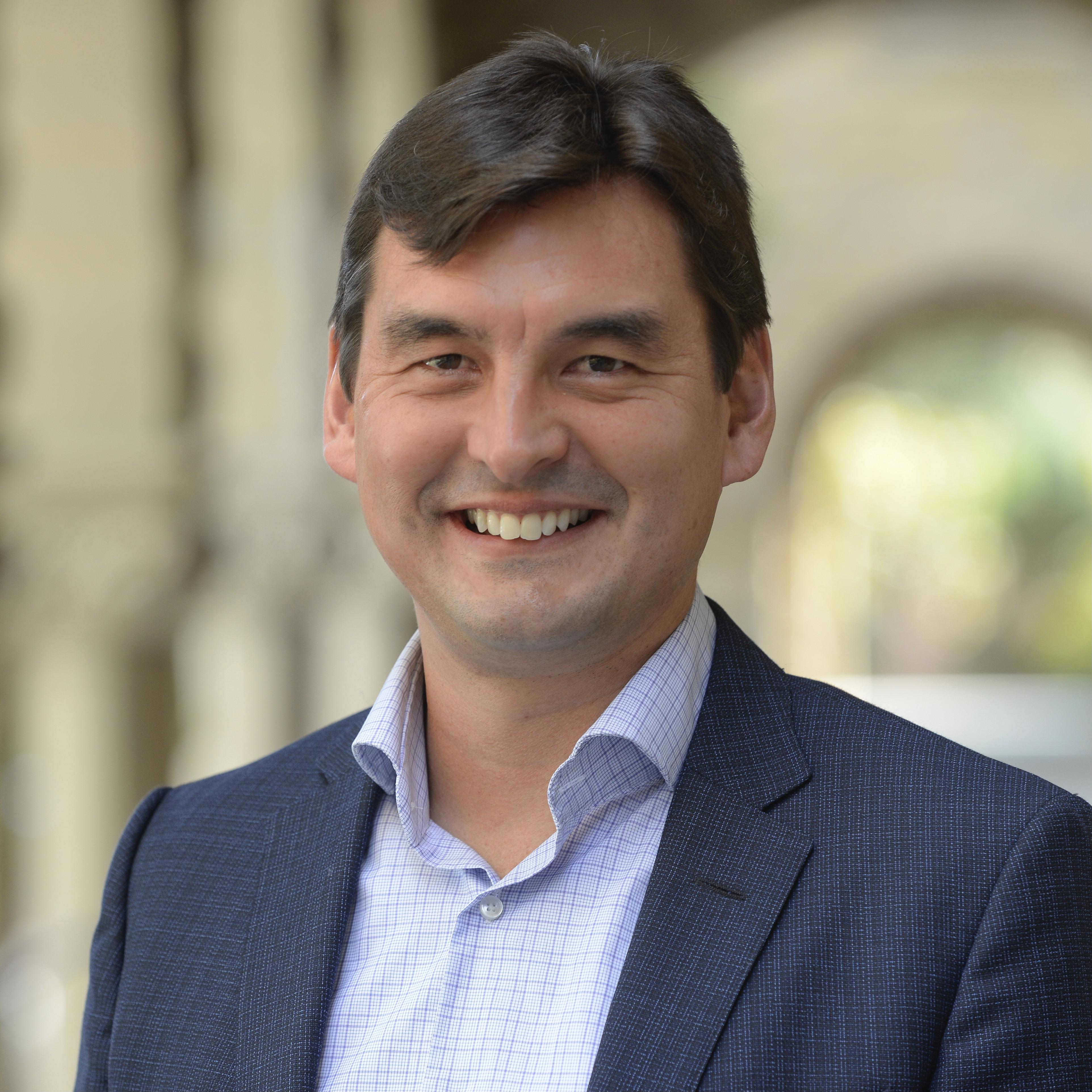
Senior Fellow, Asia Program
Kenji Kushida is a senior fellow in Carnegie’s Asia Program, primarily directing research on Japan along the theme of Innovative Japan, Global Japan, including the new Japan-Silicon Valley Innovation Initiative@Carnegie.
Recent Work
Kenji Kushida
Kenji Kushida
Carnegie does not take institutional positions on public policy issues; the views represented herein are those of the author(s) and do not necessarily reflect the views of Carnegie, its staff, or its trustees.

With its public finances in shambles, the far right polling at 35 percent ahead of the 2027 presidential election, and a growing protest movement, is France’s crisis a threat to the EU’s geopolitical awakening?

Rym Momtaz, ed.

Russia’s AI-driven propaganda campaigns operate in a fragmented, chaotic, and often illogical manner. That’s not necessarily a problem for the Kremlin, though: It’s much easier to mimic genuine public debate that way.

Ilya Klishin

Russian strikes are weakening the economy sustaining Ukraine’s war effort. Closing the growing funding gap will require more European support and politically contentious reforms in Kyiv.

Balázs Jarábik

Economic recovery has brought Sri Lanka a modicum of stability, but domestic strains and great-power rivalry could test how long it lasts.

Avinash Paliwal

Policy proposals on sovereign debt must both match the scale of the challenge and be implementable within existing political constraints.

David McNair