

Commentary
Why Pakistan, Saudi Arabia, and Turkey are joining forces on regional security.
Alper Coşkun, Amr Hamzawy
{
  "authors": [],
  "type": "scholarSpotlight",
  "centerAffiliationAll": "dc",
  "centers": [
    "Carnegie Endowment for International Peace"
  ],
  "collections": [],
  "englishNewsletterAll": "ctw",
  "nonEnglishNewsletterAll": "",
  "primaryCenter": "Carnegie Endowment for International Peace",
  "programAffiliation": "EP",
  "programs": [
    "Europe"
  ],
  "projects": [],
  "regions": [
    "North America",
    "United States",
    "Eastern Europe",
    "Western Europe",
    "United Kingdom",
    "France",
    "Germany",
    "Iran"
  ],
  "topics": [
    "Security",
    "Foreign Policy"
  ]
}
Source: Getty
The United States and Europe right now stand united and with a shared purpose. But the current focus and cohesion were hard-won and are not guaranteed to last.
Major war has returned to the European continent, and Russian President Vladimir Putin’s brutal invasion of Ukraine threatens European security writ large. Many European governments over the past few months have had to rapidly adjust their outlooks on the world. The German chancellor has spoken of a “Zeitenwende”—a turning of the times.
These governments have each made the decision to substantially increase their defense budgets. The EU is providing military assistance to Ukraine and working out how the new resources could be used to restore and expand a hollowed-out European defense industrial base. NATO, declared brain dead only a couple years ago, has produced a united response from Europeans and Americans. Washington has reaffirmed its commitment to the transatlantic alliance’s security guarantees and strengthened its presence in the European theater. And new U.S.-EU cooperation formats like the Trade and Technology Council have proven to be responsive and adaptable.
These reactions are encouraging. Given the threats that Europe faces, allies on both sides of the Atlantic should seek to foster a European defense and security policy that is fit for purpose and ultimately self-sustainable.
Much of my work over the past few years has focused on what this could look like in practice. Through my research at the Centre for European Reform in London and Berlin, I have sought to provide substance to the idea of a strategically sovereign Europe—contributing proposals for how the EU can manage its dependencies; engage its partners in the UK, the United States, and the Indo-Pacific; explore its potential as a player in the defense industrial policy space; and develop a coherent approach to China.
The United States and Europe right now stand united and with a shared purpose. But the current focus and cohesion were hard-won and are not guaranteed to last. In the United States, prevailing security interests in the Indo-Pacific and the possibility of domestic political change could undermine focus. In Europe, complacency over U.S. security guarantees and resentment over the domestic costs of war threaten to divide the continent. Meanwhile, European countries’ strategic cultures have been formed over decades, dependencies on Russia and China are difficult to disentangle, and years of underinvestment have created shortfalls that won’t be fixed overnight: bureaucratic processes, decisionmaking structures, and budgetary planning all need reform.
At Carnegie, I’m excited to explore these and other issues that will determine the future of the region, and I look forward to joining colleagues in shaping a Europe Program that provides independent and impactful insight and analysis on developments within Europe and in the transatlantic relationship.
Carnegie does not take institutional positions on public policy issues; the views represented herein are those of the author(s) and do not necessarily reflect the views of Carnegie, its staff, or its trustees.
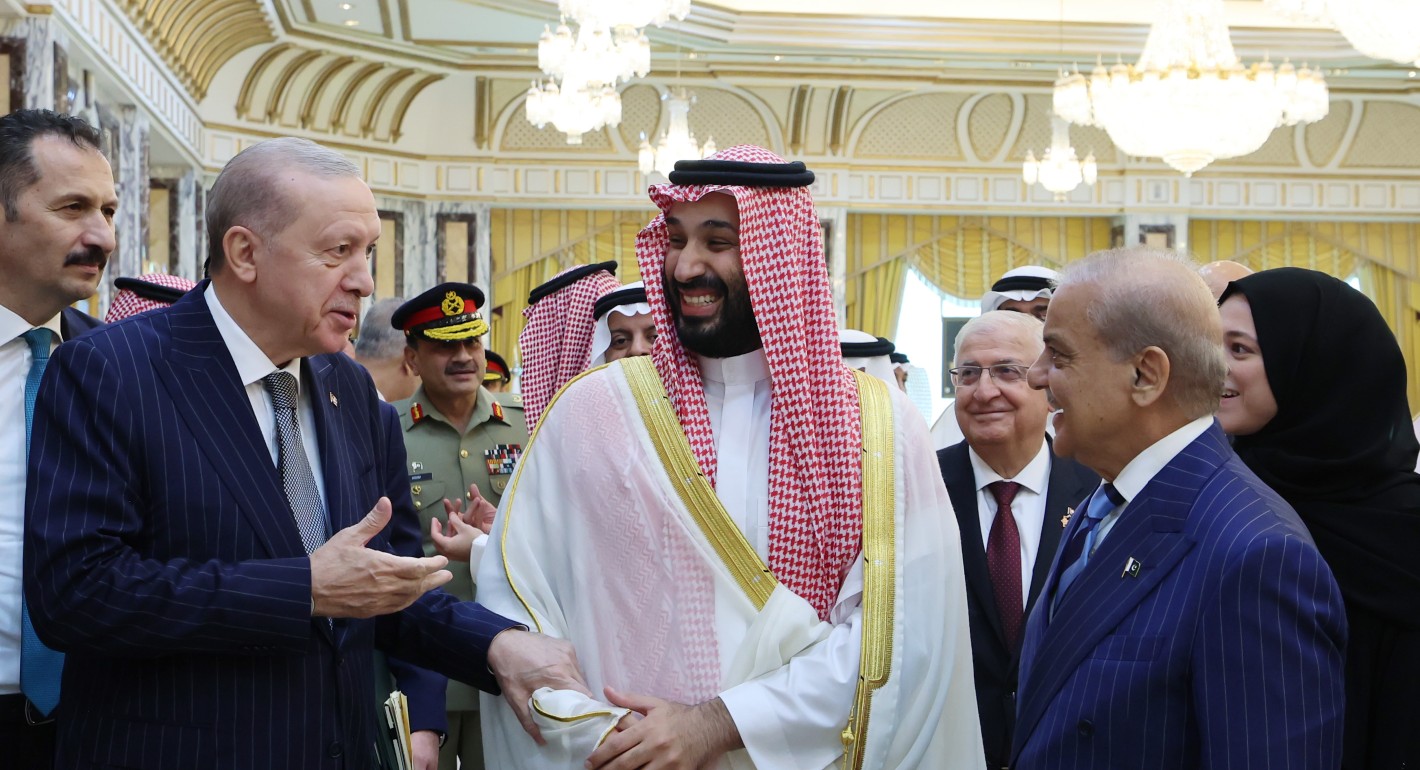
Why Pakistan, Saudi Arabia, and Turkey are joining forces on regional security.


Alper Coşkun, Amr Hamzawy

The truth of the strategic situation is that Europe and Russia are extremely unlikely to be able to “turn the page” on their confrontation within the next two decades.
Arkady Moshes
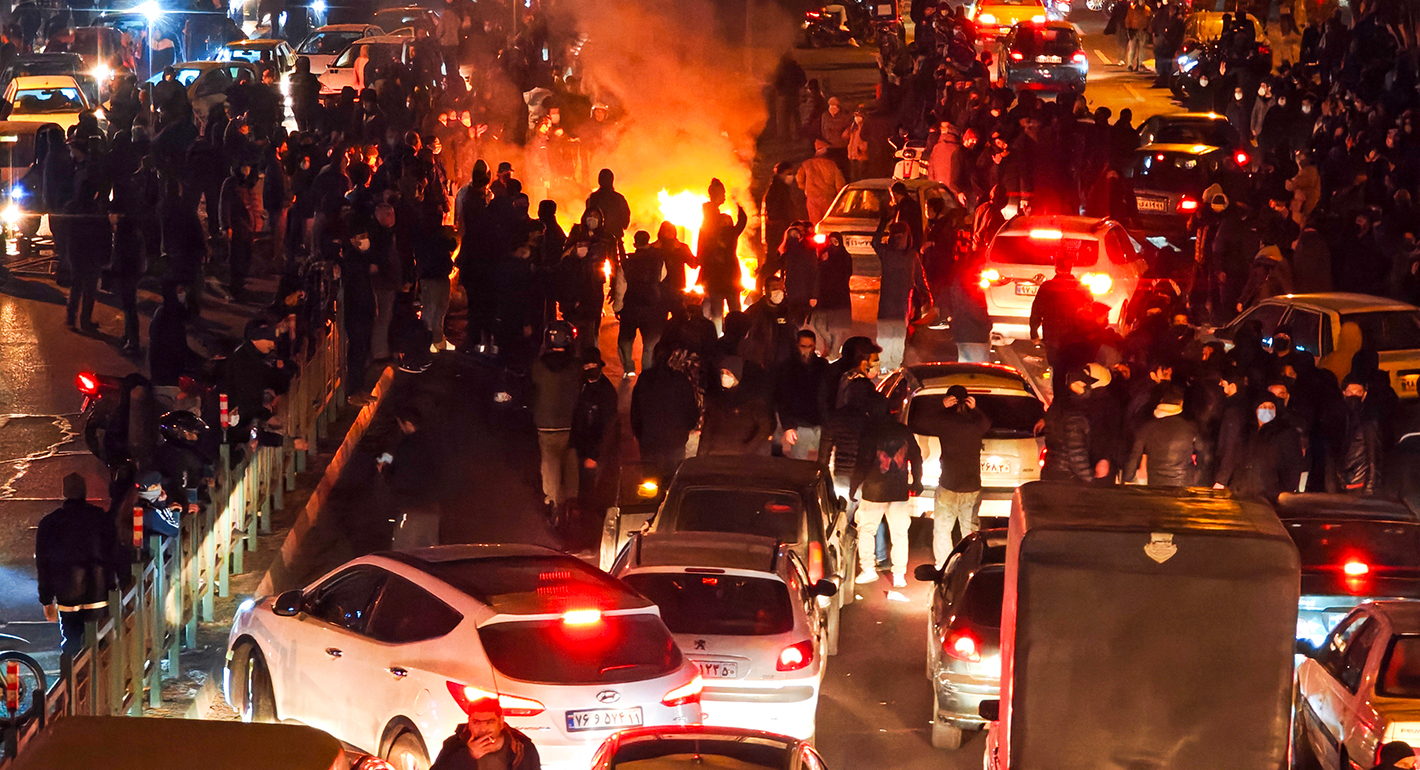
Protests in Iran follow a similar pattern: Economic grievances turn into political protests that spread nationwide. But increased state repression has begun to shift the arrangement.

Eric Lob

Despite public disputes over trade and immigration, the strategic partnership’s foundations remain sturdy.

Sameer Lalwani

It signals a new era of tech diffusion and warfare.

Steve Feldstein