• Research
  • Emissary
  • About
  • Experts
Carnegie Global logoCarnegie lettermark logo
DemocracyIran
  • Donate
{
  "authors": [
    "Noah Gordon"
  ],
  "type": "legacyinthemedia",
  "centerAffiliationAll": "dc",
  "centers": [
    "Carnegie Endowment for International Peace"
  ],
  "collections": [],
  "englishNewsletterAll": "ctw",
  "nonEnglishNewsletterAll": "",
  "primaryCenter": "Carnegie Endowment for International Peace",
  "programAffiliation": "SCP",
  "programs": [
    "Sustainability, Climate, and Geopolitics"
  ],
  "projects": [],
  "regions": [
    "North America"
  ],
  "topics": [
    "Climate Change"
  ]
}
REQUIRED IMAGE

REQUIRED IMAGE

In The Media

Climate Finance: An Overview

The climate finance problem is in some ways simple. Humans are not spending enough money on climate action, neither to mitigate climate change and keep global warming well below 2 degrees, nor to adapt to increasingly severe climate impacts such as heat waves or droughts.
Link Copied
By Noah Gordon
Published on Jun 21, 2023
Program mobile hero image

Program

Sustainability, Climate, and Geopolitics

The Sustainability, Climate, and Geopolitics Program explores how climate change and the responses to it are changing international politics, global governance, and world security. Our work covers topics from the geopolitical implications of decarbonization and environmental breakdown to the challenge of building out clean energy supply chains, alternative protein options, and other challenges of a warming planet.

Learn More

Environment Journal

About the Author

Noah J. Gordon
Noah Gordon

Fellow, Sustainability, Climate, and Geopolitics Program and Fellow, Europe Program

Noah J. Gordon is a fellow in the Sustainability, Climate, and Geopolitics Program at the Carnegie Endowment for International Peace in Washington, DC.

    Recent Work
  • Q&A
    Are Data Centers the Villains in the Battle Over Electricity?
      • Noah J. Gordon

      Kate Gordon, Noah Gordon

  • Commentary
    What We Lost When Washington Walked Away From Climate-Health Efforts
      • +2

      Joe McCannon, Jenny Keroack, Lauren Jensen, …

Noah Gordon
Fellow, Sustainability, Climate, and Geopolitics Program and Fellow, Europe Program
Noah Gordon
Climate ChangeNorth America

Carnegie does not take institutional positions on public policy issues; the views represented herein are those of the author(s) and do not necessarily reflect the views of Carnegie, its staff, or its trustees.
More Work from Carnegie Endowment for International Peace

  • Article
    China Is Building New Financial Architecture for Clean Energy Tech. It May Come with Conditions.

    China’s central bank swap lines could help developing world leaders drive their energy transition—if they harness conditionality to protect their interests.

      Ebipere K. Clark
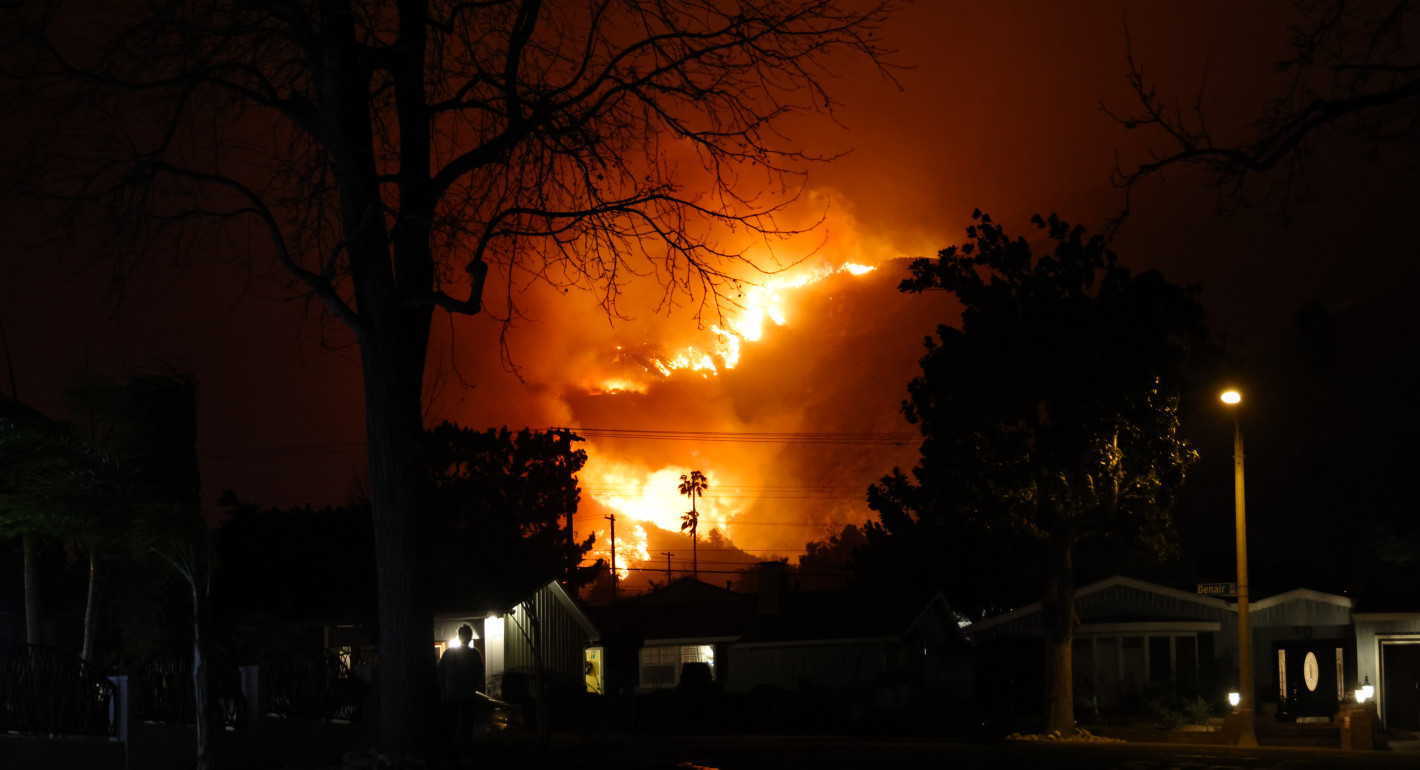
  • Photo of flames behind palm trees in a residential neighborhood in Altadena, California.
    Article
    Reimagining Disaster Response in the Age of Chaotic Austerity

    It’s the early days of a new architecture for disaster recovery. Now is the time to build a better, more adaptive funding ecosystem.


      • Sarah Labowitz
      • Photo of Katie Mears.

      Sarah Labowitz, Katie Mears

  • Commentary
    Strategic Europe
    The Climate Blind Spot in Europe’s New Migration Pact

    The EU’s new migration policy is not suited to today’s realities. With climate change increasingly becoming a driver of displacement, Europe needs to rethink its deterrence-focused approach.

      • Shana Tabak headshot

      Shana Tabak

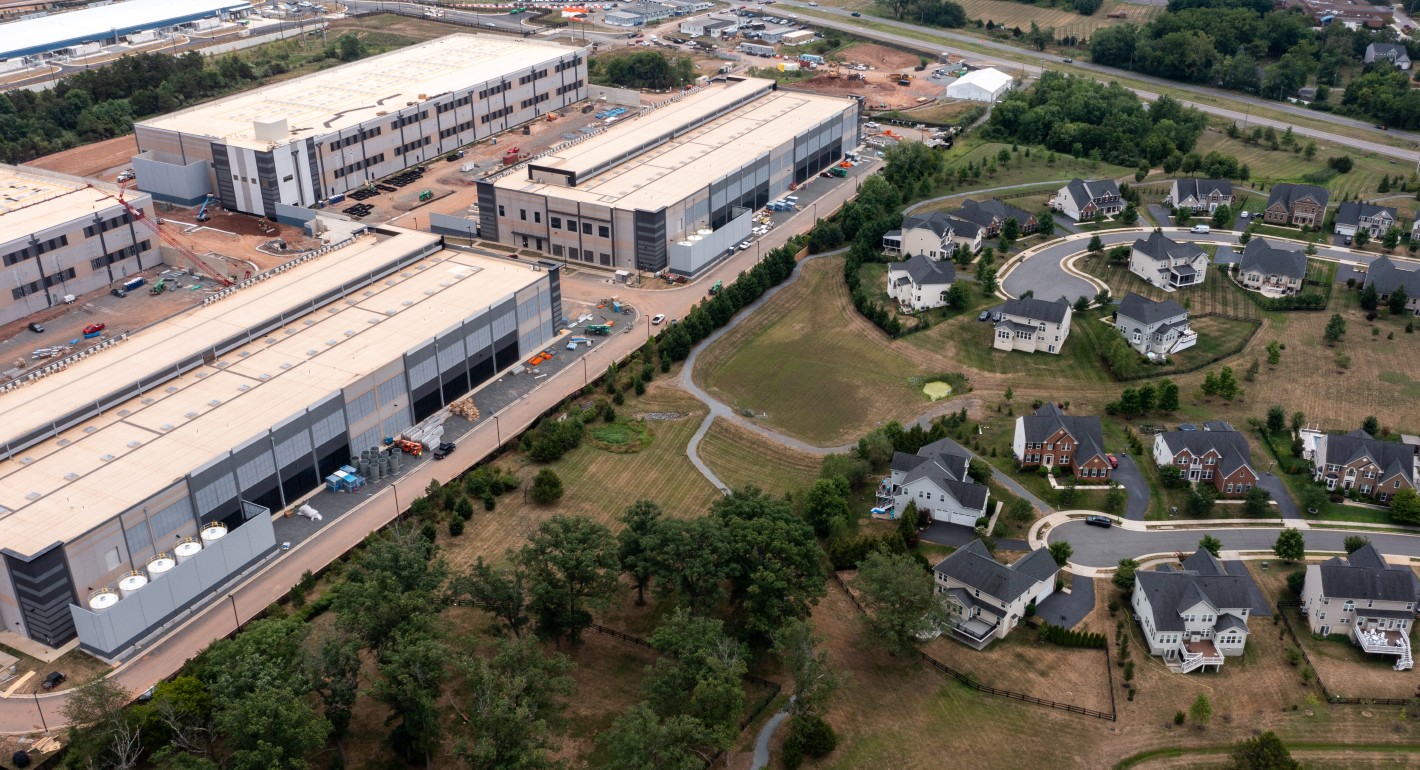
  • Aerial view of large data center buildings next to single-family houses
    Commentary
    Emissary
    Are Data Centers the Villains in the Battle Over Electricity?

    Examples from Virginia and Lake Tahoe reveal complex situations that governments could use to fund critical grid upgrades.

      • Noah J. Gordon

      Kate Gordon, Noah Gordon

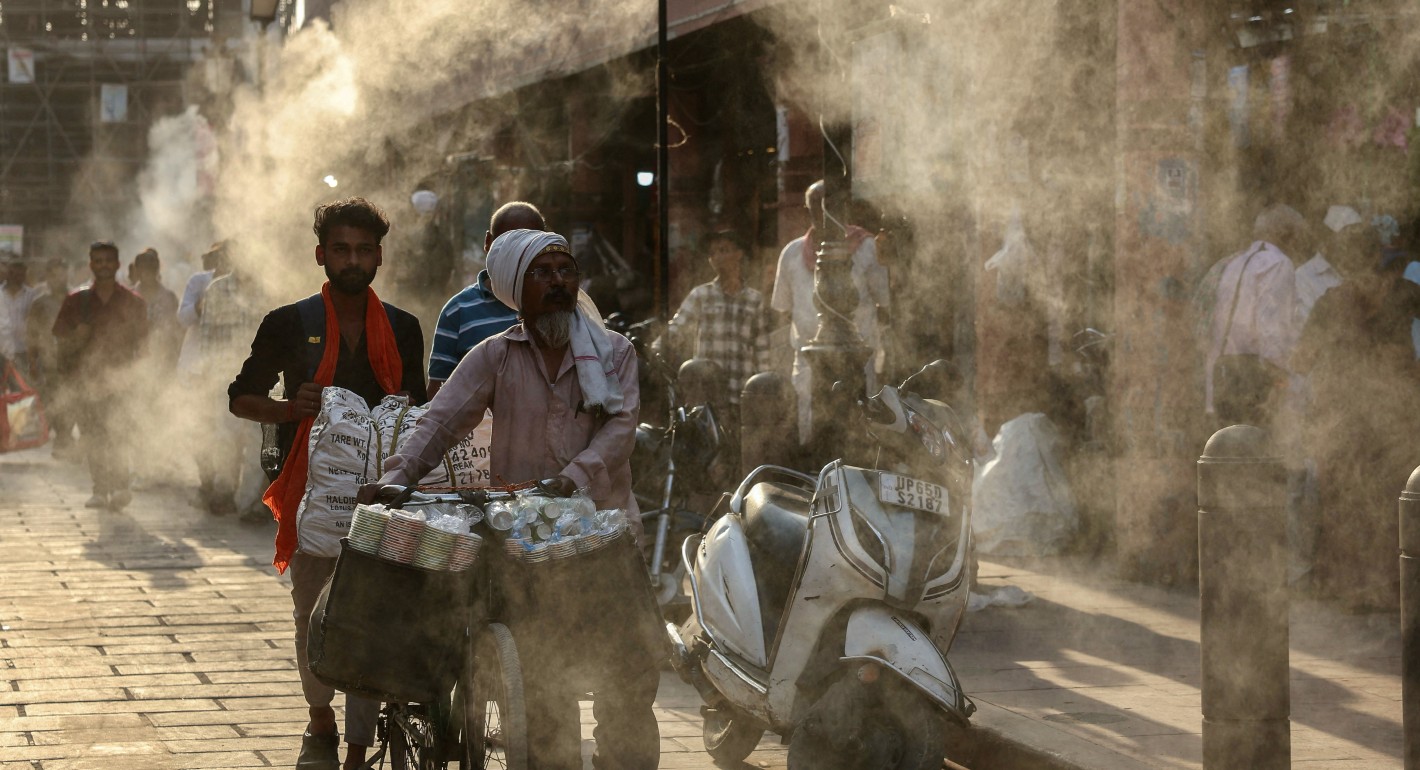
  • Pedestrians passing through mist
    Commentary
    Emissary
    India’s Heatwave Is a Warning for the Future

    As “unprecedented” temperatures become routine, the country is failing its energy transition stress test.
      • Kayly Ober

      Kayly Ober

Get more news and analysis from
Carnegie Endowment for International Peace
Carnegie global logo, stacked
1779 Massachusetts Avenue NWWashington, DC, 20036-2103Phone: 202 483 7600
  • Research
  • Emissary
  • About
  • Experts
  • Donate
  • Programs
  • Events
  • Blogs
  • Podcasts
  • Contact
  • Annual Reports
  • Careers
  • Privacy
  • For Media
  • Government Resources
Get more news and analysis from
Carnegie Endowment for International Peace
© 2026 Carnegie Endowment for International Peace. All rights reserved.