• Research
  • Emissary
  • About
  • Experts
Carnegie Global logoCarnegie lettermark logo
Democracy
  • Donate
{
  "authors": [
    "Cornelius Adebahr",
    "Barbara Mittelhammer"
  ],
  "type": "other",
  "centerAffiliationAll": "dc",
  "centers": [
    "Carnegie Endowment for International Peace",
    "Carnegie Europe"
  ],
  "collections": [
    "Europe’s Southern Neighborhood"
  ],
  "englishNewsletterAll": "",
  "nonEnglishNewsletterAll": "",
  "primaryCenter": "Carnegie Europe",
  "programAffiliation": "EP",
  "programs": [
    "Europe"
  ],
  "projects": [],
  "regions": [
    "Middle East",
    "Europe",
    "Iran",
    "Western Europe"
  ],
  "topics": [
    "Foreign Policy",
    "EU",
    "Political Reform"
  ]
}
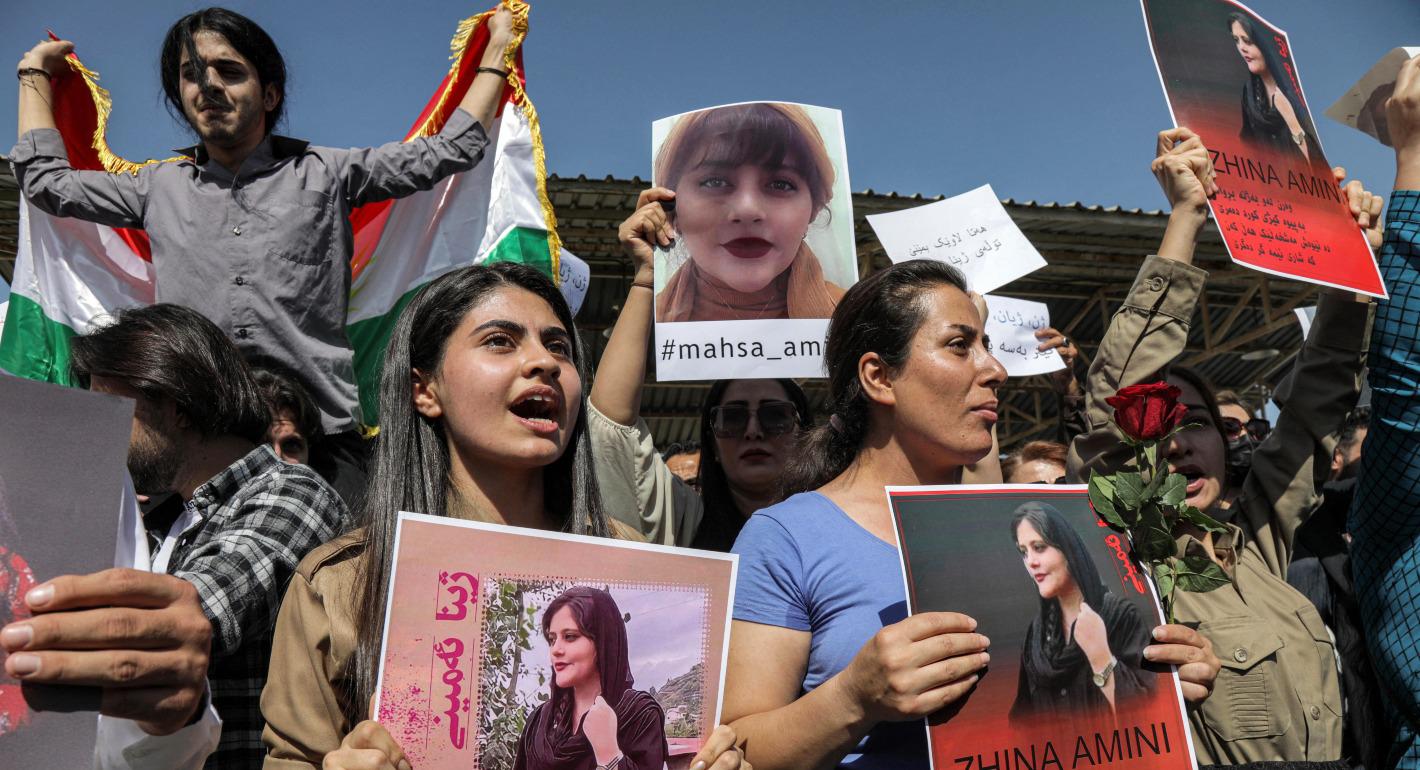
Source: Getty

Other
Carnegie Europe

Refining the EU’s Approach to Iran’s Marginalized Actors

Marginalized groups in Iran are disproportionately affected by the regime’s systemic repression and by the country’s socio-economic and ecological crises. The EU must integrate these groups’ perspectives into its policies and work with civil society to address Tehran’s human rights violations.

Link Copied
By Cornelius Adebahr and Barbara Mittelhammer
Published on Jul 11, 2023
Program mobile hero image

Program

Europe

The Europe Program in Washington explores the political and security developments within Europe, transatlantic relations, and Europe’s global role. Working in coordination with Carnegie Europe in Brussels, the program brings together U.S. and European policymakers and experts on strategic issues facing Europe.

Learn More

Why the Issue Is Important

The revolt that has gripped Iran for nearly a year has exposed deep layers of systemic and violent oppression. It has also highlighted the country’s severe economic and environmental crises, which have hit people in peripheral regions especially hard. Marginalized groups face particularly violent state repression: the regime is targeting minority groups with arbitrary arrests, torture, sexual and gender-based violence, forced disappearances, and executions. As a consequence, the number of individuals with minority backgrounds among the protesters killed or sentenced to death is disproportionately high. People who face multiple layers of discrimination, such as women or members of the LGBTQ community, are confronted with both state repression and a societal backlash in their own communities.

Yet, this impact on already marginalized actors and their roles in the revolt have received scant international attention. To include their perspectives, however, is relevant for an actor like the EU not only to fully understand developments in Iran but also to grasp the overall sociopolitical context and refine the union’s response.

Priority Actions

  1. The EU should engage with marginalized perspectives, increase awareness of intersectional issues, and highlight diverse views in its human rights demands. The EU should continue to address the Iranian regime’s gross human rights violations and emphasize the disproportionate targeting of minority groups by the country’s security forces. It should do so by engaging with well-established civil society groups that represent marginalized perspectives, in particular women and human rights organizations, to achieve a more comprehensive understanding of the situation in Iran and neighboring countries. On that basis, the EU should articulate concrete human rights demands while reminding the public of the protesters’ fates. To avoid the regime-driven securitization of confessional and ethnic identities, such messages should build on Iran’s international and domestic legal obligations. The EU needs to coordinate these efforts with those of third countries and the UN to increase their scope.
  1. The EU and its member states need to include marginalized perspectives in their human rights documentation and reporting to ensure accountability. The UN Independent International Fact-Finding Mission on Iran is key to documenting and, eventually, facilitating accountability for gross human rights violations that are attributed to the Iranian security forces. The mission should expand its work with human rights organizations that represent and work on marginalized groups to include an intersectional perspective. The UN Human Rights Council’s fifty-third session in June–July 2023 provides an opportunity for representatives of the EU and its member states to incorporate marginalized perspectives into their own statements.
  1. The EU should expand targeted sanctions against individuals responsible for persecution and work with civil society to design and implement the measures. Street protests continue, especially in Iran’s Kurdish and Balochi provinces, where security forces regularly use brute force against peaceful protesters under a blanket of repeated internet shutdowns. In response, the EU should strengthen its body of sanctions by working with civil society experts, including from marginalized groups, to identify the perpetrators and coordinate internationally to create matching lists of individuals to target. In addition, the EU should engage civil society to conduct “do no harm” assessments of old and new sanctions.
  1. The EU should address the socioeconomic needs and the civic discrimination of ethnic minorities in Iran at the international level. Poverty and limited access to basic needs, resources, and social infrastructure aggravate the lives of those in Iran’s peripheral regions. Especially in ethnic-minority areas, such as Sistan and Baluchestan Province, approximately one hundred thousand people are stateless. The EU should continue its humanitarian projects and support civil society organizations in these provinces. It should push for Iran to join the UN campaign to end statelessness by 2024 and promote the naturalization of stateless people under Iran’s 2019 nationality law. The EU should provide additional support for organizations that try to tackle particular challenges for marginalized groups. Such challenges include a lack of birth certificates or IDs as well as the fact that women and LGBTQ individuals are reluctant to publicize rights violations for fear of a backlash from their families and communities.
  1. The EU institutions should develop a strategic framework for short- and long-term support for Iranian civil society, especially marginalized actors. Iran’s repressive domestic context and highly securitized environment render civil society support extremely difficult. However, supporting and engaging with civil society, and including marginalized perspectives in EU policy deliberations, would be in the EU’s interest. This support includes assisting those who face persecution, especially women and human rights defenders, for instance in the form of funds for bail or medical treatment, as well as offering asylum if necessary. It also includes providing internet connections via proxy servers, virtual private networks, and cloud services. In the longer term, technical and financial support would help increase the capacities of marginalized actors. Such engagement is crucial in view of the lack of an EU delegation in Tehran, for which the member states’ embassies cannot compensate. Recognizing that this situation is likely to continue at least in the medium term, the EU should draw its various policy strands together under an Iran-focused strategy that builds on similarities and differences in approaches to comparable repressive contexts in the EU’s neighborhood.

Conclusion

The Iranian regime’s violent response to the ongoing revolt builds on decades of systemic discrimination to restrict the country’s cultural, political, civic, and socioeconomic spheres. Yet, the disproportionate effects of repression on Iran’s already marginalized communities have been poorly understood internationally. To increase its political leverage, the EU should coordinate with established civil society groups to draw international attention to Tehran’s human rights violations and expand sanctions against those responsible for the persecution. In the longer term, the EU needs to develop a strategic framework to work with and support Iranian civil society, especially marginalized actors, on a sustainable basis.
Authors

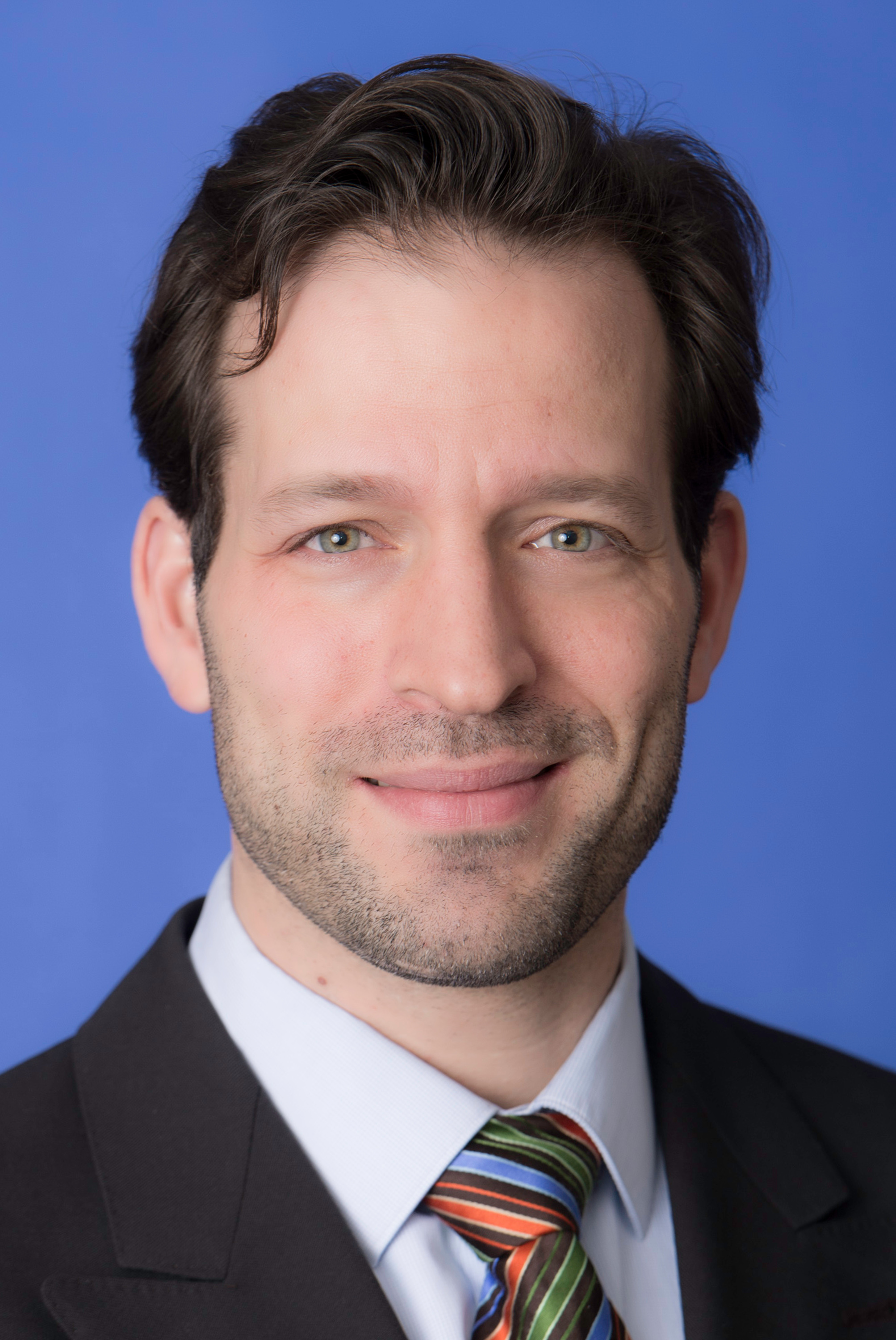
Cornelius Adebahr
Former Nonresident Fellow, Carnegie Europe
Cornelius Adebahr
Barbara Mittelhammer

Barbara Mittelhammer is an independent political analyst and consultant. Her research focuses on human security, gender in peace and security, feminist foreign policy, and the role of civil society in foreign policy making.

Barbara Mittelhammer
Foreign PolicyEUPolitical ReformMiddle EastEuropeIranWestern Europe

Carnegie does not take institutional positions on public policy issues; the views represented herein are those of the author(s) and do not necessarily reflect the views of Carnegie, its staff, or its trustees.
More Work from Carnegie Endowment for International Peace

  • Commentary
    Strategic Europe
    Europolis, Where Europe Ends

    A prophetic Romanian novel about a town at the mouth of the Danube carries a warning: Europe decays when it stops looking outward. In a world of increasing insularity, the EU should heed its warning.

      Thomas de Waal

  • Commentary
    Carnegie Politika
    Japan’s “Militarist Turn” and What It Means for Russia

    For a real example of political forces engaged in the militarization of society, the Russian leadership might consider looking closer to home.

      James D.J. Brown

  • Wide shot of Trump and Modi, with Trump pointing
    Commentary
    Emissary
    The Trump-Modi Trade Deal Won’t Magically Restore U.S.-India Trust

    Washington and New Delhi should be proud of their putative deal. But international politics isn’t the domain of unicorns and leprechauns, and collateral damage can’t simply be wished away.

      Evan A. Feigenbaum

  • people sitting on a stage
    Commentary
    From Loss and Damage to Climate Mobility Action

    Senior climate, finance, and mobility experts discuss how the Fund for Responding to Loss and Damage could unlock financing for climate mobility.

      • Alejandro Rodriguez

      Alejandro Martin Rodriguez

  • The Social Foundations for Peace: Violence, Peace, and (Dis)Order in Ukraine
    Research
    The Social Foundations for Peace: Violence, Peace, and (Dis)Order in Ukraine

    Local political and social dynamics will shape the implementation of any peace settlement following Russia’s war against Ukraine—dynamics that adversaries may seek to exploit.

      Daryna Dvornichenko, Holger Nehring

Get more news and analysis from
Carnegie Endowment for International Peace
Carnegie global logo, stacked
1779 Massachusetts Avenue NWWashington, DC, 20036-2103Phone: 202 483 7600Fax: 202 483 1840
  • Research
  • Emissary
  • About
  • Experts
  • Donate
  • Programs
  • Events
  • Blogs
  • Podcasts
  • Contact
  • Annual Reports
  • Careers
  • Privacy
  • For Media
  • Government Resources
Get more news and analysis from
Carnegie Endowment for International Peace
© 2026 Carnegie Endowment for International Peace. All rights reserved.