• Research
  • Emissary
  • About
  • Experts
Carnegie Global logoCarnegie lettermark logo
DemocracyIran
  • Donate
{
  "authors": [
    "Raluca Csernatoni"
  ],
  "type": "legacyinthemedia",
  "centerAffiliationAll": "dc",
  "centers": [
    "Carnegie Endowment for International Peace",
    "Carnegie Europe"
  ],
  "collections": [],
  "englishNewsletterAll": "ctw",
  "nonEnglishNewsletterAll": "",
  "primaryCenter": "Carnegie Europe",
  "programAffiliation": "EP",
  "programs": [
    "Europe"
  ],
  "projects": [],
  "regions": [
    "Europe",
    "Western Europe",
    "Iran"
  ],
  "topics": [
    "Foreign Policy",
    "EU",
    "Security",
    "Technology"
  ]
}
REQUIRED IMAGE

REQUIRED IMAGE

In The Media
Carnegie Europe

Navigating the Future: the EU’s Blueprint for the Innovation and Governance of Emerging and Disruptive Technologies

Against the backdrop of geopolitical rivalries and the rising impact of emerging and disruptive technologies, the EU must maintain its competitive edge. It needs to deliver concrete project results to bolster its technological leadership in the global arena.
Link Copied
By Raluca Csernatoni
Published on Nov 13, 2023
Program mobile hero image

Program

Europe

The Europe Program in Washington explores the political and security developments within Europe, transatlantic relations, and Europe’s global role. Working in coordination with Carnegie Europe in Brussels, the program brings together U.S. and European policymakers and experts on strategic issues facing Europe.

Learn More

EU Cyber Direct

About the Author

Raluca Csernatoni

Fellow, Carnegie Europe

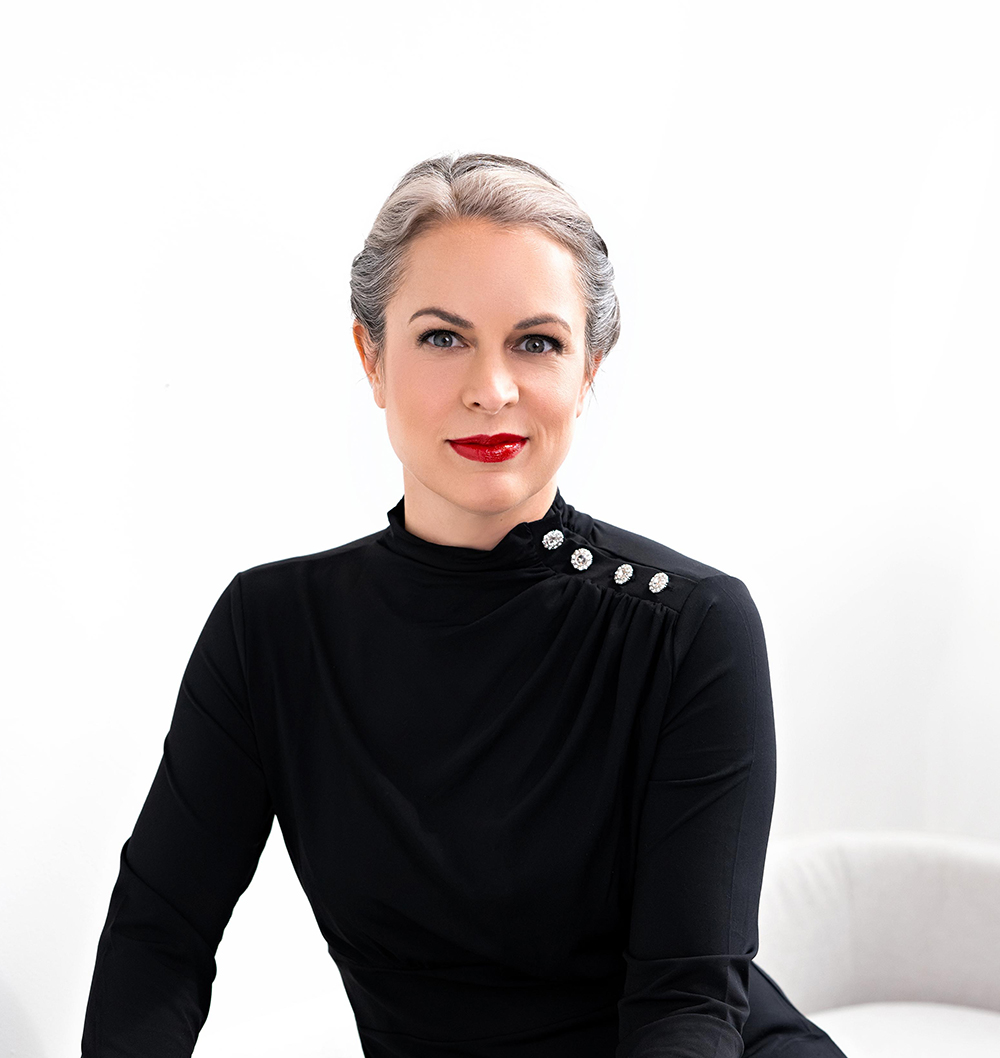
Raluca Csernatoni is a fellow at Carnegie Europe, where she specializes on European security and defense, as well as emerging disruptive technologies.

    Recent Work
  • Paper
    Assessing Information Ecosystems: How Governments Can Get Ahead of Hybrid Threats

      Raluca Csernatoni, Alicia Wanless

  • Paper
    When AI Agents Attack: Autonomous Cyber Operations and Europe’s Governance Gap

      Raluca Csernatoni, Patryk Pawlak

Raluca Csernatoni
Fellow, Carnegie Europe
Raluca Csernatoni
Foreign PolicyEUSecurityTechnologyEuropeWestern EuropeIran

Carnegie does not take institutional positions on public policy issues; the views represented herein are those of the author(s) and do not necessarily reflect the views of Carnegie, its staff, or its trustees.
More Work from Carnegie Endowment for International Peace

  • Article
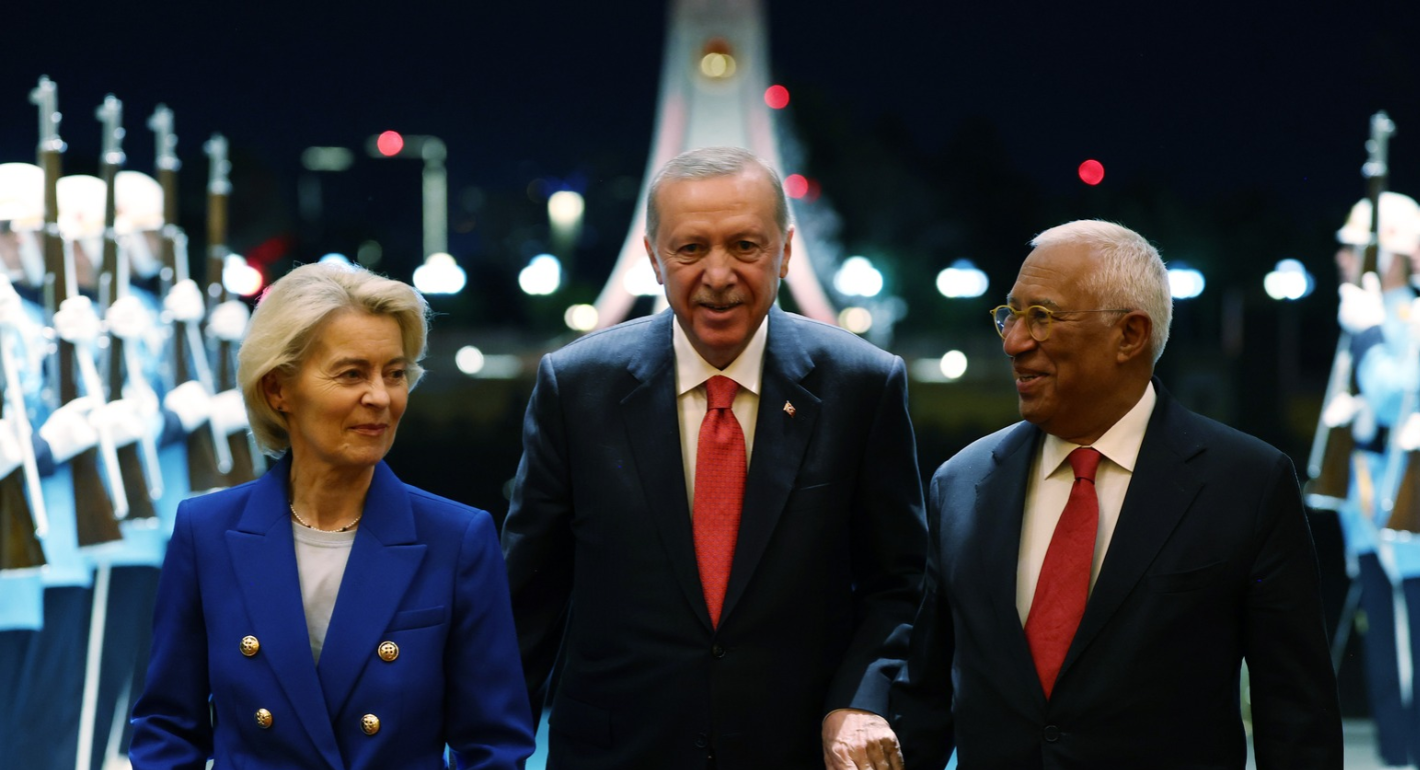
    Turkey’s Four Headaches Are Also Europe’s

    Between stalled economic ties and a push for greater security cooperation, EU-Turkey relations remain uncertain. Ankara’s continued slide toward autocracy is the likeliest common denominator in these competing dynamics.

      Marc Pierini
  • Article
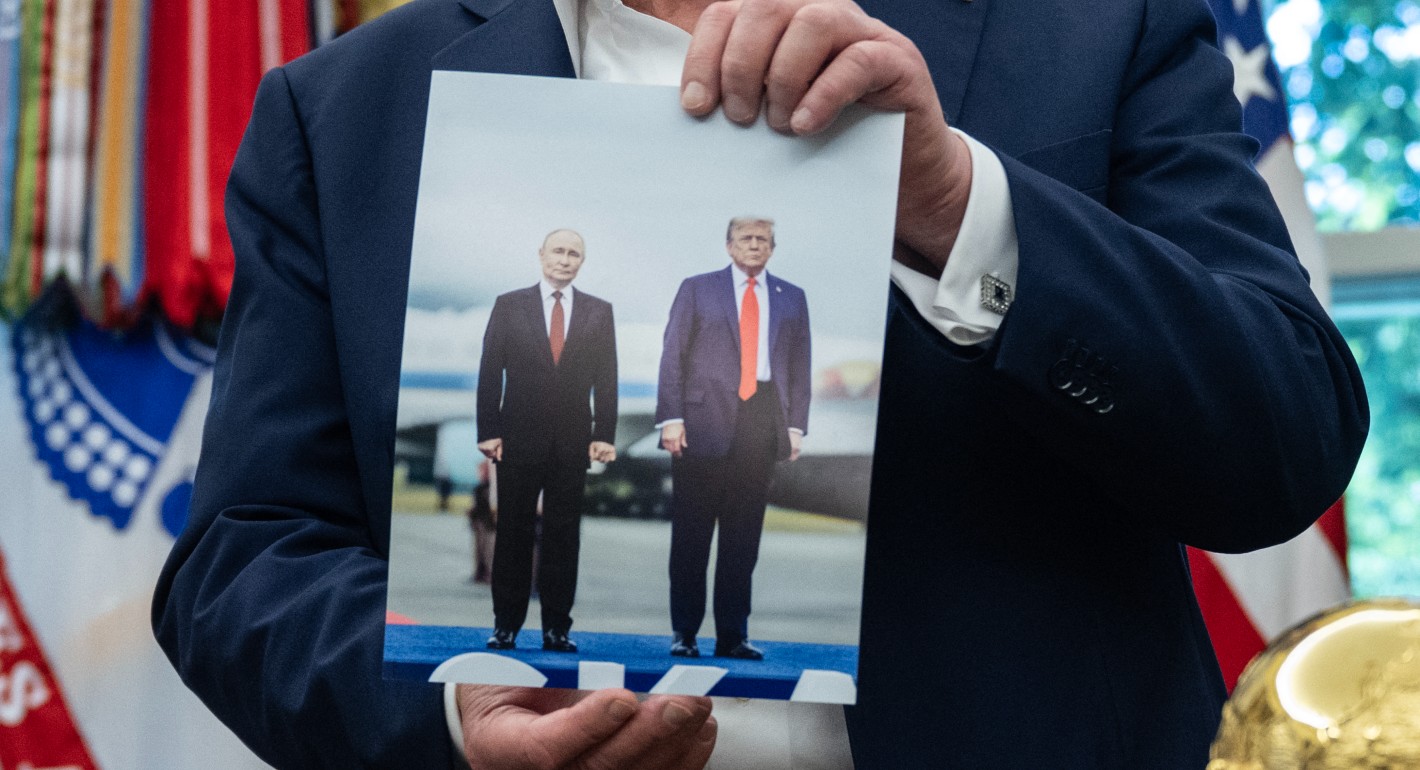
    Nuclear Deterrence Needs to Account for Domestic Politics

    Individual leaders and public attitudes—especially in democracies—matter for credibility.

      • A white man with short dark hair and a goatee wears a gray suit

      Lauren Sukin, Samuel Seitz

  • Commentary
    Strategic Europe
    Member States Must Make Enlargement Their Own

    The European Commission is preparing the EU for its next enlargement. But member states need to make it a project that European citizens can understand, shape, and support.
      Iliriana Gjoni
  • Commentary
    Carnegie Politika
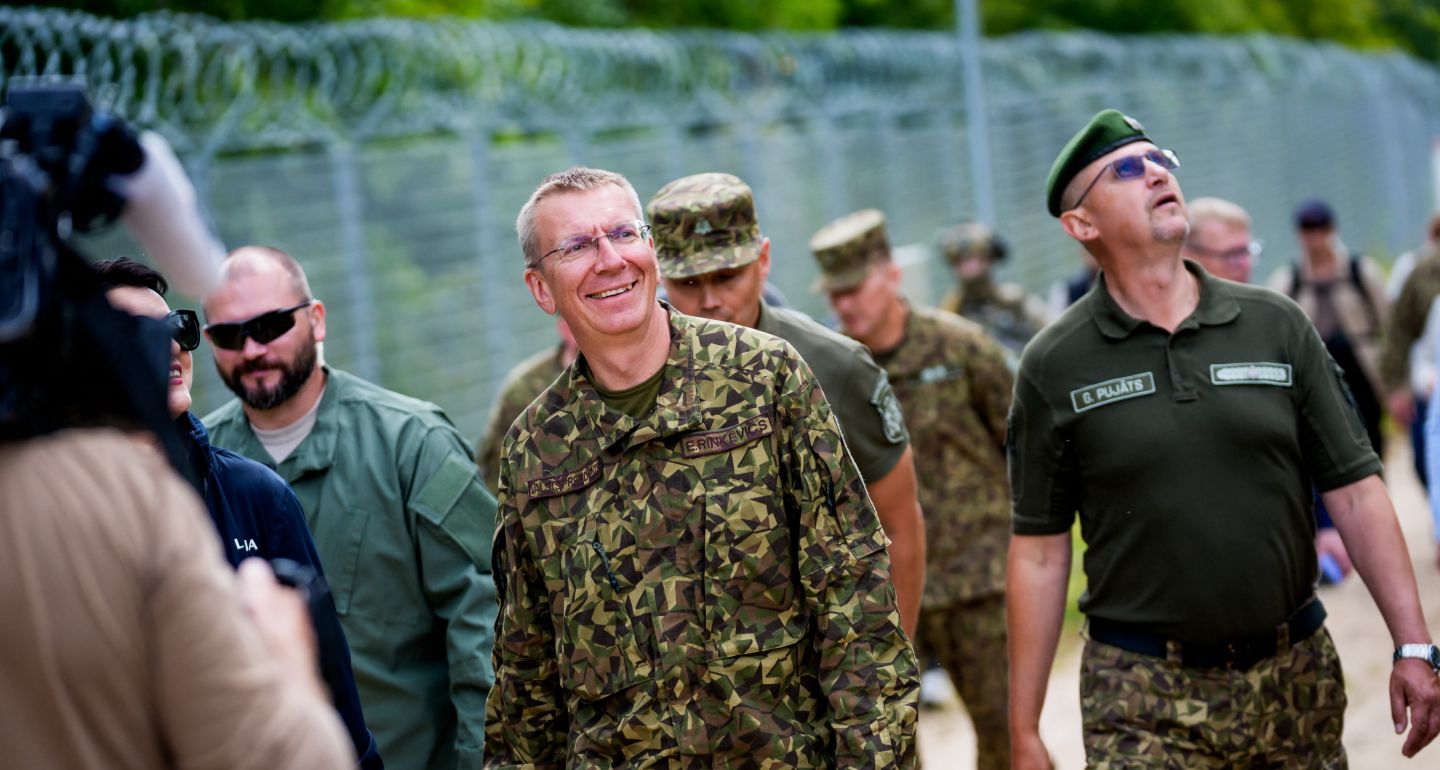
    Could Nuclear Warheads Really Be Deployed to the Baltic States?

    Latvia and Lithuania have been considering whether they could temporarily host NATO nuclear weapons in the event of war or a similar crisis.
      Sergejs Potapkins
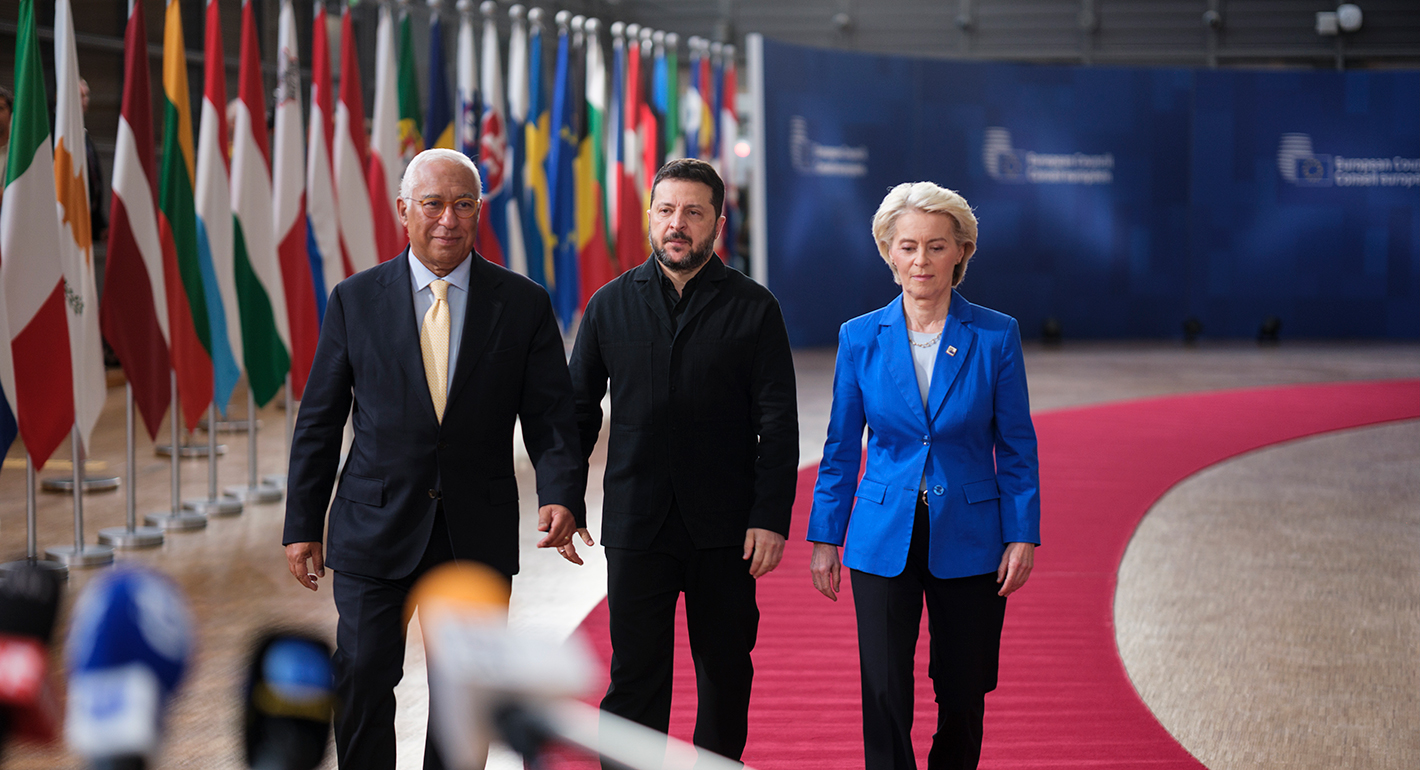
  • President of the EU Council Antonio Luis Santos da Costa (L) the Ukrainian President Volodymyr Zelenskyy (C) and the President of the European Commission Ursula von der Leyen (R) talk to the media prior to the start of the second day of an EU Summit in the Europa building, the EU Council headquarter prior to an EU Summit on October 16, 2026, in Brussels, Belgium.
    Article
    Europe Struggles to Sustain Support for Ukraine

    EU and member-state leaders will need to show the political will and flexibility to adjust to Ukraine’s changing needs and to find compromises that will put support on a sustainable, long-term footing.

      Phyllis Berry

Get more news and analysis from
Carnegie Endowment for International Peace
Carnegie global logo, stacked
1779 Massachusetts Avenue NWWashington, DC, 20036-2103Phone: 202 483 7600
  • Research
  • Emissary
  • About
  • Experts
  • Donate
  • Programs
  • Events
  • Blogs
  • Podcasts
  • Contact
  • Annual Reports
  • Careers
  • Privacy
  • For Media
  • Government Resources
Get more news and analysis from
Carnegie Endowment for International Peace
© 2026 Carnegie Endowment for International Peace. All rights reserved.