

Commentary
Russian strikes are weakening the economy sustaining Ukraine’s war effort. Closing the growing funding gap will require more European support and politically contentious reforms in Kyiv.
Balázs Jarábik
{
  "authors": [
    "Zainab Usman",
    "Ebele Monye",
    "Aline Abayo",
    "Andrew Danik"
  ],
  "type": "other",
  "centerAffiliationAll": "dc",
  "centers": [
    "Carnegie Endowment for International Peace"
  ],
  "collections": [
    "Investments in Africa",
    "Africa’s Shifting Politics and Geopolitics",
    "Trade and Investment"
  ],
  "englishNewsletterAll": "africa",
  "nonEnglishNewsletterAll": "",
  "primaryCenter": "Carnegie Endowment for International Peace",
  "programAffiliation": "AFP",
  "programs": [
    "Africa"
  ],
  "projects": [],
  "regions": [
    "North Africa",
    "Southern, Eastern, and Western Africa"
  ],
  "topics": [
    "Economy"
  ]
}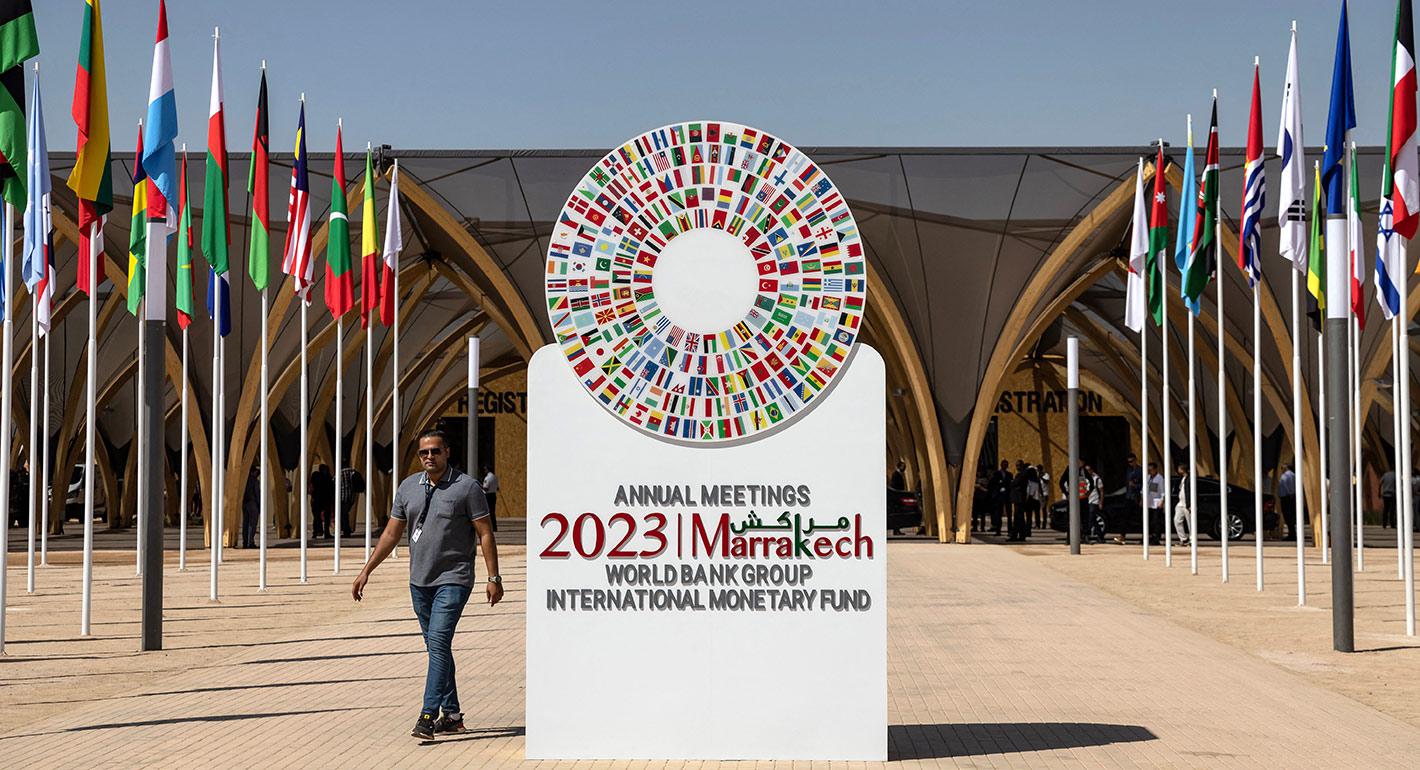
Source: Getty
Recommendations from a high-level roundtable on an African agenda for World Bank reform hosted by the Carnegie Africa Program and the African Climate Foundation.
The individuals listed in the byline compiled and edited this policy outlook based on the proceedings of a high-level roundtable on an African agenda for World Bank reform convened on April 10, 2023.
The Africa Program at the Carnegie Endowment for International Peace and the African Climate Foundation brought together more than thirty high-level African policymakers and international development experts at a private roundtable in April 2023 on the sidelines of the IMF/World Bank Spring Meetings in Washington, DC. The event had a clear mission: to brainstorm proposals for a much-needed African agenda for World Bank Group (WBG) reform, as current discussions around multilateral development banks (MDBs) lack a clear African perspective.
There have been various proposals for reforming the global financial architecture in general and the WBG in particular, including Barbados’ Bridgetown Initiative and U.S. Treasury Secretary Janet Yellen’s push for stronger private capital and domestic resource mobilization. The WBG itself recognized the need for reform when it released its “evolution road map” in December 2022. Since the Carnegie–African Climate Foundation roundtable, an African Caucus position within the WBG’s board of governors on the evolution road map was also put forward, in July 2023.
Against this backdrop (see annex 1 for further information), discussions at the roundtable centered around the following questions: In a landscape with diverse development actors, in what ways is the WBG still a relevant development financier and partner for Africa? How can reform deliver more value for African countries? In what areas should the WBG focus its engagement with Africa going forward?
The roundtable produced seven proposals for how the WBG can be reoriented to meet African needs and five recommendations for African stakeholders and their partners to advance these proposals. The guidance from the roundtable aligns with the WBG’s evolution road map and is consistent with the themes discussed at the 2023 Annual Meetings in Marrakech, Morocco, where there was a focus on making progress toward the goal of eradicating poverty (especially for women and youth) by maintaining a livable planet.
In conclusion, the message from the roundtable is clear: the WBG has shaped Africa’s development outcomes for decades, so Africa should have a say in shaping the WBG.
The high-level roundtable occurred at a propitious time for conversations on MDB reform and against a backdrop of a need for louder voices on African priorities in these conversations. The challenges of the twenty-first century are proving to be more frequent and complex than those of the past, raising questions about the ability of MDBs, particularly the WBG, to respond quickly and comprehensively. Indeed, the recent polycrisis has posed significant challenges for developing nations, reversed years of development, and highlighted the need for more effective deployment of multilateral resources. To address the twenty-first century’s challenges and adapt to the changing global landscape, multilateral resources must be effectively deployed.

MDBs play a crucial role in providing development financing to countries, particularly in Africa. In FY 2022, the WBG committed $104.4 billion, with sub-Saharan Africa receiving 37 percent. Despite this, the infrastructure investment gap in Africa is significant. For context, only 27 percent of the amount borrowed by African governments falls under the WBG’s infrastructure portfolio. Nonetheless, the IDA’s financial commitments have been largely concentrated in Africa, with 83 percent of commitments in forty-eight sub-Saharan African countries.
Former Director, Africa Program
Zainab Usman was a senior fellow and the inaugural director of the Africa Program at the Carnegie Endowment for International Peace.
Ebele Monye
Former Research Analyst, Africa Program
Ebele Monye is a research analyst in the Carnegie Africa Program.
Aline Abayo
Former James C. Gaither Junior Fellow, Africa Program
Aline Abayo was a James C. Gaither Junior Fellow in the Carnegie Africa Program.
Andrew Danik
Former Program Manager, Africa Program
Carnegie does not take institutional positions on public policy issues; the views represented herein are those of the author(s) and do not necessarily reflect the views of Carnegie, its staff, or its trustees.

Russian strikes are weakening the economy sustaining Ukraine’s war effort. Closing the growing funding gap will require more European support and politically contentious reforms in Kyiv.

Balázs Jarábik
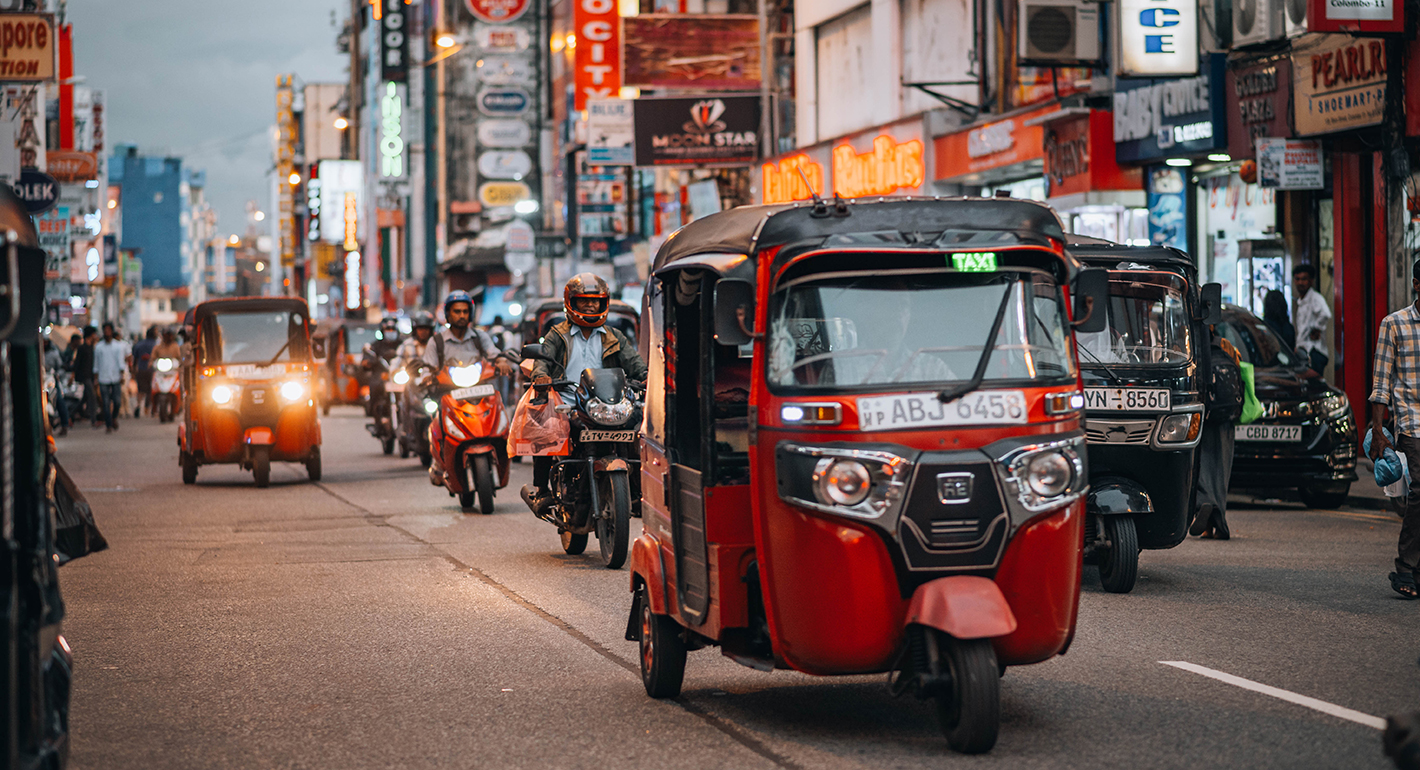
Economic recovery has brought Sri Lanka a modicum of stability, but domestic strains and great-power rivalry could test how long it lasts.
Avinash Paliwal
Today’s global democratic recession is partly rooted in a common perception that democracies have a delivery problem, with many citizens in both autocracies and democracies alike now believing that strongmen can achieve better governance outcomes. But a study of four countries in Africa reveals that democratic-leaning governments have demonstrated better governance performance than autocratic governments.


Sarah Yerkes, Natalie Triche, Amr Hamzawy
Policy proposals on sovereign debt must both match the scale of the challenge and be implementable within existing political constraints.
David McNair

For every ruble allocated to social policy, health, and education in 2027, double that amount is earmarked for the army, the police, and the security services.

Alexandra Prokopenko