

Article
How Ukraine is driving doctrinal change in modern warfare.
Andriy Zagorodnyuk
{
  "authors": [
    "Karla Hoff",
    "Shale Horowitz",
    "Branko Milanovic"
  ],
  "type": "other",
  "centerAffiliationAll": "dc",
  "centers": [
    "Carnegie Endowment for International Peace"
  ],
  "collections": [],
  "englishNewsletterAll": "ctw",
  "nonEnglishNewsletterAll": "",
  "primaryCenter": "Carnegie Endowment for International Peace",
  "programAffiliation": "russia",
  "programs": [
    "Russia and Eurasia",
    "Democracy, Conflict, and Governance"
  ],
  "projects": [],
  "regions": [
    "Caucasus",
    "Russia",
    "Eastern Europe",
    "Ukraine",
    "Belarus"
  ],
  "topics": [
    "Economy",
    "Trade"
  ]
}
REQUIRED IMAGE
The most direct way to break the grip of inefficient, self-serving interests on state power is through the election of new political players not beholden to the same interest groups that supported their predecessors. This is true regardless of political bent and is demonstrated by recent history in postcommunist Eastern Europe.
Source: Carnegie Endowment
The most direct way to break the grip of inefficient, self-serving interests on state power is through the election of new political players not beholden to the same interest groups that supported their predecessors. This is true regardless of political bent and is demonstrated by recent history in postcommunist Eastern Europe. A new policy outlook by Karla Hoff, Shale Horowitz, and Carnegie senior associate Branko Milanovic proves this theory empirically.
Click on the link above for the full text of this Policy Outlook.
About the Authors
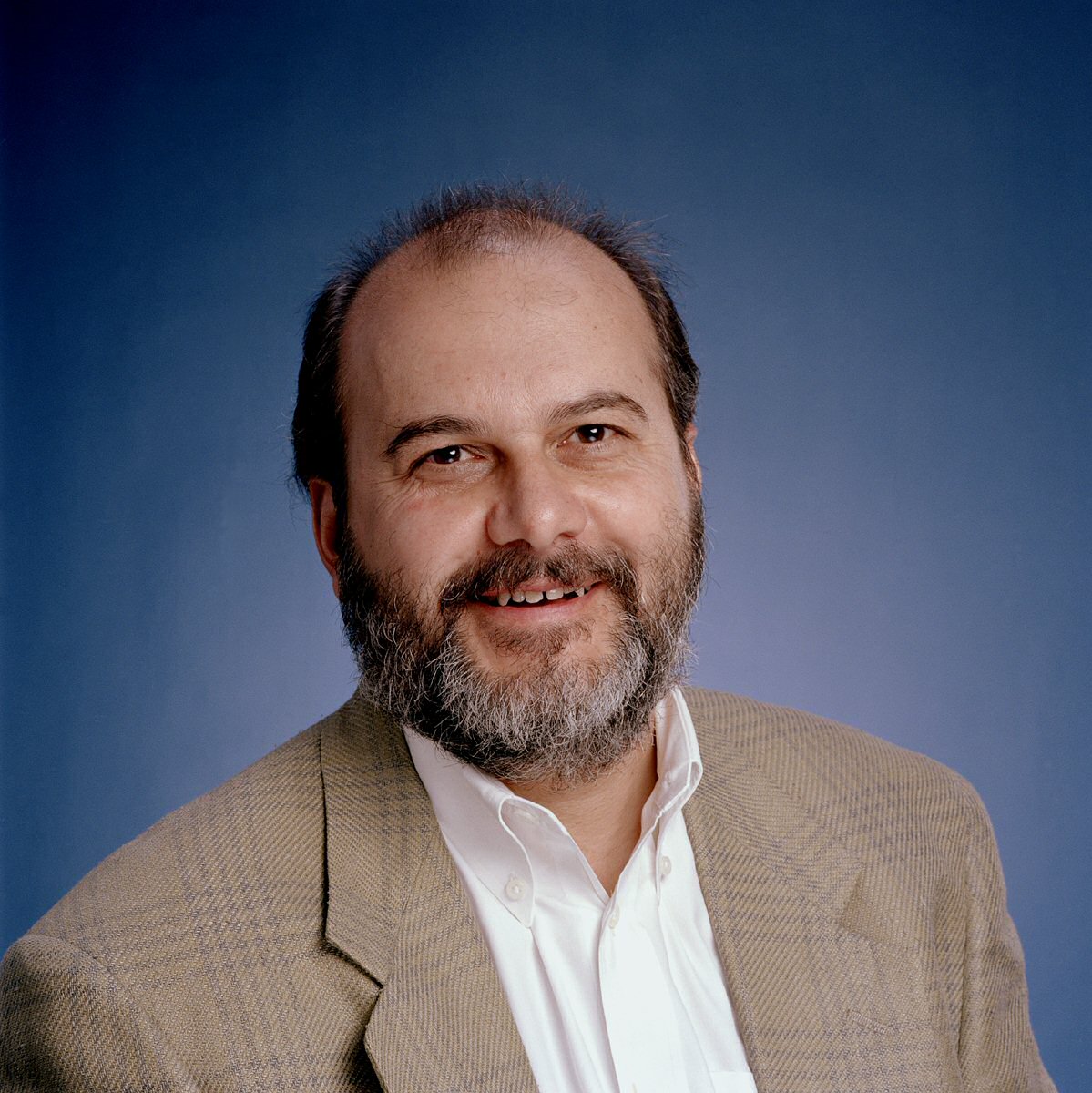
Karla Hoff is a senior research economist at the World Bank. Shale Horowitz is associate professor in political science at the University of Wisconsin at Milwaukee. Branko Milanovic is a senior associate at the Carnegie Endowment for International Peace.
Karla Hoff
Shale Horowitz
Former Adjunct Scholar
Milanovic is a lead economist in the World Bank's research department,where he has been working on the topics of income inequality and globalization. Previously, he was a World Bank country economist for Poland and a research fellow at the Institute of Economic Sciences in Belgrade.
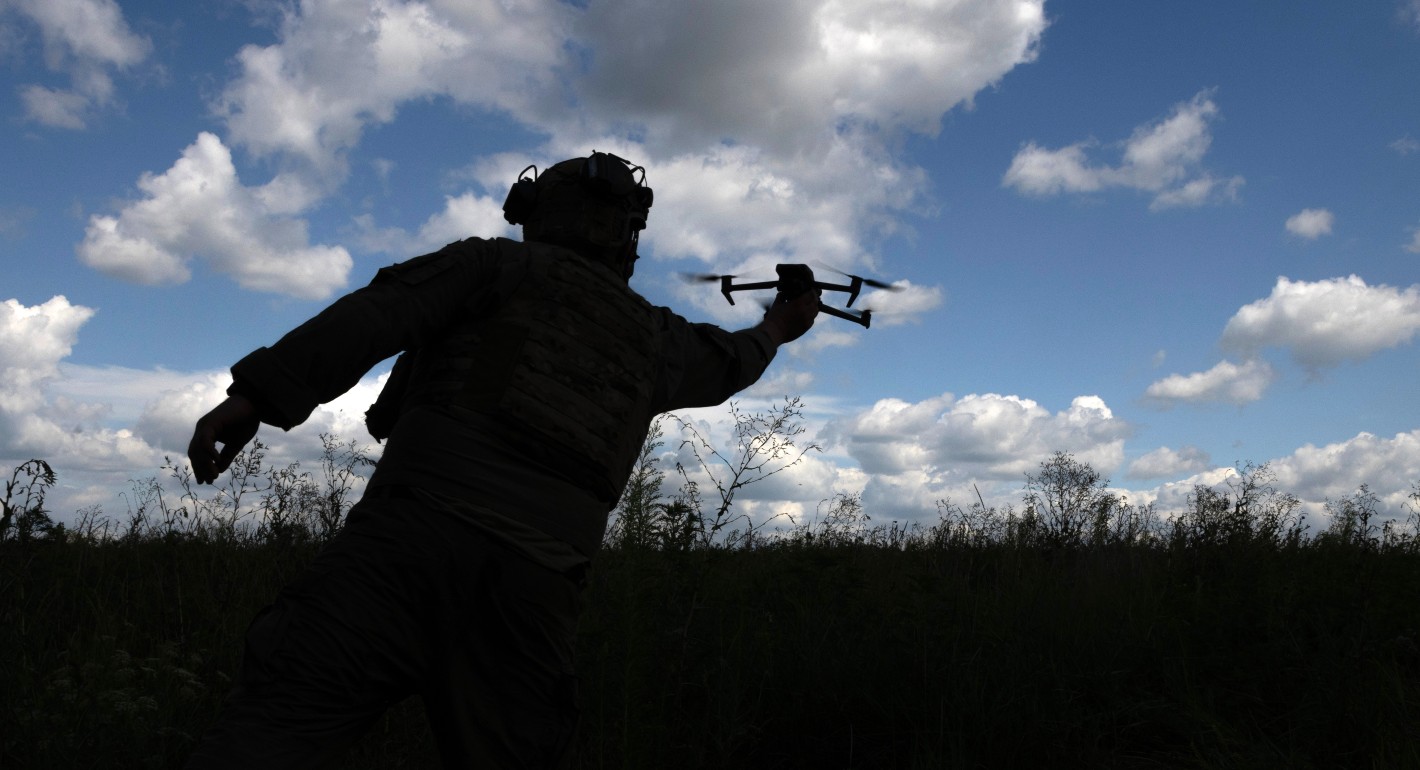
How Ukraine is driving doctrinal change in modern warfare.
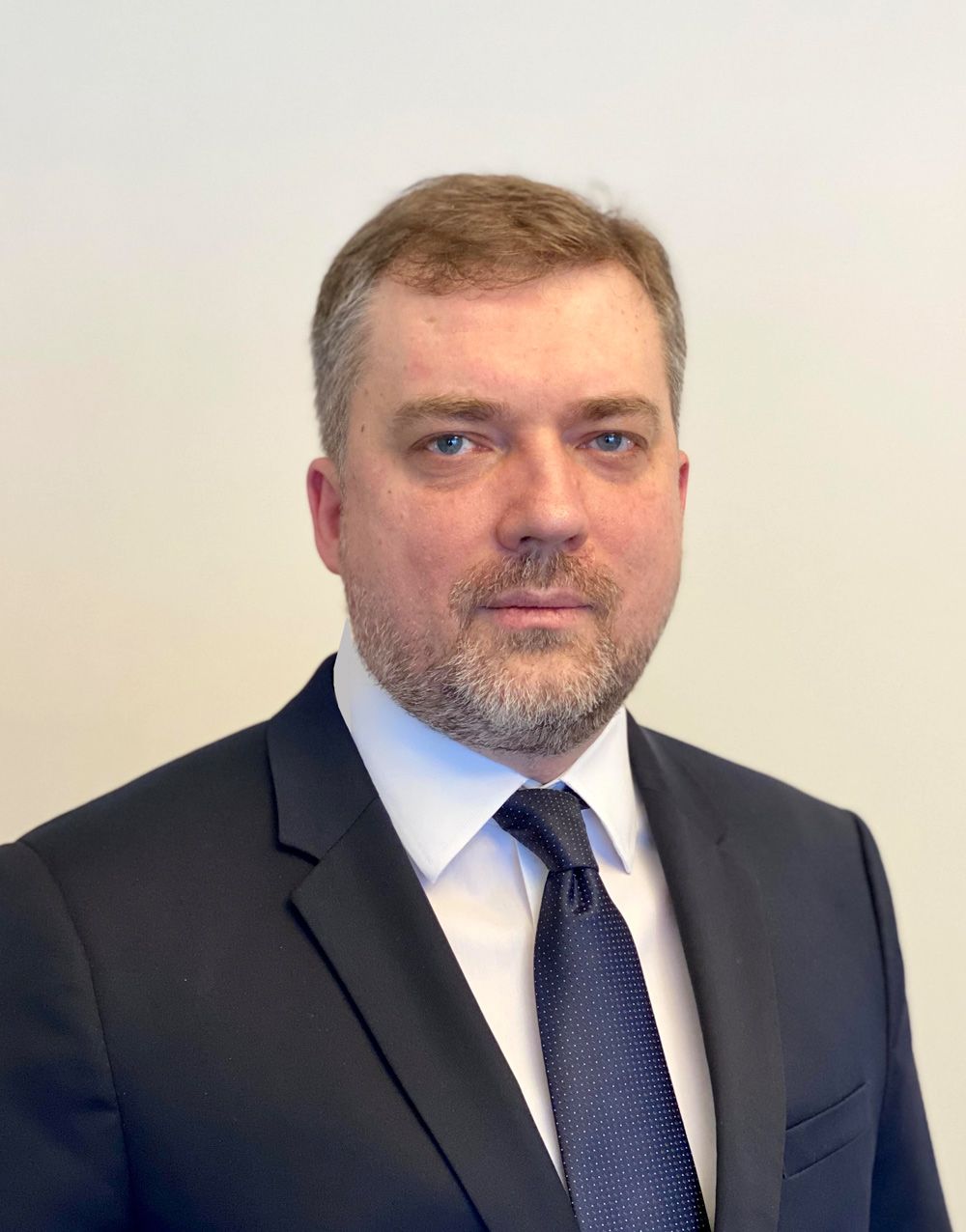
Andriy Zagorodnyuk
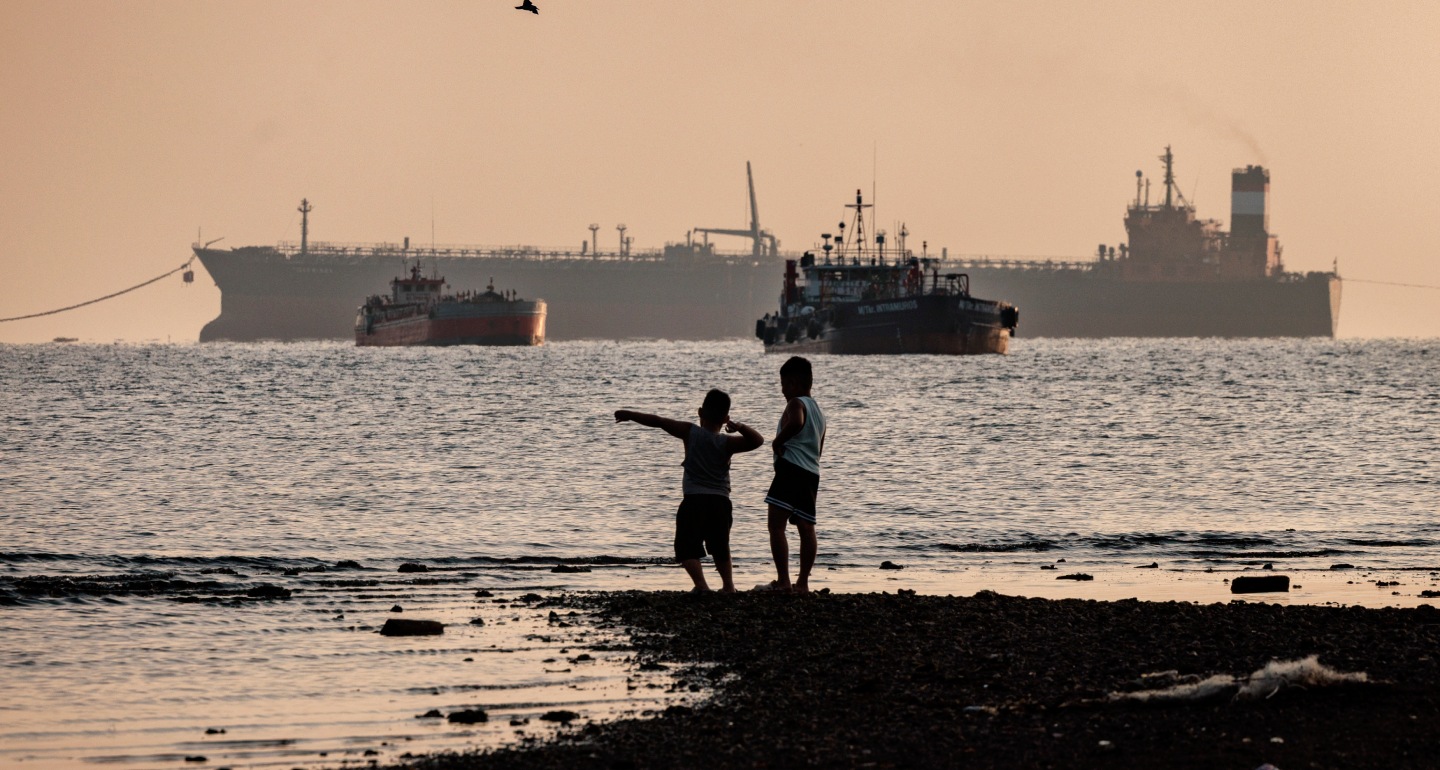
Although Ukrainian strikes have led to a noticeable decline in the physical volume of Russian oil exports, the rise in prices has more than made up for it.

Sergey Vakulenko
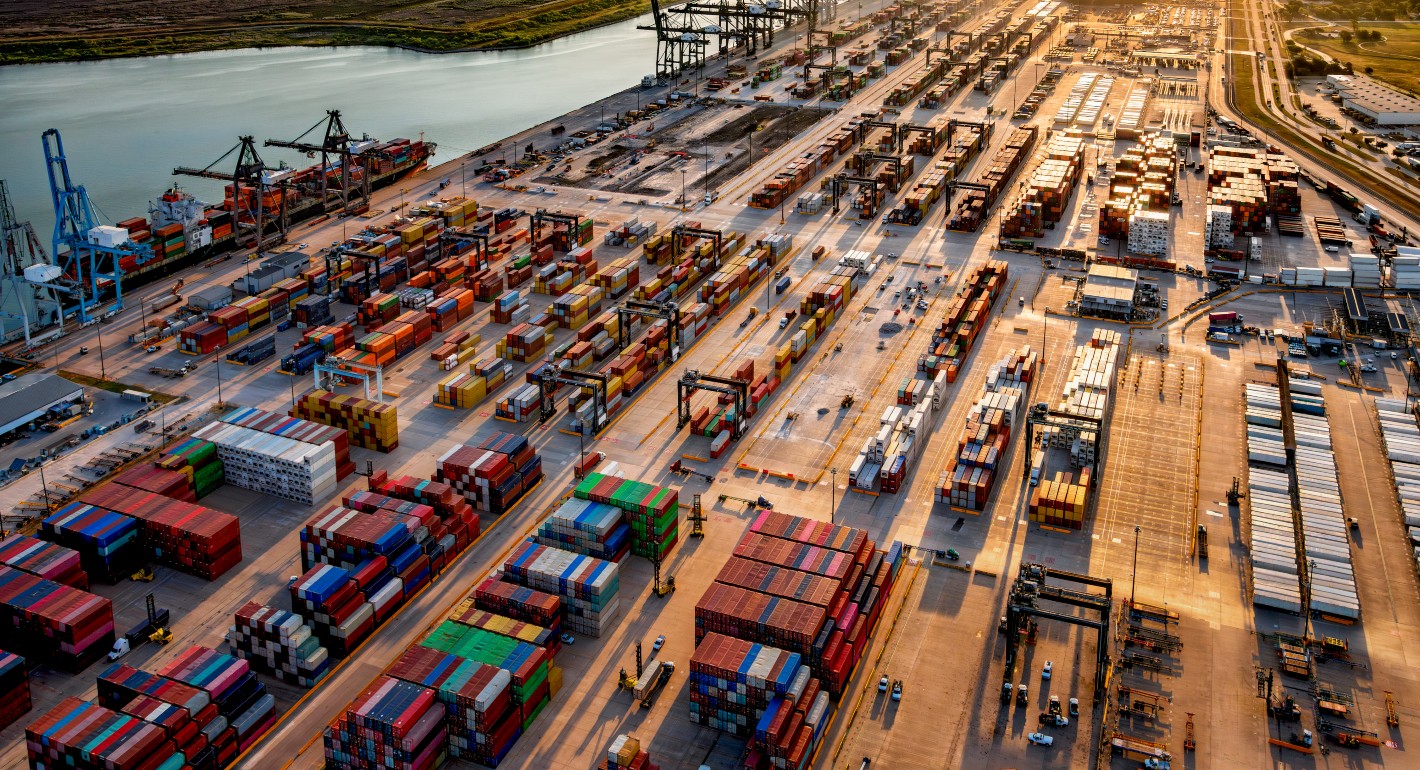
Five problems—and solutions—to make it actually work as a tool of great power competition.
Afreen Akhter
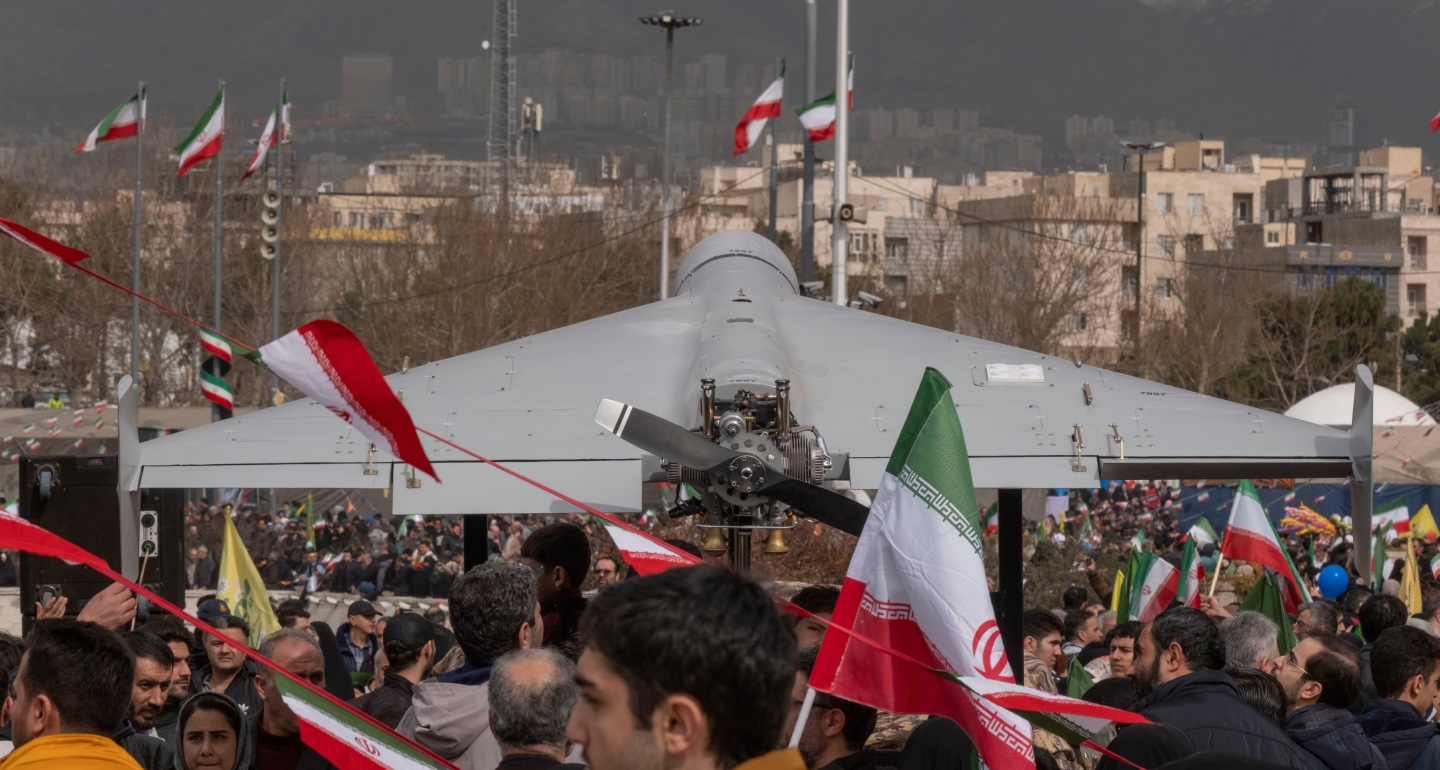
The Russian leadership wants to avoid a dangerous precedent in which it is squeezed out of Iran by the United States and Israel—and left powerless to respond in any meaningful way.

Nikita Smagin
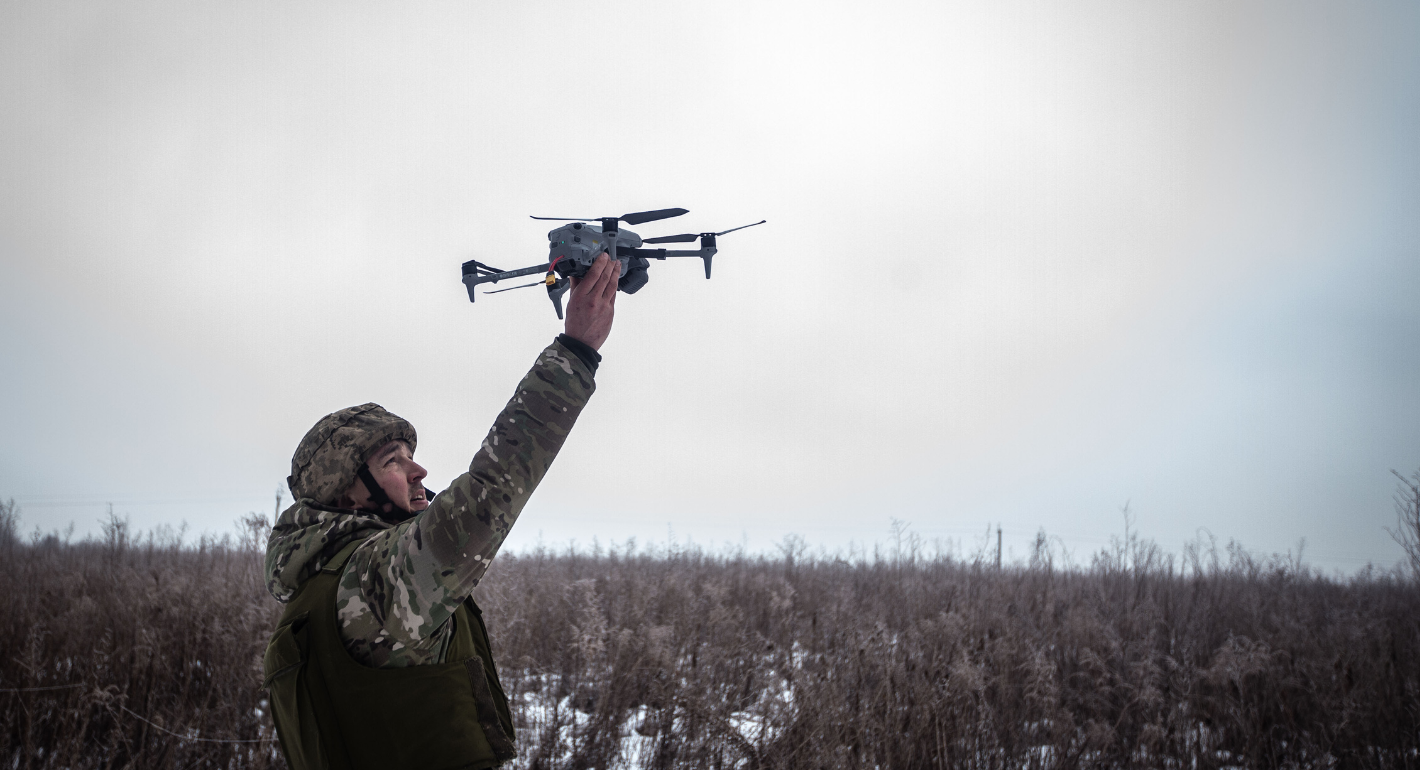
In Ukraine, Gaza, and Iran, AI warfare has come to dominate, with barely any oversight or accountability. Europe must lead the charge on the responsible use of new military technologies.

Raluca Csernatoni