

Other
Taiya M. Smith
{
  "authors": [
    "Taiya M. Smith"
  ],
  "type": "legacyinthemedia",
  "centerAffiliationAll": "dc",
  "centers": [
    "Carnegie Endowment for International Peace"
  ],
  "collections": [],
  "englishNewsletterAll": "asia",
  "nonEnglishNewsletterAll": "",
  "primaryCenter": "Carnegie Endowment for International Peace",
  "programAffiliation": "AP",
  "programs": [
    "Asia",
    "Sustainability, Climate, and Geopolitics"
  ],
  "projects": [],
  "regions": [
    "East Asia",
    "China",
    "North America"
  ],
  "topics": [
    "Political Reform",
    "Climate Change"
  ]
}
Source: Getty
China has a unique role to play at Copenhagen: it is not a developed country nor is it simply a developing country, but rather somewhere in the middle.
Source: The British Embassy's 100 Voices 100 Days
China has a unique role to play at the Copenhagen negotiations. The Chinese already have a domestic plan in place, laid out by President Hu. They intend to use this plan to pressure developed nations to recognize China's unique position as a rapidly growing developing nation that has taken on a leadership role, yet still does not fit the profile of an industrialized nation.
Even if a global deal is not reached at Copenhagen, the negotiations will be a success if the world comes up with a framework that allows all countries, including China, to move forward to the next stage of international action while continuing to deal with climate change on a domestic level.

Former Senior Associate, Energy and Climate Program, Asia Program
Smith has spent the last decade working in international negotiations. Most recently, she served as a member of Secretary Hank Paulson’s senior management team from 2006 to 2009 as the deputy chief of staff and executive secretary for the U.S. Department of the Treasury.
Recent Work
Uri Dadush, Vera Eidelman, Taiya M. Smith
Carnegie does not take institutional positions on public policy issues; the views represented herein are those of the author(s) and do not necessarily reflect the views of Carnegie, its staff, or its trustees.
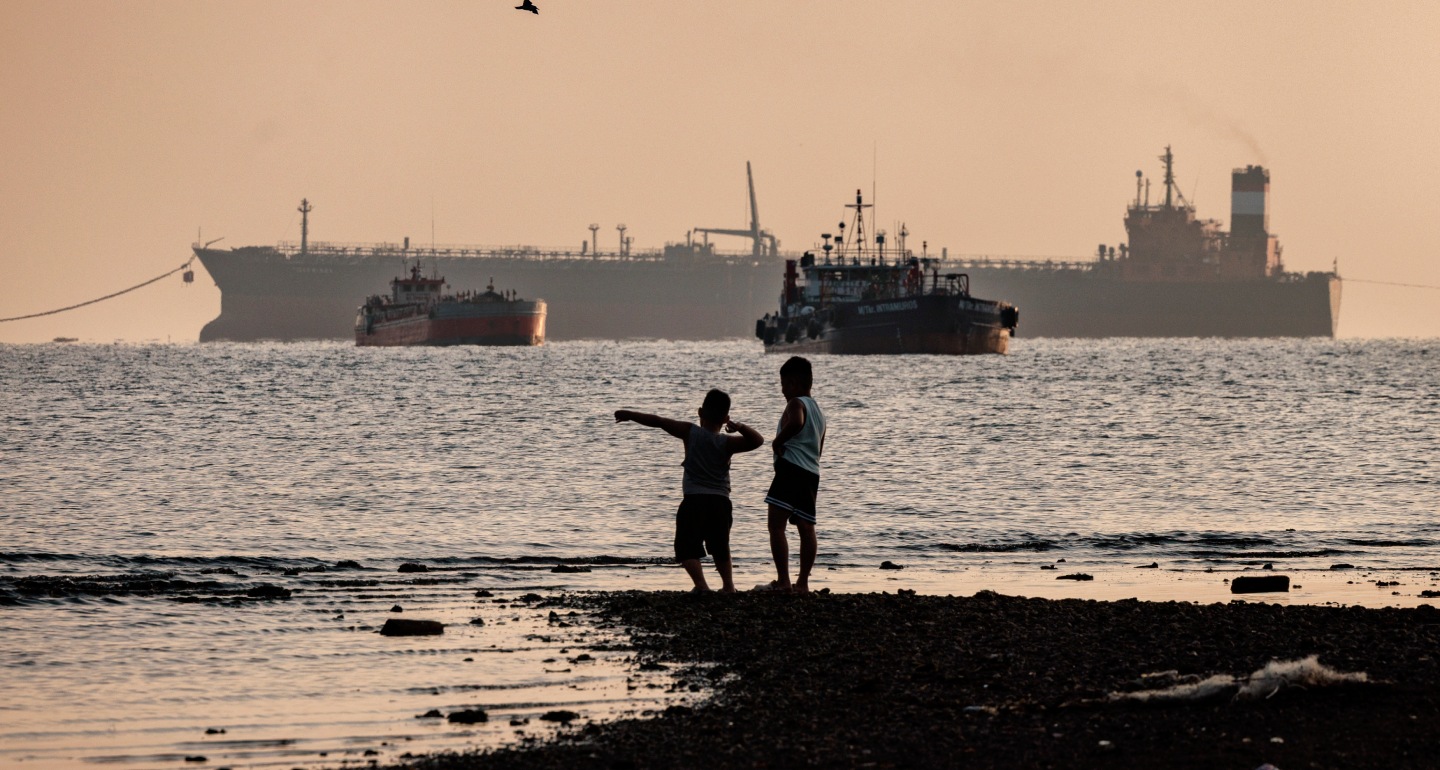
Although Ukrainian strikes have led to a noticeable decline in the physical volume of Russian oil exports, the rise in prices has more than made up for it.

Sergey Vakulenko
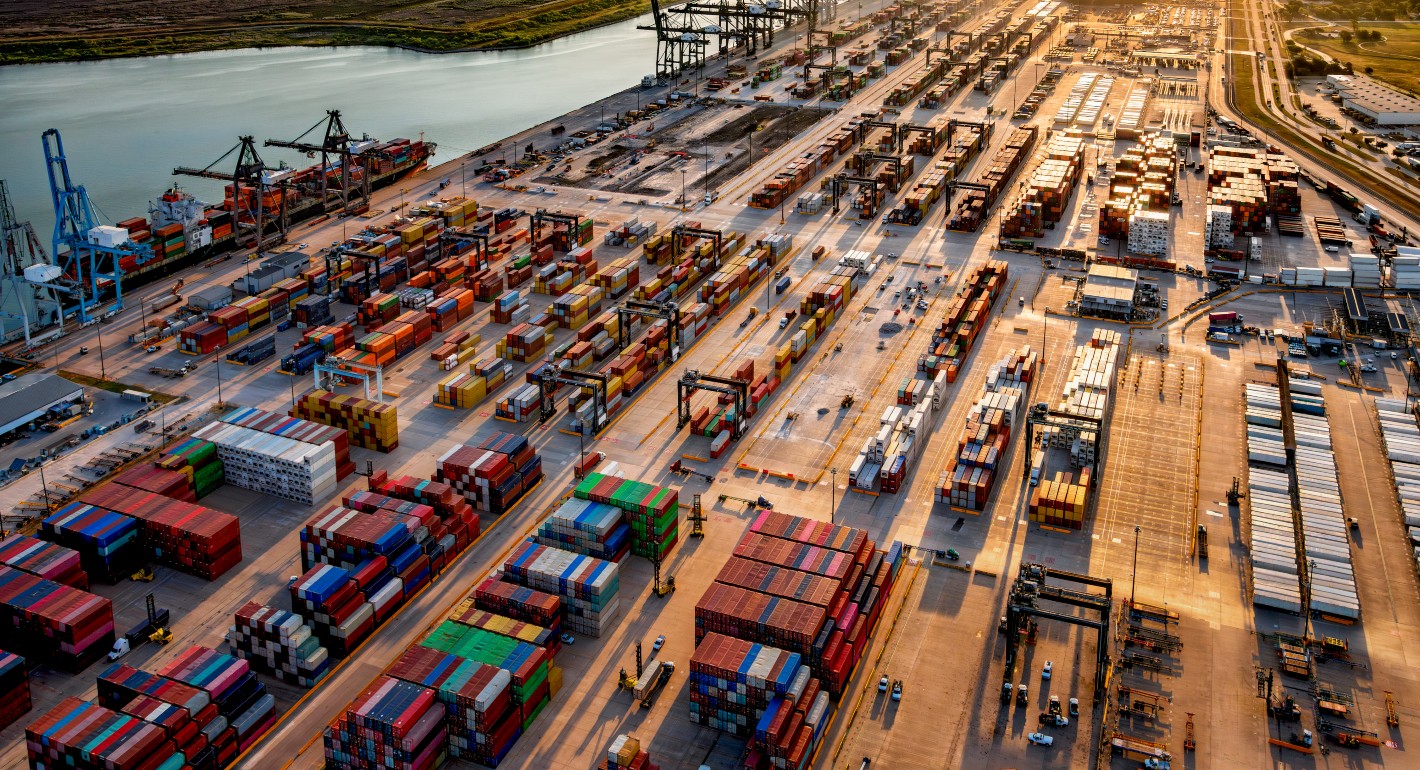
Five problems—and solutions—to make it actually work as a tool of great power competition.

Afreen Akhter
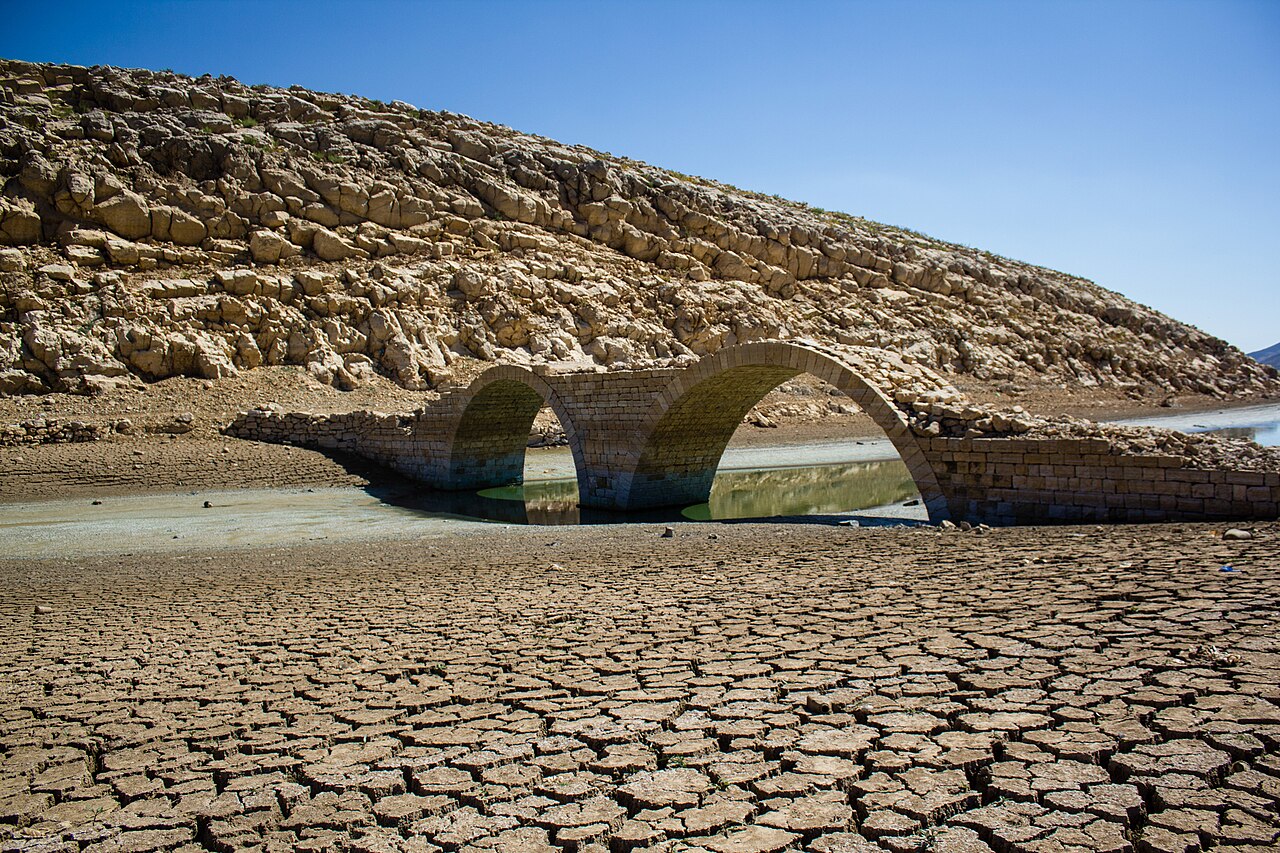
Lebanon’s largest water reservoir is a house of many mansions when it comes to converging failures.
Camille Ammoun
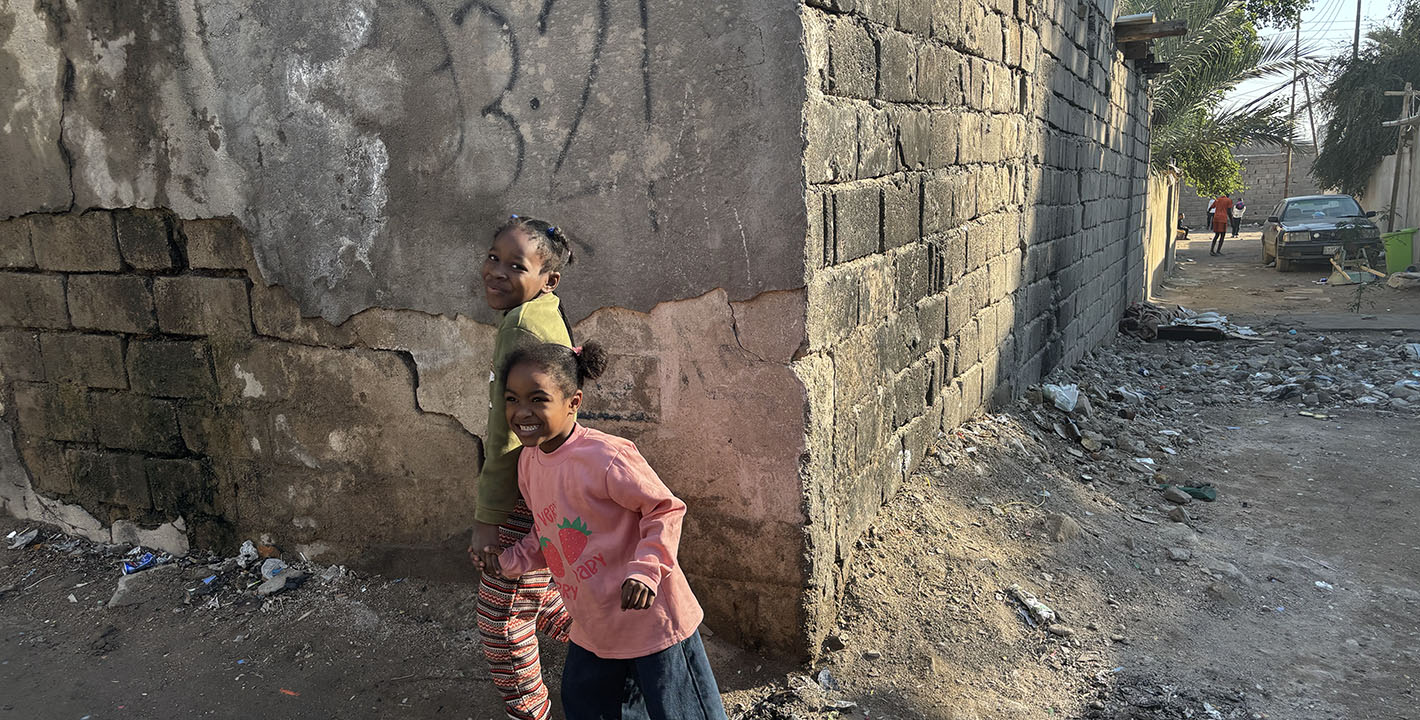
Afro-Iraqis experience political, economic, and social marginalization and discrimination, which exposes the poorest members of the community to the harsh realities of the region’s climate disaster.

Zeinab Shuker

Mitigating the repercussions of climate change in Kuwait is crucial for lessening economic disparities and achieving social justice.
Courtney Freer