

Commentary
Evan A. Feigenbaum
{
  "authors": [
    "Evan A. Feigenbaum"
  ],
  "type": "commentary",
  "centerAffiliationAll": "dc",
  "centers": [
    "Carnegie Endowment for International Peace"
  ],
  "collections": [
    "China and the World",
    "Dynamic Security Risks in Asia"
  ],
  "englishNewsletterAll": "asia",
  "nonEnglishNewsletterAll": "",
  "primaryCenter": "Carnegie Endowment for International Peace",
  "programAffiliation": "AP",
  "programs": [
    "Asia"
  ],
  "projects": [],
  "regions": [
    "China",
    "Central Asia",
    "Kazakhstan",
    "Russia"
  ],
  "topics": [
    "Economy",
    "Foreign Policy"
  ]
}
Source: Getty
All eyes will be on the China-Russia strategic partnership, but the Shanghai Cooperation Organization’s Central Asian members have greater confidence and bargaining power than ever before—and Beijing knows it.
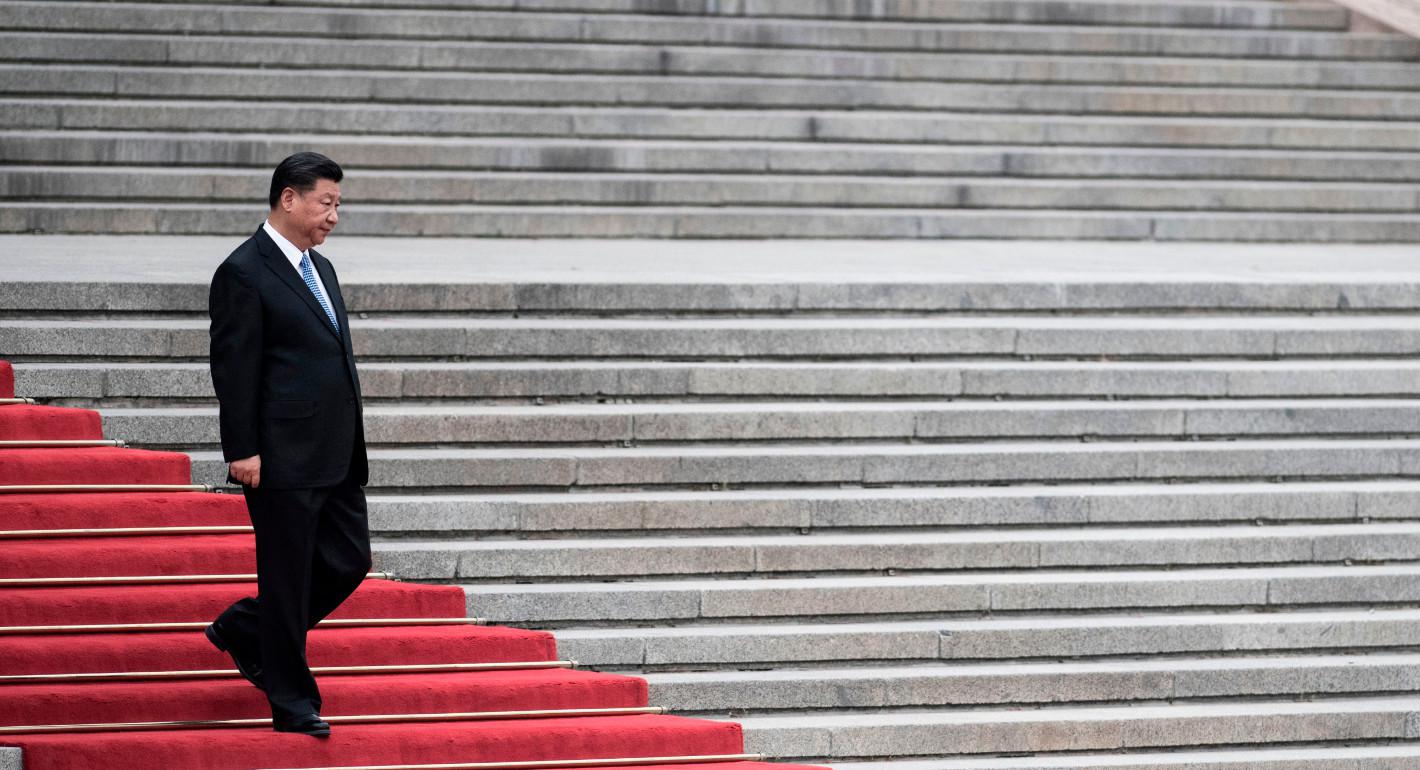
This week, Chinese President Xi Jinping makes his first trip abroad since the 2020 outbreak of the coronavirus pandemic. Xi will make a state visit to Kazakhstan and Uzbekistan and then attend the summit of the Shanghai Cooperation Organization (SCO), a multilateral group with Russia and China’s Eurasian neighbors that was founded some twenty years ago at Beijing’s behest.
On the margins of the SCO, Xi is certain to hold a bilateral meeting with Russian President Vladimir Putin. And with Russian forces on the retreat in Ukraine, Moscow isolated by the transatlantic West, and sanctions on Russia’s economy multiplying, all eyes will be on whether Xi leans further into Beijing’s strategic partnership with Moscow and throws Putin new diplomatic guarantees and economic lifelines.
But it is a mistake to look at what Xi is doing this week through the prism of China-Russia bilateral ties alone. Over the past two decades, the Chinese have invested heavily in a policy that builds strong ties with Beijing’s Central Asian neighbors. Those countries, which used to be part of the Soviet Union, are deeply uncomfortable with Russian actions in Ukraine—threatened by them, perpetually under pressure from Moscow, and looking for some breathing space. Kazakhstan, in particular, has found ways to put a bit of distance between itself and Moscow over the war.
So, Xi’s dilemma is threefold. First, he has a lot riding on his personal investment in a strategic partnership with Russia. He will want to buck up Moscow generally and Putin personally. But second, if he leans too hard into that, he will drive a wedge with the other neighbors, whom Beijing wishes to cultivate, and split the SCO in the process. Third, it would be spectacularly inept to choose the moment of maximum Russian tactical retreat in Ukraine to lean into Moscow even harder than Beijing already has.
For this reason, it seems more likely that Xi will continue what I have called the “Beijing straddle.” On the one hand, China will provide diplomatic support for Russia and broad commitments to a Beijing-Moscow entente whose principal rationale and focus is to counterbalance Washington and backfoot the favored global institutions and policy preferences of the transatlantic West and Japan. On the other, China will continue de facto compliance with Western sanctions to avoid painting a target on its own back, and it will deploy mealy-mouthed language about “peace” and “stability” aimed at placating the Central Asian nations and partners in the Global South that are uneasy about Moscow’s war in Ukraine.
As I argued in February, on the very first day of the Russian invasion, China is a self-interested power. It has every reason to be selfish about its own interests, not to run interference as a proxy for Moscow’s interests. China is the stronger power than Russia. And its interests are more global—and more multifaceted. Beijing’s goal is surely to preserve its entente with Russia at the strategic level, to counterbalance American power and growing economic pressure on China from the West. But it wants to do this without having to back Moscow at the tactical level, since it also benefits from preserving global market access, avoiding Western sanctions, and building relations with countries, like those in Central Asia, that are terrified of Russia.
This is a balance that Xi would struggle to strike if he appears to back Putin or the Russian war in Ukraine wholesale. For this reason, reports this week that Li Zhanshu, Xi’s close political ally and the number-three official in the Chinese Communist Party, “expressed support for Russia’s invasion of Ukraine” at a meeting with Putin in Vladivostok seem unlikely to guide his boss’s approach. Official Chinese accounts of Li’s meetings do not even mention the word “Ukraine.” Instead, Beijing’s Central Asian partners will want to hear vague rhetorical boilerplate that reflects their concerns and interests and preserves the Beijing straddle.
Because China has invested a great deal of its prestige into the SCO, Beijing will be sensitive to some of these regional concerns. Moscow has never been able to get much traction with SCO members in its effort to extract support for its aggressive actions. For example, at the 2008 SCO summit in Dushanbe, Tajikistan, then president Dmitri Medvedev attempted unsuccessfully to get the group to endorse Russia’s actions in Georgia, where it invaded and then detached Abkhazia and South Ossetia. The other SCO members refused, with China rallying much of the opposition—not least because the precedent of hiving off parts of sovereign states might, from Beijing’s perspective, undercut its claim to be “sovereign” over Taiwan. Today, China has grown much closer to Moscow strategically, but the SCO’s Central Asian members also have greater power and agency than in 2008. They will clearly express their discomfort with Russia to China—making it unlikely that the SCO will “endorse” Russian actions.
Put bluntly, regional players in the SCO have come a long way. China generally, and Xi personally, are unlikely to make this entire week solely about China-Russia relations. Beijing is a multidimensional power that has other relationships and interests at stake. Refracting Chinese diplomacy and Xi’s visit solely through the prism of the Beijing-Moscow condominium would ignore two decades of China’s investments in relations with its neighbors, downplay the stakes for Xi, and miss the multifaceted interests that have led China to straddle since February 24.

Vice President for Studies
Evan A. Feigenbaum is vice president for studies at the Carnegie Endowment for International Peace, where he oversees work at its offices in Washington, New Delhi, and Singapore on a dynamic region encompassing both East Asia and South Asia. He served twice as Deputy Assistant Secretary of State and advised two Secretaries of State and a former Treasury Secretary on Asia.
Recent Work
Evan A. Feigenbaum
Evan A. Feigenbaum
Carnegie does not take institutional positions on public policy issues; the views represented herein are those of the author(s) and do not necessarily reflect the views of Carnegie, its staff, or its trustees.
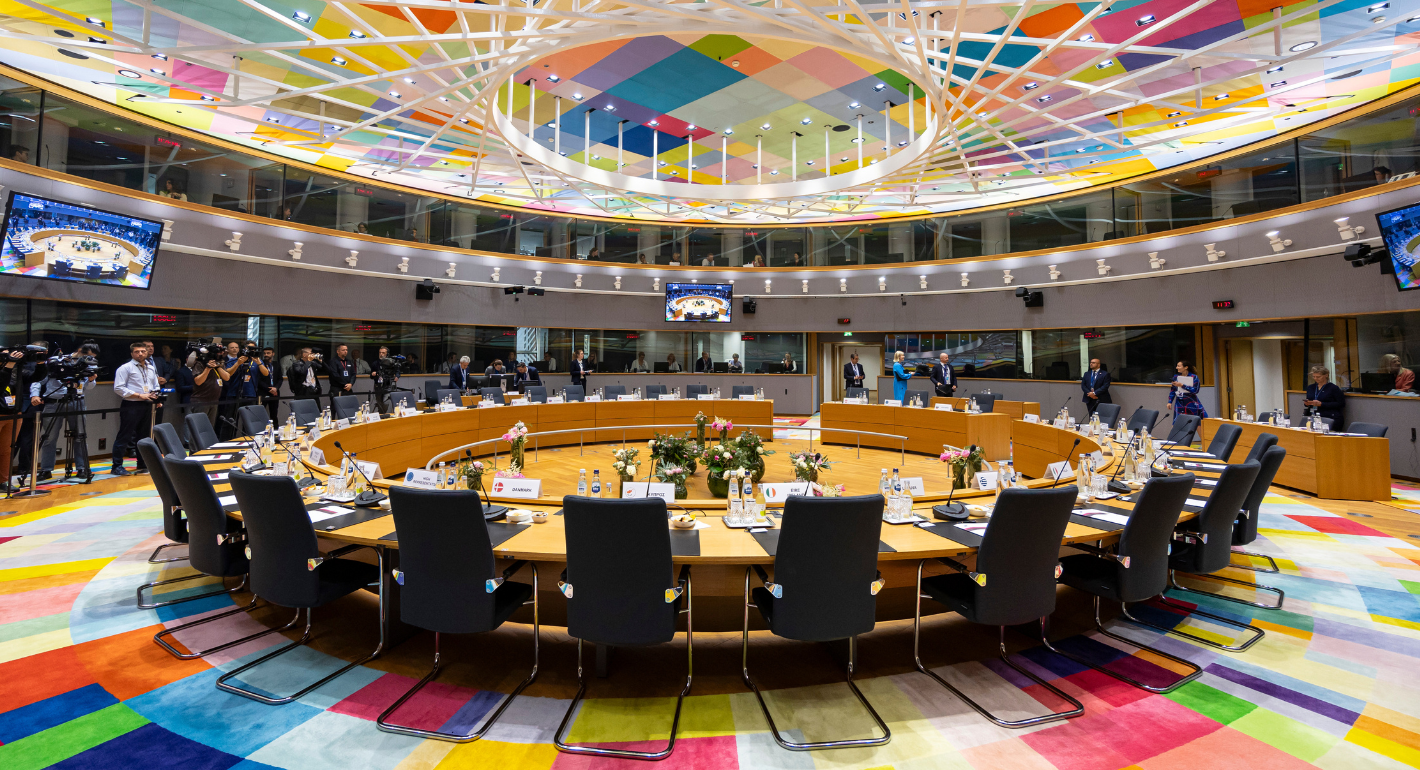
Countries face several hurdles in joining the EU, including the final stage of ratifying their accession treaties. Procedural reforms and substantive adjustments could help move the process forward.

Stefan Lehne

Tokyo would have to surmount a lot of obstacles—not least Western sanctions—if it wanted to return Russian oil imports to even modest pre-2022 volumes.

Vladislav Pashchenko
Power assessments shape our perceptions of the limits of the possible, but quantitative rankings and dashboards can provide false confidence.
Nicholas Kitchen
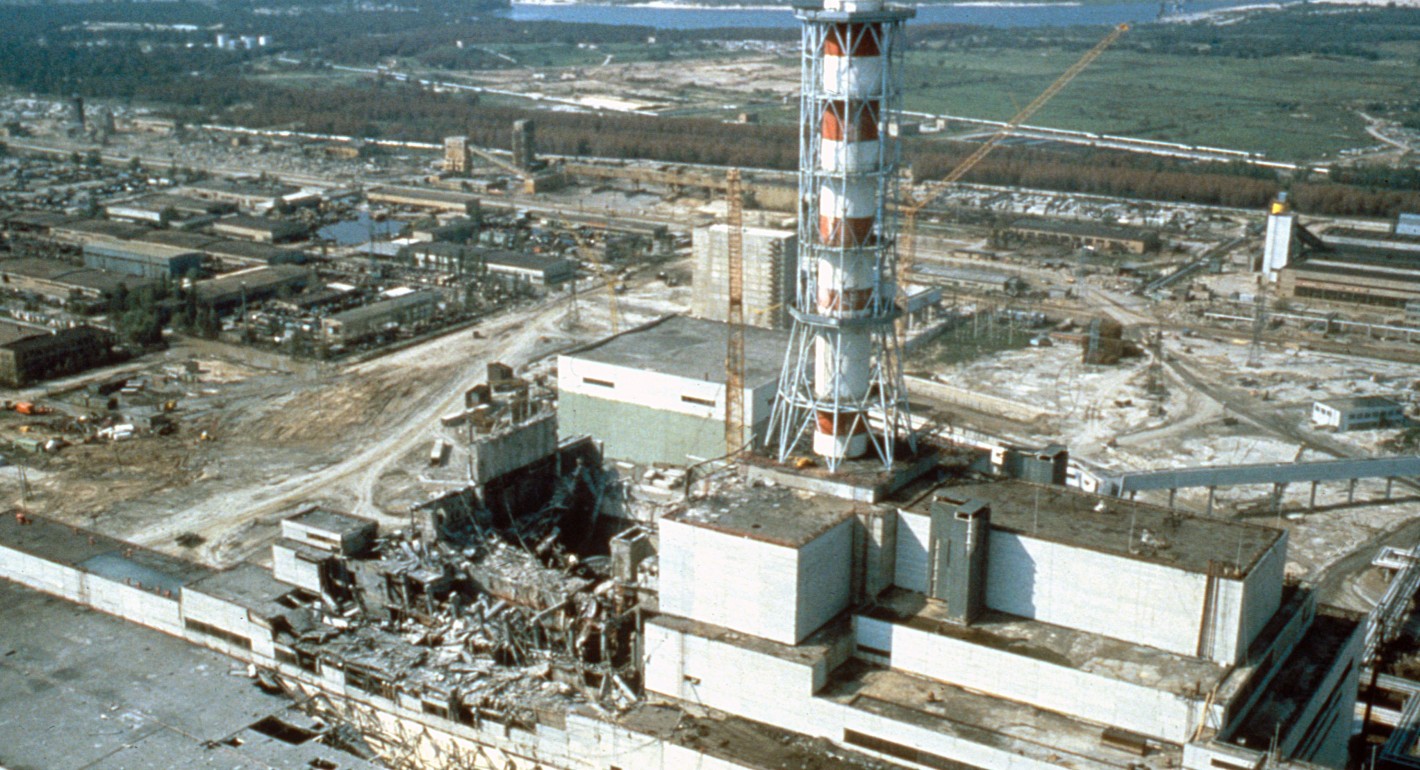
The 1986 incident showed that a nuclear accident anytime is a nuclear accident for all time.
Corey Hinderstein
Europe has an interest in supporting Armenian leader Nikol Pashinyan as he tries to make peace with neighbors and loosen ties with Russia. But it is depersonalized support in the long term, not quickfire flash, that will win the day.

Thomas de Waal