

Article
Леонид Гозман, Michael McFaul

REQUIRED IMAGE
Source: Carnegie
Summary
A new narrative about post-Soviet Russia is taking hold in policy, media, and academic circles and shows signs of entrenching as a new conventional wisdom. By this reading, Russia's experiment with democracy has flat-out failed. So misconceived and mismanaged were the political and economic reforms of the 1990s that they have fueled mass disenchantment with democratic norms and brought authoritarianism back into repute. Russians, in short, are said to be giving up on democracy.
In this working paper, Timothy J. Colton and Michael McFaul agree that Russian democratic institutions are performing miserably and that leaders, especially since Putin's ascent to power, have done much to compromise and erode democratic practices. Colton and McFaul's findings suggest, however, that the many and obvious limitations of Russia's political system are not caused by, or consistently reinforced by, popular attitudes toward democracy.
Click on link above for full text of this Carnegie Paper.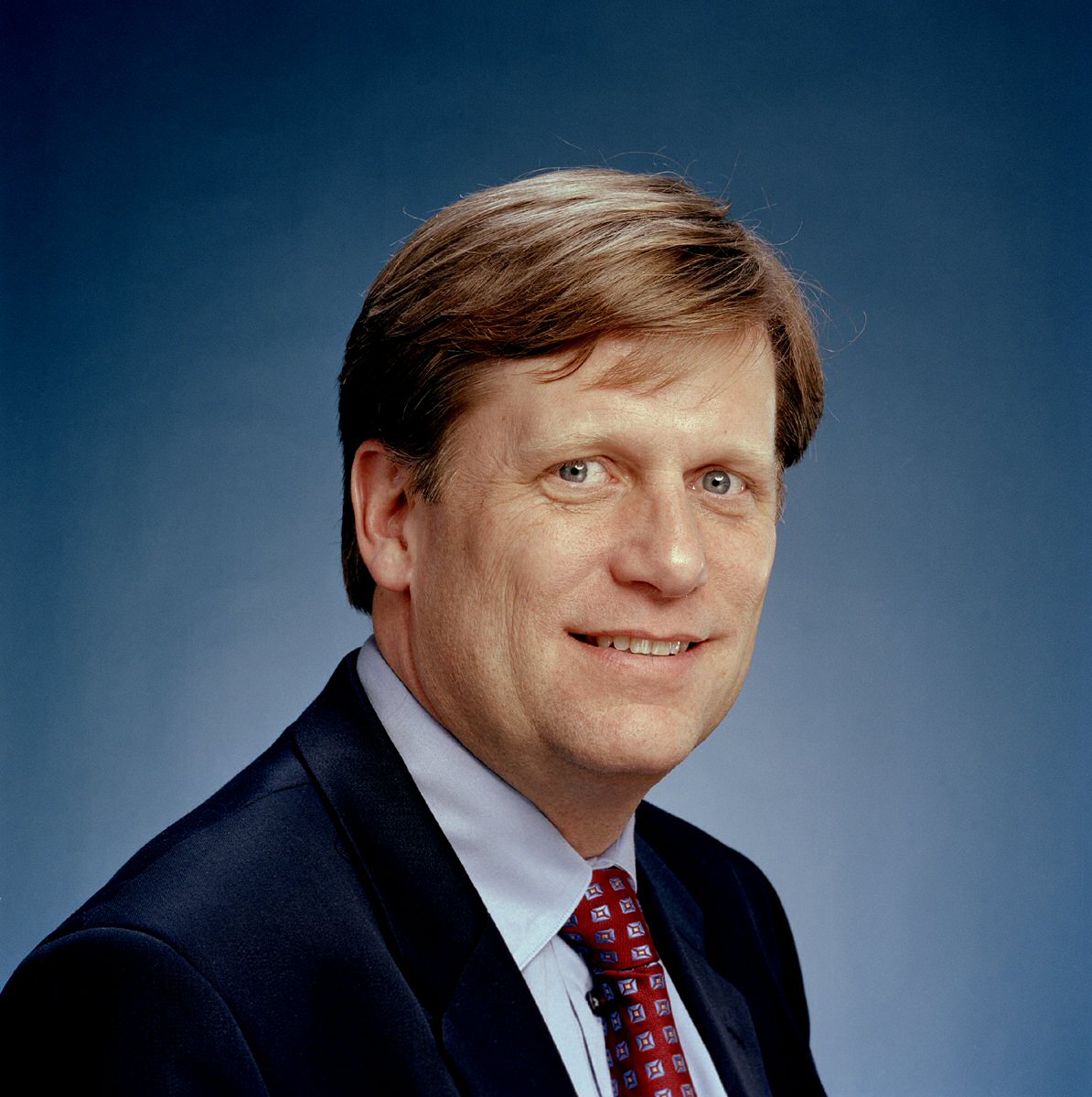
Former Senior Associate
In addition to his role at Carnegie, McFaul is Peter and Helen Bing Senior Fellow at the Hoover Institution and associate professor of political science at Stanford University.
Recent Work
Леонид Гозман, Michael McFaul
Michael McFaul, Sanja Tatic
Carnegie does not take institutional positions on public policy issues; the views represented herein are those of the author(s) and do not necessarily reflect the views of Carnegie, its staff, or its trustees.

If the Russian-speaking community in Latvia cannot articulate their interests without being seen as disloyal, they could end up embracing a pro-Kremlin agenda.

Sergejs Potapkins

Russia’s ruling party would have benefited from Putin appearing as its distant patron, but as an active frontman imposing his views on the public, he has done nothing but harm both the party’s election campaign and the ruling system overall.

Andrey Pertsev

European Commission President Ursula von der Leyen is about to give her annual address on the state of the EU. Here’s what she won’t—but should—say.

Rym Momtaz

Depleted financial reserves and a shrinking tax base mean it is no longer possible to simultaneously deliver high defense spending, price stability, and economic growth.

Alexandra Prokopenko

Blurring the line between humans and animals is a long-standing tradition in social utopian prose. In his latest novel, Leonid Bershidsky reminds us that in social experiments, people are often treated no differently than animals.

Alexander Baunov