

Other
Michael D. Swaine

Source: Getty
The first section of this paper looks at the basic objectives of Taiwan’s defense reform and modernization programs and the successes and failures to date. The second section assesses the underlying reasons for those successes and failures. A final section assesses the prospects for the future and the implications for U.S. policy and U.S.–ROC relations.
Source: Carnegie

The Taiwan Strait is one of the two places in the Asian Pacific where a major war could break out; the other place is the Korean Peninsula. For over fifty years, the People’s Republic of China (PRC) and the Republic of China (ROC, or Taiwan) have maintained an uneasy peace across the Strait, punctuated by brief periods of limited conflict or by occasional military displays.
The first section of this paper looks at the basic objectives of Taiwan’s defense reform and modernization programs and the successes and failures to date. The second section assesses the underlying reasons for those successes and failures. A final section assesses the prospects for the future and the implications for U.S. policy and U.S.–ROC relations.
About the Author
Michael D. Swaine is a senior associate in the China Program at the Carnegie Endowment. He specializes in Chinese security and foreign policy, U.S.-China and U.S.-Taiwan defense and security relations, and Asian strategic issues. He is also the author of Reverse Course? The Fragile Turnaround in U.S.-China Relations.(Carnegie Endowment Policy Brief No. 22)

Former Senior Fellow, Asia Program
Swaine was a senior fellow at the Carnegie Endowment for International Peace and one of the most prominent American analysts in Chinese security studies.
Recent Work
Michael D. Swaine
Michael D. Swaine
Carnegie does not take institutional positions on public policy issues; the views represented herein are those of the author(s) and do not necessarily reflect the views of Carnegie, its staff, or its trustees.

The Plaza Accord was not an externally imposed punishment of Japan but part of a broader restructuring that Japanese economists and policymakers themselves recognized was necessary. Its effects were undermined, however, when Tokyo responded to the resulting slowdown with policies that exacerbated investment, credit expansion, and the very imbalances the adjustment was intended to resolve.

Michael Pettis

Trump has promised Belarus a massive potash deal. But Minsk is seeking something greater: restored Western transit and greater room for maneuver from Russia.

Balázs Jarábik
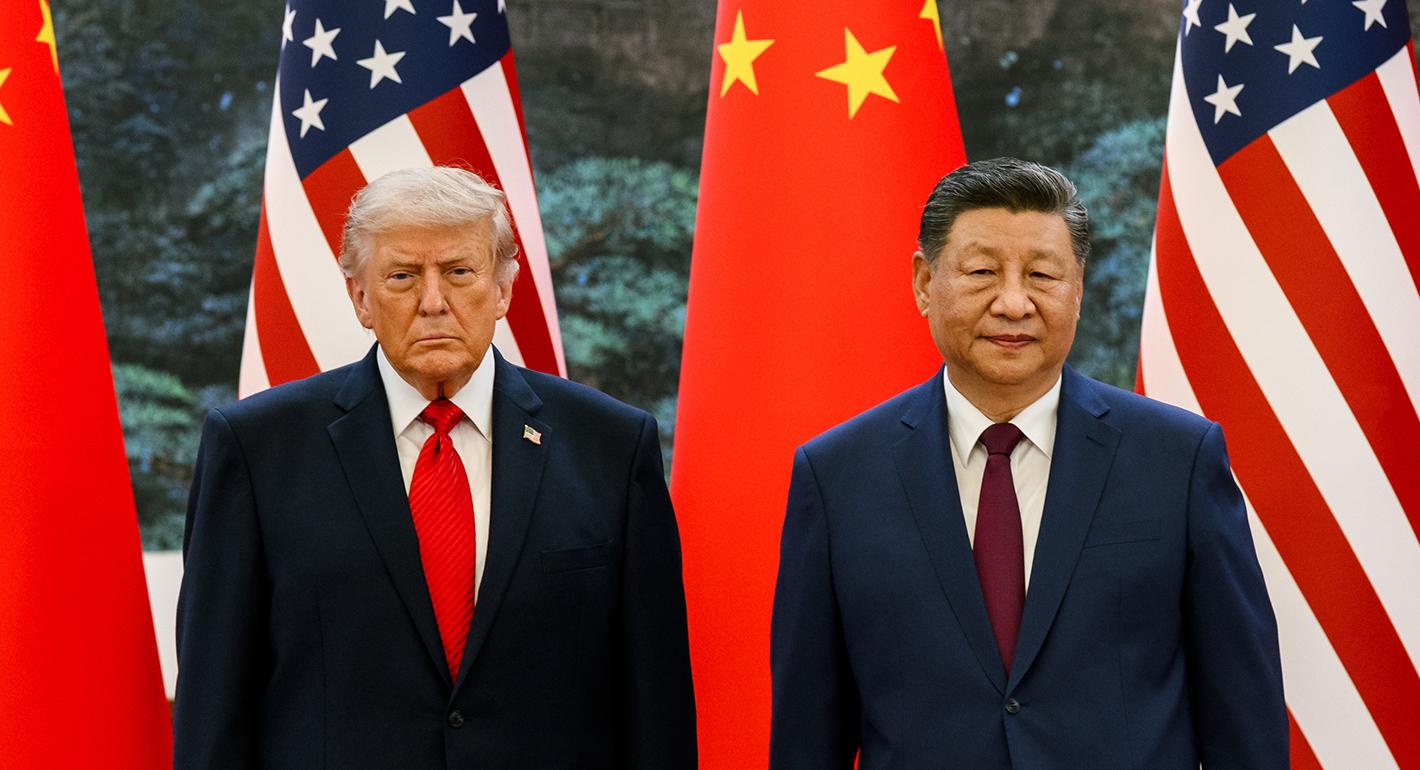
The real test may come after the leaders leave the room.



Sheena Chestnut Greitens, Oriana Skylar Mastro, Yukon Huang, …

The Horn of Africa countries are among those facing a new security calculus.


Andrew Leber, Lesley Anne Warner

The European far right might fail to steer EU policy in the direction Russia wants, but they will create enough chaos inside Europe to benefit the Kremlin.

Dimitar Bechev