U.N. Secretary General Kofi Annan calls in a new report for states to renew efforts to improve verification and enforcement measures in the nuclear nonproliferation regime. The report, released March 21, urges nuclear-weapons states to reaffirm their commitment to disarmament by irreversibly reducing their nuclear arsenals and to uphold the moratorium on nuclear testing until the Comprehensive Test Ban Treaty enters into force. Annan also encourages nuclear-weapons states to provide incentives to other states to voluntarily forego the development of domestic nuclear fuel programs by providing fuel guarantees for peaceful uses. He also calls on states to tighten export controls on missiles, rockets and shoulder-fired missiles. Below, we have provided a full excerpt of the key sections from the report:
C. Nuclear, biological and chemical weapons
97. Multilateral efforts to bridle the dangers of nuclear technology while harnessing its promise are nearly as old as the United Nations itself. The Treaty on the Non-Proliferation of Nuclear Weapons,12 35 years old this month, has proved indispensable: it has not only diminished nuclear peril but has also demonstrated the value of multilateral agreements in safeguarding international peace and security. But today, the Treaty has suffered the first withdrawal of a party to the Treaty and faces a crisis of confidence and compliance born of a growing strain on verification and enforcement. The Conference on Disarmament, for its part, faces a crisis of relevance resulting in part from dysfunctional decision-making procedures and the paralysis that accompanies them.
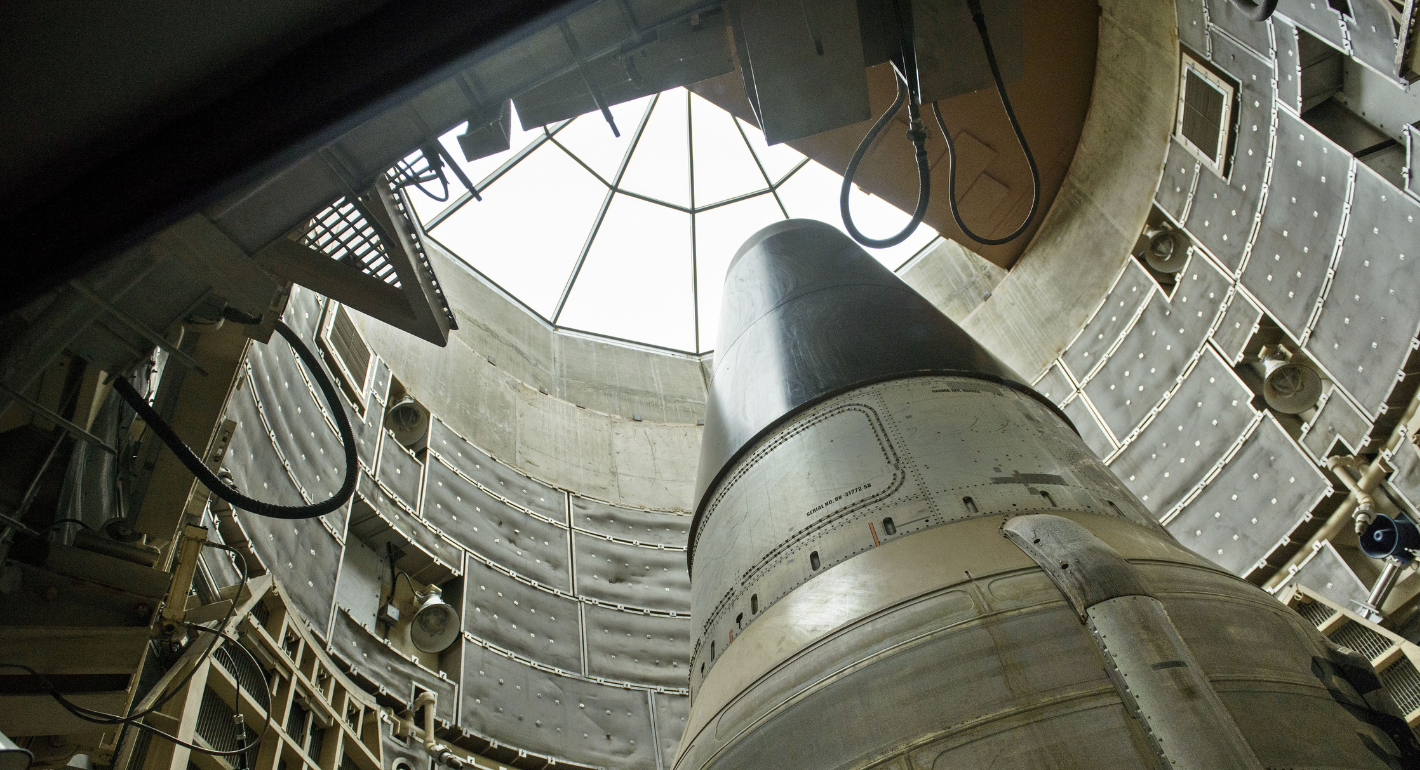
98. Progress in both disarmament and non-proliferation is essential and neither should be held hostage to the other. Recent moves towards disarmament by the nuclear-weapon States should be recognized. Bilateral agreements, including the 2002 Strategic Offensive Reductions Treaty signed by the United States and the Russian Federation, have led to the dismantlement of thousands of nuclear weapons, accompanied by commitments to further sharp reductions in stockpiles. However, the unique status of nuclear-weapon States also entails a unique responsibility, and they must do more, including but not limited to further reductions in their arsenals of non-strategic nuclear weapons and pursuing arms control agreements that entail not just dismantlement but irreversibility. They should also reaffirm their commitment to negative security assurances. Swift negotiation of a fissile material cut-off treaty is essential. The moratorium on nuclear test explosions must also be upheld until we can achieve the entry into force of the Comprehensive Nuclear Test-Ban Treaty. I strongly encourage States parties to the Treaty on the Non-Proliferation of Nuclear Weapons to endorse these measures at the 2005 Review Conference.
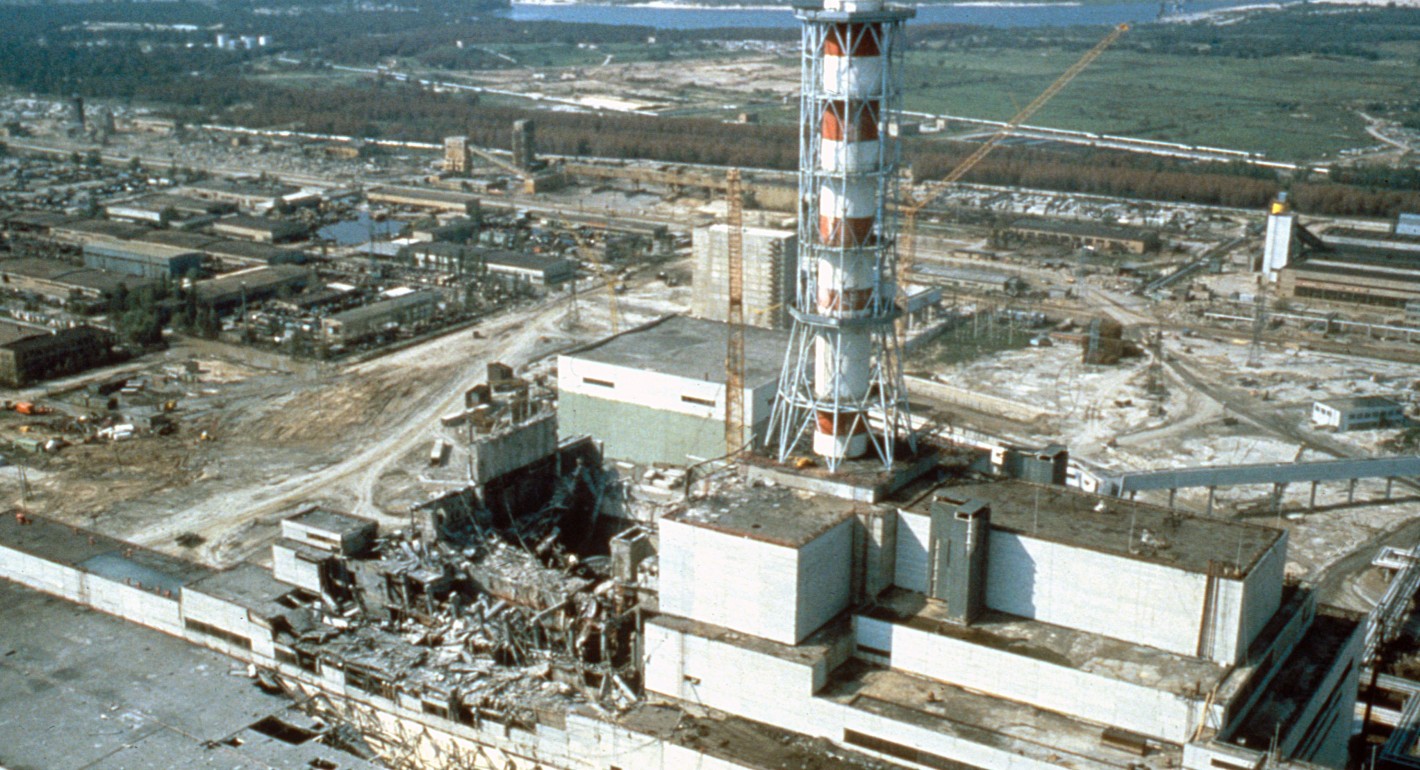
99. The spread of nuclear technology has exacerbated a long-standing tension within the nuclear regime, arising from the simple fact that the technology required for civilian nuclear fuel can also be used to develop nuclear weapons. Measures to mitigate this tension must confront the dangers of nuclear proliferation but must also take into account the important environmental, energy, economic and research applications of nuclear technology. First, the verification authority of the International Atomic Energy Agency (IAEA) must be strengthened through universal adoption of the Model Additional Protocol. Second, while the access of non-nuclear weapon States to the benefits of nuclear technology should not be curtailed, we should focus on creating incentives for States to voluntarily forego the development of domestic uranium enrichment and plutonium separation capacities, while guaranteeing their supply of the fuel necessary to develop peaceful uses. One option is an arrangement in which IAEA would act as a guarantor for the supply of fissile material to civilian nuclear users at market rates.
100. While the Treaty on the Non-Proliferation of Nuclear Weapons remains the foundation of the non-proliferation regime, we should welcome recent efforts to supplement it. These include Security Council resolution 1540 (2004), designed to prevent non-State actors from gaining access to nuclear, chemical and biological weapons, technology and materials, and their means of delivery; and the voluntary Proliferation Security Initiative, under which more and more States are cooperating to prevent illicit trafficking in nuclear, biological and chemical weapons.
101. The availability of ballistic missiles with extended range and greater accuracy is of growing concern to many States, as is the spread of shoulder-fired missiles which could be used by terrorists. Member States should adopt effective national export controls covering missiles and other means of delivery for nuclear, biological and chemical weapons, rockets and shoulder-fired missiles, as well as a ban on transferring any of them to non-State actors. The Security Council should also consider adopting a resolution aimed at making it harder for terrorists to acquire or use shoulder-fired missiles.
102. Where progress has been made, it should be consolidated. The 1997 Convention on the Prohibition of the Development, Production, Stockpiling and Use of Chemical Weapons and on Their Destruction13 calls for the complete elimination and destruction of chemical weapons by all States parties, thus offering a historic opportunity to complete a task begun more than a century ago. States parties to the Convention on Chemical Weapons should recommit themselves to achieving the scheduled destruction of declared chemical weapons stockpiles. I call upon all States to accede immediately to the Convention.
103. The 1975 Convention on the Prohibition of the Development, Production and Stockpiling of Bacteriological (Biological) and Toxin Weapons and on Their Destruction14 has enjoyed a remarkable degree of support and adherence, and has been strengthened further through recent annual meetings. States parties should consolidate the results of these meetings at the 2006 Review Conference and commit themselves to further measures to strengthen the Biological and Toxin Weapons Convention. I also call upon all States to accede immediately to the Convention and to increase the transparency of bio-defence programmes.
104. Further efforts are needed to bolster the biological security regime. The capability of the Secretary-General to investigate suspected use of biological agents, as authorized by the General Assembly in its resolution 42/37, should be strengthened to incorporate the latest technology and expertise; and the Security Council should make use of that capability, consistent with Security Council resolution 620 (1988).
105. Indeed, the Security Council must be better informed on all matters relevant to nuclear, chemical and biological threats. I encourage the Council to regularly invite the Director-General of IAEA and the Director-General of the Organization for the Prohibition of Chemical Weapons to brief the Council on the status of safeguards and verification processes. And I myself stand ready, in consultation with the Director-General of the World Health Organization, to use my powers under Article 99 of the Charter of the United Nations to call to the attention of the Security Council any overwhelming outbreak of infectious disease that threatens international peace and security.
Related Links:
To access the full text of the U.N. Secretary-General’s report, click here.