

Article
Frederic Grare

REQUIRED IMAGE
Source: Carnegie Endowment
The year 2007 will be crucial for the future of democracy in Pakistan. If the election schedule announced by Parliamentary Affairs Minister Sher Afghan Niazi is followed, presidential elections will be held in the fall and the general and provincial elections will be held on January 30, 2008. Many commentators in the West believe that the Pakistani regimewill portray the elections as a contest between Islamists represented by the MMA and the enlightened moderation of President Pervez Musharraf and the Pakistan Army.
In a new Carnegie Paper, Islam, Militarism, and the 2007–2008 Elections in Pakistan, Frederic Grare argues that the reality is that the Islamic forces will not be a defining factor. They are a dependent variable whose power is largely determined by the army. The only real questions are whether the army’s tactics for manipulating the 2007–2008 elections will differ from those used in 2002 and what role the Islamic parties will play in the process.
Click on icon above for the full text of this Carnegie Paper.
In a parallel argument, retired Pakistani Lieutenant General Asan Durrani elaborates on the consequences of military manipulation of the political process in his article "It is Not a Tiger" in The Nation (Pakistan).
To read Durrani's article in The Nation, click on the link to the right.
A limited number of print copies of this Carnegie Paper are available.
Request a copy
Frederic Grare is a visiting scholar in the South Asia Program at the Carnegie Endowment. He focuses on the tension between stability and democratization in Pakistan.
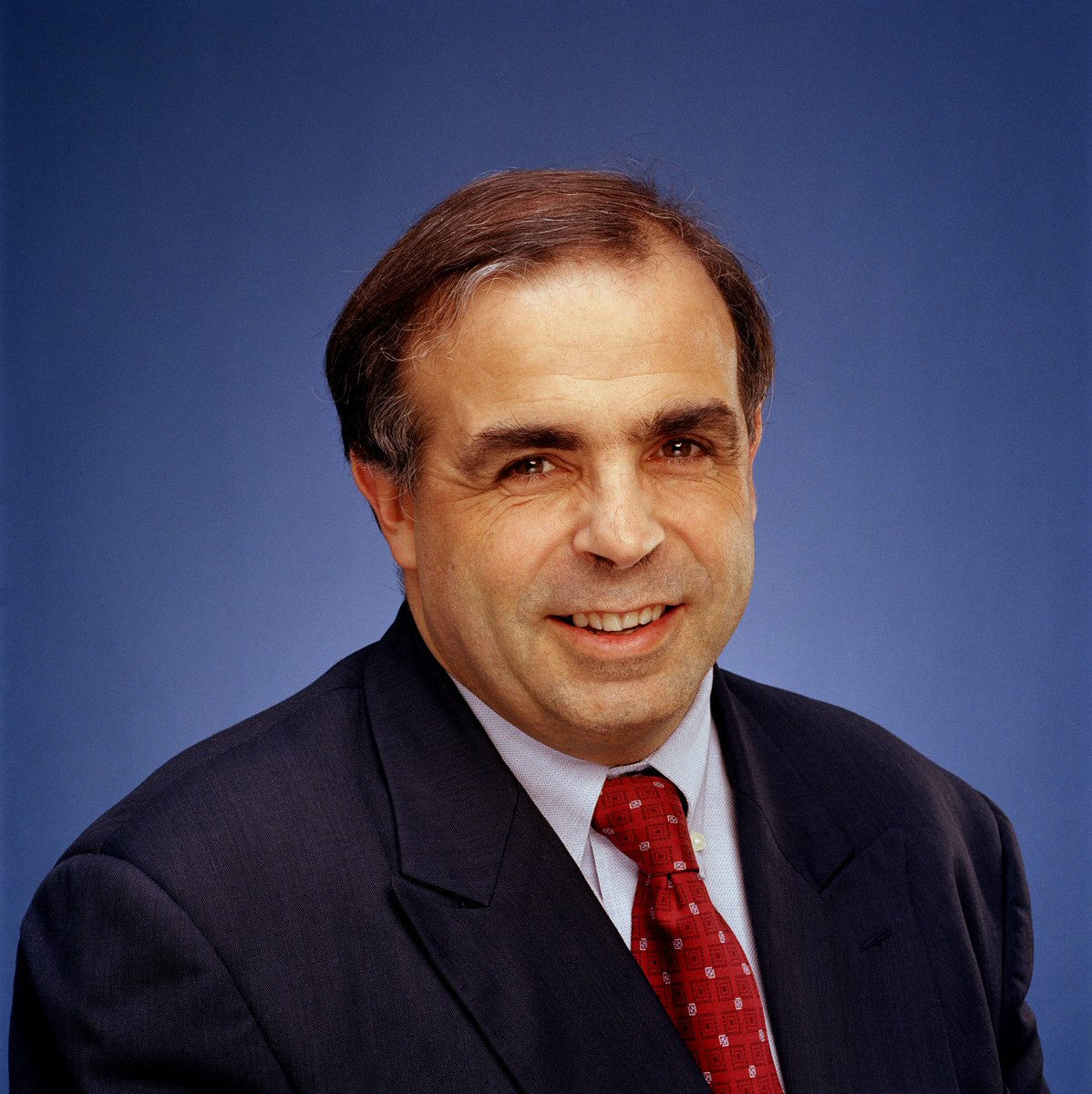
Former Nonresident Senior Fellow, South Asia Program
Frédéric Grare was a nonresident senior fellow at the Carnegie Endowment for International Peace, where his research focuses on Indo-Pacific dynamics, the search for a security architecture, and South Asia Security issues.
Recent Work
Frederic Grare
Frederic Grare
Carnegie does not take institutional positions on public policy issues; the views represented herein are those of the author(s) and do not necessarily reflect the views of Carnegie, its staff, or its trustees.
AI capabilities are moving fast. Most institutions—including governments—can’t keep up.


Anton Leicht, Scott Singer

The Bureau of Industry and Security needs to adjust its focus and practices to maintain its position as the U.S. government’s primary champion of international technological competition.

Geoffrey Irving
They face an uphill climb, but they could draw on a strategy that other diplomats have used in the past.


Shana Tabak, Alejandro Martin Rodriguez
Despite myriad challenges and occasional stumbles, the new Hungarian government is moving ahead with energy and conviction to uproot years of illiberalism and corruption and rebuild Hungarian democracy.

Thomas Carothers

European Commission President Ursula von der Leyen is about to give her annual address on the state of the EU. Here’s what she won’t—but should—say.

Rym Momtaz