

Article
Thomas Carothers
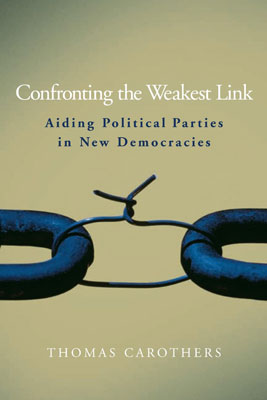
Political parties are the weakest link in many democratic transitions around the world—frequently beset with persistent problems of self-interest, corruption, ideological incoherence, and narrow electoralism. Thomas Carothers draws on extensive field research to diagnose deficiencies in party aid, assess its overall impact, and offer practical ideas for doing better.
Source: Washington

Confronting the Weakest Link is a pathbreaking study of international aid for political parties. Beginning with a penetrating analysis of party shortcomings in developing and postcommunist countries, Thomas Carothers draws on extensive field research to diagnose deficiencies in party aid, assess its overall impact, and offer practical ideas for doing better. This broad ranging analysis, which spans Latin America, Central and Eastern Europe, the former Soviet Union, Africa, the Middle East, and Asia, sheds invaluable light on a major element of the contemporary challenge of democracy-building, a subject now occupying center stage in the international policy arena.
Thomas Carothers is vice president for international politics and governance at the Carnegie Endowment for International Peace and founder and director of the Endowment’s Democracy and Rule of Law Project.
"Carothers brings an extremely detailed and informed perspective to the topic. Highly recommended."
—CHOICE
"This book is a required reading for all who deal with the assistance of parties and democracies, no matter if scientifically or practically."
—International Politics and Society
"Confronting the Weakest Link is the first systematic, independent assessment of the burgeoning field of international aid to political parties. Carothers’ masterful, searching account is critical and sobering, yet also sympathetic and constructive."
—Larry Diamond, Hoover Institution, Stanford University
"A timely, original study that illuminates not only international aid for political parties but also the dynamics of political party development generally. Carothers goes well beyond the standard laments and prescriptions about the troubled state of political parties in the world to offer new insights and approaches that will stir scholars and provoke practitioners."
—Christopher Sabatini, Americas Society/Council of the Americas

Harvey V. Fineberg Chair for Democracy Studies; Senior Fellow, Democracy, Conflict, and Governance Program
Thomas Carothers, a senior fellow in the Carnegie Endowment for International Peace’s Democracy, Conflict, and Governance Program, is a leading expert on comparative democratization and international support for democracy.
Recent Work
Thomas Carothers
Thomas Carothers
Carnegie does not take institutional positions on public policy issues; the views represented herein are those of the author(s) and do not necessarily reflect the views of Carnegie, its staff, or its trustees.
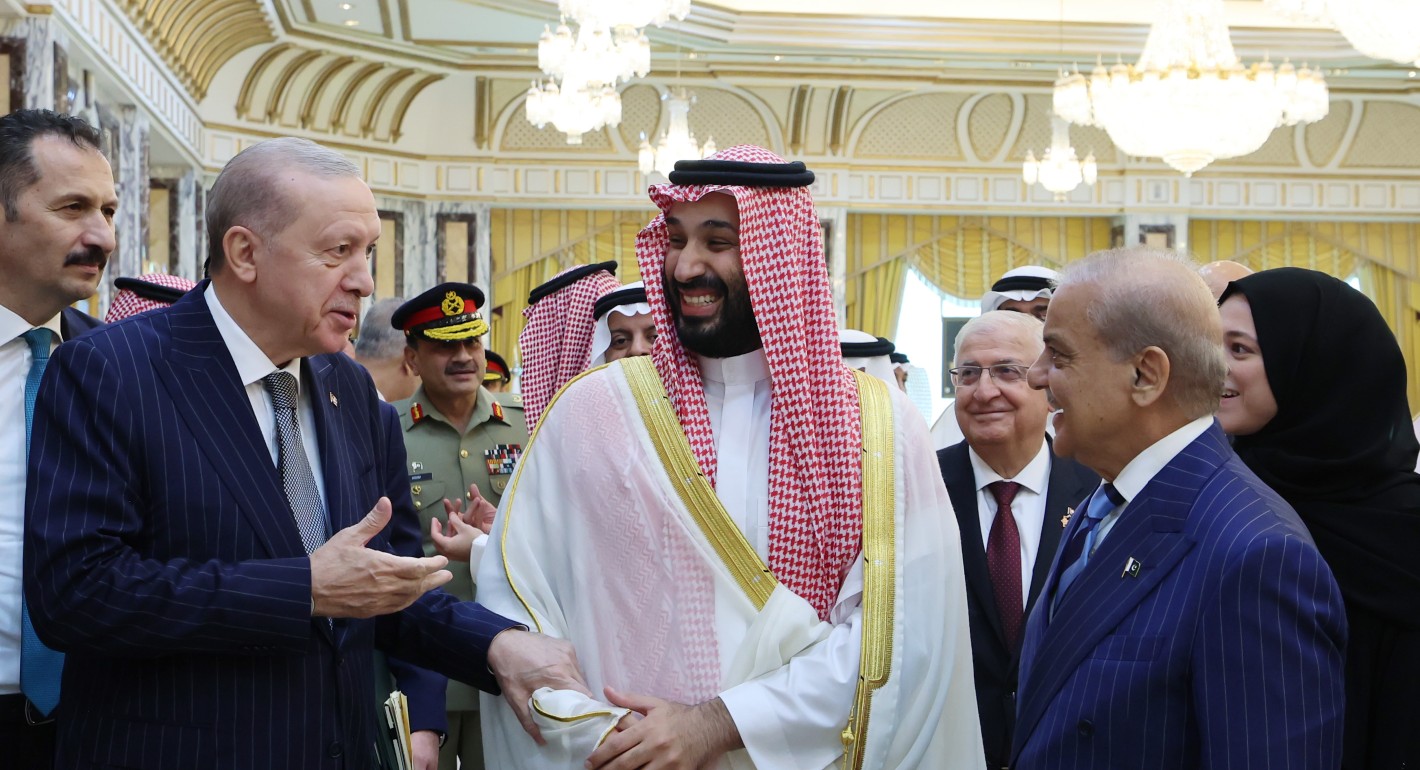
Why Pakistan, Saudi Arabia, and Turkey are joining forces on regional security.


Alper Coşkun, Amr Hamzawy
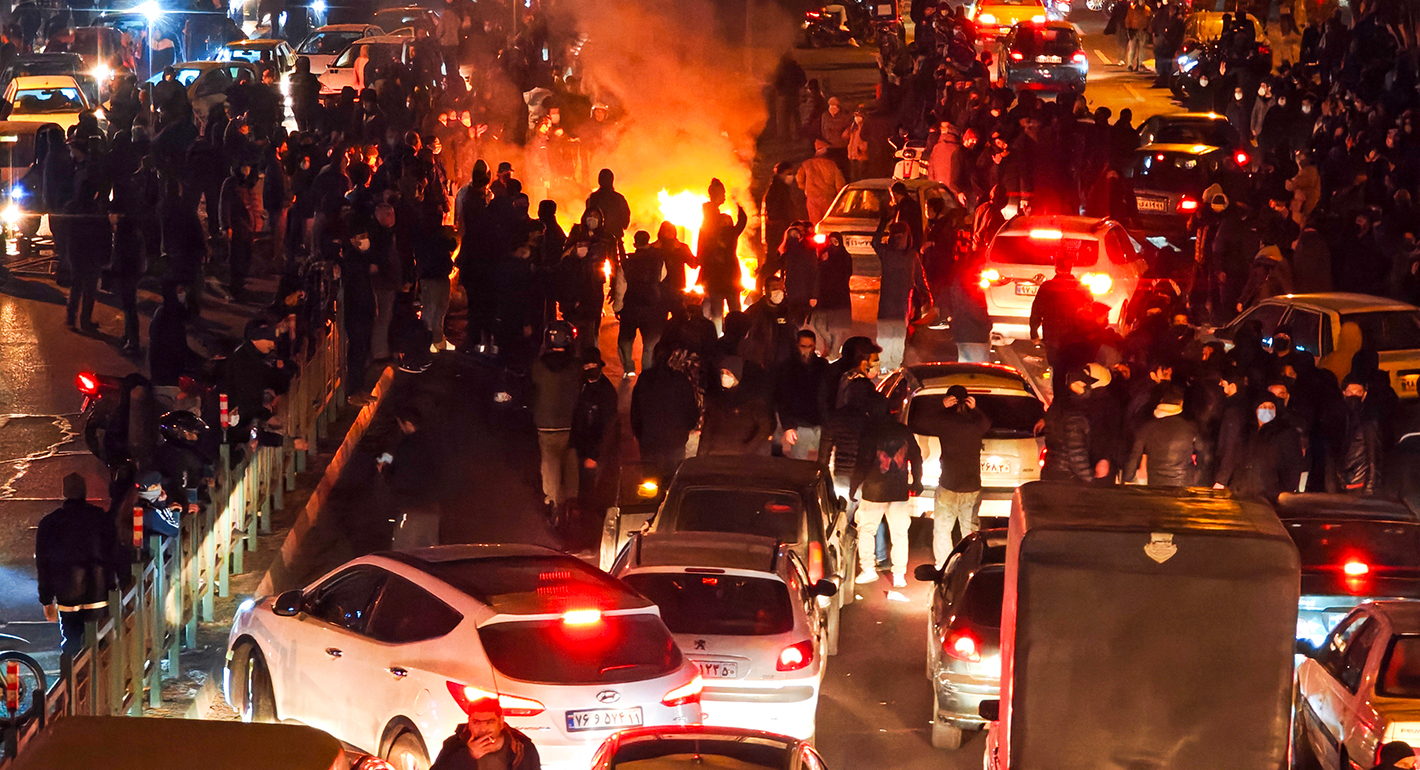
Protests in Iran follow a similar pattern: Economic grievances turn into political protests that spread nationwide. But increased state repression has begun to shift the arrangement.

Eric Lob

Putin’s conservative staffing policies and search for ever greater control have cemented parliament’s transformation into a bureaucratic appendage of the executive branch.

Andrey Pertsev

Ex-president Gurbanguly Berdimuhamedov remains interested in politics, but his son Serdar, Turkmenistan’s current president, is becoming increasingly independent and willing to break with his father’s legacy. If their covert rivalry goes too far, both risk losing power.

Galiya Ibragimova

A notable degree of participative democracy has firmly arrived in Europe. But to have more far-reaching impact, democratic deliberation needs to move into a radically new phase.

Richard Youngs