• Research
  • Emissary
  • About
  • Experts
Carnegie Global logoCarnegie lettermark logo
DemocracyIran
  • Donate
REQUIRED IMAGE

REQUIRED IMAGE

Paper

Demilitarizing Algeria

Algeria’s ruling party is expected to maintain its majority in the May 17 elections, and the results will reflect rather than alter the real balance of forces within the executive branch of the state.  The key issue is the power relationship between the civilian and military branches of the ruling elite.

Link Copied
By Hugh Roberts
Published on May 8, 2007

Additional Links

Full Text (PDF)
Program mobile hero image

Program

Middle East

The Middle East Program in Washington combines in-depth regional knowledge with incisive comparative analysis to provide deeply informed recommendations. With expertise in the Gulf, North Africa, Iran, and Israel/Palestine, we examine crosscutting themes of political, economic, and social change in both English and Arabic.

Learn More

Source: Carnegie Endowment

Algeria’s May 17 parliamentary election is just one week away. The ruling party is expected to maintain its majority, and the results will reflect rather than alter the real balance of forces within the executive branch of the state.  The key issue is the power relationship between the civilian and military branches of the ruling elite. The outcome of the parliamentary elections in 1991 served as a catalyst for the army’s assumption of political power.  The descent into violence that followed completed the militarization of Algerian politics and consolidated the power of the generals.

In Demilitarizing Algeria, Hugh Roberts, a specialist on North Africa, analyzes the unprecedented political role and power of Algeria’s military since the advent of formal pluralism in 1989, President Abdelaziz Bouteflika’s actions to reassert presidential authority, and the longer-term implications for democratic reform in Algeria.

Since becoming president in 1999, Bouteflika has had significant success in curbing the power of the military commanders by reining-in formal political pluralism and relying on a form of civilian authoritarianism. The reestablishment of presidential authority is not complete, since the army’s intelligence services remain effectively independent of the presidency’s nominal oversight.

The author points to several challenges that could impede future political reform.  Bouteflika may use planned constitutional revisions not only to extend the term limits for his presidency, but also to reduce the already limited role of the parliament. Recent recrudescence of terrorist activity could provide a pretext for the military to reassert their authority at the president’s expense.

An aggressive campaign by western governments to promote political reform in Algeria is unlikely to succeed, but these countries—especially the U.S.—should review their policies to avoid jeopardizing the demilitarization of the political system.

“The danger of a reversal of the recent trend to a civilian government and a remilitarization of the Algerian political system is intimately linked to the global war on terrorism.  It is important that Washington not encourage Algeria’s general to reassert themselves in the political sphere,” says Roberts.

A limited number of print copies of this Carnegie Paper are available.
Request a copy

About the Author
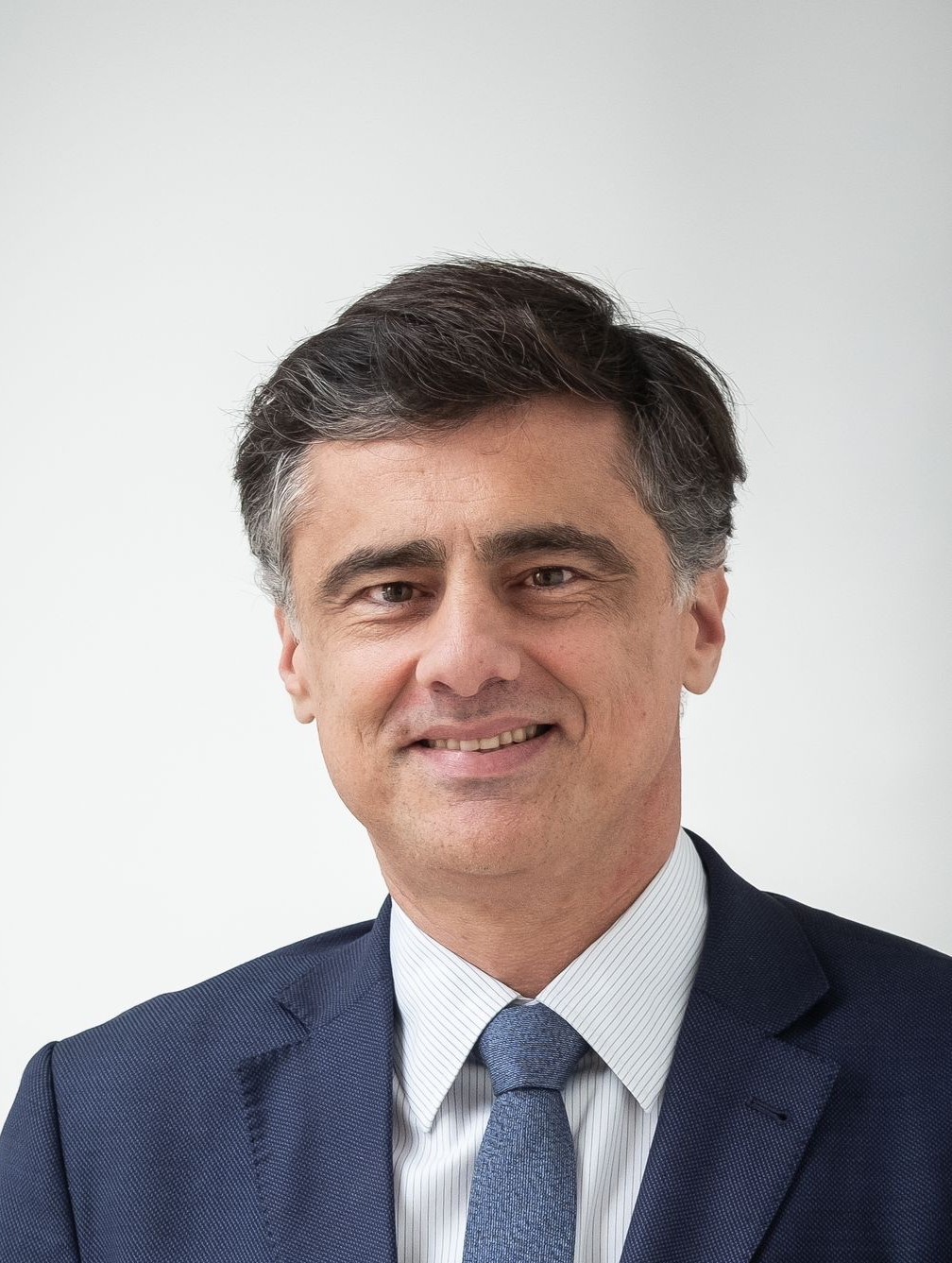
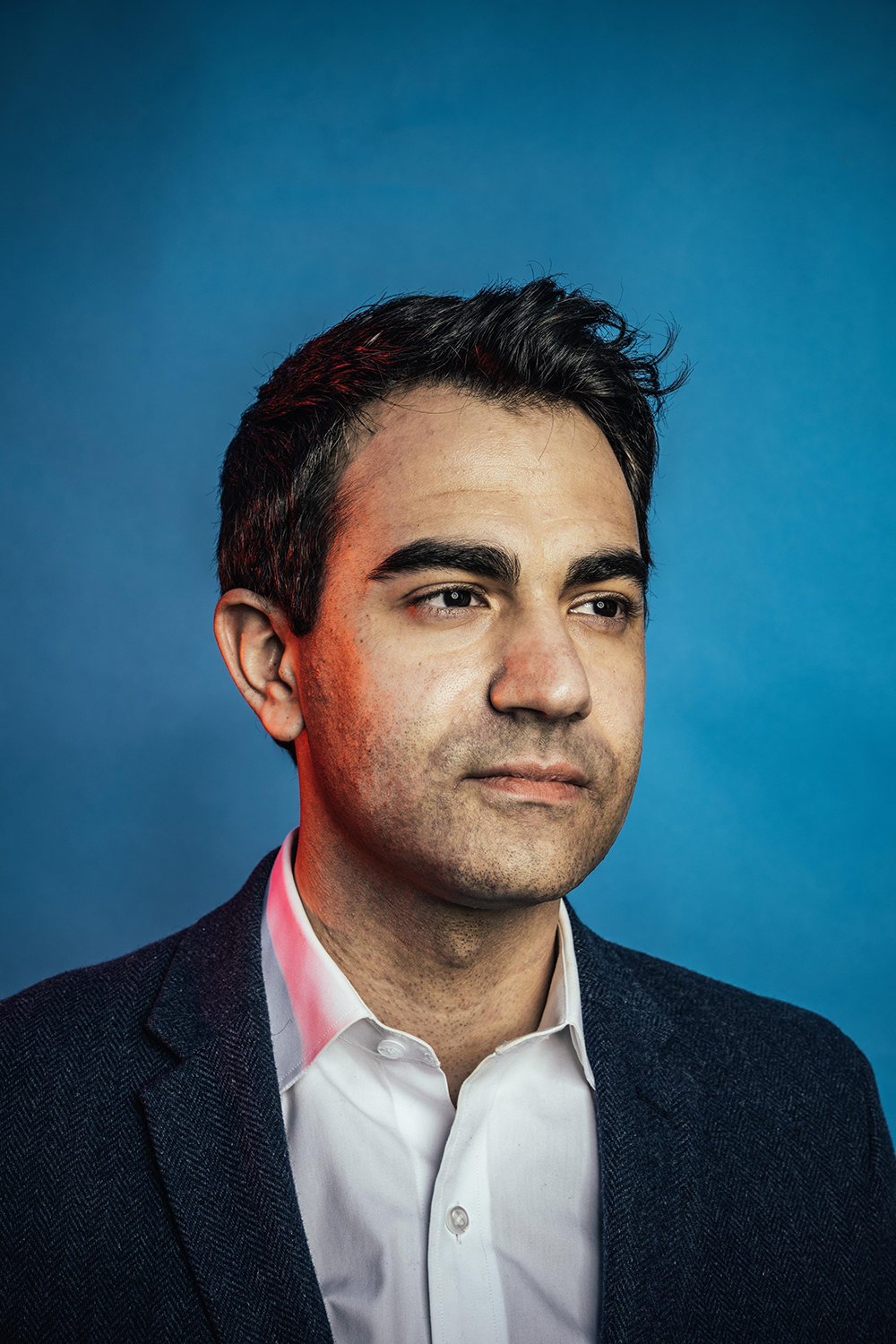
Hugh Roberts is an independent writer, lecturer, and consultant based in Cairo. From 2002 to 2007 he was the director of the North Africa Project for the International Crisis Group. He is the author of The Battlefield: Algeria 1988-2002, Studies in a Broken Polity (Verso, 2003).

About the Author

Hugh Roberts

Hugh Roberts

Additional Links

Full Text (PDF)
North AfricaAlgeriaPolitical ReformForeign Policy

Carnegie does not take institutional positions on public policy issues; the views represented herein are those of the author(s) and do not necessarily reflect the views of Carnegie, its staff, or its trustees.

More Work from Carnegie Endowment for International Peace

  • Commentary
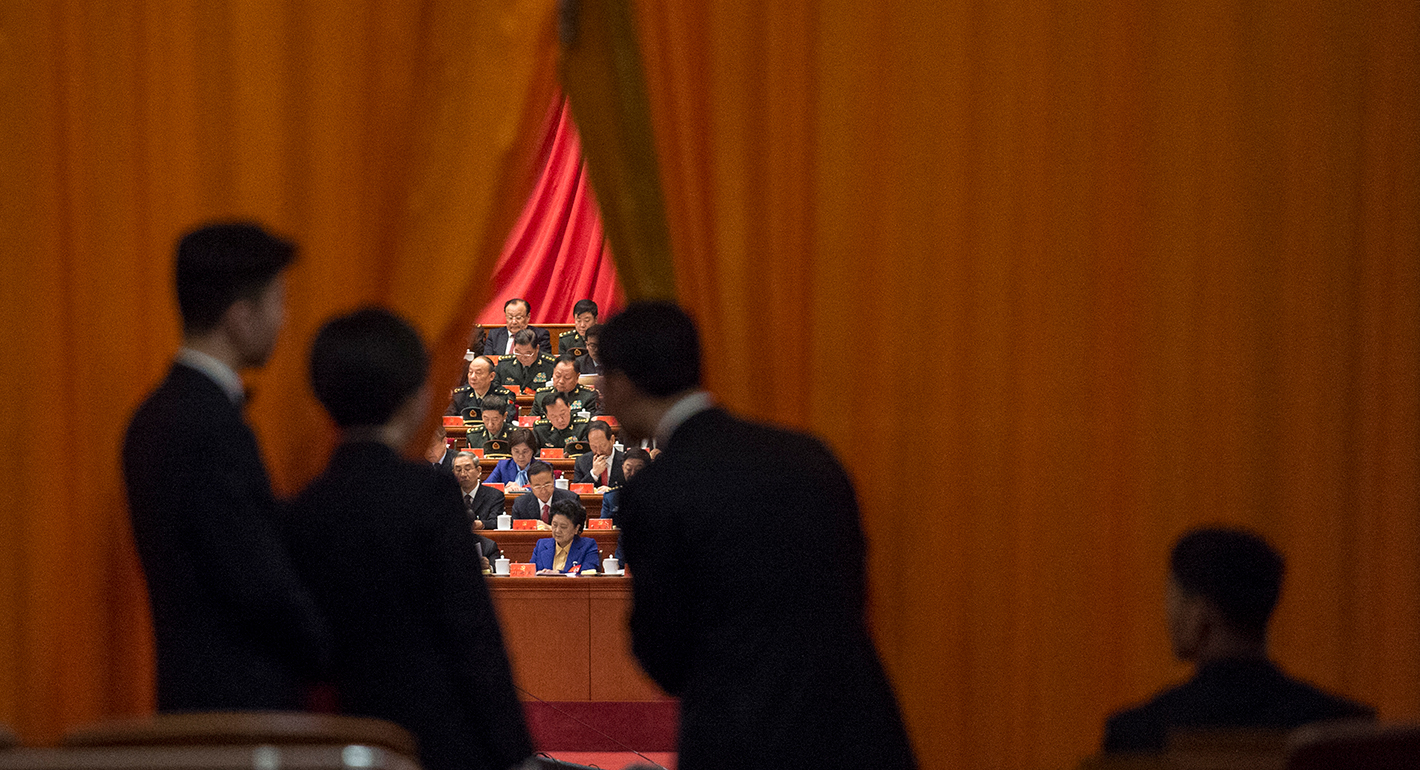
    The Spring and Autumn of Chinese Politics

    China’s political future will be shaped between now and next October. As the Communist Party enters its intense “campaign season” to prepare for a major political transition in 2027, reading Beijing's actions and responses may become more difficult as domestic politics weigh on its behavior more than usual.

      • Damien Ma

      Damien Ma

  • Commentary
    Strategic Europe
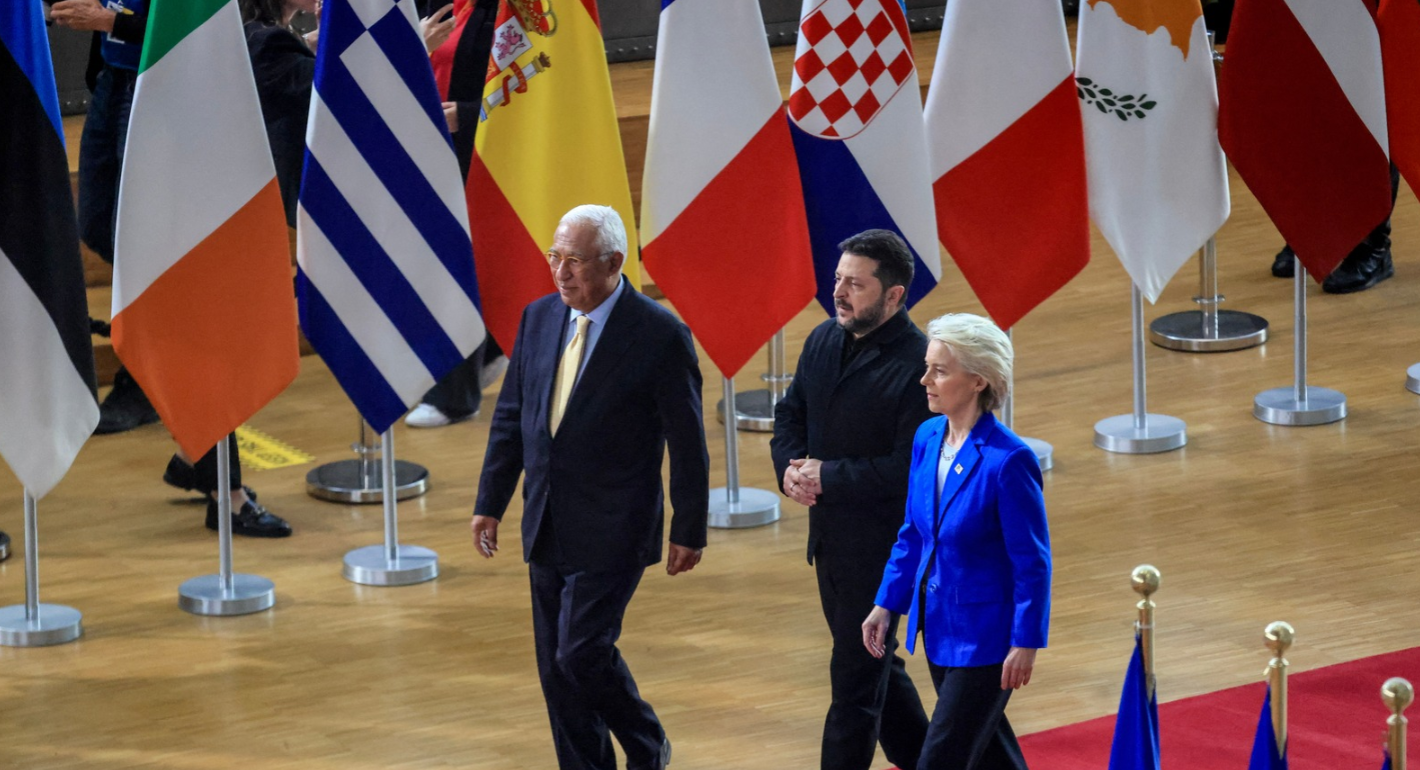
    Europe Needs its own Sanctions-Enforcement Muscle

    The EU can impose sanctions but struggles to enforce them without the United States. With Washington increasingly disinterested in backing European interests, the bloc must now fend for itself.

      Nicu Popescu, Tiago Antunes

  • African finance ministers sit in front of a blue IMF-WB screen.
    Article
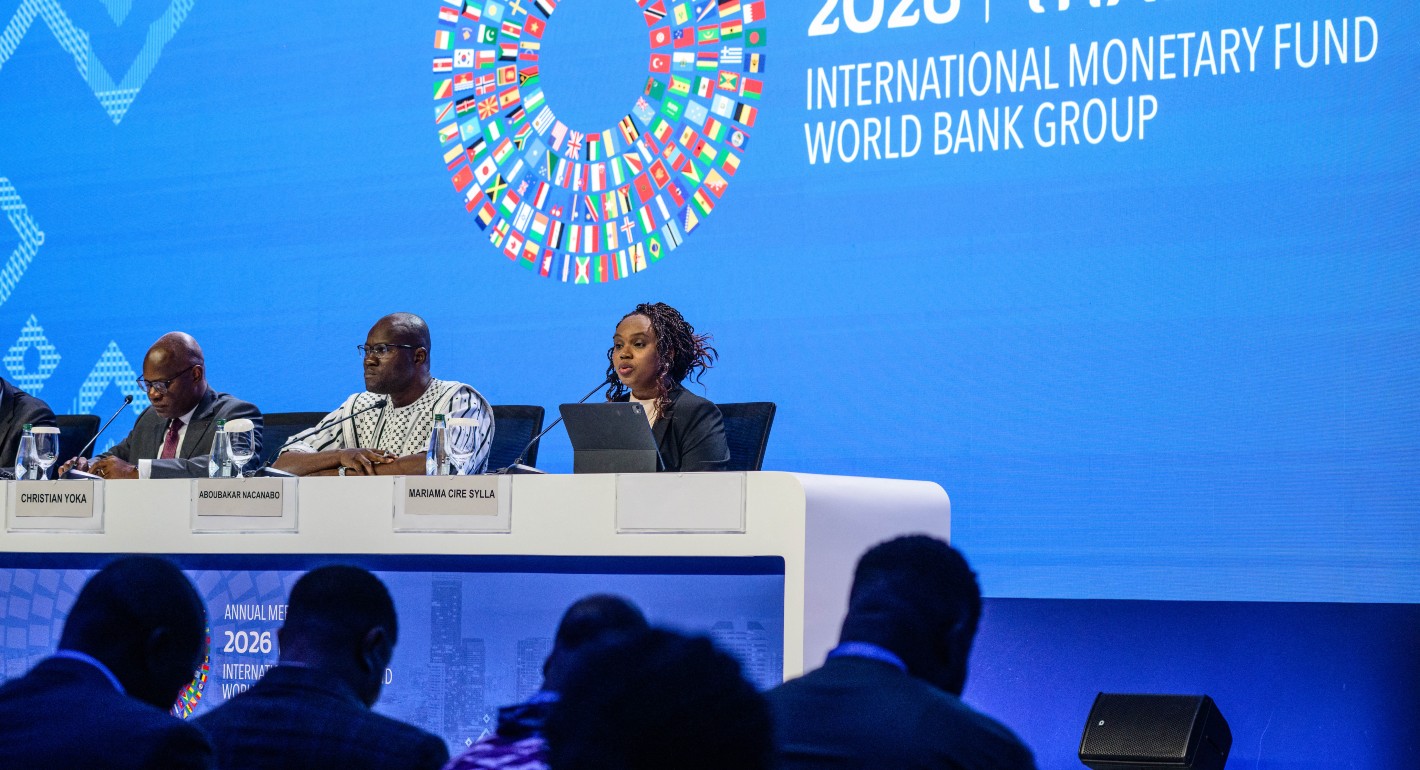
    Africa in Demand: How the Continent Is Advancing Its Interests in a Competitive World

    Global and rising powers will need to engage with Africa’s priorities and agency in order to secure the continent’s increasingly attractive partnerships.

      • Fonteh Akum

      Fonteh Akum

  • Men in suits watching people dancing
    Commentary
    Emissary
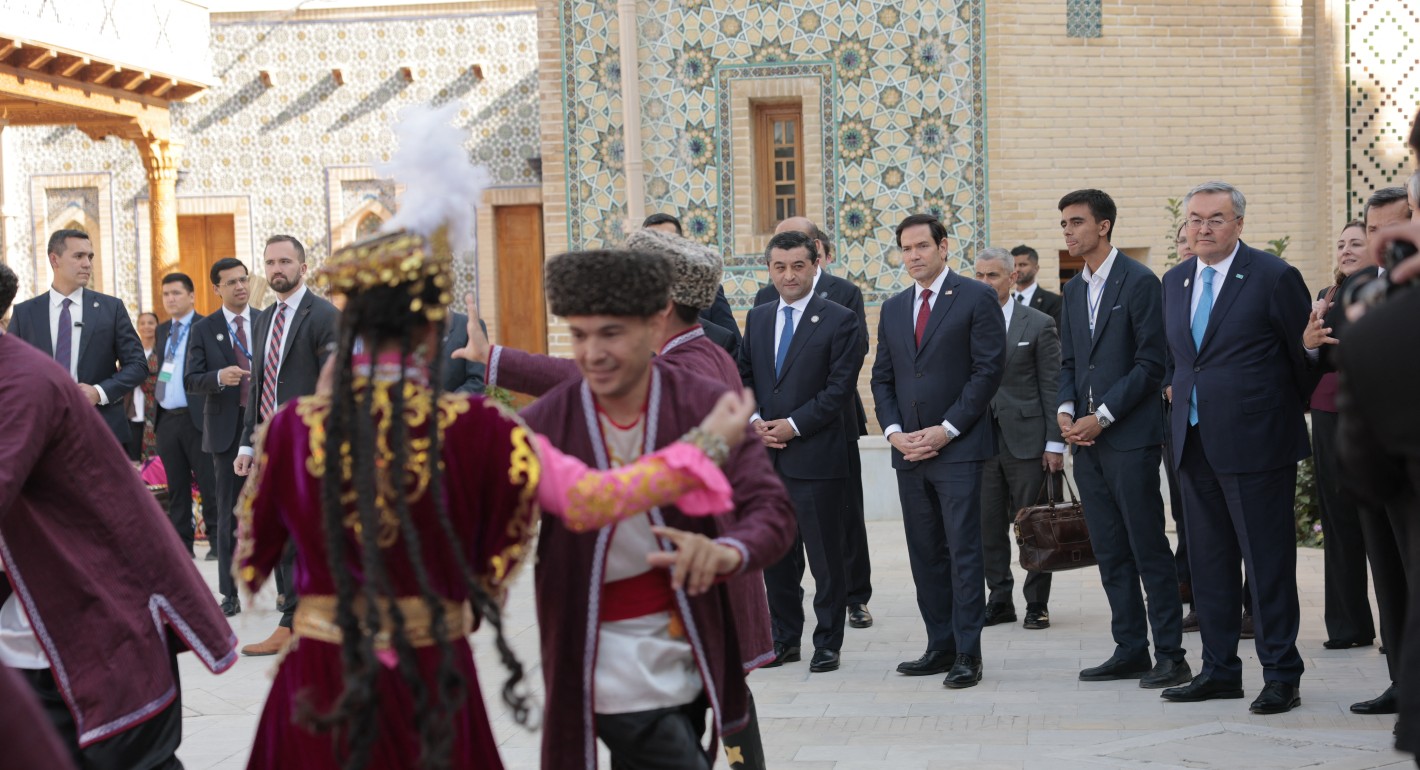
    Central Asia Wants U.S. Investments. It Is Less Sure About U.S. Conditions.

    Rubio’s recent visit brought welcome attention, but more capital requires governance changes that may be a hard sell for regional governments.

      Jennifer B. Murtazashvili

  • Military rescue helicopter during sunset stock photo
    Paper
    The End of Primacy Without Pain: Why the Domestic Foundation of American Power Is Crumbling

    America’s foreign-policy objectives have grown more demanding while Americans have demanded greater focus on their own affairs.

      Stephen Wertheim

Get more news and analysis from
Carnegie Endowment for International Peace
Carnegie global logo, stacked
1779 Massachusetts Avenue NWWashington, DC, 20036-2103Phone: 202 483 7600
  • Research
  • Emissary
  • About
  • Experts
  • Donate
  • Programs
  • Events
  • Blogs
  • Podcasts
  • Contact
  • Annual Reports
  • Careers
  • Privacy
  • For Media
  • Government Resources
Get more news and analysis from
Carnegie Endowment for International Peace
© 2026 Carnegie Endowment for International Peace. All rights reserved.