

Commentary
The Bureau of Industry and Security needs to adjust its focus and practices to maintain its position as the U.S. government’s primary champion of international technological competition.
Geoffrey Irving
Source: Getty
The simultaneous announcement of an agreement between government and opposition in Lebanon and of the start of indirect talks between Israel and Syria in Turkey might be the best news to come out of that troubled region for a long time. While the United States favored neither position, these two developments may have a positive influence on the region.
The simultaneous announcement of an agreement between government and opposition in Lebanon and of the start of indirect talks between Israel and Syria in Turkey might be the best news to come out of that troubled region for a long time. And while the United States favored neither the compromise over Lebanon that strengthens the position of Hizbollah nor the talks between Syria and Israel, these two developments may have a positive influence on stability in the region and on the Palestinian–Israeli peace process the Bush administration wants to succeed.
The package deal on Lebanon negotiated with the help of Qatar and the Arab League is to an extent a victory for Hizbollah, giving the Hizbollah-led opposition 11 portfolios in the 30-member government of national unity, thus the power to block major decisions. The March 14 coalition that controls the government now will name 16 ministers and the president three. Hizbollah and the government have also agreed on the immediate election of army chief Michel Suleiman as president, a return to the 1960 election law for the 2009 parliamentary election, and the renunciation by all sides of the use of weapons in internal conflicts. The agreement leaves intact Hizbollah’s militia as an “instrument of resistance against Israel,” though. While Hizbollah got what it wanted in the negotiations, Lebanon as a whole will also reap some benefits from the agreement. Lebanon will have a government, Hizbollah’s tent city that paralyzed the center of town was removed as soon as the agreement was announced, and the population will hopefully return to normal life. The slide into civil war that recently loomed as a distinct possibility has been halted.
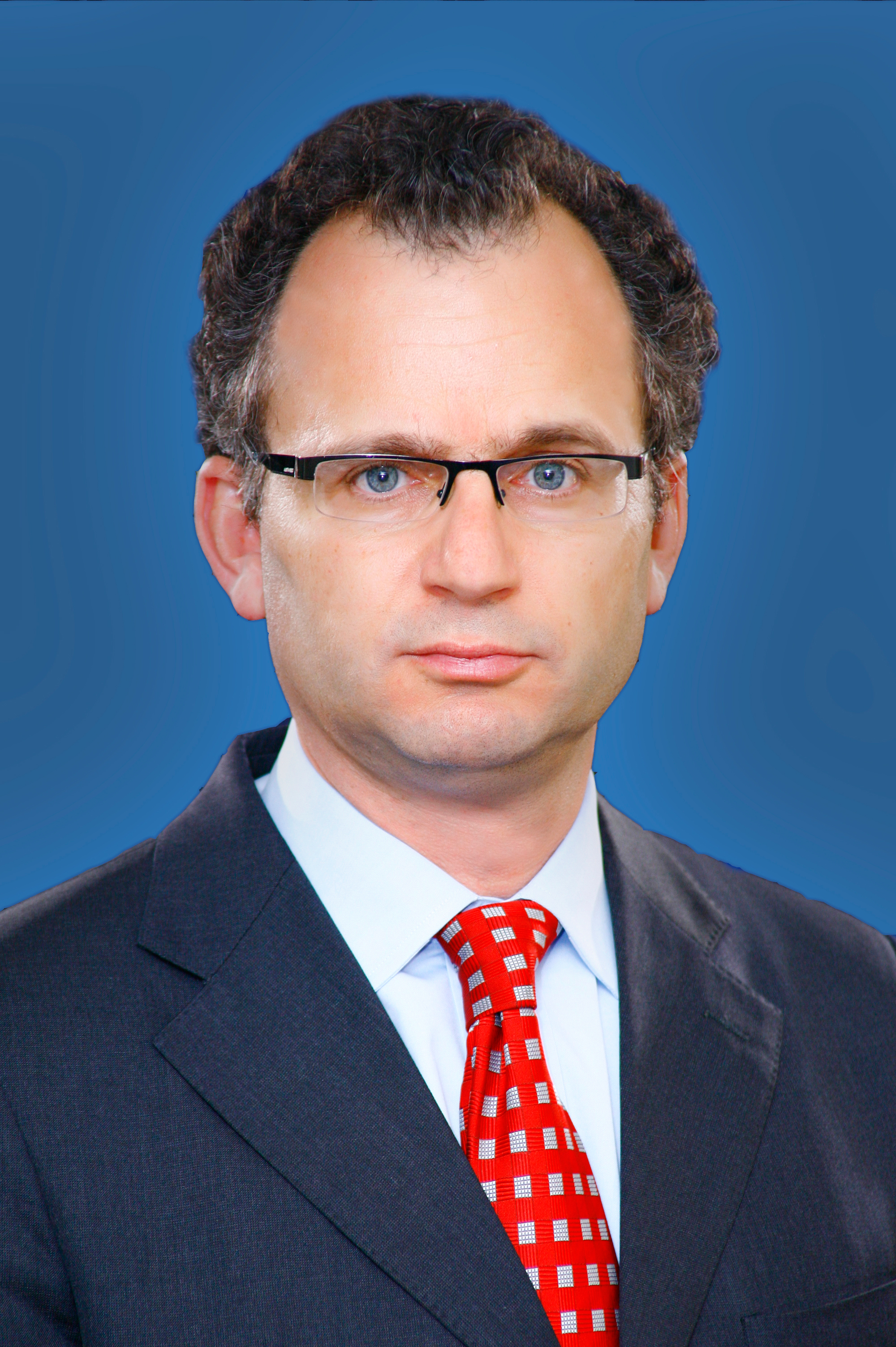
Senior Fellow at the Middle East Institute
Paul Salem is a senior fellow at the Middle East Institute.

Former Senior Associate, Middle East Program
Before joining the Endowment, Ottaway carried out research in Africa and in the Middle East for many years and taught at the University of Addis Ababa, the University of Zambia, the American University in Cairo, and the University of the Witwatersrand in South Africa.
Carnegie does not take institutional positions on public policy issues; the views represented herein are those of the author(s) and do not necessarily reflect the views of Carnegie, its staff, or its trustees.

The Bureau of Industry and Security needs to adjust its focus and practices to maintain its position as the U.S. government’s primary champion of international technological competition.

Geoffrey Irving
They face an uphill climb, but they could draw on a strategy that other diplomats have used in the past.


Shana Tabak, Alejandro Martin Rodriguez

European Commission President Ursula von der Leyen is about to give her annual address on the state of the EU. Here’s what she won’t—but should—say.

Rym Momtaz

It is improbable that Israel’s forthcoming elections will alter much in terms of how the country thinks about security.

Nathan J. Brown

Understanding the climatic pain points is necessary for policymakers hoping to minimize the war’s negative environmental consequences.


Alejandro Martin Rodriguez, Joy Arkeh, Sarah Yerkes