

Commentary
Ongoing uncertainty in the Middle East allows Moscow to both increase its influence in Tehran and continue to enjoy the financial windfall of higher oil prices.
Nikita Smagin

REQUIRED IMAGE
This paper provides a historical overview of religious education in Central Asia, and assesses the efforts of the Uzbek government to define the content of Islam that has been presented in public life since independence was obtained in 1991.
Source: Carnegie Endowment
Islam in Uzbekistan: Religious Education and State Ideology is the fourth paper of the ongoing series on Islam in Central Asia. It provides a historical overview of religious education in Central Asia, focusing on the hujra system and its founders, and assesses the efforts of the Uzbek government to define the content of Islam that has been presented in public life since independence was obtained in 1991. It examines the presentation of Islam in the schools—especially in Tashkent Islamic University, seen as the premier training institution for secular teachers of Islam—and the presentation of Islam in the mass media.
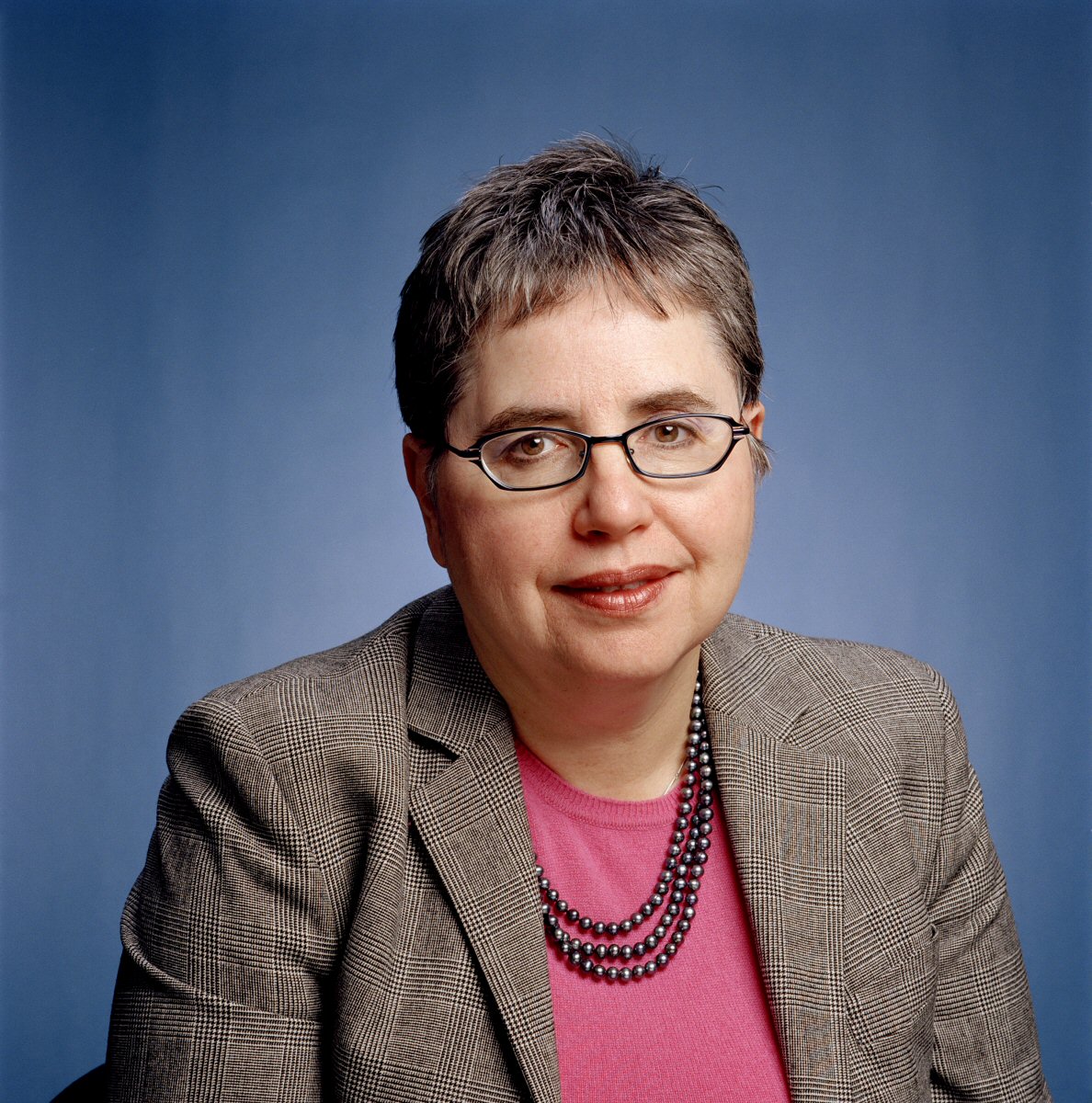
Former Senior Associate, Russia and Eurasia Program and, Co-director, al-Farabi Carnegie Program on Central Asia
Olcott is professor emerita at Colgate University, having taught political science there from 1974 to 2002. Prior to her work at the endowment, Olcott served as a special consultant to former secretary of state Lawrence Eagleburger.
Diora Ziyaeva
Carnegie does not take institutional positions on public policy issues; the views represented herein are those of the author(s) and do not necessarily reflect the views of Carnegie, its staff, or its trustees.
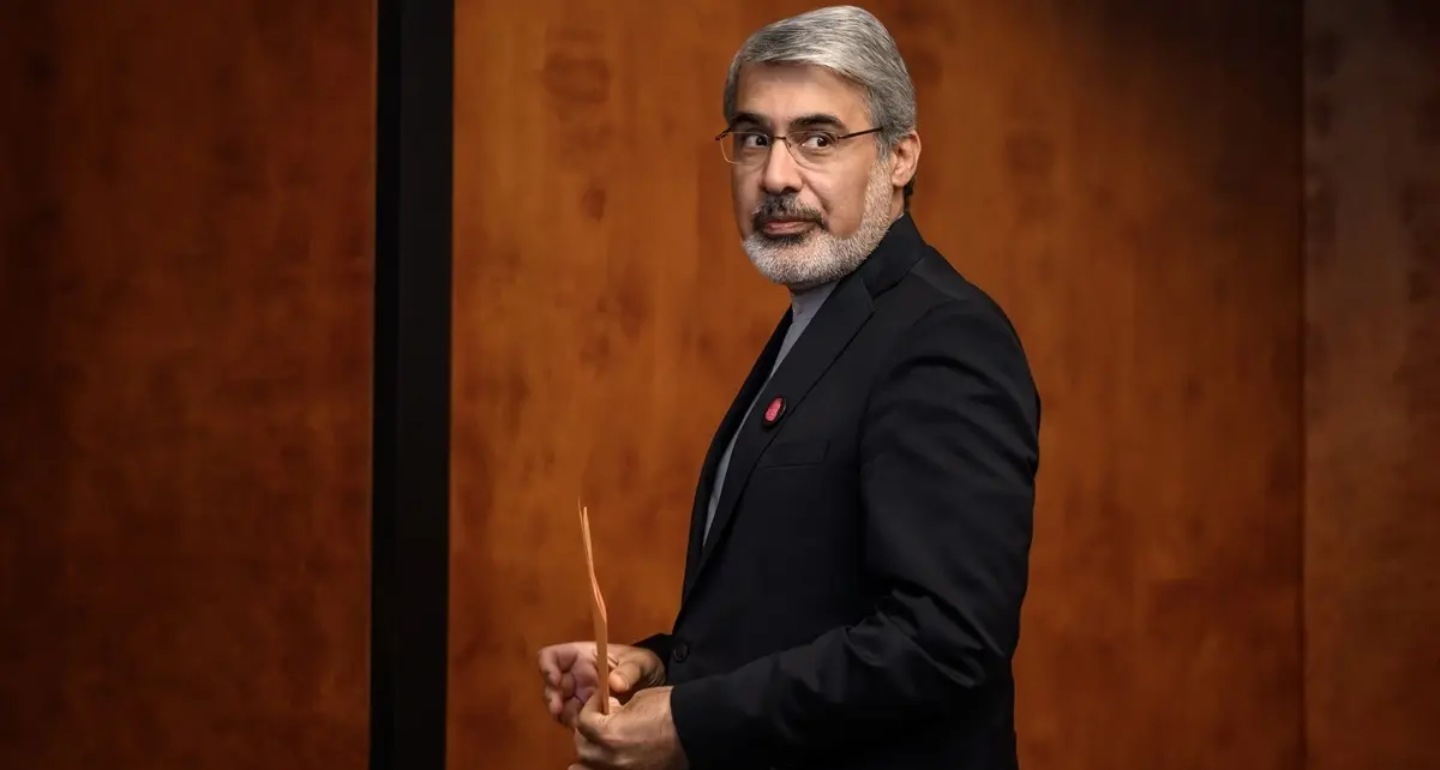
Ongoing uncertainty in the Middle East allows Moscow to both increase its influence in Tehran and continue to enjoy the financial windfall of higher oil prices.

Nikita Smagin

To carry out its global AI agenda, Washington will need strategic relationships with emerging markets in Africa, starting with Kenya.
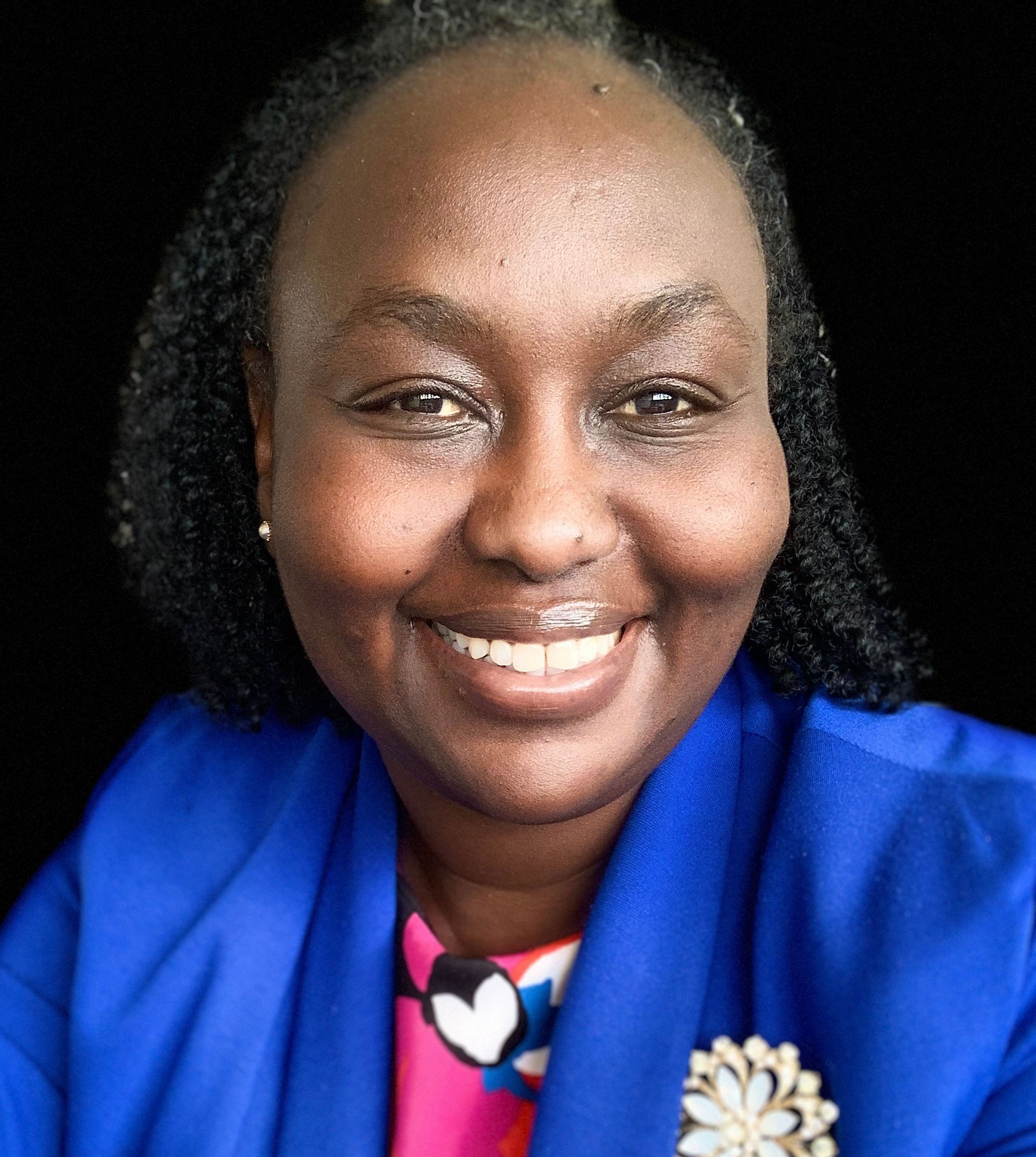
Jane Munga
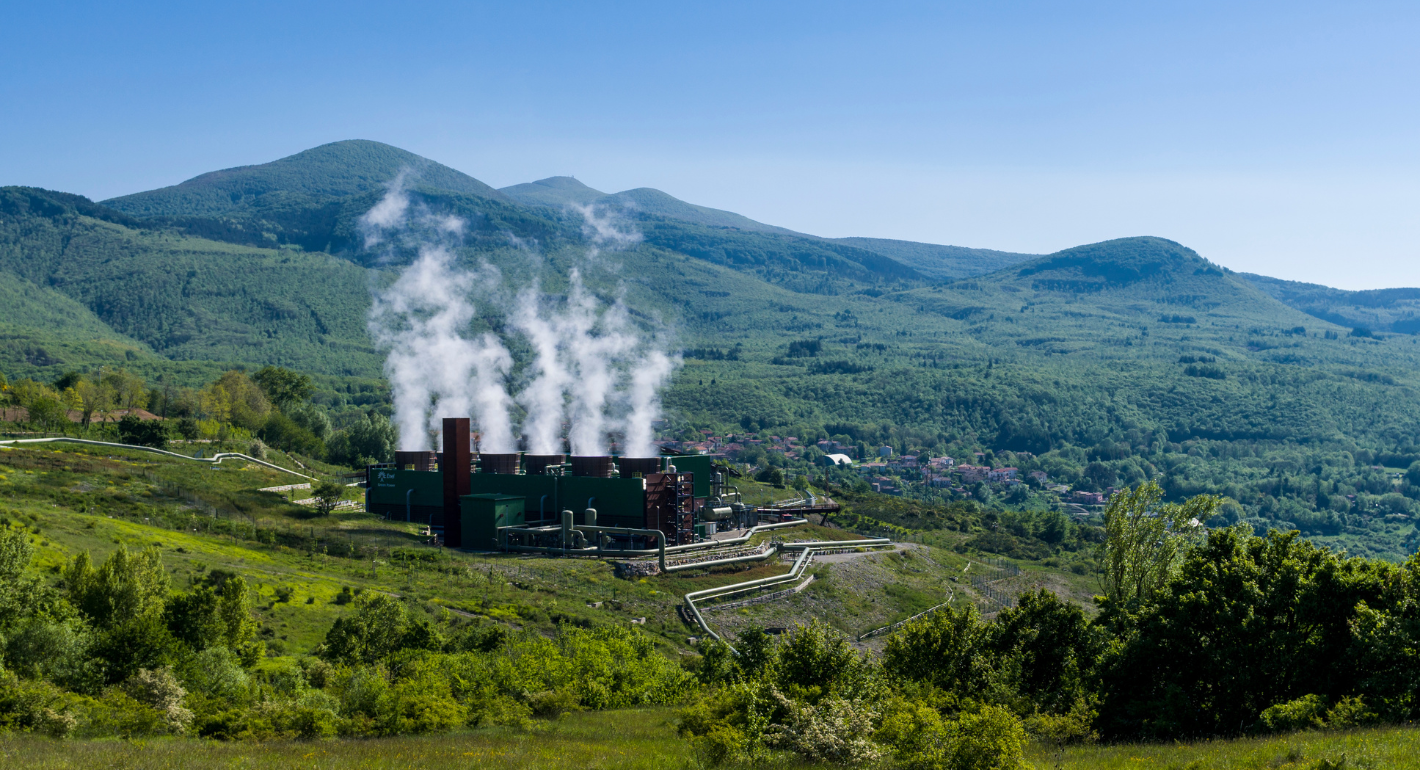
Europe’s industrial supply chains leave it vulnerable to global shocks. The EU needs a pragmatic green industrial strategy that balances durable partnerships and bolsters homegrown clean tech without sacrificing low-carbon ambition.


Milo McBride, Pauline Gerard
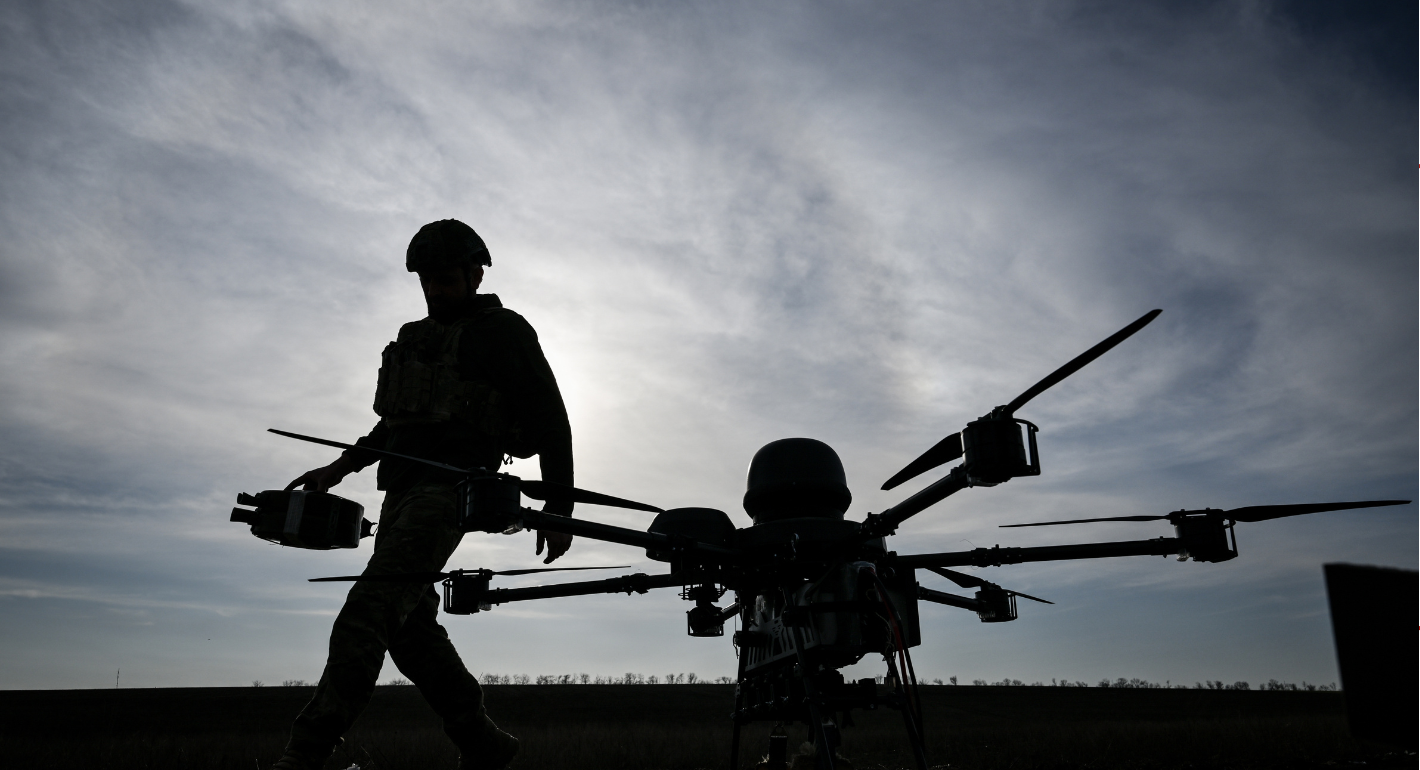
Defense tech innovations will be at the heart of Europe’s new security strategy. But so far, Brussels has been making moves without a broader plan, undermining readiness and credibility.

Raluca Csernatoni
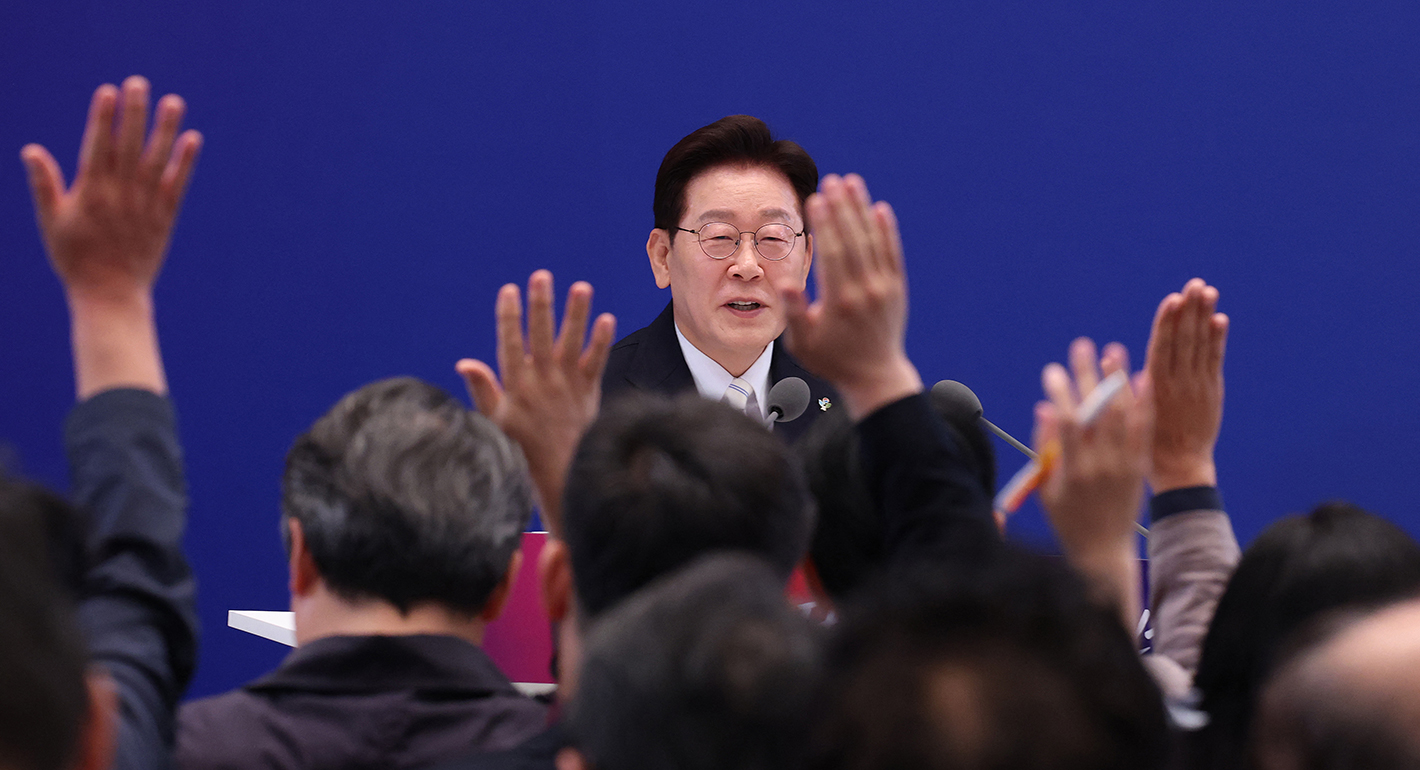
President Lee marked his first year in office after one of the most tumultuous periods in South Korean politics. Though Lee has enjoyed a high approval rating, a large majority in the National Assembly, and foreign policy victories, Lee and his party’s political fortunes depend on generating economic growth, learning the right lessons from the recent local elections, and managing contentious factional strife within his political base.
Chung Min Lee