• Research
  • Emissary
  • About
  • Experts
Carnegie Global logoCarnegie lettermark logo
DemocracyIran
  • Donate
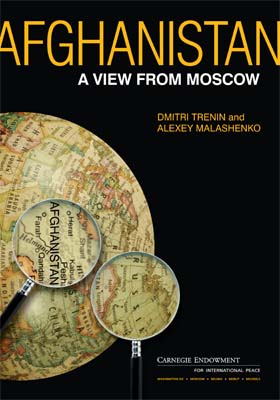
Afghanistan: A View from Moscow
Report
Carnegie Russia Eurasia Center

Afghanistan: A View from Moscow

Despite its importance, Russia’s perspective on the war in Afghanistan has typically been missing from previous analyses of coalition policy. Moscow views Afghanistan largely through the prism of security threats to itself and its Central Asian neighborhood.

Link Copied
By Dmitri Trenin and Alexey Malashenko
Published on Apr 27, 2010

Additional Links

Full Text
Program mobile hero image

Program

Russia and Eurasia

The Russia and Eurasia Program continues Carnegie’s long tradition of independent research on major political, societal, and security trends in and U.S. policy toward a region that has been upended by Russia’s war against Ukraine.  Leaders regularly turn to our work for clear-eyed, relevant analyses on the region to inform their policy decisions.

Learn More
Program mobile hero image

Program

South Asia

The South Asia Program informs policy debates relating to the region’s security, economy, and political development. From strategic competition in the Indo-Pacific to India’s internal dynamics and U.S. engagement with the region, the program offers in-depth, rigorous research and analysis on South Asia’s most critical challenges.

Learn More
Project hero Image

Project

Eurasia in Transition

Learn More

Despite its importance, Russia’s perspective has been missing from many previous analyses of coalition policy in Afghanistan. Dmitri Trenin and Alexey Malashenko fill that gap with a report that takes a fresh look at the coalition’s involvement in Afghanistan. They conclude that Moscow is an essential part of the Afghan equation that is often overlooked.

Russia remains cautious about becoming too involved in the conflict, but Moscow fears the prospect of instability in Central Asia and drug trafficking from Afghanistan. Russia wants to:

  • Prevent an outright Taliban victory fearing that if the Taliban regain control they could export radicalism and support rebel activity in Russia’s near abroad. Even though there is a rivalry with the United States for influence in Central Asia, Russia essentially supports the U.S.–led coalition.
     
  • Stem the flow of drugs out of Afghanistan to Russia’s consumers. Its leaders worry about the exponential growth in narcotics production of narcotics in Afghanistan since the fall of the Taliban.
     
  • Restore a neutral, pacified Afghanistan to serve as a buffer state between Central Asia and the Greater Middle East.

“Russia views Afghanistan today largely through the prism of security threats to itself and its Central Asian neighborhood, where Moscow aspires to soft dominance,” write Trenin and Malashenko.
 

About the Authors

Dmitri Trenin

Former Director, Carnegie Moscow Center

Trenin was director of the Carnegie Moscow Center from 2008 to early 2022.

Alexey Malashenko

Former Scholar in Residence, Religion, Society, and Security Program

Malashenko is a former chair of the Carnegie Moscow Center’s Religion, Society, and Security Program.

Authors

Dmitri Trenin
Former Director, Carnegie Moscow Center
Alexey Malashenko
Former Scholar in Residence, Religion, Society, and Security Program
Alexey Malashenko
South AsiaAfghanistanCaucasusRussiaAsiaForeign Policy

Carnegie does not take institutional positions on public policy issues; the views represented herein are those of the author(s) and do not necessarily reflect the views of Carnegie, its staff, or its trustees.

More Work from Carnegie Endowment for International Peace

  • Commentary
    Emissary
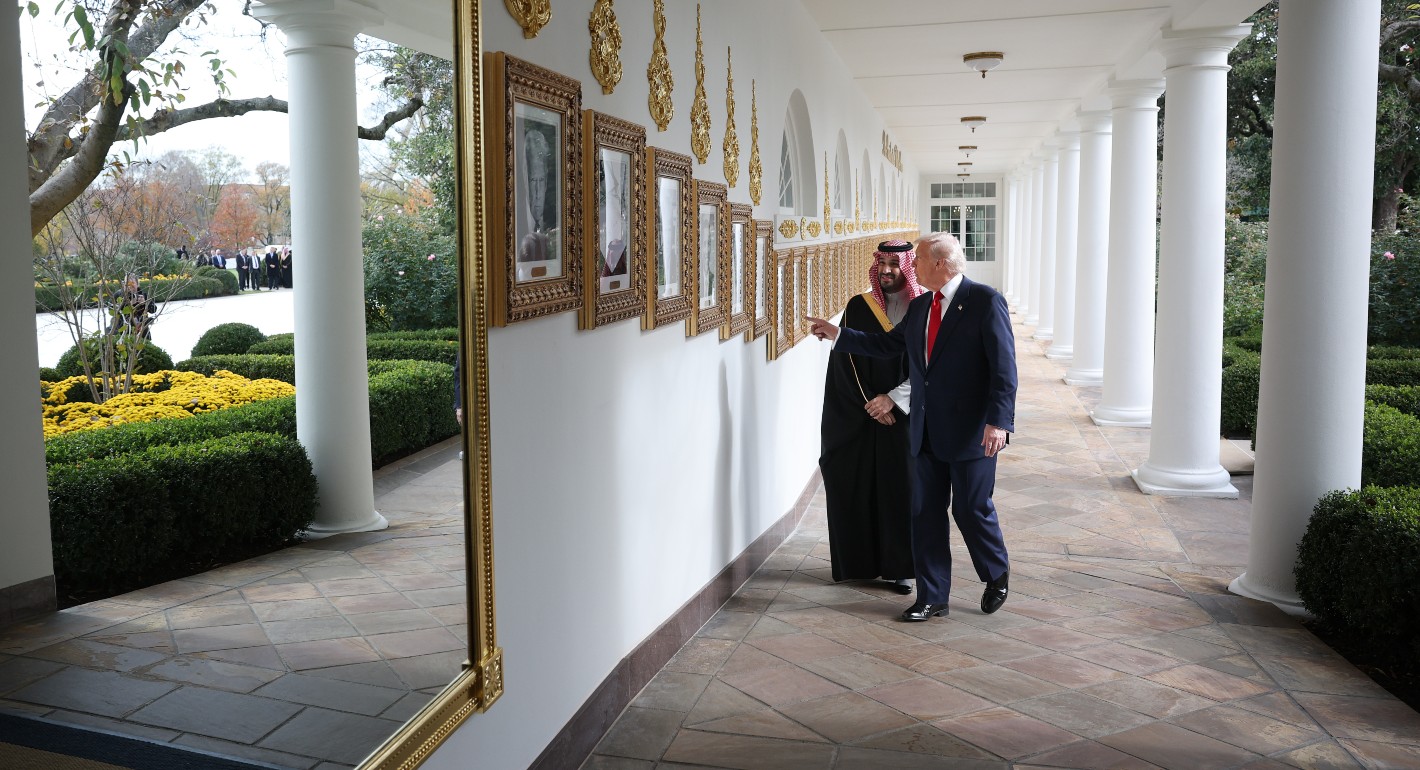
    The Iran War Is Uncovering the Weakness in U.S.-Gulf Ties

    Neither the Abraham Accords nor the presence of large U.S. bases are enough to protect Arab Gulf states.

      Marwan Muasher
  • Commentary
    Carnegie Politika
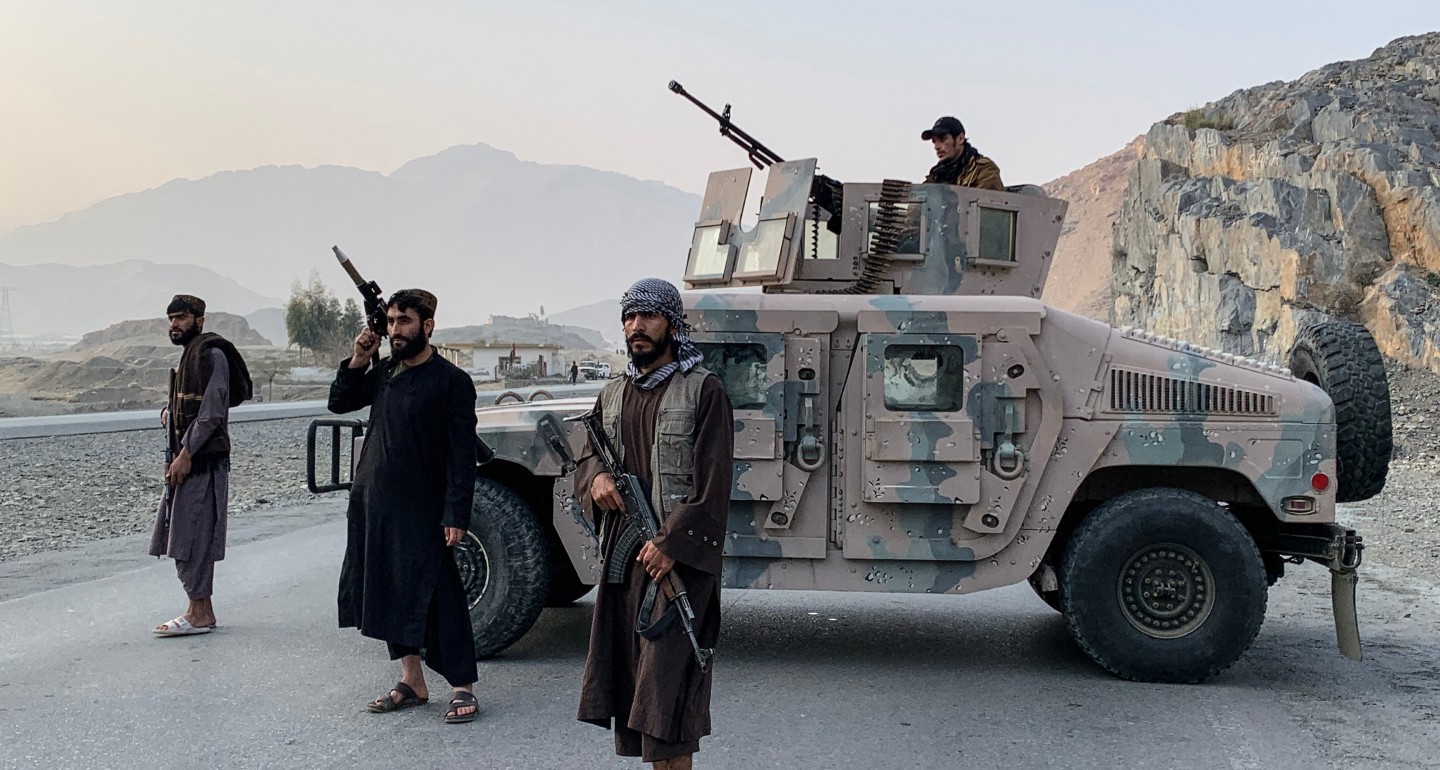
    The Afghanistan–Pakistan War Poses Awkward Questions for Russia

    Not only does the fighting jeopardize regional security, it undermines Russian attempts to promote alternatives to the Western-dominated world order.
      Ruslan Suleymanov
  • Article
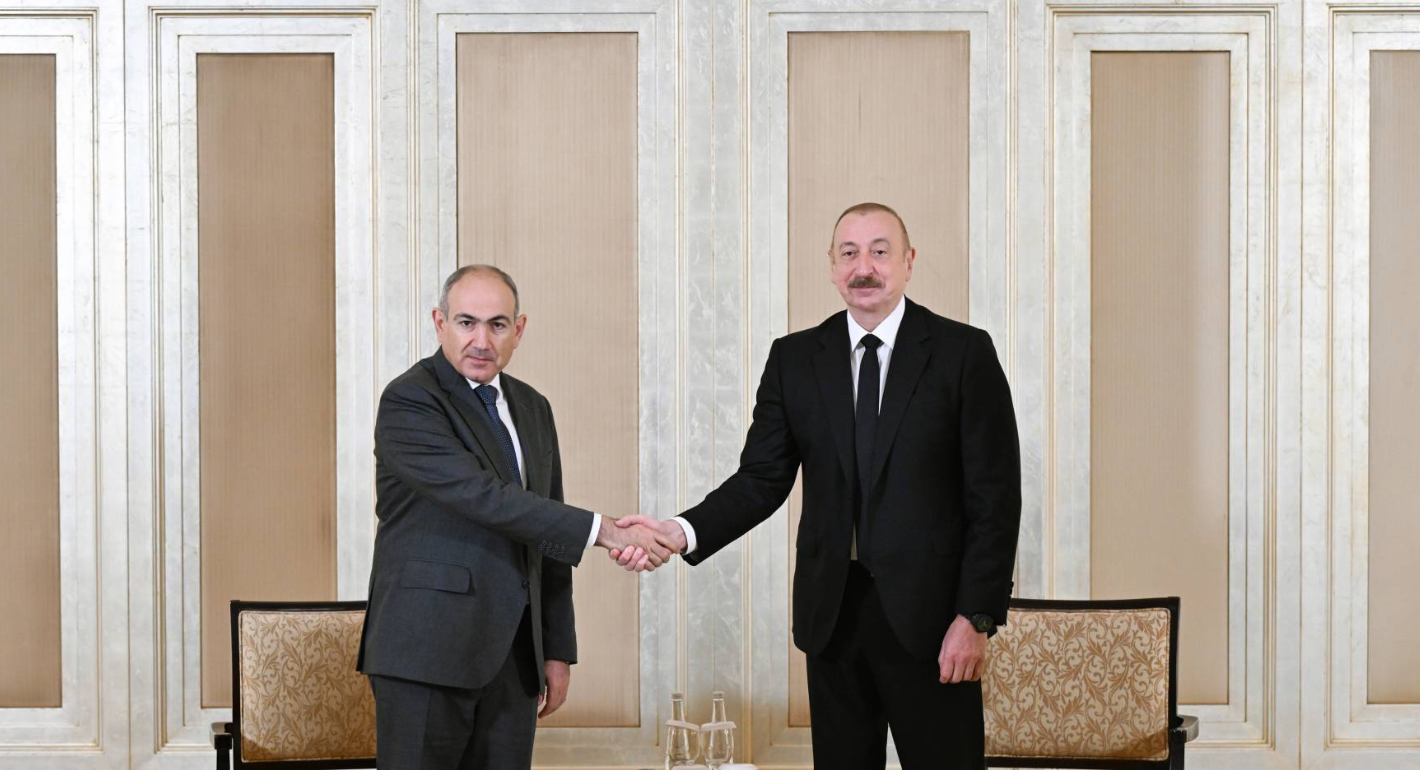
    Rewiring the South Caucasus: TRIPP and the New Geopolitics of Connectivity

    The U.S.-sponsored TRIPP deal is driving the Armenia-Azerbaijan peace process forward. But foreign and domestic hurdles remain before connectivity and economic interdependence can open up the South Caucasus.

      • Areg Kochinyan

      Thomas de Waal, Areg Kochinyan, Zaur Shiriyev
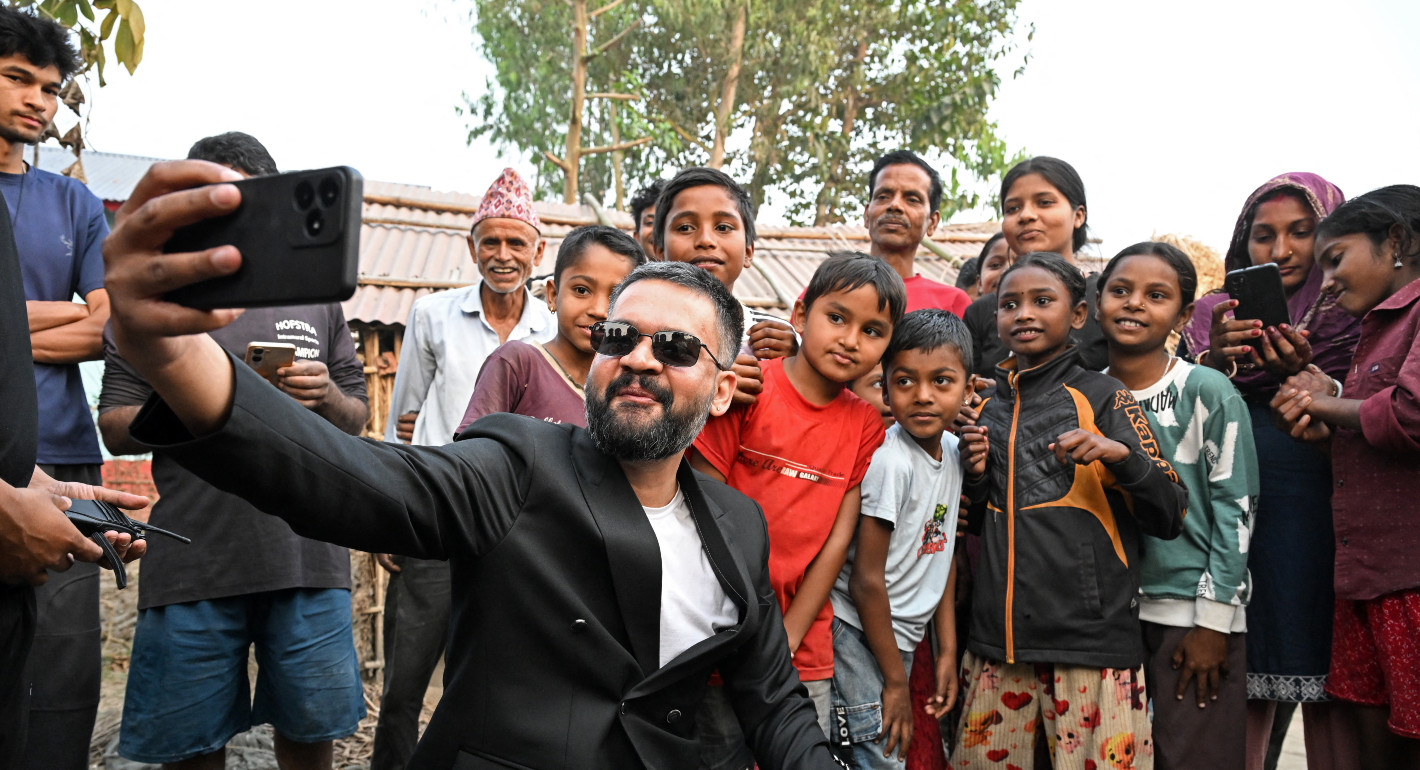
  • Photo of Balen Shah taking a selfie with a group of Nepali adults and children.
    Article
    A New Generation Takes Power in Nepal

    The incoming government has swept Nepal’s election. The real work begins now.
      Amish Raj Mulmi
  • Commentary
    Carnegie Politika
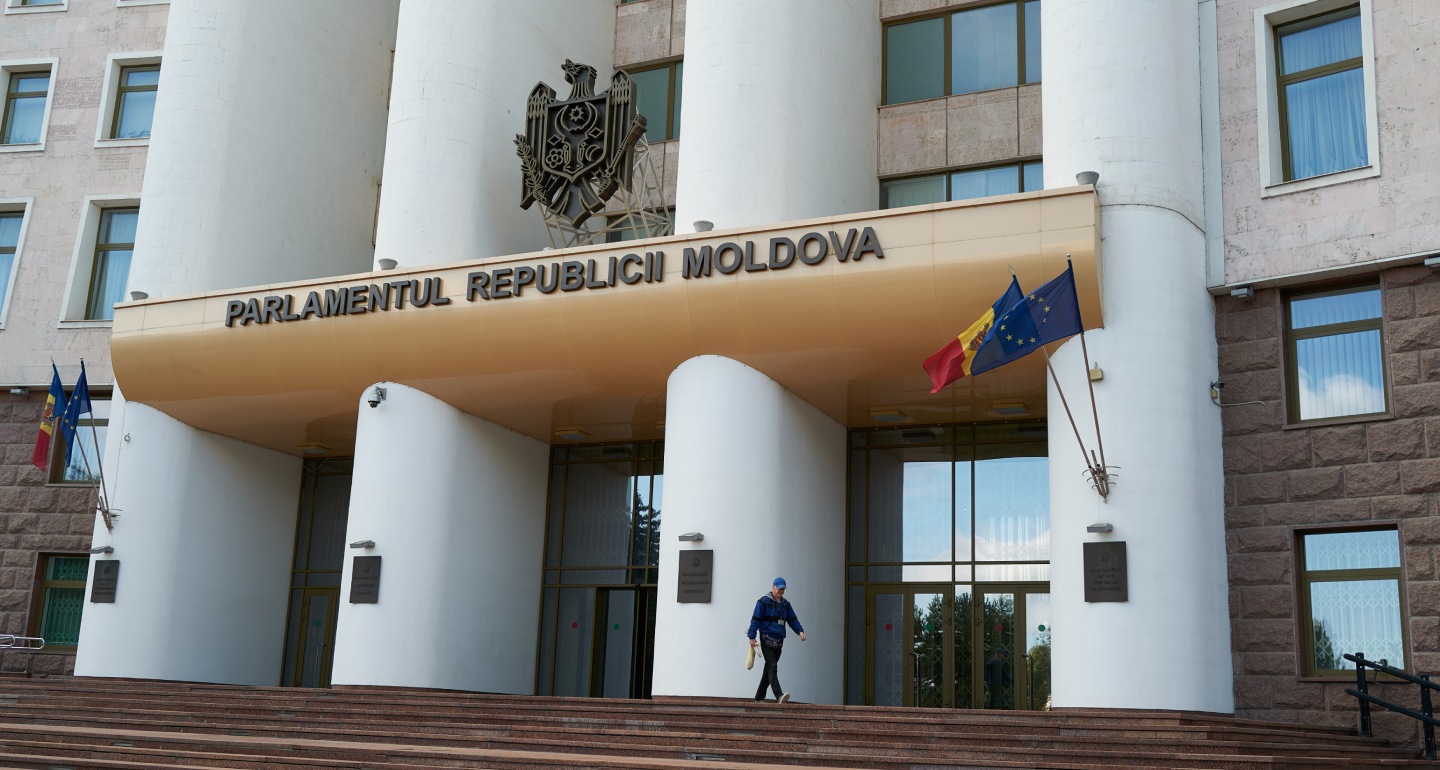
    Moldova Floats a New Approach to Its Transnistria Conundrum

    Moldova’s reintegration plan was drawn up to demonstrate to Brussels that Chișinău is serious about the Transnistria issue—and to get the West to react.
      Vladimir Solovyov

Get more news and analysis from
Carnegie Endowment for International Peace
Carnegie global logo, stacked
1779 Massachusetts Avenue NWWashington, DC, 20036-2103Phone: 202 483 7600Fax: 202 483 1840
  • Research
  • Emissary
  • About
  • Experts
  • Donate
  • Programs
  • Events
  • Blogs
  • Podcasts
  • Contact
  • Annual Reports
  • Careers
  • Privacy
  • For Media
  • Government Resources
Get more news and analysis from
Carnegie Endowment for International Peace
© 2026 Carnegie Endowment for International Peace. All rights reserved.