

Commentary
For every ruble allocated to social policy, health, and education in 2027, double that amount is earmarked for the army, the police, and the security services.
Alexandra Prokopenko
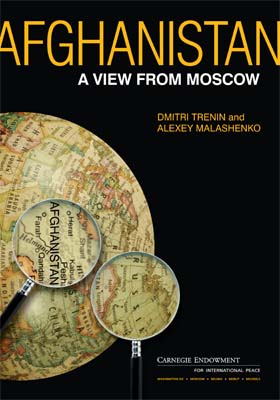
Despite its importance, Russia’s perspective on the war in Afghanistan has typically been missing from previous analyses of coalition policy. Moscow views Afghanistan largely through the prism of security threats to itself and its Central Asian neighborhood.
Despite its importance, Russia’s perspective has been missing from many previous analyses of coalition policy in Afghanistan. Dmitri Trenin and Alexey Malashenko fill that gap with a report that takes a fresh look at the coalition’s involvement in Afghanistan. They conclude that Moscow is an essential part of the Afghan equation that is often overlooked.
Russia remains cautious about becoming too involved in the conflict, but Moscow fears the prospect of instability in Central Asia and drug trafficking from Afghanistan. Russia wants to:
“Russia views Afghanistan today largely through the prism of security threats to itself and its Central Asian neighborhood, where Moscow aspires to soft dominance,” write Trenin and Malashenko.
Former Director, Carnegie Moscow Center
Trenin was director of the Carnegie Moscow Center from 2008 to early 2022.

Former Scholar in Residence, Religion, Society, and Security Program
Malashenko is a former chair of the Carnegie Moscow Center’s Religion, Society, and Security Program.
Carnegie does not take institutional positions on public policy issues; the views represented herein are those of the author(s) and do not necessarily reflect the views of Carnegie, its staff, or its trustees.

For every ruble allocated to social policy, health, and education in 2027, double that amount is earmarked for the army, the police, and the security services.

Alexandra Prokopenko

The acknowledgment has sparked fears of a new arms race with China and Russia.

Chris O’Meara
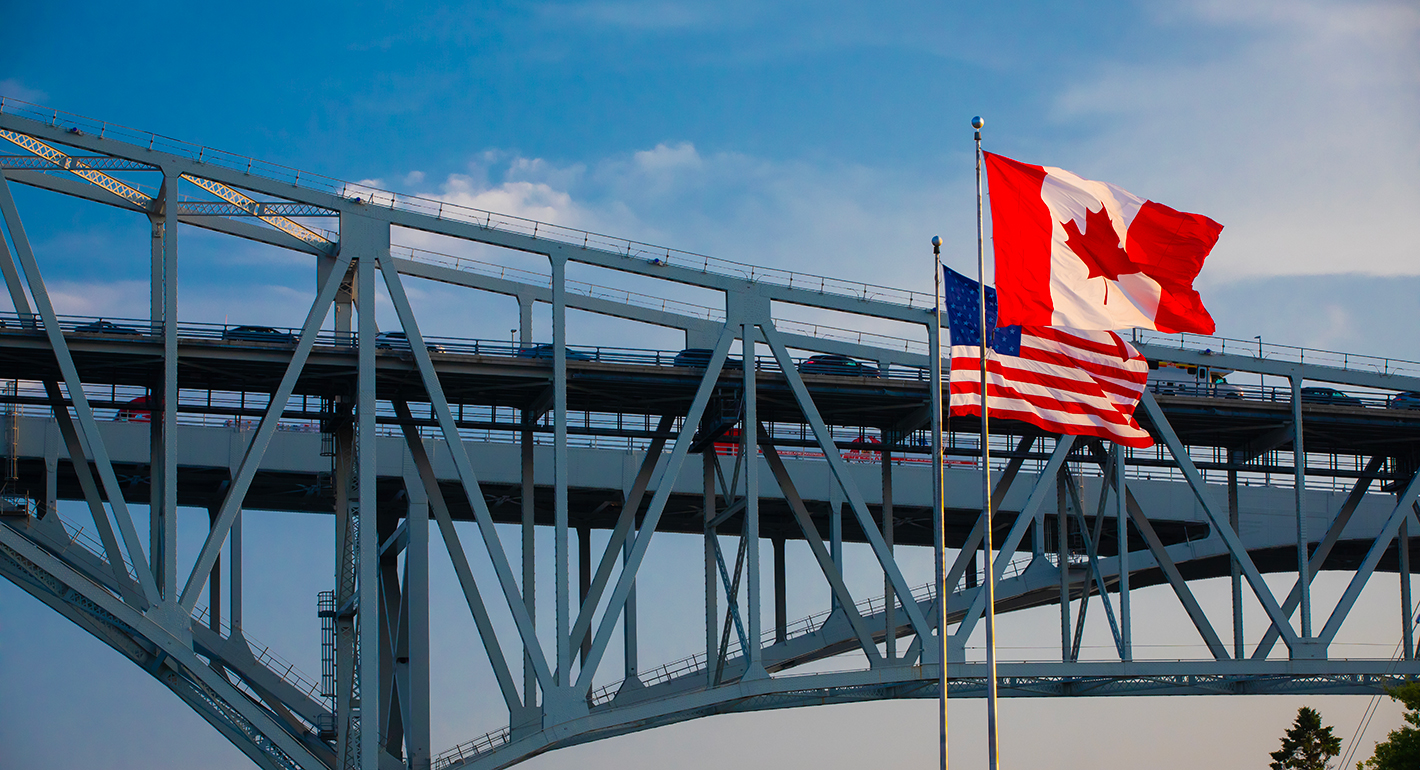
Smaller powers cannot go it alone, but Canadian history shows that integration with the United States will not always be benign.
Paul Samson

The European Commissioner for Trade is headed to China. But after President Xi’s bridge-building visit to Washington, can a more isolated EU overcome Beijing’s stranglehold on critical raw materials? Who will blink first?

Rym Momtaz, ed.
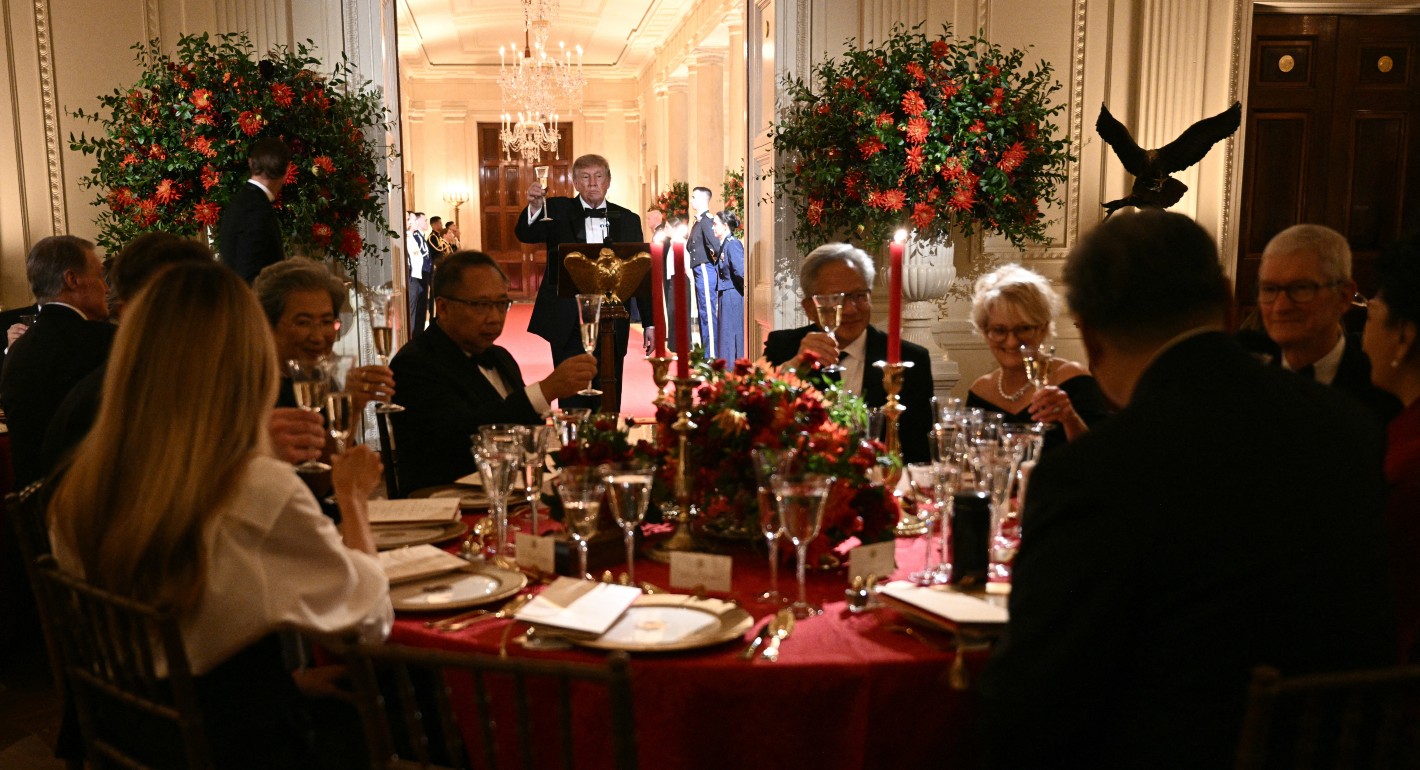
The summit may be remembered as a fatal blunder, when Washington, Beijing, and the AI industry collectively chose ceremony over action.
Jeffrey Prescott