

أوراق بحثية
يزيد صايغ
المصدر: Getty
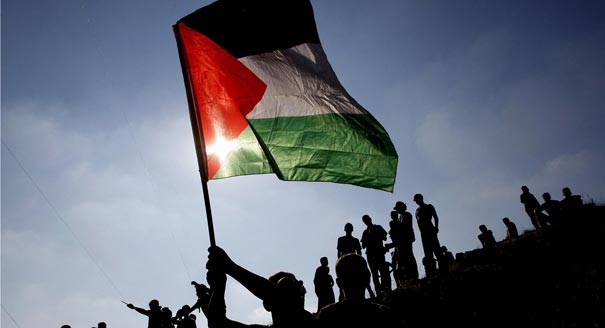
تحدث عملية إعادة بناء القطاع الأمني وهيكلته في الضفة الغربية وقطاع غزة من دون حوكمة ديمقراطية ونظام دستوري، الأمر الذي لا يهدّد أمن المنطقة على المدى الطويل وحسب، بل القدرة أيضاً على تحقيق هدف إقامة الدولة الفلسطينية.
لقد انتهجت الحكومتان المتنافستان في الضفة الغربية وغزة مقاربتين مختلفتين تماماً في سعيهما، في السنوات الأخيرة، إلى تعزيز قوات أمن السلطة الفلسطينية التابعة لهما. ففي حين اعتمدت حكومة فياض في الضفة الغربية، إلى حدّ كبير، على الدعم المالي والتدريب المُقدَّمَين من الغرب، اضطرّت الحكومة التابعة لحركة حماس في غزة، التي لا تتلقّى مساعدات خارجية كبيرة، إلى ترشيد تنظيم عملياتها.
لكن الجهود الغربية، وعلى الرغم من حسن نيّتها، أعاقت قوات الأمن في الضفة الغربية بدلاً من أن تساعدها، علماً أن هذه القوات تلقّت حوالى 450 مليون دولار من المساعدات من الولايات المتحدة والاتحاد الأوروبي منذ العام 2007. فتركيز الغرب المحدود على المساعدة التقنية بدلاً من المساعدة السياسية، والمقاربة العامة المفكّكة، إضافةً إلى غياب التماسك والاستقلالية في قوات أمن السلطة الفلسطينية في الضفة الغربية، هي العوامل المسؤولة إلى حدّ كبير عن فشل القطاع الأمني في تطوير قدراته في مجالَي التدريب والتخطيط.
في المقابل، استفادت قوات أمن السلطة الفلسطينية في غزة من غياب الدعم الخارجي. فحماس، لا الجهات المانحة الخارجية، هي التي تختار كيفية رسم سياسات هذه القوات وبرامجها وتحديد أولوياتها. ونتيجةً لهذا الشعور بـ"الملكية"، ولهذه المقاربة الفعّالة، أصبح قطاع الأمن في غزة أكثر تماسكاً، وذات تسلسل قيادي أوضح، كما طوّر قدرات تدريبيةً وتخطيطيةً أكثر مهنيةً من قطاع الأمن في الضفة الغربية.
بيد أن المشكلة الرئيسة في كلا الإقليمين تكمن في أن إعادة بناء القطاع الأمني وهيكلته تتم من دون حوكمة ديمقراطية ونظام دستوري. ومع أن حكومة فياض في الضفة الغربية وحكومة هنية في غزة تؤكّدان على الالتزام الصارم بسيادة القانون والاحترام الحقيقي لحقوق الإنسان، إلا أن افتقارهما إلى الضوابط والتوازنات الدستورية - ووجود رقابة تشريعية وقضائية ضعيفة - يجعل هذا الالتزام صعباً. فضلاً عن ذلك، يتفاقم ضعف السيطرة المدنية على قوات الأمن، خصوصاً وأن الصراع السياسي الداخلي في الضفة الغربية يشتدّ والأسلمة في غزة تتزايد.
هذا المنحى سيستمرّ ما لَم تُتَّخّذ جملة من الخطوات. هذه الأخيرة تشمل إنجاز "الملكية" الفلسطينية لتطوير قطاع الأمن - خصوصاً في الضفة الغربية - وإعادة دمج قوات أمن السلطة في الضفة الغربية وقطاع غزة، وضمان سيطرة الحكومة على الأمن في الإقليمين، ووضع رؤية جديدة للأمن القومي من خلال إشراك أصحاب المصلحة كافة. وإذا لم تُتَّبَع هذه الخطوات، فلن يهدّد تنامي النزعة السلطوية في الإقليمين الأمنَ على المدى الطويل وحسب، بل القدرة أيضاً على بلوغ هدف قيام الدولة الفلسطينية المستقلّة.

زميل أول, مركز مالكوم كير– كارنيغي للشرق الأوسط
يزيد صايغ زميل أول في مركز مالكوم كير– كارنيغي للشرق الأوسط في بيروت، تركّز أبحاثه على الأدوار السياسية والاقتصادية المقارَنة للقوات المسلحة العربية، والتداعيات التي تخلّفها الحرب على الدول والمجتمعات، والجوانب السياسية لعملية إعادة البناء وتحوّل قطاع الأمن وفي المراحل الانتقالية التي تشهدها الدول العربية، إضافة إلى إعادة إنتاج الأنظمة السلطوية.
الأعمال الحديثة
يزيد صايغ
يزيد صايغ
لا تتخذ كارنيغي مواقف مؤسسية بشأن قضايا السياسة العامة؛ الآراء المعبر عنها هنا هي آراء المؤلف(ين) ولا تعكس بالضرورة آراء كارنيغي أو موظفيها أو أمنائها.
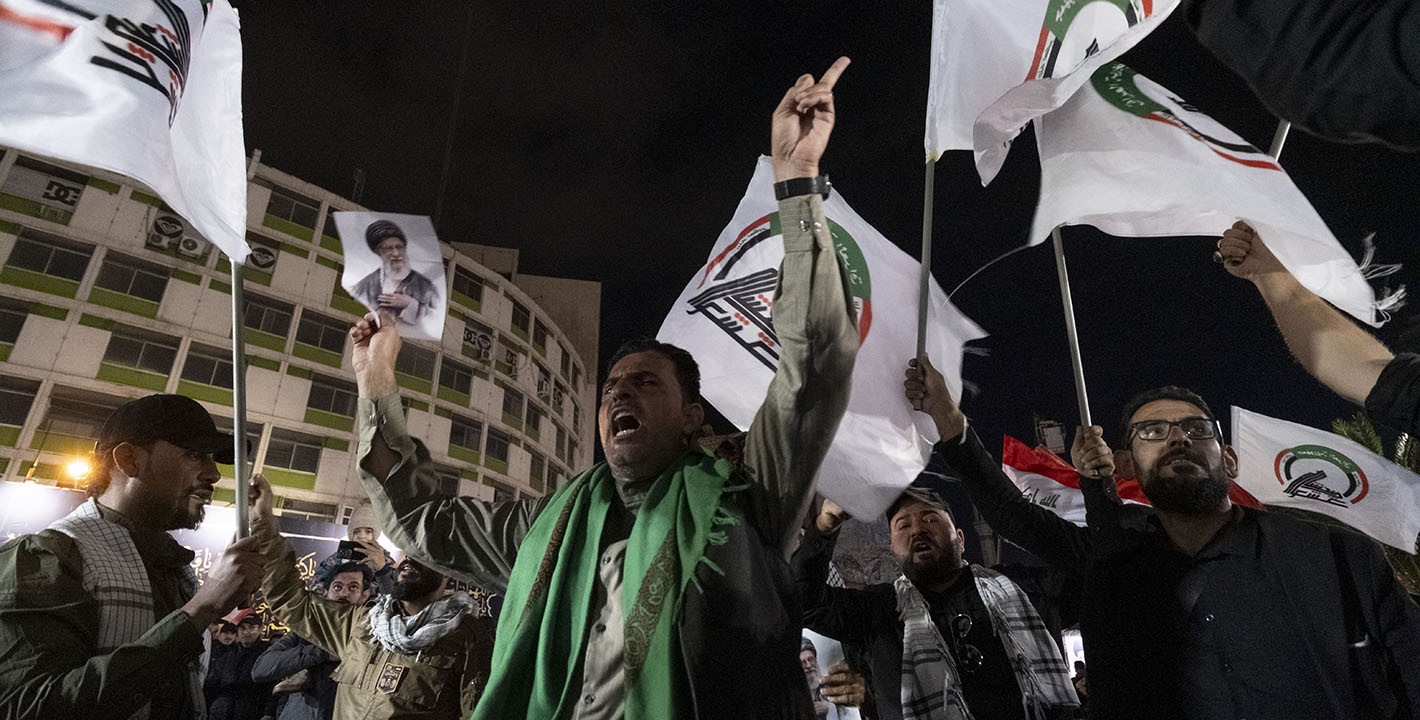
يواجه هدف حكومة الزيدي عقبات بسبب الصراع الإقليمي، لكن بإمكانها اتّخاذ بعض الإجراءات في هذا الصدد.
علي المولوي

بذلت "هواوي" جهودًا حثيثة لدخول سوق مراكز البيانات في مصر، إلى أن قدّمت الولايات المتحدة عرضًا أفضل.
انجي عمر
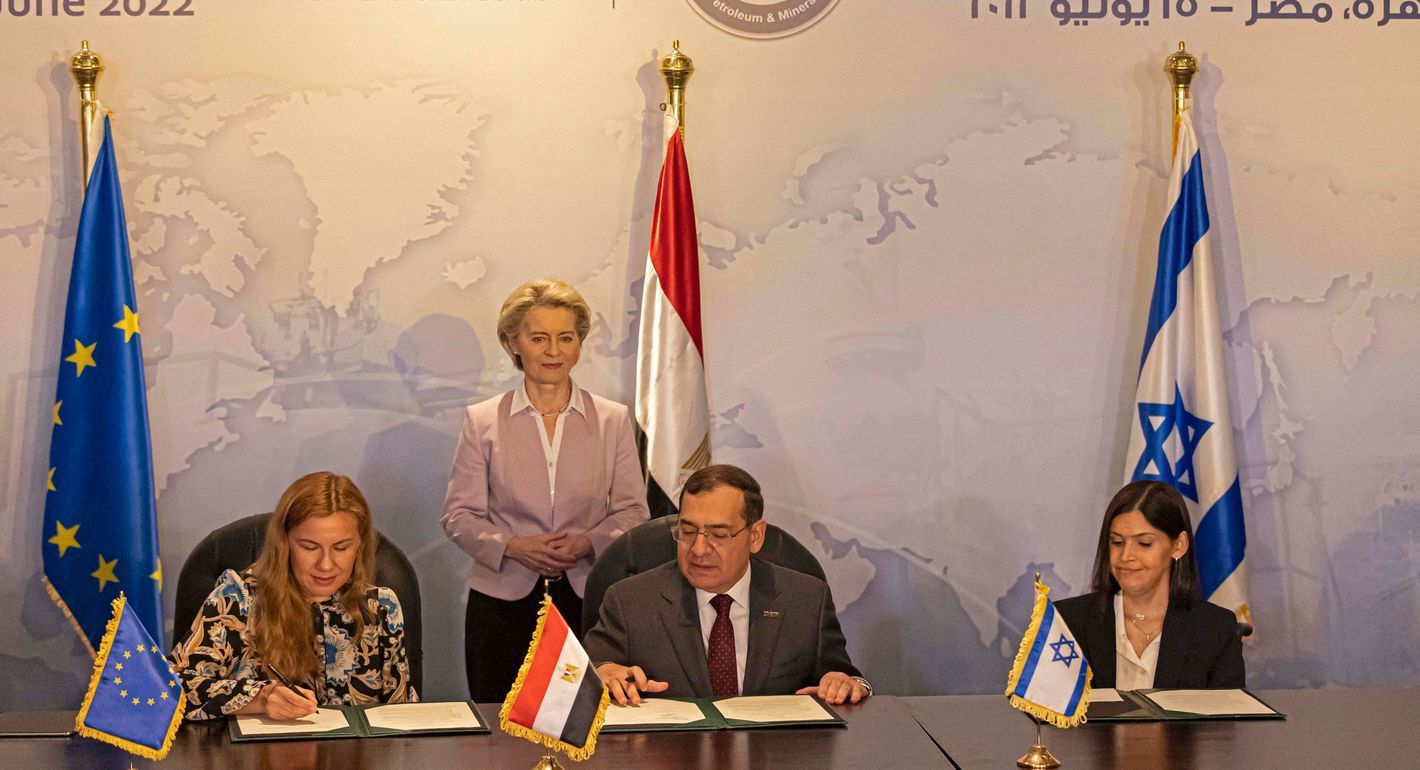
هل يمكن للغاز أن يخفف التوتر بين مصر وإسرائيل، أم أن المصالح الاقتصادية تؤجل الصدام فقط؟ يقارن المقال بين صفقة الغاز المصرية-الإسرائيلية والتجربة الألمانية-الروسية ليكشف حدود قدرة التجارة والاعتماد المتبادل على احتواء الصراع.

نورهان حفظي
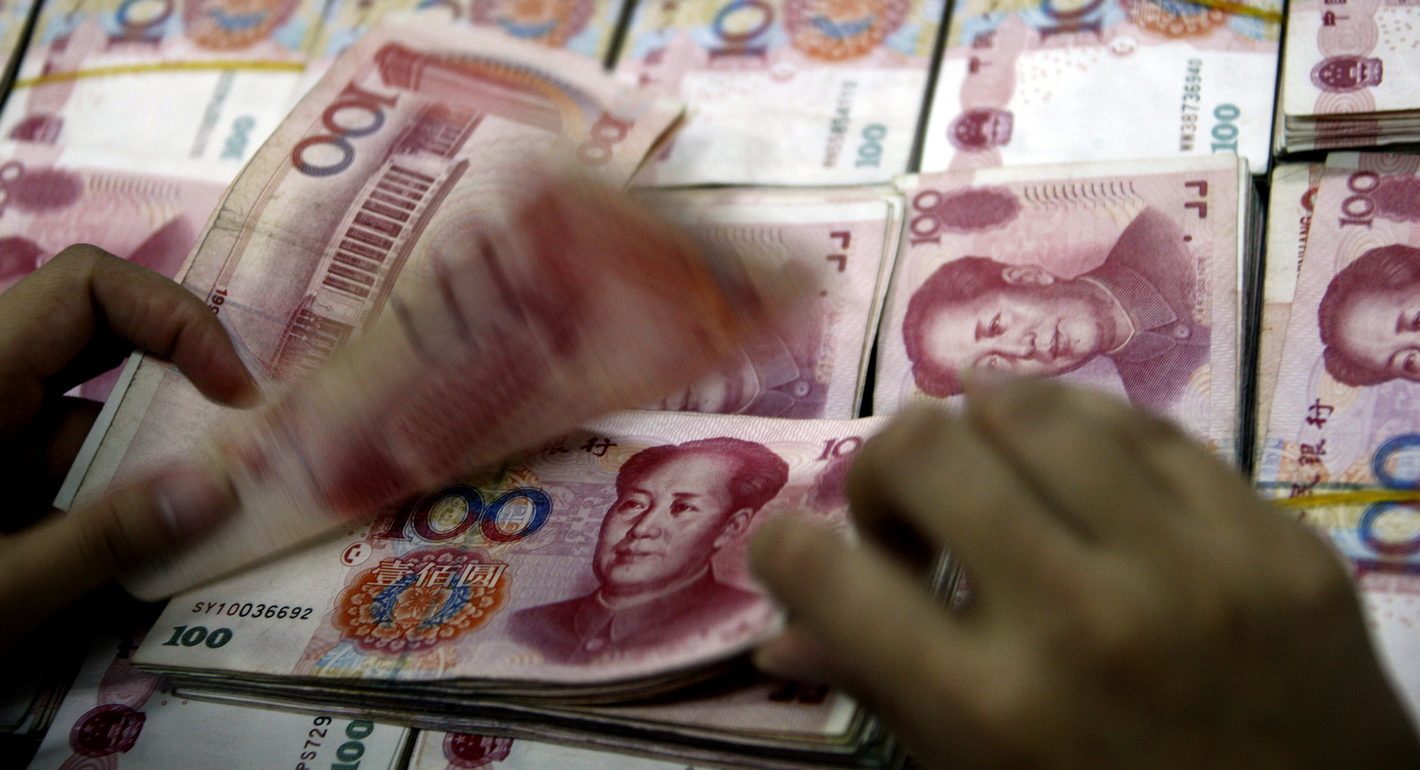
هل يتجه الخليج إلى ما بعد هيمنة الدولار؟ يتناول هذا المقال توسّع الصين لاستخدام اليوان في أسواق الخليج، وما الذي يعنيه ذلك لمستقبل النظام المالي الإقليمي، ولماذا تبدو مسألة فك الارتباط بالدولار أكثر تعقيدًا مما توحي به العناوين.

أندرو بوني

إن إخفاق المسار الحالي في معالجة مسألة التمثيل الفلسطيني سيجعله حتمًا يفضي إلى مجرّد ترتيبٍ مؤقّتٍ آخر.

ناثان ج. براون