

Commentary
A leak of Russian gas price data helps establish that China is paying Russia far less than Central Asian countries and Gazprom’s former European customers.
Sergey Vakulenko
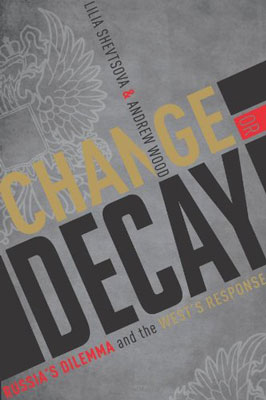
Two decades after the collapse of the Soviet Union, the West has yet to adjust to the post-Soviet reality and Russia has not settled on its relationship with the rest of the world.
Source: Washington
The world is still coping with the consequences of the collapse of the Soviet Union. Two decades later, the West has yet to adjust to the post-Soviet reality and Russia has not settled on its relationship with the rest of the world.
In Change or Decay, two of the most respected scholars on Russia analyze how relations are shifting between Russia and the world. In a series of lively and candid conversations, Lilia Shevtsova and Andrew Wood discuss how the Russia of Putin and Medvedev emerged from the ashes of the Soviet Union and the trajectory of Russia’s relations with the West.
“This book attacks the widely held myths and illusions that have for so long governed both the evolution of Russia and the ideas of Russia held by the outside world. It’s a lively book made still better by flashes of humor. You may agree with it, or dispute it. You may like some of it, and hate the rest. But read it.”
—Mikhail Gorbachev, former president of the Soviet Union, Nobel Peace Prize winner, and president of the Gorbachev Foundation

Former Senior Associate, Russian Domestic Politics and Political Institutions Program, Moscow Center
Shevtsova chaired the Russian Domestic Politics and Political Institutions Program at the Carnegie Moscow Center, dividing her time between Carnegie’s offices in Washington, DC, and Moscow. She had been with Carnegie since 1995.
Andrew Wood
Carnegie does not take institutional positions on public policy issues; the views represented herein are those of the author(s) and do not necessarily reflect the views of Carnegie, its staff, or its trustees.
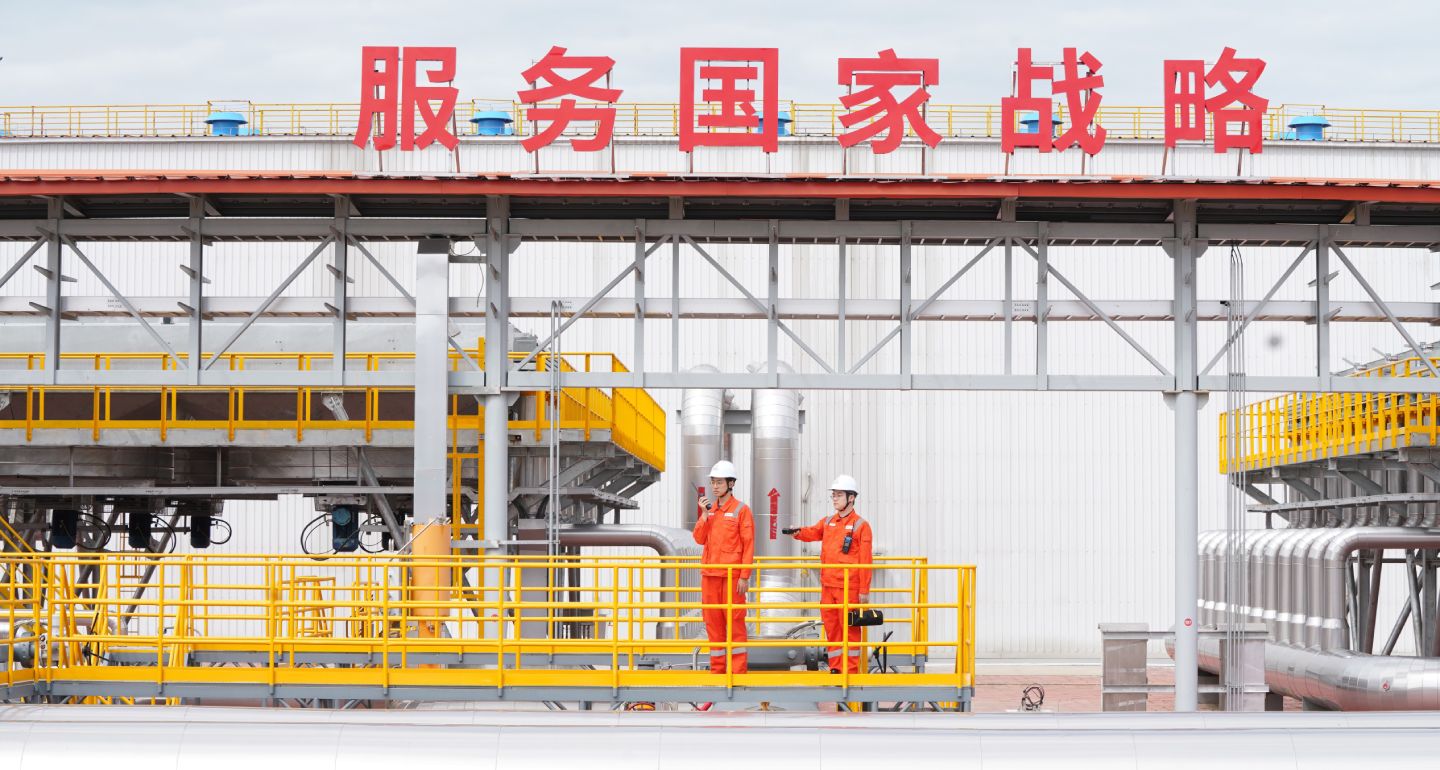
A leak of Russian gas price data helps establish that China is paying Russia far less than Central Asian countries and Gazprom’s former European customers.

Sergey Vakulenko

The EU can impose sanctions but struggles to enforce them without the United States. With Washington increasingly disinterested in backing European interests, the bloc must now fend for itself.


Nicu Popescu, Tiago Antunes
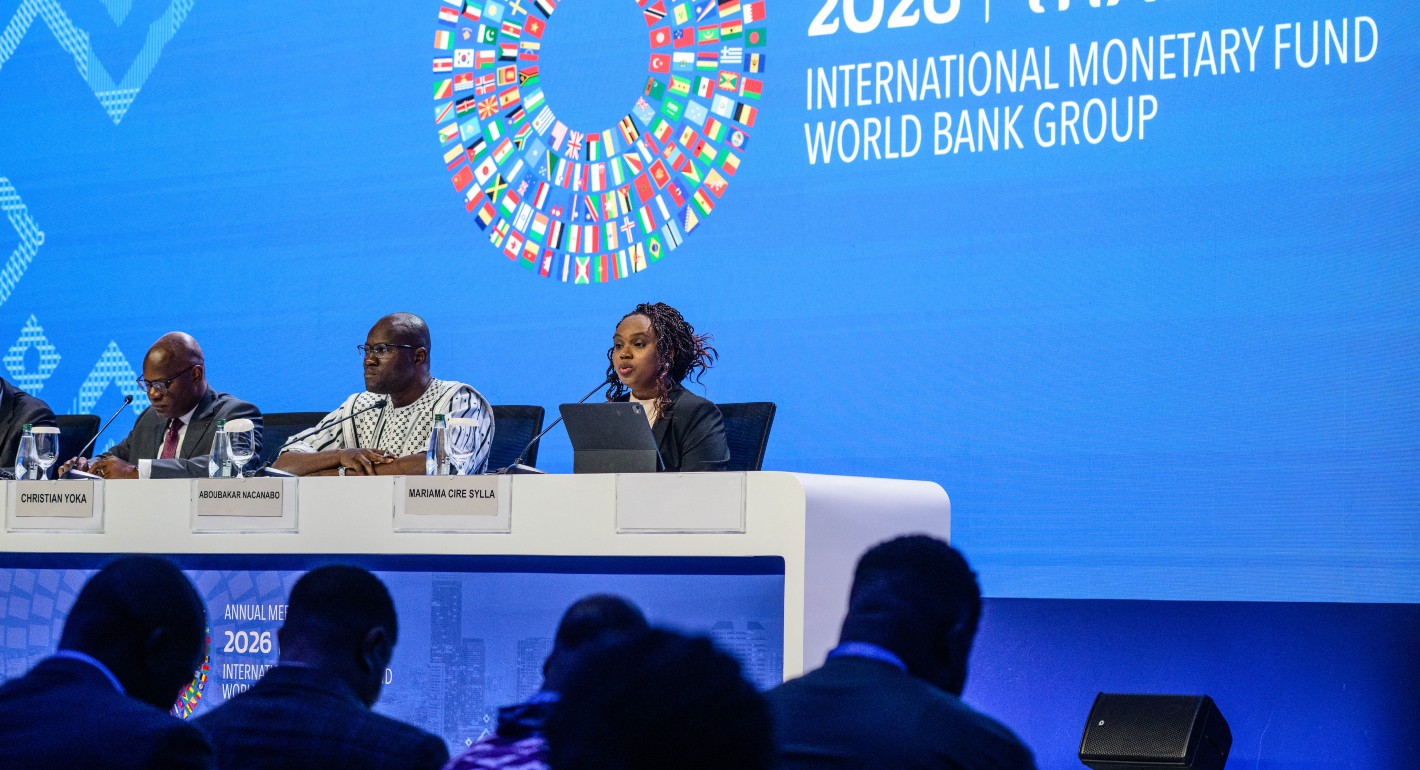
Global and rising powers will need to engage with Africa’s priorities and agency in order to secure the continent’s increasingly attractive partnerships.
Fonteh Akum

Rubio’s recent visit brought welcome attention, but more capital requires governance changes that may be a hard sell for regional governments.

Jennifer B. Murtazashvili

America’s foreign-policy objectives have grown more demanding while Americans have demanded greater focus on their own affairs.
Stephen Wertheim