

Commentary
By focusing only on hard security, the Shield ignores the conditions that fuel cartel power.
Alejandro Martin Rodriguez, Kayly Ober
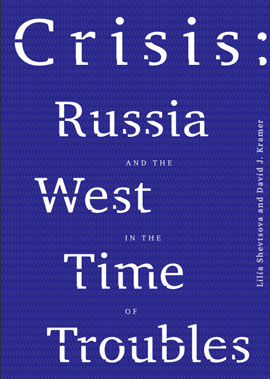
Today, the two predominant political and social models—authoritarianism and liberal democracy—are experiencing simultaneous crises.
Source: Carnegie Moscow Center
This book is a collection of polemical articles published mostly in 2011-2013 in the American Interest, Journal of Democracy, Current History, Diplomaatia, and Yezhednevny Zhurnal. Some of the articles were co-authored with David J. Kramer, the president of Freedom House.The articles reflect on Russia’s current trajectory, its relations with the West, Western thinking about Russian civilization, modern authoritarianism and its Russian and Chinese incarnations, and the use of foreign policy for the preservation of authoritarian regimes. These reflections introduce a broader and more dramatic theme: crisis, as it is experienced by an obsolescent political and social system, and as it is experienced by a system in need of rejuvenation. In essence, these essays present the reader with a snapshot of the historical period in which we live.
The drama inherent in this period lies in the fact that the two predominant political and social models—authoritarianism and liberal democracy—are experiencing simultaneous crises.
Former Senior Associate, Russian Domestic Politics and Political Institutions Program, Moscow Center
Shevtsova chaired the Russian Domestic Politics and Political Institutions Program at the Carnegie Moscow Center, dividing her time between Carnegie’s offices in Washington, DC, and Moscow. She had been with Carnegie since 1995.
David J. Kramer
David J. Kramer served as assistant aecretary of state for democracy, human rights and labor in the George W. Bush administration and is director of European & Eurasian Studies at Florida International University’s Steven J. Green School of International and Public Affairs.
Carnegie does not take institutional positions on public policy issues; the views represented herein are those of the author(s) and do not necessarily reflect the views of Carnegie, its staff, or its trustees.

By focusing only on hard security, the Shield ignores the conditions that fuel cartel power.

Alejandro Martin Rodriguez, Kayly Ober
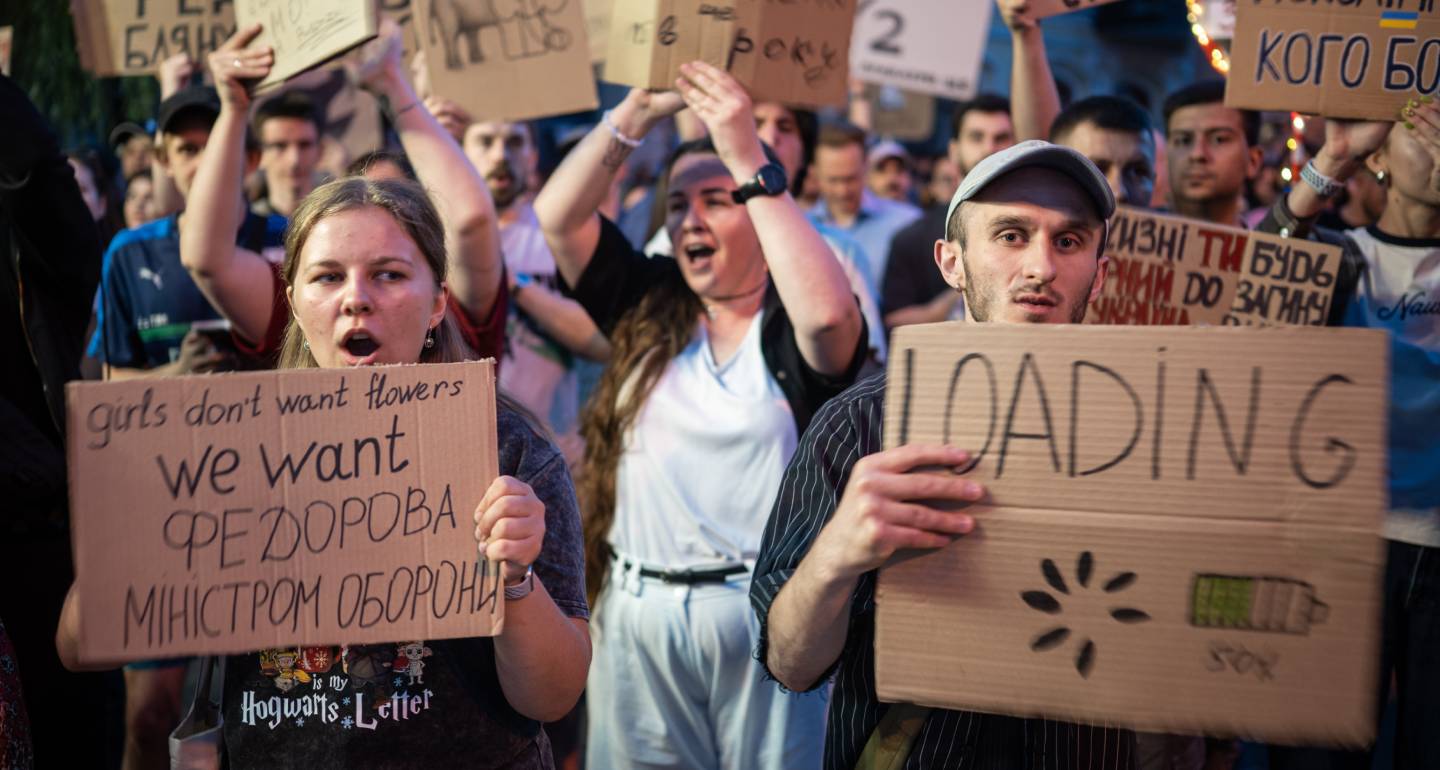
With his public call for new elections in Ukraine, ex-defense minister Mykhailo Fedorov has opened Pandora’s box.

Konstantin Skorkin

In supporting Europe’s far-right, MAGA and Russia both want the same thing: a weaker EU. Europe must defend itself without abandoning the openness these forces exploit.

Armida van Rij

Political pressure and economic headwinds are closely intertwined problems for Russian publishers and booksellers. Together, they risk propelling Russia into a “post-literate” era.
Galina Yuzefovich
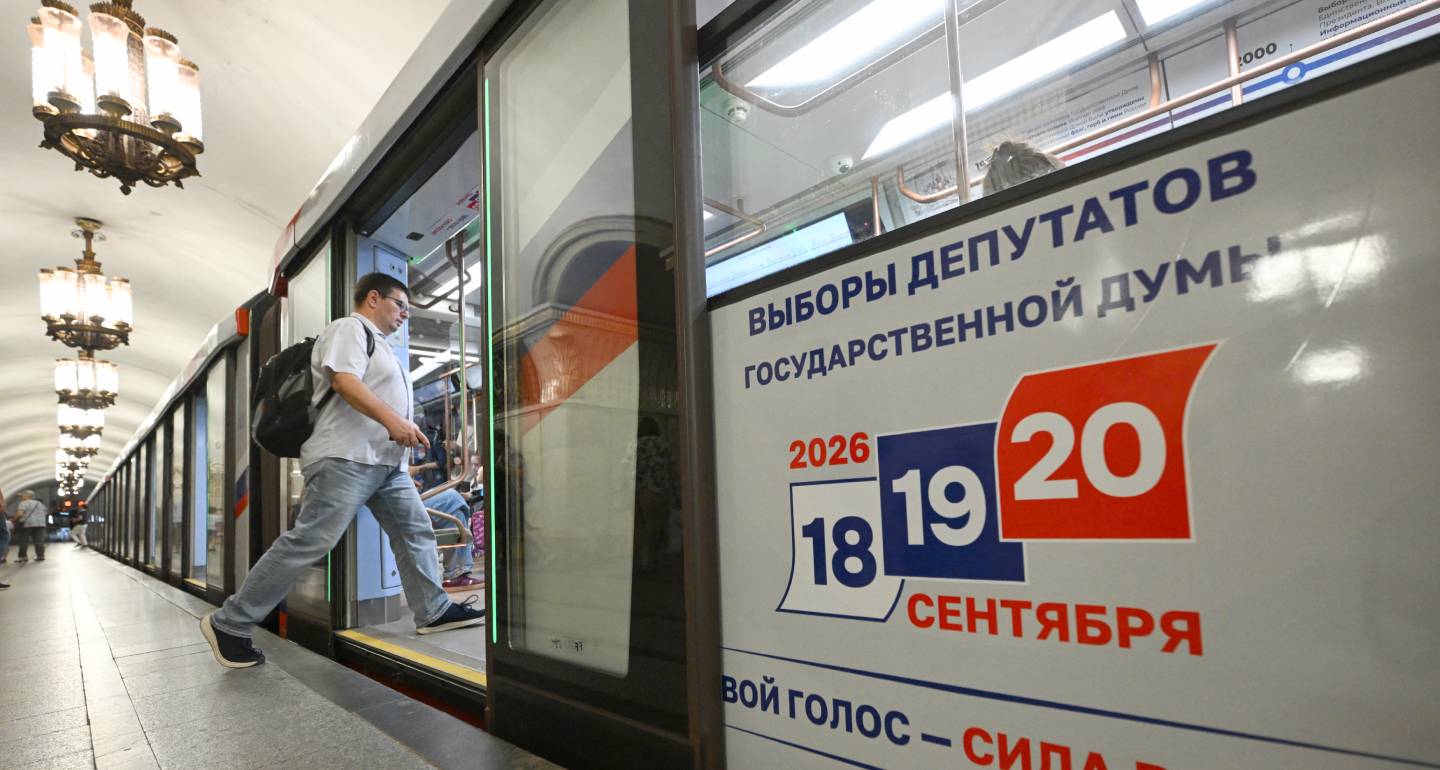
In the discussions made possible by the State Duma election campaign, one question is being asked more and more loudly. “What next?”

Andrey Pertsev