• Research
  • Emissary
  • About
  • Experts
Carnegie Global logoCarnegie lettermark logo
DemocracyIran
  • Donate
In Pursuit of Nuclear-Powered Submarines: Australia, South Korea, And Japan
Research

In Pursuit of Nuclear-Powered Submarines: Australia, South Korea, And Japan

A look at why states without nuclear weapons are seeking naval nuclear propulsion, whether they can legally and technically deliver it, what it will cost them, and what responsible stewardship of the capability would look like.

Link Copied
By Jamie Kwong
Published on Sep 15, 2026
Program mobile hero image

Program

Nuclear Policy

The Nuclear Policy Program works to reduce the risk of nuclear catastrophe. Our experts identify and analyze dangers, and then use our global network to advance concrete and pragmatic risk-reduction policies relating to deterrence and international security, arms control, nonproliferation, and nuclear energy.

Learn More
Read the Publication

About the Author

Jamie Kwong

Fellow, Nuclear Policy Program

Jamie Kwong is a fellow in the Nuclear Policy Program at the Carnegie Endowment for International Peace.

    Recent Work

  • Commentary
    A Nuclear Odyssey at Sea

      Jamie Kwong, Toby Dalton

  • Research
    A New Era of Nuclear-Powered Submarines Is Making Waves in Nuclear-Weapon-Free Zones
      • +5

      Toby Dalton, Jamie Kwong, Ryan A. Musto, …

Jamie Kwong
Fellow, Nuclear Policy Program
Jamie Kwong
AsiaAustraliaIndo-PacificSouth KoreaJapanNuclear Policy

Carnegie does not take institutional positions on public policy issues; the views represented herein are those of the author(s) and do not necessarily reflect the views of Carnegie, its staff, or its trustees.
More Work from Carnegie Endowment for International Peace

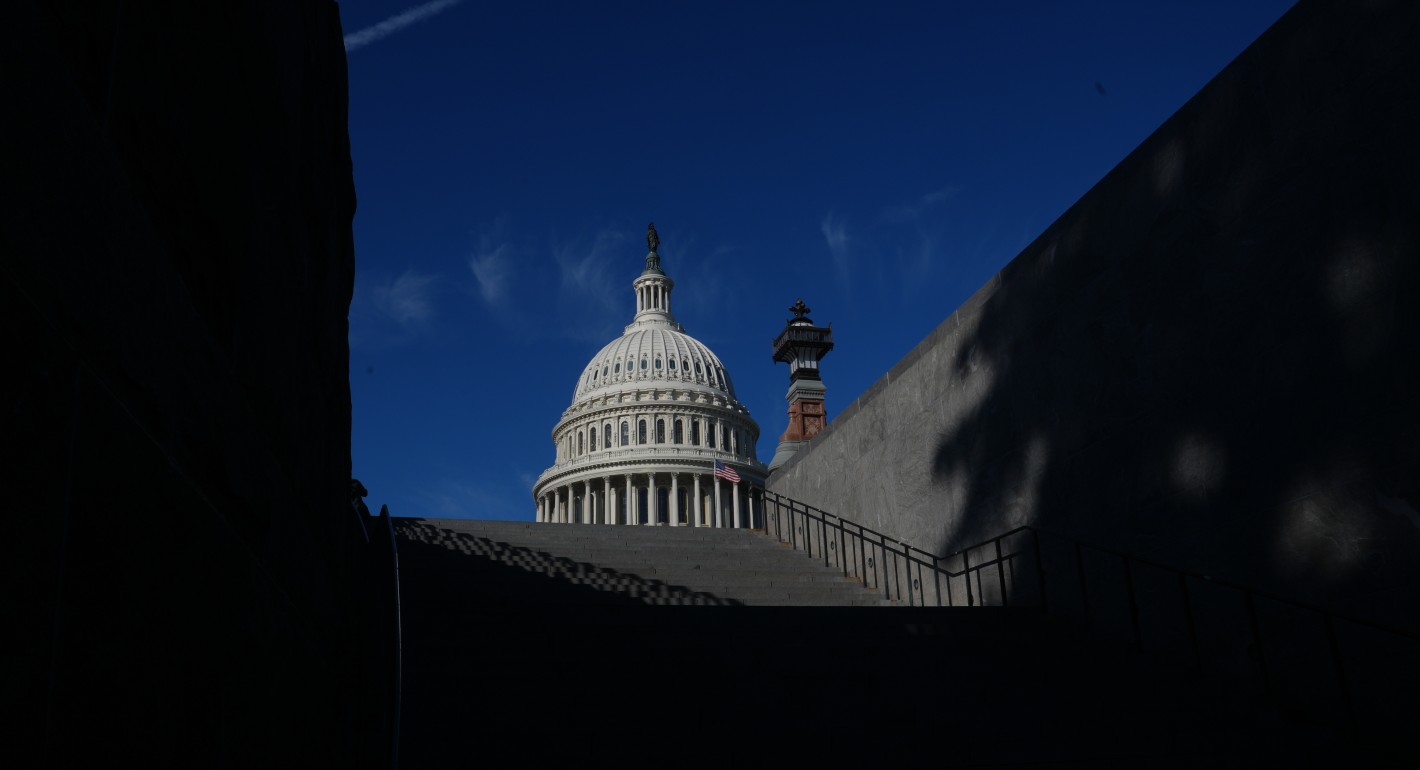
  • Capitol building from below
    Commentary
    Emissary
    What the New Democratic Congress Can (and Can’t) Do on Foreign Policy

    Democrats now have the gavel and the purse, but the executive branch still pulls the levers on the U.S. role in the world.


      • +10

      James M. Acton, Dan Baer, Mark Baldassare, …
  • Article
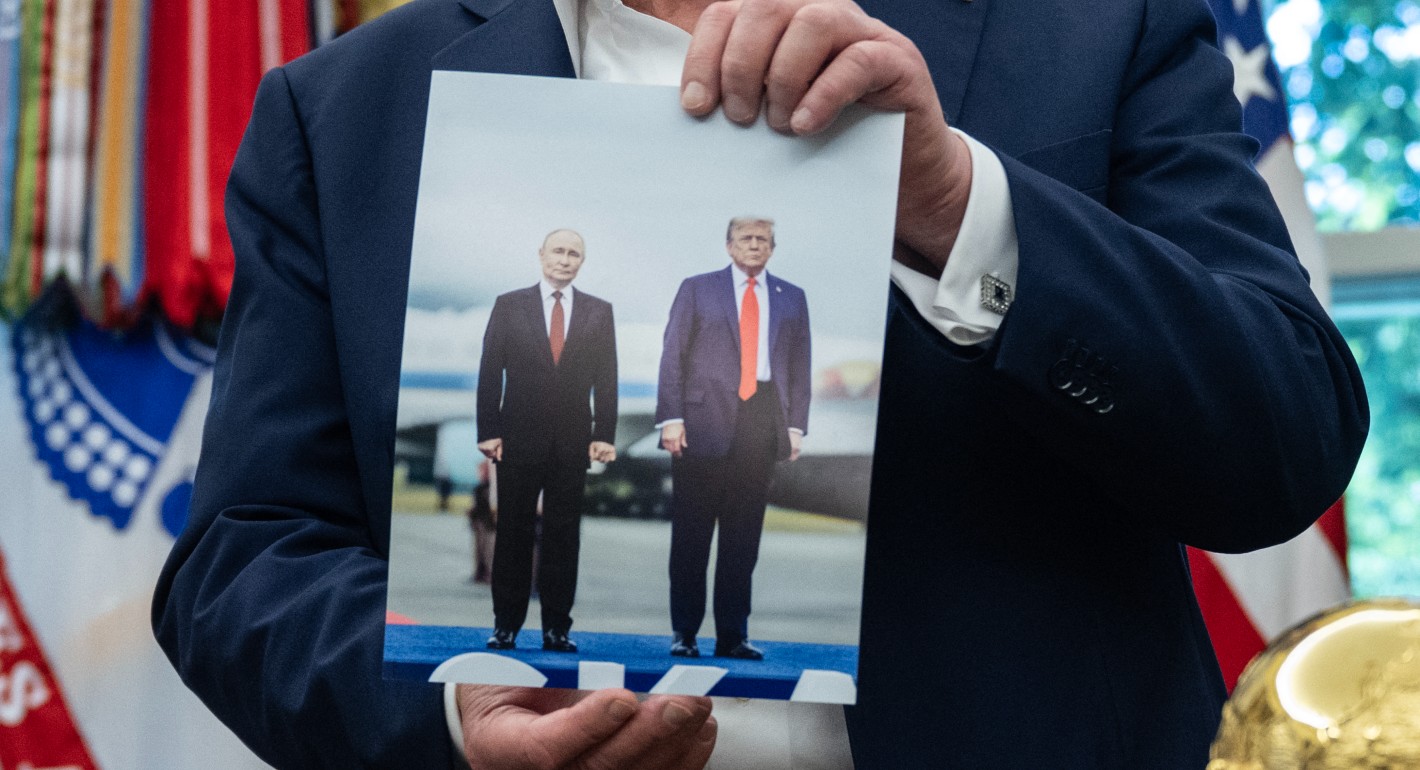
    Nuclear Deterrence Needs to Account for Domestic Politics

    Individual leaders and public attitudes—especially in democracies—matter for credibility.

      • A white man with short dark hair and a goatee wears a gray suit

      Lauren Sukin, Samuel Seitz

  • Commentary
    Carnegie Politika
    Could Nuclear Warheads Really Be Deployed to the Baltic States?

    Latvia and Lithuania have been considering whether they could temporarily host NATO nuclear weapons in the event of war or a similar crisis.
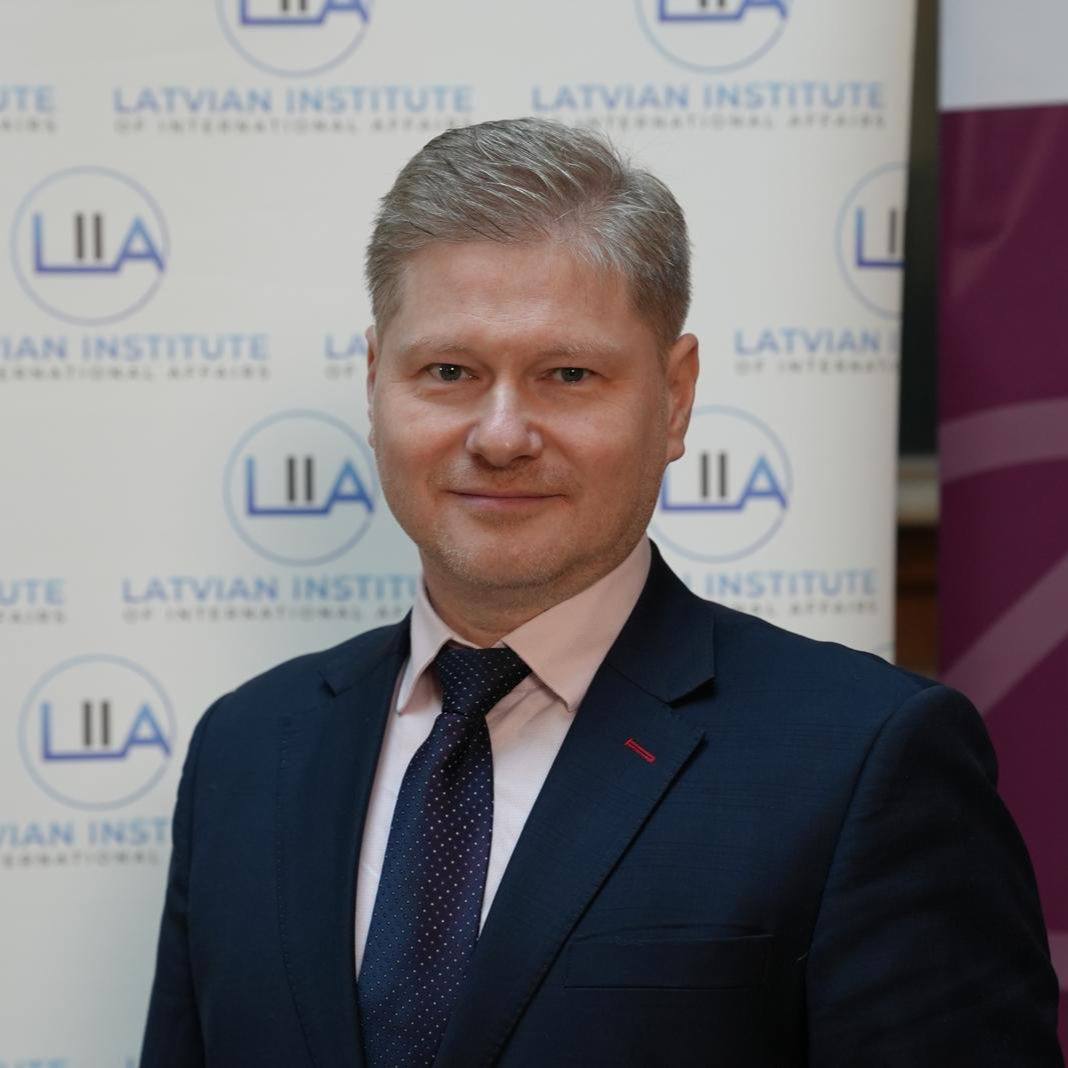
      Sergejs Potapkins

  • Commentary
    The Spring and Autumn of Chinese Politics

    China’s political future will be shaped between now and next October. As the Communist Party enters its intense “campaign season” to prepare for a major political transition in 2027, reading Beijing's actions and responses may become more difficult as domestic politics weigh on its behavior more than usual.

      • Damien Ma

      Damien Ma

  • Commentary
    Carnegie Politika
    Why Has Tokyo’s Response to Kremlin Challenges Been So Muted?

    Japan’s long-term security policy is driven by concerns about China, and there is little appetite for (or interest in) pursuing a confrontation with Moscow.  

      James D.J. Brown

Get more news and analysis from
Carnegie This Week
Carnegie global logo, stacked
1779 Massachusetts Avenue NWWashington, DC, 20036-2103Phone: 202 483 7600
  • Research
  • Emissary
  • About
  • Experts
  • Donate
  • Programs
  • Events
  • Blogs
  • Podcasts
  • Contact
  • Annual Reports
  • Careers
  • Privacy
  • For Media
  • Government Resources
Get more news and analysis from
Carnegie This Week
© 2026 Carnegie Endowment for International Peace. All rights reserved.