

Commentary
The six GCC members’ unity would be a valued—if not essential—asset for negotiating an end to the simmering regional conflict.
Sam Worby, Andrew Leber

Source: Getty
The global hydrocarbon order is changing. Economic diversification and developing productive economies have become essential for Middle Eastern and North African states, requiring them to address social and political challenges and rethink domestic, regional, and global settlements.
This paper was written with insights from the following commission members: Muna Abbas, Mohammed Abdel Raouf, Abdulkhaleq Abdulla, Youssef Al-Ebraheem, Ziad BahaEddin, Ferid Belhaj, Noha El Mikawy, Rima Khalaf, Ali Kooli, Slim Othmani, Tarik Youssef, and Maha Yahya.
This paper is a product of workshops and online sessions that have been held over the past two years with a commission of regional experts, chaired by Marwan Muasher. The secretariat was made up of Nur Arafeh, Ishac Diwan, and Hamza Meddeb. We would like to thank all the commission members who joined us for online sessions between March and November 2025 and at a workshop in Beirut in February 2026. We would also like to thank scholars who joined the commission on specific sessions: Faris al-Sulayman, Roger Diwan, Idriss Hadj Nacer, Steffen Hertog, Amir Lebdioui, Giacomo Luciani, and Adeel Malik. We are grateful to Kristin Diwan, Steffen Hertog, and Karen Young for contributing boxes to the report, and to Ziad Daoud for kindly sharing data used the figure 15. We would like to thank experts who joined a preliminary workshop held in Amman in September 2024 to kickstart the project: Mohieddine Abdellaoui, Shahla al-Kli, Salma al-Shami, Abdullah Baabood, Amel Boubekeur, Kristin Diwan, Mohanad Hage Ali, Laury Haytayan, Steffen Hertog, Nader Kabbani, Alexandre Kateb, Yusuf Mansour, Francesca Ricciardone, Djavad Salehi Isfahani, and Karen Young. The authors gratefully acknowledge the Asfari Foundation’s generous support for this project.
The Middle East and North Africa (MENA) region has been a major producer and exporter of hydrocarbons since the 1930s. In 2025, around 30 percent of global hydrocarbon exports originated in the MENA region, with collective regional revenues amounting to over $1 trillion.1 Since 2000, when the second oil boom began (the first being in October 1973), MENA has sold $25 trillion worth of oil and gas (adjusted for 2025 prices). As demonstrated by the conflict between the United States and Iran, events in the region remain consequential for international energy markets. But equally, hydrocarbons have shaped the region’s economies, governance structures, and societies in ways that now define the nature of the challenge ahead.
The challenge in question is one of fundamental economic transformation. The global hydrocarbons order is facing profound change, as environmental and geopolitical pressures undermine the foundations on which many MENA economies have rested. In this context, economic diversification is no longer optional; it has become both strategic and urgent. Yet diversification is not merely a technical exercise. It brings with it at least three types of fundamental and interconnected challenges. The first is economic, and involves countries determining how to increase their labor productivity and build sustainable productive capacity outside hydrocarbons in economies long structured around resource rents. The second challenge is social and political, affecting how to renegotiate social contracts that support more inclusive societies. The third is regional, where the success or failure of transformation will depend not only on domestic reform, but on whether a more stable regional order can emerge, one in which economic cooperation prevails over conflict, fragmentation, and escalating tensions. Escaping the current vicious cycle and turning it into a virtuous one is essential for the region’s future.
This paper does not offer a single prescription and acknowledges that the MENA region encompasses countries at very different stages of development, with very different resource endowments, institutional capacities, and political settlements. The analysis focuses on three groups of countries: high-income hydrocarbon exporters (Gulf Cooperation Council (GCC) countries), middle-income hydrocarbon exporters (Algeria, Iraq, Libya, and Iran), and middle-income hydrocarbon importers (Egypt, Jordan, Lebanon, Morocco, and Tunisia). We offer an integrated approach to the economic, political, and regional dimensions of the diversification imperative and the need to strengthen productivity, as well as policy recommendations organized around the five key questions that structured the commission’s deliberations.
The first question is the most fundamental one: Why must MENA countries diversify, and why now? For all the countries examined here, the answer is that, for various reasons, the demand for hydrocarbons is falling in a world shaped by a volatile energy transition and a pressing imperative of energy security. This will inexorably reduce oil and gas exports and revenues over the medium to long term, sharply constraining these countries’ access to foreign exchange and deepening their fiscal pressures. Many of the hydrocarbon exporting countries understand therefore that, because they will not be able to finance employment of their growing labor force in the public sector, they must immediately begin investing in productive jobs if they are to meet future challenges. Energy importers face a different challenge: They realize that it will be impossible in the coming years to export carbon-intensive manufactured goods to Europe as carbon border adjustment mechanisms and other environmental regulations take effect. The war with Iran has exacerbated such tensions. For one thing, oil revenues will fall more rapidly, implying a need to diversify more rapidly. Additionally, the war is likely to force changes in the way in which diversification takes place. The oil importing countries, especially Egypt, Jordan, and Lebanon, will sustain indirect losses, which is one more reason why they need to try harder to improve their labor productivity through growth-enhancing reforms.
The second question concerns the current state of play: What is the situation when it comes to diversification efforts in the MENA region? The picture is highly uneven:
The third question is political. What are the social and political implications of the current trajectory? Across the MENA region, the social contracts that offered material provision in exchange for political acquiescence are under mounting strain. The generation now entering the labor market is better educated than its predecessors, holds higher aspirations, and has grown up with direct exposure to different global living standards. However, it also faces higher unemployment than preceding generations, deteriorating public services, and more precarious labor markets. The nature of this strain diverges across country groups, reflecting fundamentally different distributional bargains. In the GCC, the rentier bargain is being restructured through nationalization of the labor force and subsidy reform, generating grievances with few formal outlets to express them.3 In middle-income hydrocarbon exporting countries, revenues sustain narrow patronage networks, but cannot finance mass consumption or broad legitimacy. In hydrocarbon importing states, such as Egypt and Jordan, external geopolitical rents that once underpinned the social contract are being eroded, leaving governments with shrinking fiscal space and facing rising social instability.
What unites all three country groups is the dilemma of how to deal with the fact that the reforms needed to build productive diversified economies are politically costly in the short run, even as inaction is economically unsustainable in the long run. Faced with this dilemma, governments have responded across the board by centralizing power and intensifying control, either to manage reform (in the case of the GCC countries) or avoid it (in the case of other states, such as Algeria, Egypt, Jordan, and Tunisia). However, this approach is straining the very foundations on which a durable economic transformation must rest—rule of law, investor confidence, legitimate channels for objection. The difficulties reformist politicians are facing are complex. They must propose attractive reforms that generate support from a coalition of reformist parties or pressure groups, create mechanisms that compensate losers and bring them into the fold, put in place checks and balances to avoid costly mistakes and learn from experience, and finally permit the voicing of grievances to avoid the type of explosion that was common during the decade of Arab uprisings.
The fourth question concerns the external environment. How do regional and global dynamics shape, and potentially undermine, diversification efforts? Falling hydrocarbon revenues will intensify regional competition in the oil and gas market if it is not matched by improved regional cooperation, as countries seek to defend their share of a shrinking market. This reality has become more acute since the beginning of the war with Iran, which dampened global appetite for Gulf oil and gas due to elevated perceived risks. Moreover, increased insecurity has also disrupted Gulf diversification strategies in areas that are highly sensitive to security conditions—foreign direct investment, tourism, or trade.
In this more volatile environment, countries need to imagine growth paths that are more resilient to shocks and less likely to generate them. This requires building regional economic interdependencies, which today remain underdeveloped. It would mean expanding intraregional trade and investment, advancing a regional security architecture that reduces business risk and lessens reliance on any single external guarantor, and diversifying external economic relationships in a world increasingly organized around geopolitical blocs. To be able to sustain diversified relations, stronger regional bargaining power helps. This could come in the form of more robust soft power derived from better management of regional public goods such as defending the environment, improving security, caring for refugees, and preventing states from failing. There are other arguments for improved regional cooperation in the form of the growth of a regional market: the need to bring some accumulated savings in the form of globally placed Sovereign Wealth Funds’ assets closer to home, given rising expropriation risks; the fact that environmental challenges are regional; and the advisability of preserving and diversifying regional trade routes.
The fifth and final question is a holistic one: How do these elements interact, and under what conditions can the region move from a vicious to a virtuous cycle? The elements discussed above can interact positively or negatively. The status quo increases regional tensions, political risk, and doom loops—or self-reinforcing cycles that exacerbate problems—of economic decline and violence. The overlapping aspects of the transition—economic, social, political, and environmental—create structural tensions, but progress on one front can create momentum for broader reforms and a virtuous cycle that facilitates progress:
While some hydrocarbon exporters have made progress on diversification, they mostly remain insufficiently diversified. Oil importers, for their part, have achieved only low levels of labor productivity. As a result, diversification should be an important aim for oil and gas exporters, and oil importers should target efficiency gains with more determination. At the same time, there are many ways in which the world is changing, which offer additional reasons for accelerating diversification and efficiency efforts.
In absolute terms, countries with larger oil and gas revenues per capita have managed to diversify their economy more than those with lower levels of revenue.
For the past fifty years, oil and gas revenues have enriched Middle Eastern countries. Hydrocarbons have financed the building of modern states, infrastructures, and social services. In some but not all oil and gas producing countries, these revenues have also supported the development of productive private sectors beyond fossil fuels. Paradoxically, in absolute terms, countries with larger oil and gas revenues per capita have managed to diversify their economy more than those with lower levels of revenue (see figure 1). The United Arab Emirates (UAE) and Qatar have the highest levels of hydrocarbon revenues per capita, though these revenues have come to constitute a small share of their countries’ total GDP. This reflects their wide-ranging diversification into non-oil and gas sectors as well as financial earnings from their sovereign wealth fund. In contrast, in Iraq and Algeria, hydrocarbons revenues are relatively modest on a per capita basis, but they constitute a large share of GDP, as national production outside hydrocarbons remains modest.
Most economies in the region remain highly dependent on hydrocarbons in two additional dimensions of their economic structure—fiscal revenues and exports (see figure 2). In Oman, Qatar, Kuwait, and Iraq, the share of hydrocarbon revenues as a proportion both of state revenues and exports is close to or above 80 percent. Other countries are making progress in diversifying either revenue sources or exports, or both. For example, Bahrain has diversified its exports more than any other GCC country, with 50 percent of its exports being non-hydrocarbon. Saudi Arabia and Algeria now receive around 40 percent of their state revenues from non-hydrocarbons. The UAE has made progress on both fronts: 30 percent of its exports and 60 percent of its state revenues are from non-hydrocarbon sources.
Hydrocarbon producers have long aspired to diversify their economies, and there are good reasons for accelerating this process. The end of the global thirst for hydrocarbon consumption can now be seen on the horizon. This will not happen because of oil and gas running out, but rather because of an inexorable fall in demand, which will reduce the MENA region’s hydrocarbon revenues over the medium to long term. Global demand for oil and gas from the region is predicted to recede over time for three reasons: technological change will impose a reduction; the climate transition will push countries to cut back on carbon-dioxide emissions; and risks specific to the Middle East might deter oil and gas companies and producers from investing in new reserves in the region. It is also difficult to predict the speed of this decline in revenue, since it will depend not just on global demand, but also on oil and gas prices and the share the region will retain of global demand.
Technological change: Hydrocarbons, which are mainly being used to fuel vehicles, are being overtaken by alternative types of energy. In the past ten years, the expanded use of electrical automobiles, which run on electricity produced from various sources—nuclear, hydro, solar and wind, as well as biofuels, gas, and coal—has been rapid. The development of battery technologies has allowed the prices of electrical vehicles to reach parity with vehicles that have internal combustion engines, something that will affect future hydrocarbon demand. These developments have been in large part driven by China, which is keen to capture a new global market in renewables, but also to secure its own energy autonomy. Beijing has made a determined and increasingly successful effort to wean itself off imported fuel. Between 2022 and 2025, China emerged as the main producer and exporter of advanced and competitive renewable energy technology.4 As of 2025, the country dominated solar, wind, and battery technology, and was exporting cost-competitive alternatives to oil and gas on a global scale.
Climate transition: The 2015 Paris agreement, signed by 196 countries, committed the signatories to ensuring that global temperatures would not rise more than 1.5°C by reducing greenhouse gas emissions.5 While the exact path and speed of the global temperature increase remain uncertain, because hydrocarbons are major carbon-dioxide producers, their consumption will have to be curtailed. Admittedly, the collective commitment to a rapid reduction in the carbon-dioxide footprint has been weakened in Europe, and especially in the United States, because of budgetary pressures and mounting opposition from constituencies that stand to lose out. Nevertheless, technological progress and geopolitical divergences are creating new incentives to avoid depending on oil and gas and to develop renewable energies.
Wars and insecurity: The consequences of the Iran war have lessened the desirability of purchasing Middle Eastern oil. If the risks do not decrease significantly, global demand for oil from the region may fall more precipitously. This would be ironic, given that hydrocarbon production in the Gulf is the cheapest in the world. The Gulf states had counted on benefitting from this advantage to remain the last global producers of oil and gas, but geographical risks are increasing transport and insurance costs in ways that neutralize geological advantage.
Recent estimates by the International Energy Agency (IEA) illustrate the possible magnitude of the fall in hydrocarbon revenues.6 The IEA presents three scenarios: Net Zero Emissions by 2050 (NZE), as per the Paris agreements; an Announced Pledges Scenario (APS), which assumes that all climate commitments as of August 2023 are fully met on time; and a Stated Transition Energy Policy Scenario (STEPS), which reflects the energy policies that were in place as of August 2023 (see figure 3 and box 1). In the NZE and APS reform scenarios, global oil demand is projected to fall by 50 to 75 percent by 2050—enormous shifts compared to the status quo STEPS scenario. Change is already in motion, as reflected by the steep fall in investment in new oil and gas capacity, and an equally steep rise in investment in renewable capacity worldwide. This is especially true of the United States, the European Union, and China, which together dominate renewable energy production. Total revenues accruing to oil and gas producers are projected to decline rapidly under the NZE and APS scenarios. Currently, production in the MENA region represents around 38 percent of global production. In the reform scenarios, GCC revenues are expected to fall precipitously, even if they may manage to increase their share of smaller global demand, due to lower extraction costs (the dashed line scenarios in figure 3). Even in the status quo scenario, the revenues of the states in the MENA region are also projected to fall, albeit by much less, due to reduced demand and lower prices.
A second reason for countries to diversify relates to population growth and the rise in education. These two factors require economies in the MENA region to generate more and better jobs for their populations. But oil and gas rents per capita have declined since 2010. This is in part due to a drop in prices, which stabilized at around $60 per barrel before the Iran war (a figure that is expected to fall further following a permanent end to hostilities). But the decline in per capita rents is also very much due to demographic pressures that will continue to progressively increase the fiscal cost of redistribution (see figure 4).
Most importantly, population growth and progress in education mean it is no longer possible to hire all educated citizens for government jobs, as in the early days of oil and gas. In many hydrocarbon-producing countries, secondary education is near universal and nearly half of all graduates acquire a university degree.7 Integrating them all into the public sector is not just onerous for the state, it represents a highly inefficient use of their potential. This new challenge requires creating jobs outside the bureaucracy, in productive activities.
This is particularly true for countries already running high fiscal deficits, such as Algeria, Bahrain, Iraq, and Saudi Arabia, all of which have had a hard time maintaining around 40 percent of labor in the public sector and trying to balance their books with oil below $100 per barrel (see figure 5). Kuwait’s challenge is even more daunting, as the country still employs over 80 percent of its national workforce in the public sector, which requires large fiscal expenditures, producing fiscal deficits unless oil and gas prices remain at an elevated level. Only Qatar, the UAE, and Oman can afford to pay for large public sectors, even at low oil and gas prices. As hydrocarbon revenues must be invested to prepare for the hoped-for, productive non-hydrocarbon economy of tomorrow, a growing share of state budgets must come from other sources, such as taxation. More ambitiously, the decline in oil and gas revenues requires developing new sources of exports to continue generating foreign exchange as revenues shrink.
The third rationale for diversification into productive activities is to create opportunities to invest the region’s savings closer to home, given the rising risks posed by an increasingly volatile world. In such a context, investing in diversification reduces the dangers to a country’s financial assets. Currently, 42 percent of the sovereign wealth funds of GCC states are invested in the United States and 32 percent in Europe (see figure 6). Yet both regions have extremely elevated ratios of public debt to GDP, something that presages high risks of macroeconomic and foreign exchange instability. In contrast, only 19 percent of the sovereign wealth fund resources are invested in Asia. And only a very small share is invested in the MENA region: No more than 3 percent of sovereign wealth fund resources are invested in the GCC and 4 percent in the rest of the Middle East. From a diversification perspective, it would make sense to invest a larger share in Asia and the Middle East. Investing in the MENA region today may seem risky, but in a longer-term perspective it can contribute to fueling higher growth and enhancing regional security though interdependencies, thereby improving the long-term security of savings for future generations.
Karen E. Young
The IEA’s World Energy Outlook 2025 finds that oil will remain the dominant fuel until 2050 if current policies remain in place. Growth would be largely a Global South phenomenon—India, Asia, the Middle East, and Africa account for the bulk of long-term demand growth, with India alone adding 8.2 mb/d, while OECD demand is expected to fall by 8.5 mb/d. Gas is the fastest-growing hydrocarbon, driven substantially by AI data center electricity demand.
The Iran war may incentivize countries to reduce oil demand across their transportation sectors more rapidly. This short-term disruption could have much longer term impacts, as global perceptions of the Strait as a dependable conduit for oil begin to change. The challenge for Gulf and Middle Eastern producers will be that there may be more capital expenditure on other regions, especially in the Americas and also in Africa, as the global concern for energy security and diversity of suppliers justifies new exploration and production.
Gulf producers are not passive in this transition. Their strategy is sophisticated and multi-track. First, they are moving aggressively down the value chain: SABIC is pivoting into advanced polymers and specialty chemicals; ADNOC’s Ruwais hub integrates petrochemicals, hydrogen, and carbon capture; and QatarEnergy is framing LNG exports increasingly around low-carbon and hydrogen derivatives. Second, they are locking in Asian demand as their primary market, deepening refinery and petrochemical investments (and in the post-war context, more oil storage) across the Indo-Pacific, where consumption growth is concentrated. Third, their ultra-low extraction costs—Aramco produces at roughly $3–5/barrel—will give them a structural advantage over higher-cost producers, which will find themselves obliged to drastically cut or even cease production. Under the IEA’s current policies scenario, OPEC+ production in 2050 is projected to be 15 percent higher than at any point in history. How OPEC+ maintains cohesion, however, is more uncertain. The UAE’s exit from OPEC in May 2026 set a precedent for regional producers eager to invest now to increase production and reach the market while demand and prices are firm. They are bolstering domestic renewables not for climate reasons, but to displace crude used domestically for power and to free up more barrels for export.
The current geopolitical situation may also have a longer-term impact on oil demand by accelerating renewable energy use, especially in the form of electric vehicles. Current geopolitical developments are sending mixed signals for the pace of the energy transition. Trade barriers and rising protectionism increase the risk of global economic slowdown, which in turn reduces hydrocarbon consumption and makes capital investment in both clean and fossil fuel energy sources more difficult and expensive. Conflict and growing nationalist politics heighten energy security risk, incentivizing countries toward domestically produced fossil fuels and renewables over imported energy. Meanwhile, China’s export orientation means that the country will continue directing surplus clean tech products—solar panels, batteries, and EVs—toward developing economies in Asia, Africa, and Latin America. China’s share of clean-tech exports to emerging economies has risen from 23 percent to 31 percent since 2022, according to a study by Bloomberg NEF.1
The net result is likely a bifurcated transition: slower in the United States and trade-war-affected economies, but faster across much of Asia and Europe. Middle East producers, with unmatched cost structures and a deliberate pivot toward petrochemicals and Asian markets, are positioning themselves to be the last hydrocarbons producers—the survivors of a decades-long shakeout among global producers. The real risk they face is not near-term demand collapse, but a 2040s world where EVs dominate transport, while petrochemicals become the final major-use case for crude. Global demand for oil is strongest now in road transport; as that demand declines, there is likely to be resilient demand in the realm of petrochemicals, manufacturing and construction, and aviation and shipping.
1 Antoine Vagneur-Jones, Stephanie Muro Padilla, Matthew Hales, “Clean Energy Trade and Emerging Markets: the Impact of Tariffs on the Energy Transition,” Bloomberg NEF, October 30, 2025, https://about.bnef.com/insights/clean-energy/clean-energy-trade-and-emerging-markets-the-impact-of-tariffs-on-the-energy-transition
The main challenge middle-income hydrocarbon importers face is different from that of the oil exporting countries, even though it is related to hydrocarbons. While these countries would benefit directly from lower oil and gas prices, there are indirect ways in which the decline in hydrocarbon revenues in the region harms them. In particular, middle-income hydrocarbon importers depend heavily on remittances and capital flows from the GCC states, both of which will decline with a waning of hydrocarbon revenues (see figure 7). This is especially true as GCC countries are increasingly focused on hiring more nationals and are “nationalizing” an increased share of jobs for that purpose.8 Moreover, they are directing most capital toward domestic investment. Except in Morocco, Tunisia, and Jordan the remittances of oil- and gas-importing countries are larger than revenues derived from manufacturing exports. Given the lack of resources in these countries, the overarching goal should be to improve labor productivity by improving the efficiency of their economies.
Progress on economic diversification and performance will depend on keeping up with changes in the world. The global economy has been transformed profoundly in the past decade. Three main developments are worth noting: the rapid evolution of high tech and artificial intelligence (AI); the reconfiguration of globalization, with geopolitical divergences between the United States and China leading to a regionalization of strategic value chains; and the pressing challenge of adapting to the effects of global warming and beginning the green transition in production processes. It is more difficult for the middle-income countries to keep pace with such transformations when compared to high-income countries. However, middle-income countries do offer valuable new opportunities that can fuel growth.
Global production structures are being reshaped by technological advances—principally AI technology and robotization. Digital transformation, which shifts value creation from capital to knowledge, presents an opportunity to improve labor productivity and create well-paying jobs, especially in services. It is also an important instrument for the modernization of state services. However, policies are needed to avoid digital divides and job polarization.9 While there has been a major increase in investment in AI and digitization in high-income countries in recent years, it is still early days for the middle-income countries of the MENA region. Having invested in digital infrastructure—the “hard” side—the middle-income countries have experienced strong growth in mobile and fixed broadband subscriptions and mobile data consumption.10 At this stage, however, low skill levels are holding these countries back, and policies to ensure AI creates rather than destroys jobs are in their infancy.
After decades of hyper-globalization, global trade is at a turning point. There is an ongoing trend to relocalize production closer to consumption. Doing so offsets rising geostrategic risks by situating production in nearby countries with which one enjoys friendlier ties. Moreover, the implementation of green policies in Europe involves taxing goods produced in countries with low environmental standards (the so-called Carbon Border Adjustment Mechanism (CBAM)), thereby increasing incentives in the MENA region to adopt greener production techniques.11 The preference for producing in countries closer to Europe and the GCC can benefit the region’s middle-income countries, providing advantages for their manufacturing sectors. In this global reshuffling of production, these middle-income countries can build on their young populations, geographical position, and cultural assets. Promising sectors of activity include services in high-tech areas, as well as high-value agriculture and agribusiness.
There is a tension between diversification and trade policies, which requires careful calibration of both types of strategies. Diversification policies often rely on selective protection mechanisms, subsidies, local content requirements, public procurement preferences, and strategic support for emerging sectors. This creates a paradox. Greater integration into global and regional markets is indispensable for attracting investment, accessing technology, integrating value chains, and developing export-oriented productive sectors; however, excessive or poorly sequenced trade liberalization only accelerates deindustrialization. In several countries in the region, trade openness has stimulated import growth much more quickly than export diversification, contributing to external imbalances and reinforcing rent-dependent consumption patterns rather than stimulating productive transformation.
The issue is not whether openness is desirable or not, but rather how to sequence integration in a way that supports productive transformation instead of undermining it. Greater economic integration within the MENA region itself can potentially create larger protected transitional spaces capable of supporting value chains, industrial complementarities, and economies of scale before full exposure to global competition. Yet political fragmentation and divergent national strategies continue to limit such possibilities. In this context, trade agreements should not be viewed merely as commercial instruments, but as strategic political economy tools capable of either facilitating or constraining the region’s planned long-term diversification.
Trade agreements should not be viewed merely as commercial instruments, but as strategic political economy tools capable of either facilitating or constraining the region’s planned long-term diversification.
Climate change, a major factor affecting the region, constitutes a further complication. The MENA region is highly vulnerable to climate change through rising temperatures and sea levels, precipitation variability, desertification, and increased freshwater scarcity. Middle-income countries in the region require massive investments to adapt to global warming in ways that avert lower growth and negative distributional effects. Yet specific policies have been limited so far. One reason is that adaptation is costly, even if it is far more costly to do nothing. Given the potential public good of such projects, they need to be funded and undertaken by the state. Raising the funds needed requires improved governance. However, the region’s middle-income countries also have large potential in renewable energy and, more generally, in growing their “green economy.” Egypt, Jordan, Morocco, and Tunisia have started innovating in this sector, operating large solar farms and transforming solar energy into hydrogen.12 Countries that are geographically close to Europe will increasingly be able to export renewable energy to the continent, such as electricity and hydrogen. Moreover, while carbon border adjustment mechanisms such as CBAM can be challenging for traditional exporters, MENA countries can leverage their plentiful sunshine to develop products made with renewable energy that can enter Europe customs-free, a vital comparative advantage in the green transition.
Based on recent economic performance, we can group the countries of the MENA region into two categories—high-income countries, made up of the GCC countries, and middle-income countries, which we can further subdivide into oil exporters and oil importers. High- and middle-income oil exporters depend directly on oil and gas revenues, whereas middle-income oil importers rely indirectly on oil and gas revenues, mainly through remittances and capital flows from the GCC states. The impetus to engage in diversification is more salient among hydrocarbon exporters, while the incentive to become more efficient is more relevant among hydrocarbon importers.
For some time now, high-income oil-exporting countries have been investing a large portion of their oil and gas revenues in diversifying their economies and improving productivity. There have been early successes, while the challenges ahead have become clearer. Innovations in the production landscape will require industrial policies that incentivize innovation as well as massive investments, in order to create new value chains that are globally competitive. Resources are not the main constraints. The principal challenge is to ensure that checks and balances and feedback mechanisms are in place to avoid bad bets that end up as white elephants.
The middle-income countries have been unable to build up their resilience to shocks and improve labor productivity. These fragilities have been exacerbated by social upheaval and rolling economic jolts after 2010–2011, when uprisings swept away regimes in the Middle East and North Africa that had held power for decades. Oil and gas exporters have tended mainly to consume rather than invest their revenues. Oil and gas importers have borrowed externally to smooth over shocks and to support consumption, in the process building up public debts that have become unsustainable. Both categories of countries will be affected by the reduced demand for hydrocarbons, either directly in the form of lower revenue or indirectly in the form of lower remittances and aid. Increased investment and improved labor productivity are thus crucial for both oil and gas importers and exporters.
While economic diversification has long been an objective in the Gulf states, it has become more essential in recent years. From 2008 to 2019, GCC countries launched ambitious economic and social reform agendas—often referred to as “visions”—which aimed to reduce the region’s dependency on oil. In 2008, Bahrain, Qatar, and the UAE emirate of Abu Dhabi were the first to launch their Vision 2030 agendas in the aftermath of the global financial and economic crash. In 2010, the UAE followed up with a unified Vision 2031 agenda for the whole country. Saudi Arabia launched its Vision 2030 in 2016, rapidly garnering significant international attention due to the size of the country’s economy and its central position in global energy markets. Kuwait’s Vision 2035 and Oman’s Vision 2040 followed in 2017 and 2019, respectively.
These “visions” have in common the ambition of creating diversified and productive economies led by the private sector, through job creation in sectors that can be globally competitive. Through a variety of approaches, they have sought to improve their country’s fiscal balance, increase productive investments (including by attracting foreign direct investment), enhance government effectiveness, equip their workforces with up-to-date skills, strengthen their business environment, and transform their private sector into engines of growth.
The change in the pace of reforms has accelerated in recent years. The UAE has pulled ahead of other countries. Smaller and poorer Gulf states such as Oman and Bahrain have lagged behind and face significant fiscal challenges.13 In Saudi Arabia, Vison 2030 has already ushered in the emergence of a more liberal culture, the digitization of government services, a jump in female labor-force participation, the introduction of taxes, and the reform of subsidy systems. In other areas, however, gains have remained more modest.14
To develop new sectors, GCC countries are experimenting with vigorous industrial policies. In Saudi Arabia, for example, the Public Investment Fund (PIF) has played a major role in this effort by investing heavily in the productive sector—injecting around 5 percent of GDP per year. The PIF was set up to support reforms in several ways: by commercializing state-owned enterprises (SOEs), improving their productivity, and readying them for privatization; by initiating innovative projects and creating new companies that could become successful in their areas in partnership with the private sector; by investing in transformative megaprojects (NEOM, Qiddiya, the Red Sea) that create investment opportunities for the private sector; by supporting the growth of small- and medium-sized enterprises (SMEs) and encouraging the growth of fledgling firms, contributing to their financing and creating market opportunities for their operations; and by helping to shape government policies and institutions that support economic growth.
However, there is still a large gap between dreams and realities. The reform efforts fall short of some of their intended objectives, most notably the creation of jobs adequate to absorb a rising cohort of educated youth, which would require turning the private sector into an engine of innovation and growth.15 In Saudi Arabia, the goal was to increase the private sector’s share in the country’s GDP from 40 percent in 2016 to 65 percent in 2030. Yet in 2025 it still stood at only 43 percent. And compared to a Saudi goal of increasing non-hydrocarbon exports to 50 percent of exports by 2030, the figure in 2025 stood at 27 percent, a minor increase from the 16 percent baseline of 2016. Non-hydrocarbon exports account for only around 10 percent of total exports in Kuwait and Qatar, 25 percent in Oman, and exceed 50 percent in the UAE and Bahrain.16 Private-sector activity in the GCC continues to rely heavily on government-funded projects and on consumption, both supported by oil and gas revenues. In Bahrain, hydrocarbons account for a small share of GDP due largely to depleted reserves, but the country continues to support economic activity indirectly through transfers and spending from neighboring countries.17
Much remains to be done to achieve meaningful diversification. Figure 8 shows how diversification in the GCC countries compares to those of other regions. The index of diversification—produced by the Bin Rashid School of Government in Dubai—measures the extent to which output, trade, and government revenue have been diversified away from oil and gas.18 All GCC states are below the global trend line. The UAE leads the GCC, followed closely by Kuwait, Bahrain and Saudi Arabia, while Qatar and Oman are laggards. The sub-indicators (not shown) suggest that most of the progress occurred in the production of non-tradable goods, followed by modest advancement in the production of tradable goods that could be exported.
There are four challenges to overcome if the GCC states are to diversify their economies in a sustainable way. The first is to discover more areas in which they can be competitive internationally. The second is to conduct effective industrial policies by identifying an
appropriate role for the state as investor, regulator, or planner. The third is to move beyond the temptation of state capitalism and foster an innovative private sector. The fourth is to convince economic and ruling elites to accept the growth of autonomous businesses even though these might threaten their market shares, and even their political hegemony.
The first challenge, therefore, is to produce goods and services on a globally competitive basis. The production of non-tradables, mainly services, is not particularly difficult, given that domestic markets are naturally protected. The main issue is one of cost. A haircut might be cheaper if delivered by an expatriate from a poor country than by a national, but it might be more desirable for the state to insist that a national be the hairdresser, even at a higher wage, given the pressure to create jobs for nationals. Producing tradables is more challenging, since these need to be produced at a competitive cost to survive competition from abroad. The question is whether competitiveness can be improved sufficiently to make the production of tradables profitable outside obvious areas such as tourism. There are several positive developmental advantages underway, such as the fact that the hefty revenues that GCC countries earn from oil and gas allow them to finance large investments—in petrochemicals, aluminum, or fertilizers—where they have become globally competitive. Other rising sectors, such as tourism and hospitality, can benefit from relatively cheap foreign labor.
There is also a geographical advantage in being situated at the intersection of large markets in the East and West, a feature that Saudi Arabia, in its Vision 2030, sees as allowing it to construct a modern, European-like industrial giant. But there are also technical constraints associated with being located in a part of the world where temperatures are high and expected to rise further. GCC states are already the world’s highest per capita consumers of oil and gas. That is how they desalinize water, air-condition homes and offices, and drive on highways in modern urban spaces largely devoid of public transportation. When one adds emissions from oil and gas production, these countries move into the top ranks of carbon-dioxide producers. On a per capita basis, Qatar is number-one globally, followed in second and third place by Bahrain and Kuwait.19
The second challenge is to create industries from scratch. To establish new sectors, “horizontal” policies will not suffice. For example, launching a tourism sector requires infrastructure, hotels, new skills, museums, specialized services, and so on. In this transformation, individual firms face several market failures that may impinge on their long-term success and require public interventions, such as: imitation by competitors; a need to rely on other goods and services that are not produced yet (for example, vocational training); and the risk of losing the workers they train at great expense to competitors.
As with industrial policies more generally, the question is not so much whether public action to get businesses off the ground are needed but how to implement them in ways that work.20 When a state decides which firms to subsidize in order to create state champions in new fields deemed worthy of development, there remains the risk of state failure, in particular rent-seeking, clientelism, and cronyism. This risk is even higher when resources are distributed to entrepreneurs according to loyalty rather than efficiency. In the past, Gulf states placed great emphasis on supporting their business elites—successors to the merchant elites associated with the birth of their nation. Over time, these elites came to preside over major business concerns. This led to the development of a powerful “Gulf super-bourgeoisie,”21 which includes politically connected businesses that benefit from their closeness to power. Such connections risk stifling incentives to innovate. To truly favor innovation, Gulf states will need to democratize, if not their politics then at least their markets, through greater reliance on competition.
To truly favor innovation, Gulf states will need to democratize, if not their politics then at least their markets, through greater reliance on competition.
The third challenge is to create an innovative productive sector. There are currently three layers of firms in the Gulf states. Sitting on top are the largest ones, which have the most capital and are the most skill-intensive. This top layer includes hydrocarbon-related industries (such as Saudi Arabia’s SABIC) as well as many of the large firms in the financial, logistics, and utilities sectors. They tend to be well-run and apply cutting-edge technologies. The second tier is made up of large private firms owned by leading families. These tend to be more labor-intensive and critically dependent on energy subsidies as well as on favorable trade and labor policies. They have traditionally dealt in public procurement and imports, expanding over time to the construction, manufacturing, banking, real estate, and service sectors. While these firms have progressed a great deal since the first oil boom, most of their activities still amount to rent recycling rather than autonomous diversification. The underlying driver of their demand remains in large part government procurement and local demand for non-tradables. When moving into more technologically complex sectors, they often do so in partnership with SOEs.
There is also a third tier, one made up of SMEs. These are shops, restaurants, hotels, firms engaged in transport and construction subcontracting, all of which offer non-tradable services. This sector is characterized by strong competition, which has pushed innovation in order to survive. The difficulty here, especially as the rise of information technology has started to disrupt the corporate landscape, is to allow these firms to compete with established companies, and to refrain from unduly protecting the latter.
SOEs, which the Gulf states have increasingly mobilized to advance their strategic objectives, are more pliable to the sovereign’s wishes than are private entrepreneurs. As a result, the current model, which can still evolve, seems de facto to be largely based on building state-owned national champions. This unique system of “state capitalism” has strengths, as SOEs involved in sectors such as electricity, water and sanitation, and transportation have traditionally been well-managed in most GCC countries.22 But now that the focus is on the production of all tradable goods, state capitalism increasingly runs the risk of creating industries that remain dependent on government support, as happened during the pre-1980s import-substitution era in much of the developing world.23 It has been estimated that the consolidated public sector, including sovereign wealth funds, public financial institutions, and ministries, owns more than 80 percent of stock market capitalization in the UAE, Bahrain, Oman, and Qatar, 73 percent in Saudi Arabia, and 53 percent in Kuwait.24 In economies increasingly dominated by large firms, there is little competition. Most of these firms enjoy monopoly rights or similar privileges over the extraction of resources, access to cheap energy for energy-intensive industries, access to land for mega real estate companies, and access to enormous amounts of financing. The challenge is to start SOEs on the right footing, ensure a system of governance that creates checks and balances to keep productivity and competitiveness high, and privatize companies when conditions are ripe.
The fourth and most difficult challenge is political. A competitive model requires that firms succeed or fail based on performance, as opposed to their closeness to the ruler. But it is questionable whether the relatively young rulers in the Gulf countries today, focused as they are on centralizing power, would be comfortable with a strong private sector, which could support opposition political forces in the future. In the past, Gulf businesses’ strong dependence on the state allowed the political leadership to maintain a degree of control over a capitalist class that might otherwise have challenged its power. As state-distributed support weakens, however, so too does this control. Previously, the GCC’s wealthy ruling elites secured themselves and consolidated power without resorting to the high levels of repression found in middle-income countries. The question now is whether the hydrocarbon shock tied to the conflict with Iran will push these countries toward more economic inclusion or toward a more exclusionary type of political settlement.25
Kristin Diwan
The hydrocarbons that elevated the Gulf region to great wealth and global prominence are not evenly distributed. Among the six members of the Gulf Cooperation Council, Bahrain and Oman have significantly fewer oil and gas reserves. Consequently, their governments were forced by necessity to pursue diversification. The two countries’ experiences of “early” diversification differed, however, due to the timing of state-building and economic development trajectories in each. These differing experiences are revealing and illustrate distinct periods of Gulf global economic integration as well as the impact on Gulf states of global finance and technological change.
Bahrain was the first state to discover oil and the first state, effectively, to run out of it. Oil production began on the island in 1932, with commercial exports beginning shortly thereafter. Importantly, the first oil refinery was built in 1936, launching the expansion into refined product and expanding Bahrain’s hydrocarbon industry. Yet by the 1970s, when other Gulf states began exporting and profiting from oil with vastly more significant returns, Bahrain’s oil production had already peaked. Since then, Bahrain has been dependent on oil that is contributed to its refinery by Saudi Arabia.
Bahrain’s diversification from oil, then, began in earnest in the 1970s. Aluminum Bahrain (Alba) began production in 1971, establishing Bahrain as one of the largest exporters of aluminum globally. The country’s move into financial services was aided by the decline of Beirut as a financial hub due to the Lebanese Civil War; this added to Manama’s economic portfolio in offshore banking, tourism, and other businesses predominantly oriented toward Saudi Arabia.
Like Bahrain, Oman had fewer hydrocarbon resources than its neighbors. But unlike Bahrain, Oman was hindered by the inherent conservatism of its early ruler, Sultan Said bin Taimur, and thus developed those resources relatively late. Oil-fueled development had to wait until Sultan Said’s overthrow by his son, Qaboos bin Said, in 1970, and began in earnest only in the 1980s. Oman did not pursue economic diversification until 1995, when it launched Vision 2020—which focused on heavy manufacturing and petrochemicals based in Oman’s ports. Under Oman’s current ruler, Sultan Haitham bin Tariq, a push for greater structural reform and fiscal discipline has begun attracting more foreign investment, thereby allowing for the expansion of tourism and new industries, notably renewable energy and green hydrogen.
Bahrain’s early diversification into industry introduced the country to labor politics. The concentration of workers in Alba and the Bahrain Petroleum Company, for example, led to unionization. With Bahrain’s majority-Shiite population suffering from a degree of state exclusion, its members were pushed into the private sector in higher numbers. This has contributed to a familiar pattern of periodic social unrest in Bahrain, at times with class characteristics and at other times marked by a more religious-sectarian mobilization.
Following a Marxist insurgency in the 1960s–1970s, political unrest in Oman began to diminish. In the 2000s, there was a focus on preparing state-owned sectors and parastatals for privatization. This, along with Oman’s historic reliance on a foreign-born business class, has fed periodic populist discontent and labor demonstrations, particularly in the port town of Sohar.Oman’s late development meant that it and Bahrain experienced diversification and global integration at different periods and with differing technologies. There are advantages to Oman’s late diversification, such as the fact that the country is now in a position to benefit from industries better suited to the current era of green energy transition and transport logistics. In contrast, Manama has lost some of its earlier advantages, surrendering to Dubai its leading position in finance, particularly in the Islamic sector. With Saudi Arabia’s political opening, some of Bahrain’s advantages as an offshore market are also at risk.
The Iran war of 2026 has amplified these vulnerabilities. Oman’s geographic location in the Indian Ocean provides advantages unavailable to Bahrain, which is trapped north of the Strait of Hormuz. Politically, Oman has remained open to Iran as well as to China. Bahrain, in turn, views Iran as an existential threat. This has contributed to Manama’s dependence on Saudi Arabia, and more recently on fellow Abraham Accord countries the United Arab Emirates and Israel. Moving forward, Bahrain will require support from its Gulf partners, while Oman may benefit from new transport and energy logistics that enable it to skirt Iran’s control of the Strait of Hormuz.
Middle income countries in the Middle East and North Africa, both oil and gas exporters and importers, seem stuck in what has been called the middle-income trap.26 The advantages that propel high growth in poor countries during their early development phases—low labor costs and the adoption of basic technologies—disappear when they reach middle-income levels. Finding new and sustainable sources of growth depends on society’s ability to develop country-specific solutions to complex problems, such as improving resilience to shocks without upsetting social or macroeconomic balances, while also upgrading productivity by improving the quality of education, developing and delivering industrial policies, and embedding checks and balances in governance to improve system performance.
Finding new and sustainable sources of growth depends on society’s ability to develop country-specific solutions to complex problems.
For many of the middle-income countries in the MENA region, the decade after the uprisings that began in 2010–2011 was a period of economic stagnation and decay. As indicated in figure 9, current growth rates are the lowest since the 1960s for oil and gas importers, even worse than during the lost decade of the 1980s. Most regimes spent the decade of 2010–2020 trying to assert or reassert authority, but were often unable to deal with internal turmoil and external shocks. State-business relations were characterized by distrust, leading to record low investment levels. Relations between state and society also deteriorated as social mobility regressed, underemployment increased, and public services deteriorated. Several countries seemed unable to confront major new challenges such as technological change, deglobalization, and climate change.
Two main factors have prevented middle-income countries from growing. The first is an inability to absorb economic shocks without generating costly macroeconomic imbalances that weaken political settlements by creating social dissatisfaction and slowing private-sector growth. The second is the collapse of labor productivity. The ability to absorb shocks is related to both the availability of counter-cyclical external finance and the political elites’ capacity to forge coalitions that share the costs of adjustment fairly. In the tight global capital markets after 2023, external financing became scarce and the GCC was too concerned with its own development challenges to provide as wide a financial safety net as in the past.27 And following the uprisings of a decade earlier, the choice of political elites to restrict freedom of association and expression weakened states’ ability to encourage dialogue that could have helped forge reformist alliances.
As in other developing countries, the middle-income countries of the MENA region were badly affected by a series of major negative external shocks in the years after 2019. The first was the COVID-19 pandemic, during which fiscal deficits grew in response to measures designed to ease the pandemic’s effects on households and firms. Then, Russia’s war on Ukraine raised fuel prices, harming oil and gas importers in 2022. After global capital markets tightened in 2023 following the attempts of rich countries to curb inflation through interest rate hikes, middle-income countries were cut off from international financial markets, exacerbating their financial constraints. Israel’s war in Gaza, which began that year, devastated the Palestinian economy while also disrupting that of Israel itself, as well as those of Egypt, Jordan, Lebanon, and Syria. Earlier conflicts in Libya, Syria, and Yemen undermined not just the economies of these countries but also those of their neighbors. Most recently, the Iran war has raised oil prices substantially, weakening the external accounts of countries in the region and exacerbating financial difficulties. These developments came on the heels of a decade of expansionary fiscal and monetary policies in Egypt, Jordan, Lebanon, and Tunisia. Most of the regimes in the region, battered by the political waves generated by the uprisings after 2010–2011, overused expansionary policies to buy social stability. This was financed largely through external debt, as capital markets were flush with cheap liquidity following the expansionary monetary policies of Western countries after the global financial crisis of 2008. But as external finance dried out, deficits grew because of the need to service foreign debt, and at the same time they increasingly had to be financed domestically, crowding out investment in the private sector, hurting growth.28
Rising macroeconomic imbalances and political risk have taken a toll on national investment efforts (see figure 10). The average total investment in oil importing and exporting middle-income countries has fallen since 2020. The performance of total investment was a combination of two factors—a fall in public investment and a lack of growth in private investment. Private-sector performance was especially disappointing in Egypt, where private investment remained around 10 percent of GDP in the first decade of the century, and in Morocco, where it was only slightly higher, 11 percent of GDP, while in Jordan it reached around 20 percent of GDP. The middle-income oil exporters benefited from relatively elevated oil and gas prices, which created an opportunity to invest in diversification. But while their investment rate was a bit higher than oil and gas importers, this represented a missed opportunity, as their additional revenues were largely spent on security and consumption.
A second factor that has prevented middle-income countries from growing is that labor productivity, which rose during the period of economic reforms between 1990 and 2010, fell after 2010. Market liberalization, though unbalanced, allowed for improvements in efficiency in the 1990s and the first decade of the century. During this period, productivity also improved in the sprawling private sectors of states in the MENA region, and in privatized agricultural cooperatives. Large state-owned enterprises producing negative value added were dismantled. Over time, labor and capital found better opportunities in small firms and even in the informal sector. But liberalization did not create a dynamic formal private sector. The spread of politically connected crony capitalists in most economies of the region limited the scope of efficiency gains.29 After 2011, macro instability, namely unsustainable deficits, as well as political instability, deterred not only private activity but also innovation. These trends are apparent in figure 11, where the growth of total factor productivity (TFP), which measures improvements in labor productivity, and which had risen during the adjustment period, fell to zero or even negative numbers in all parts of the MENA region after 2011. By comparison, economic growth in East and South Asia showed TFP growth of about 2 percent per year.30
For middle-income countries, the current situation is as challenging as the crisis period of the 1980s, when the state-led inward growth model collapsed. That period led to major economic reforms, including economic liberalization, the rollback of the state, and a strengthening of the private sector.31 This time, the challenge is just as significant, but different: Instead of creating markets, the real question is how to make markets work. It is also how to address the new challenges of climate adaptation, digitalization, trade regionalization, and AI. Different countries are responding differently. Lebanon has not started adjusting to the strains of its financial crisis.32 Egypt and Jordan have chosen to balance their books by imposing heavy austerity measures.33 Tunisia is favoring consumption over investment. Such measures have combined to reduce investment to historically low levels. Austerity has also increased the risks of social instability (discussed in the next section).
Among the middle-income countries of the MENA, only Morocco is actively attempting to push the technology frontier and move into higher labor-productivity sectors. Morocco’s ability to achieve more sectoral upgrading than other middle-income oil and gas importers has been driven by an active and relatively successful industrial policy, a rarity in the region.34 The establishment of industrial zones and export-driven strategies has attracted significant foreign direct investment, making Morocco a manufacturing hub that benefits from its proximity to European markets. There has been remarkable growth in its automotive industry, with the kingdom becoming Africa’s largest car exporter. Morocco’s aerospace sector has, similarly, benefited from partnerships with global players. FDI has poured into renewable energy, taking advantage of an attractive regulatory regime.35 As in other countries, FDI-led industrialization raises the question of shallow versus deep integration—that is, whether spillovers and local linkages are strong enough to improve the domestic content of global value chains over time. In both the automotive and aerospace sectors, the current challenges are to increase the share of local content and foster innovation. Morocco’s national phosphate company, the OCP Group (formerly Office Chérifien des Phosphates), has also pursued an ambitious industrial-upgrading strategy. These strides coexist, however, with entrenched challenges that prevent a rapid rise in productivity. High levels of investment have powered infrastructure expansion and some industrialization, but economic growth remains low and fluctuating. Social challenges, including high youth unemployment, limited female workforce participation, high income and regional disparities, and lingering poverty, all underscore the need for a more inclusive development framework.
The twin constraints of stabilization and technological upgrading has played out differently across hydrocarbon importers and exporters, particularly after the breakout of the Arab uprisings in 2010–2011. The middle-income oil and gas importers suffered most from economic instability because of relatively high hydrocarbon prices as well as the tightening of the global financial market on which they depended for external loans. Middle-income hydrocarbon exporters, on the other hand, had access to relatively high oil and gas revenues, which helped create a more stable macro-environment. Yet the leaderships’ distrust of the private sector in these countries, and their very high reliance on loyal politically connected firms to dominate markets, have meant that private-sector development remained marginal at best. Unlike their rich GCC neighbors, the middle-income oil exporters have not progressed on economic diversification.
The difficulties that middle-income countries have faced are quite distinct from those that high-income countries face, as the former are grappling with much higher levels of vulnerability, even as they have less access to investable resources. The four key challenges for middle-income countries in attempting to increase investment and labor productivity are building buffers and resilience to avoid overreactions to shock; mobilizing domestic savings and increasing labor force participation; encouraging the spread of innovation, which requires dynamic competitive pressures; and, as with high-income countries, developing a political will to enact reform.
The first objective, building up the resilience of economies and societies, should be a priority, given the prevalence of shocks in the Middle East and North Africa as well as globally. At the macroeconomic level, this requires more care in managing external capital flows as well as more effort to attract productive FDI to supplement domestic savings. At the level of households, social protection needs to be beefed up to ensure that shocks do not create poverty traps that delay development through intergenerational effects. Universal subsidies need to be reformed because they are fiscally expensive (taking up a large share of public expenditures in most countries), economically inefficient (they foster over-consumption), and unfair socially (they benefit the rich more than the poor). Targeted social safety nets, which are geared toward the poor, resolve many of these problems.36 Improvements are necessary to increase coverage, improve targeting, expand transparency, and fight clientelism and corruption. They need to be supplemented by more generous support for social security—pensions, health insurance, and education for all.
A second aim, given the scarcity of resources, is to mobilize savings and labor participation. Low economic dynamism and a lack of opportunities have led to the demobilization of societies, whereby the countries of the MENA region have low saving rates and low labor force participation. These trends have to be reversed to support a rising growth path that can be sustained over time. In most middle-income countries in the region, national saving rates are below 10 percent of GDP, less than a third of the average in middle-income countries globally.37 Low national savings are due to large public deficits but also reflect low corporate and household savings. At a time when foreign resources have become scarce, self-help becomes a necessity.
Tax revenues are also low in most MENA countries. National efforts must broaden the tax base and make it more progressive. Part of the problem is related to the pervasiveness of informality. Renewed efforts to provide social security for all, as is currently being considered in Morocco, would raise both tax revenues and domestic savings. The scarcity of good jobs has led many people to withdraw from the labor force: average male labor force participation in middle-income countries of the MENA region hovers around 70 percent, which is 5 percentage points below the global average.38 Even worse, this rate is 17.5 percent for women, far below the global average of 50 percent.39 Low female participation is due not only to patriarchal social orders, which are slow to change, but also to the scarcity of jobs. In more dynamic economies, a rise in female labor force participation would allow three important evolutions, namely personal empowerment and emancipation, which leads to improved child education and lower fertility; higher household incomes, which can sustain the middle class in the face of declining wages; and higher economic growth, including through the development of new sectors such as childcare and care for the elderly, as well as other household services.
A third challenge is to promote innovation—doing more with less. This requires a number of prerequisites. Most prominent among them, however, is the need to ensure a level playing field in terms of competition. More than elsewhere, autocratic regimes in the MENA region have sought to dominate the private sector and protect their allies rather than allow the emergence of a genuinely autonomous entrepreneurial ecosystem. By forsaking the benefits of creative destruction, whereby low-productivity firms are allowed to go out of business and make room for more efficient firms, production factors are channeled to firms that are loyal rather than to those that can employ them most productively. Maintaining privileges encourages protectionism, which prevents importing more advanced technology. It also misuses production factors and misallocates state resources. And it reduces the dynamism of economies by preventing competition, which is the main driver of innovation. As a result, industrial sectors around the region have become largely devoid of the drive needed to climb the technology ladder, let alone participate in global value chains.
Such dynamics can be observed across several GCC countries, but this phenomenon is especially costly in the middle-income countries. Algeria illustrates the dilemma clearly, as diversification policies continue to rely heavily on public-sector structures despite repeated calls for greater private-sector dynamism.40 Egypt presents a variation on the same phenomenon through the growing centrality of the military-industrial complex within large segments of the economy.41 In Libya, fragmented state structures and rent distribution mechanisms continue to constrain the emergence of productive entrepreneurial dynamics.42 Iraq has become more fragmented politically, trapped in clientelistic and crony relations that do not favor private-sector activity and productivity gains.43 Tunisia may represent another worrying trajectory. After having historically developed one of the region’s most significant private industrial bases, the country now appears to be gradually drifting toward a model characterized by growing state intervention, institutional uncertainty, and the progressive weakening of productive private actors.44
Diversification is not only about sectors or investment volumes. It is also about the distribution of economic power, the autonomy of productive actors, and the institutional environment within which entrepreneurship evolves.
Finally, a fourth objective is to muster the political will to gamble on development. A growth compact requires political involvement and courage, ingredients that have been missing in the past. For too long, structural reforms have been off the table. Ultimately, diversification is not only about sectors or investment volumes. It is also about the distribution of economic power, the autonomy of productive actors, and the institutional environment within which entrepreneurship evolves. But fragile political regimes have feared the reaction of those losing out in the short term, and have not managed to mobilize majorities that stand to gain in the long term. Important constituencies—unionized labor, economic elites, consumers—need to be convinced to take short term-losses, against a promise of larger long-term gains. In doing so, these constituencies would be betting that political and social coordination improve markedly compared to poor past performances. Successful reform plans need to be based on a broadly accepted narrative of renewal and progress, with the power to mobilize politicians, social activists, innovators, and entrepreneurs. This requires ameliorations in the freedom of organization and expression, which is critical to mobilizing the youth and middle classes.
Across the Middle East and North Africa, state-society arrangements that have historically combined distribution, patronage, coercion, symbolic legitimation, and varying degrees of political acquiescence are under mounting strain. The generation now entering the labor market is better educated than its predecessors, harbors higher aspirations, and has grown up with social media and exposure to global living standards. Yet it also faces higher unemployment, deteriorating public services, and more precarious labor markets. This mismatch between educational investment and economic opportunity is the product of structural vulnerabilities compounded by reform paths that have been incomplete, deferred, or insufficiently deep to alter underlying dynamics in countries, thereby straining social contracts across the region.
However, the nature of that tension varies across the GCC countries, middle-income hydrocarbon exporters, and middle-income hydrocarbon importers, because each category of countries rests on a fundamentally different distributional bargain. In the GCC, the classic rentier bargain, in which hydrocarbon wealth was exchanged for political acquiescence, is being quietly restructured through labor nationalization policies, subsidy cuts, and the introduction of taxation. Citizens are being asked to compete in a market economy while the state withdraws guarantees it once provided, thereby generating grievances that find few formal outlets. This situation risks making uncertain transitions even more challenging.
In middle-income hydrocarbon exporting countries, such as Algeria, Iraq, and Libya, the social contract is based on distributing rents for consumption rather than channeling them toward productive diversification.45 However, though moderate oil and gas revenues are sufficient to sustain narrow patronage networks and security apparatuses, they are insufficient to finance mass consumption and command broad legitimacy. The result is an exclusionary political settlement in which access to public resources results from loyalty rather than productivity, while jobs for youth are scarce, unemployment is high, and the younger generation has been frustrated and restless for decades. In middle-income oil importing nations, such as Egypt and Jordan, the social contract has rested not on domestic resource rents but on geopolitical rents—financial windfalls to which governments have access as a result of their geographical location and security cooperation or alignment, mainly with the United States. This external pillar has been eroding, leaving governments with shrinking fiscal space, mounting debts, and rising social tensions.
What unites all three groups is a common dilemma: the reforms required to build productive, diversified economies are politically costly in the short term, generating immediate losers among both regime-linked elites and ordinary households, while the benefits accrue slowly and in a dispersed manner. But inaction is economically unsustainable in the medium to long term. Faced with this situation, regimes across all three country groups have reached for the same tools: the centralization of power and intensification of repression, albeit for different purposes.
GCC states have done so while pursuing reform, mainly to control the social repercussions. This has produced transitions that are incomplete and that risk undermining the very conditions meaningful diversification requires. Because they have less fiscal space and weaker state capacity than the GCC countries, both middle-income hydrocarbon exporters and most middle-income hydrocarbon importers have largely employed the same instruments of control, but not to manage reform so much as to avoid it. Essentially, they have deferred their transition toward productive, diversified economies while deepening fiscal vulnerability. In the middle-income countries, the political methods adopted to navigate the short-term costs of the reform dilemma are actually eroding the foundations of durable reform.
The questions politicians face in all countries are complex. They have to propose credible reforms that generate support from reform coalitions, create mechanisms to compensate losers and bring them into the fold, and introduce checks and balances to incorporate lessons learned and avoid costly mistakes. Finally, they also have to allow for the voicing of dissatisfaction to avoid the type of explosions of anger that were common during the past decade. Underlying all of this is a deeper imperative, namely constructing new foundations of legitimacy rooted in productivity, inclusion, and credible governance.
The experiences of young GCC nationals today diverge sharply from those of their parents, reflecting a fundamental reconfiguration of the social contracts in GCC states. The classic rentier bargain rested on the redistribution of hydrocarbon wealth to citizens in exchange for limiting their political participation. In practice, this meant guaranteed public-sector employment at wages and benefits substantially exceeding those of the private sector. Public employment percentages for nationals reached around 90 percent in some states.46 The fiscal weight of this arrangement was considerable: In 2021, the International Monetary Fund (IMF) estimated that public-sector wage bills were roughly 9 to 10 percent of GDP in Bahrain, Qatar, and Oman, and substantially higher in Saudi Arabia at nearly 16 percent, and in Kuwait at about 19.5 percent.47 While nationals dominated the public sector, the private sector was overwhelmingly staffed by expatriates, who in countries such as the UAE and Qatar constituted more than 90 percent of the private workforce.48 Citizens, meanwhile, paid no income tax and benefited from heavily subsidized energy, utilities, and staple goods, enabling a low cost of living that formed a cornerstone of the social pact.
Economic diversification has gradually reshaped the rentier contract into a more productive arrangement, one in which citizens are expected to participate in and contribute to a diversified economy, rather than simply receive the proceeds of oil wealth. This transition, however, has not been matched by a comparable adjustment in the material conditions or expectations the rentier era created among citizens. There is a structural tension at the heart of the GCC’s diversification projects. Essentially, the old contracts not only provided jobs and subsidies; they also shaped an entire intergenerational framework of anticipation of what the state owed its citizens and what constituted a decent livelihood. Yet diversification has dismantled the material foundations of that framework more quickly than it has built new ones, leaving a generation caught between inherited expectations and a reality that no longer matches those expectations.
The public employment guarantee, the most tangible expression of the rentier contract, has been progressively reduced over the past decade, as nationalization policies have pushed citizens into private-sector roles.49 In hydrocarbon-exporting states with shrinking per capita revenues, this has led to a generation of young nationals employed in the private sector that is earning wages often significantly lower than what public employment once offered (see figure 12).50 Meanwhile, high-skilled, well-compensated positions remain largely occupied by expatriates.51
This wage compression has coincided with mounting cost-of-living pressures that have further eroded the material foundations of the old bargain. Subsidy cuts implemented across the GCC countries from the second decade of the century onward have driven up the price of fuel, utilities, services, and housing.52 Compounding the difficulty of the new situation for citizens, GCC governments have pursued revenue diversification through taxation. Value-added taxes have been introduced by four of the six GCC member states—typically at 5 percent, rising to 10 percent in Bahrain and 15 percent in Saudi Arabia—alongside new corporate tax frameworks, particularly in the UAE.53 By 2023, non-oil tax revenues ranged from 1 percent of GDP in Kuwait to 9 percent in Saudi Arabia.54 The result is a cost-of-living environment very different from the one in which the previous generation lived.
Female labor force participation has risen across the GCC countries in recent years, driven in part by genuine gains in educational attainment and social liberalization, but also by the simple reality that a single private-sector salary cannot sustain a household.
One consequence of all this is the growing normalization of dual-income households in parts of the GCC, a shift that is not solely a reflection of changing social attitudes, but also of economic necessity.55 Female labor force participation has risen across the GCC countries in recent years, driven in part by genuine gains in educational attainment and social liberalization, but also by the simple reality that a single private-sector salary cannot sustain a household. Even with two incomes, many young couples struggle to acquire property or finance a wedding—milestones whose costs have risen sharply while the wages available to nationals have not kept pace.
Youth unemployment among nationals has emerged as a further source of contention. What was historically a near non-issue has become increasingly acute in a context of segmented labor markets and a persistent preference for public-sector work. Many young nationals continue to expect from the private sector the security and compensation that their parents received from the state, a mismatch that inflates reservation wages, or the minimum wage deemed sufficient to accept a job offer.
In fact, the situation has led to rising grievances in the Gulf, alongside a growing gap between nationals who have successfully navigated the new, more productive pact and those left behind by it. This has been driven by rising inequality due to wage dispersion—the wage gap between nationals in high-paying, high-skilled jobs and those in low-paying jobs—and unequal access to high-skilled employment within societies.56 Taken together, these dynamics are creating strains in the social and political sustainability of the GCC’s diversification strategies.
Steffen Hertog
The traditional social contract in the GCC is centrally based on government employment: Since at least the 1973 oil boom, most male GCC citizens have come to expect to sooner or later land a secure and reasonably well-paid government job.
While there are other ways in which GCC governments share wealth with their citizens—including energy subsidies, free education, free healthcare, direct welfare payments, and housing support—government employment is by far the largest channel of wealth distribution. This has resulted in both bureaucratic bloat and unusually high wage spending, reaching up to 50 percent of total government expenditure in some cases.
This old social contract is gradually coming apart,1 however. In Bahrain, Oman, and Saudi Arabia, countries with relatively lower oil income per capita, young citizens have lost access to the de facto government job guarantee that their parents enjoyed. At the same time, they are faring badly in private labor markets due to acute competition with large numbers of low-wage migrants. The UAE, Qatar, and Kuwait have relatively larger fiscal resources to maintain government employment, but are likely to face similar challenges in the long run.
Due to ongoing fiscal deficits, wage spending in lower-rent Gulf countries has plateaued during the last decade. As working-age citizen populations continue to grow, the freeze in public employment means that new job market entrants have only a small chance of getting a government job. This has created a new constituency of citizens who are labor market outsiders and have to make do in the private sector.
Finding good private employment is difficult, however, for a number of reasons. First, and most important, citizens in the low- to mid-skilled segments of the market face unusually harsh competition with low-cost migrant labor due to GCC economies’ large-scale reliance on foreign workers from the Global South with very low wage expectations. The state-employed middle class and the private sector benefit from this, but citizen labor-market outsiders are paying a steep price for it, as wages outside of the small high-skilled market segment are low. As the table below shows, average citizen wages in the private sector are substantially lower than those in the public sector.
| Table: Average monthly wages for citizens | ||||||
| Bahrain (BD, 2011) | Kuwaiti men (KD, 2022) | Kuwaiti women (KD, 2022) | Saudi men (SAR, 2023) | Saudi women (SAR, 2023) | UAE (AED, 2009) | |
Government | 910 | 1,910 | 1,337 | 14,053 | 12,872 | 16,940 |
Private sector | 589 | 1,380 | 822 | 11,412 | 5,373 | 13,550 |
Private/Public | 64.7% | 72.3% | 61.5% | 81.2% | 41.7% | 80.0% |
Source: National authorities | ||||||
Second, there is limited government support for citizens in the private sector. While there are minimum wages for citizens and national employment quotas for private firms, these do little to provide quality employment or middle-class wages (if anything, minimum wages make citizens less competitive vis-à-vis foreigners who are not subject to such rules). There are wage subsidies for lower-earning citizens, but apart from Kuwait—where private employment of citizens remains relatively rare—they are time-limited. This contrasts with the permanent if implicit welfare transfer that is arguably built into the higher public sector wages for civil servants.
As a result of these factors, there is a large-scale phenomenon of “working poor”: More than one third of all privately employed Bahrainis in 2022 earned less than 350 BHD per month ($930), with the share being much higher among young citizens. In Saudi Arabia, about half of citizens in private employment in 2023 earned less than 5,000 SAR per month ($1,333). Wage inequality in GCC private sectors is unusually high.
There is good evidence that the presence of growing outsider strata has shaped politics across the GCC during the past two decades.2 The majority of public demonstrations across the region have been economically motivated. Key demands of demonstrators have typically included the provision of government jobs as well as more government support to provide better-paying private sector jobs and social security provision equivalent to that in the public sector. These are clearly outsider concerns. Even the Bahrain uprising in 2011, while primarily aiming at regime change, drew on a long tradition of protest by un- and underemployed young citizens.3
The Saudi leadership has generated substantial goodwill among young Saudis through liberalizing social reforms that have accompanied Mohammed bin Salman’s austerity measures. Yet social discontent could reemerge as members of the Vision 2030 generation grow older and want to start families and acquire property, undertakings that will prove difficult if private sector wages for labor market “outsiders” do not rise.
1 Steffen Hertog, “When Rentier Patronage Breaks Down: The Politics of Citizen Outsiders on Gulf Oil States’ Labour Markets,” Studies in Comparative International Development, February 2025, https://doi.org/10.1007/s12116-024-09455-x
2 Ibid.
3 Ibid.
Such tensions are unfolding against the backdrop of a precarious dual wager made by most GCC governments.57 The first wager is economic, and holds that diversification can generate enough well-paying private-sector jobs to replace the economic security the state once provided directly. Yet building globally competitive industries, persuading a population accustomed to wealth distribution to compete in a market economy, and replacing oil revenues with export-driven growth represent major challenges, especially in countries with lower hydrocarbon rents per capita such as Saudi Arabia, Kuwait, Oman, and Bahrain. The second wager, this one sociopolitical in nature, is that diversification can happen quickly and broadly enough to keep the social contract from unraveling under the pressures it faces. These two wagers are mutually dependent in that a faltering economy negatively affects a country’s political situation, while a dissatisfied or restive population undermines the conditions necessary for economic success.58
Yet there is a deeper political dilemma at the heart of the diversification project. A productive economy requires a genuinely competitive private sector insulated from political interference. But if the private sector becomes autonomous enough, it could become a source of independent power that threatens the stability and security of GCC regimes accustomed to controlling their business elites by keeping them dependent on state patronage. Indeed, the very dynamism that diversification demands is also what rulers have historically had reason to fear and avoid.
It is precisely to address such fears that most regimes in the GCC have concentrated power and constructed new narratives legitimizing their authority. Each of these steps has its own logic as a tool of social engineering and population management. Yet taken together, they may actually compound rather than resolve the underlying dilemma. And, in doing so, they could gradually undermine the very conditions on which the economic wager depends.
Over the past decade, most GCC states have seen a significant concentration of decisionmaking authority in the hands of a single leader. The old model of dynastic rule, in which power was distributed across different branches of ruling families, has given way to more centralized personal rule, most visibly under Crown Prince Mohammed bin Salman in Saudi Arabia and Mohammed bin Zayed in the UAE. This has extended into the economic sphere, with the appointment of senior royals to lead major state-owned enterprises, sovereign wealth funds, and economic ministries, reflecting the degree to which centralized political control has infiltrated economic governance. Such consolidation has gone hand-in-hand with the marginalization of established business elites in most GCC states. Such elites, which once had some degree of access and influence, now largely operate at the state’s discretion, with little institutional voice in economic decisionmaking and effectively none in political life.59
When decisionmaking is reduced to a small circle of people shielded from scrutiny, bad decisions are harder to catch and reverse.
While centralization enables quick decisions and provides the unified political will that reform programs require, the risks of power concentration are considerable, especially since they strike directly at the foundations of the diversification project itself. When decisionmaking is reduced to a small circle of people shielded from scrutiny, bad decisions are harder to catch and reverse. No institutional channel exists allowing outside voices to identify problems or challenge assumptions before costs become irreversible. The recurrent revisions made to flagship initiatives, such as Saudi Arabia’s NEOM, illustrate the cost of such a shortcoming. In systems where major projects are overseen by a single leader, the reasons behind major reversals or modifications in projects are never fully transparent, and there is little accountability for wasted public funds or the fate of communities that may have been displaced by the projects.60
A further risk is that when political and economic powers are fused, the conditions for genuine market competition can become compromised, with investment decisions reflecting political considerations rather than efficiency or long-term productivity. This is fertile ground for the approval of expensive projects that ultimately become liabilities. Lack of competition also stifles innovation and prevents efficient small and medium enterprises from growing and taking market shares from the established corporate sector. If returns in the private sector lag behind expectations and political freedoms are constrained, the most mobile and skilled nationals—precisely those upon whom successful diversification plans depend—will have strong incentives to leave. To be successful, diversification cannot afford to lose the people it most needs.
Fundamentally, a vibrant private sector requires rule of law, secure property rights, and investor confidence. The tension between power concentration and private-sector dynamism was most clearly demonstrated in the detention of prominent Saudi businessmen at the Ritz-Carlton Hotel in Riyadh in 2017. Framed as an anti-corruption campaign, in which those arrested had to pay large sums of money or hand over property to be released, the move was widely interpreted as an attempt by Mohammed bin Salman to concentrate power.61 Whatever the intent, the episode signaled that property rights were not guaranteed by law and were subject to political discretion—at precisely the moment investor confidence was most urgently needed.62
Alongside power consolidation, GCC governments have worked to build new bases of legitimacy that do not rely on the redistributive logic of the old social contract, and do not require expanding political participation. Two instruments have been central to this shift, namely new nationalisms and selective social liberalization. Within Gulf countries, nationalism anchored in the leadership of ruling figures and tied directly to their reform programs has gradually displaced other forms of identity, including pan-Islamist or pan-Gulf identities. In Saudi Arabia, this has taken a populist twist. For example, the Ritz-Carlton crackdown was welcomed by many young Saudis as a long-overdue reckoning with the privileges afforded the country’s elites, an attitude those behind the campaign encouraged.63 In parallel, social liberalization has expanded personal freedoms meaningfully, so that women can now drive and work with fewer restrictions, mixed-gender entertainment venues exist, and religious policing has been curtailed. While these changes are real, it remains unclear whether they can compensate for the material losses resulting from replacing the old rentier system, or the restrictions placed on political expression.
Middle-income hydrocarbon exporters and importers occupy different positions in the regional political economy than the GCC countries, but also a more precarious one. They lack the fiscal depth to sustain the old social bargain, or the state capacity to implement a new one. Unlike the GCC states, which are attempting, however imperfectly, to move to a new pact with its society, governments in middle-income countries face a starker situation. The reforms required for long-term stability could threaten the patronage networks and power structures on which regime survival depends. Therefore, in response, these regimes engage in centralization and repression, yet not as instruments of transformation, but as substitutes for it.
Three factors are straining social contracts in middle-income hydrocarbon exporting countries. The first is demographic growth, which is steadily eroding rent per capita. The second is high youth unemployment and underemployment, which is generating persistent unrest. And the third is a widening gap between connected elites and the broader population, which is having a deleterious impact on the legitimacy of political and economic orders. At the heart of these countries’ difficulties is the interplay between fragile governance and moderate hydrocarbon wealth. Revenues are large enough to fund patronage networks and security apparatuses, but not the investment and inclusive distribution that brings wider legitimacy.64 From this emerges narrow, exclusionary political settlements in which access to public resources comes through loyalty to the regime.
In Algeria, for example, different regions, social groups, and economic sectors relate to the state through highly unequal access to patronage, producing a deeply uneven distributional bargain.65 Demographic dynamics may also become a stronger constraint than declining external rents. Even if hydrocarbon revenues remain significant in the medium term, demographic pressures will progressively increase the fiscal and political costs of redistribution, rendering social contracts increasingly difficult to sustain. In Iraq, to provide another example, public-sector employment has been an important factor in the social contract, with 4.5 million people employed by the state.66 Yet individual access to public jobs flows through party and sectarian patronage networks and is itself an indicator of political alignment. Even reformist movements that emerged from the October 2019 protests have been unable to challenge this logic. Their own constituents also demand public-sector employment, and electoral incentives push even independent candidates toward patronage rather than reform.67
The hydrocarbon windfall that followed the start of the Ukraine war offered these states a temporary reprieve. It allowed their governments to reinforce fragile political settlements through renewed rent distribution, although underlying vulnerabilities remained in place. These included fiscal exposure to oil and gas price volatility, weak diversification, high youth unemployment, and a deepening sense among populations that their system was rigged on behalf of insiders, which threatened social cohesion and political stability.
The social contracts of middle-income hydrocarbon-importing countries, in turn, face four simultaneous pressures. The first is a fiscal squeeze that is hollowing out state capacity; the second, a rollback of subsidies that once underpinned popular legitimacy; the third, stagnant job creation at a time of rapid demographic growth; and the fourth, the erosion of external financial flows that once allowed governments to defer difficult choices. Specifically, the distributional bargain that sustained oil-importing countries, such as Egypt and Jordan, rested on what can be called geopolitical rents, or transfers provided to these countries due to their strategic and geopolitical importance by Gulf states, Western governments, and international financial institutions. These financial allocations, aimed at maintaining political stability, have long funded public spending, subsidies, and payrolls. For instance, energy and food subsidies have served to keep prices far below market rates, while the public sector remained a key driver of formal employment. For example, in Egypt, 45 percent of new formal jobs were created in the public sector between 1998 and 2006.68
While these kinds of arrangements held together for as long as external financing remained available, they are under mounting stress today. As governments turned to debt-financed spending after the Arab uprisings to ensure social stability, economic growth declined. In Egypt, for example, public debt now exceeds 90 percent of GDP, with interest payments absorbing roughly a third of government expenditures and two-thirds of tax revenues.69 This leaves almost no fiscal space for social investment.70 Healthcare spending declined sharply from 4.6 percent of GDP in 2016 to 1.1 percent in 2024, while nearly 60 percent of the Egyptian population is now poor or vulnerable.71 Jordan’s public debt, in turn, reached 116 percent of GDP in 2023, with debt-servicing crowding out both public investment and private-sector credit.72 Subsidy rollbacks have not been adequately replaced—targeted cash transfers in Egypt, for example, reach only a fraction of the population—and youth unemployment and inequality are on the rise.
Foreign support bolstering old social contracts has also declined. Backing from the Gulf states has shifted from providing unconditional financial patronage to conditional engagement tied to performance on reforms. This has compelled countries such as Egypt and Jordan to enter into IMF programs that impose measures their social pacts are not equipped to implement. The war launched by the United States and Israel against Iran in February 2026 has also shown how oil-importing countries can be pulled into crises not of their making, as longstanding financial assistance provided by GCC countries creates expectations of political and military support. For instance, Egypt’s latest deployment of military personnel and advanced air defense systems to the UAE came in the context of rising Gulf pressure on Egypt to show support for its financial backers.73 At the same time, remittances, once nearly 25 percent of Jordan’s GDP, fell below 10 percent by 2022 as GCC labor nationalization efforts reduced migrant employment.74 Therefore, the multiple pillars of the old bargain—Gulf transfers, remittances, subsidized consumption, mass public employment—are being weakened simultaneously, increasing social instability.
The predicament for leaders in middle-income countries is that building productive, diversified economies requires establishing regulatory institutions capable of taking action against firms that enjoy political access.
The predicament for leaders in middle-income countries is that building productive, diversified economies requires establishing regulatory institutions capable of taking action against firms that enjoy political access. It also necessitates ending the connections that concentrate economic activity among politically loyal elites. Public investment has to be redirected from paying wages toward productive infrastructure and human capital, even as the authorities create conditions for firms without connections to enter and compete in the market.
Yet such reforms directly threaten the economic foundations of those in power, including the connected elites, military-linked enterprises, and patronage networks whose rents depend on obstructing the entry of new competitors. The political costs also extend beyond the elites. Genuine reform entails restructuring the subsidy system and public employment—measures directly affecting ordinary households that depend on public-sector jobs and subsidized goods for their economic security. Any credible reform program, therefore, imposes immediate losses for these constituencies, before generating gains. While the “losers” of such reforms are well-known, the “winners” are only hypothetical and dispersed. This reality systematically creates conditions for opposing reform,75 while coalitions that might support structural transformation, when such coalitions begin to form, tend to invite repression rather than accommodation.
The response of governments among middle-income hydrocarbon exporters and importers to the dilemmas of reform has been primarily based on centralizing power and engaging in repression to forestall reform altogether and protecting patronage networks and elite rents that serious diversification efforts would threaten. The result is a strategy of deferral, in which short-term political survival consistently trumps long-term stability, and in which each cycle of delay deepens fiscal vulnerability, narrowing the margin of maneuver when the reckoning comes.
Across middle-income oil exporters and importers, this approach has translated into similar institutional patterns: the concentration of executive authority, the expansion of military or security actors into economic life, and the use of limited distributive concessions to pacify constituencies that might otherwise demand more fundamental change.
For example, in Egypt, under President Abdel-Fattah al-Sisi, power has become increasingly concentrated in a military-presidential nexus. The expansion of the military’s economic role, which has been characterized by opacity and privileged access to state resources, has concentrated decisionmaking in a narrow circle of institutions linked to the executive, sidelining civilian channels.76 Similarly, in Algeria, following the Hirak movement, the country’s leadership under President Abdelmadjid Tebboune moved to reassert executive authority, strengthening presidential control over political institutions and constraining opposition.77 This reflected a broader strategy of recentralizing power in response to sustained pressure from society.78 This went hand in hand with reinforcing patronage instruments through expanded subsidies, wage increases, and unemployment benefits to pacify the population and manage social unrest.
There are several examples in which repression has been used as a substitute for undertaking reform.
There are several examples in which repression has been used as a substitute for undertaking reform. In Egypt, a crackdown that was initially focused on the Muslim Brotherhood extended to journalists, labor unions, human rights defenders, and other corners of civil society.79 This effectively cut off channels through which complaints might be addressed. The Sisi regime recast the social contract from one that provided to one that protected, with the security narrative replacing that of redistributing goods and services, which had provided legitimacy but was no longer sustainable.80 In Algeria, following the Hirak movement, the authorities arrested activists, journalists, and protesters in a sustained crackdown on dissent that stifled civil society.81 In Iraq, since the October 2019 protests, security forces have been implicated in the killing, abduction, and intimidation of activists.82 In Jordan, the authorities have increasingly restricted civic space in recent years through arrests and the introduction of broad cybercrime laws targeting online speech, further restricting political expression.83
Ultimately, these responses are economically self-defeating and produce predicaments with no good exits. Such systems are too fragile to reform, too indebted to maintain the status quo, and too repressive to build the coalitions required for transformation. Across all three groups of countries, the political responses used to manage the short-term costs of reform are undermining the conditions that would make reform viable in the long run. What is therefore needed is a process of renegotiating social contracts, one in which citizens are active participants, not passive recipients. The process also has to be one in which reform is portrayed as a sacrifice shared by all, credible mechanisms are in place to compensate those bearing the costs of reform, and durable coalitions are built to advance reforms and are entitled to a genuine political voice. The legitimacy of reform can only come from foundations allowing for the participation of different social groups. However, the constraints visible in reform are not purely domestic. The political economy of transformation in the MENA region is also shaped by regional interdependencies and geopolitical dynamics beyond the control of any individual government in the region.
The economic transformation of the Middle East and North Africa will be influenced not only by decisions made within countries, but also by the regional and global context in which those decisions are made. Several countries have launched ambitious reform programs, from the long-term development visions of the Gulf states aiming to diversify their economies beyond hydrocarbons to efforts by energy-importing countries to restore macroeconomic stability, address deep fiscal imbalances, and build more productive economies.84
However, the success of these approaches will depend on factors that no country can control alone. First, a minimum level of regional security is a precondition for sustained economic development. Recent conflicts have shown that investment and trade cannot thrive in a context of war, instability, and displacement.85 Second, the region needs to prepare for an uncertain energy future. As the world moves away from fossil fuels, oil- and gas-producing countries should prepare for a time when hydrocarbon revenues are no longer the only basis for prosperity.86 The challenge is not just to respond to falling demand, but to anticipate change and accelerate diversification before external pressures make painful adjustments inevitable.87
And third, more regional integration is required for economic transformation. Greater market integration, deeper economic ties, and effective collective action mechanisms can help countries overcome the limitations of fragmented national approaches and make interdependence a source of resilience and growth.88 What happens in the region will therefore hinge not only on domestic reforms, but also on the emergence of a more stable and cooperative regional order.
Conflict across the Middle East reminds us that economic transformation requires a stable region.89 Yet, such stability is lacking. For decades, Gulf countries counted on U.S. security assurances for protection. But even with this security architecture, the region has become increasingly unstable and the gradual erosion of Pax Americana has created greater uncertainty, compelling states to rethink their security strategies.90 The challenge for the Gulf states is not to supplant the United States, although they recognize the limitations of Washington’s security guarantees, but to reduce their dependence on a single security guarantor.91 Therefore, the Gulf states are increasingly tempted to hedge, diversifying their partnerships and expanding diplomatic and security ties beyond the United States.92
The Gulf states are increasingly tempted to hedge, diversifying their partnerships and expanding diplomatic and security ties beyond the United States.
Security concerns manifest differently for middle-income hydrocarbon-exporting countries. To give three examples, Algeria seeks to curb the spread of instability from the Sahel, Libya, and a fragile Tunisia, while vying with Morocco for influence in North Africa.93 Iraq has sought to insulate itself from rivalries involving Iran, Israel, and the Gulf states. And Libya remains a battleground for competing regional powers, whose interventions have entrenched fragmentation and weakened state institutions.94 To stabilize the MENA, therefore, these rivalries have to be curbed. Much the same can be said of middle-income hydrocarbon importers, such as Egypt and Jordan. A less conflictual environment would improve their chances of engaging in economic reform and development. For conflict-affected countries—Lebanon, Syria, and Yemen—the priorities are reconstruction, economic recovery, and the prevention of further fragmentation. This will require some form of regional settlement, which will depend on the geopolitical environment.
Two issues will inevitably impact regional security. The first is the hedging strategy adopted by the Gulf states amid the shortcomings of the U.S. security order. The second is the future relationship of states in the region with Iran and Israel, which will be shaped by different perceptions of threat. Hedging does not mean that the United States will no longer be a security provider. Despite growing attempts to diversify their partnerships, the Gulf states remain deeply tied to the United States. Washington remains a source of advanced military capabilities, defense infrastructure, and access to the broader financial and monetary system underpinning regional stability for the Gulf states. Most oil is still priced in U.S. dollars, Gulf surpluses are invested in American markets, and security cooperation is extensive.95
Moreover, attempts to identify other security partners have revealed significant constraints. Russia has become a close collaborator of Iran and has little interest in being a regional mediator.96 China, in turn, has extended its economic influence and helped facilitate a Saudi-Iranian rapprochement in 2023.97 However, Beijing has not made any formal security commitments in the region, even as it has been providing Iran with technology and military components in order to weaken the United States.98 Regional countries, such as Egypt, Pakistan, and Türkiye can provide political and military support, but they cannot substitute for American security guarantees. Such limitations highlight the constraints in Gulf hedging strategies.99
Meanwhile, the economic gravity of the Gulf states is increasingly being pulled in Asia’s direction. The bulk of Gulf energy exports goes to Asian markets and the Gulf countries’ trade and investment ties with China are deepening.100 This has created an ever-widening gap between the geography of Gulf wealth and the geography of Gulf security. But this should not be confused with a strategic pivot toward Beijing. Gulf governments are using their links with China mainly as a lever in their relations with the United States, not as a substitute for them.
However, this has not resulted in convergence toward a single Gulf strategy, but experimentation with multiple, even competing, approaches. The UAE has used the Abraham Accords to establish new economic and geopolitical partnerships with Israel. Saudi Arabia has engaged with Iran diplomatically, while remaining dependent on the United States and strengthening ties with China. Qatar and Oman have continued to perform mediating roles, developing relations with a range of actors. Taken collectively, these approaches indicate varying security arrangements driven by differing calculations, as opposed to a unified Gulf vision.
Much of the future regional order will also be shaped by how states in the region interact with Iran and Israel. Both countries have become major sources of instability, albeit in different ways. Iran’s future trajectory is unclear.101 The country has experienced simultaneous crises of political legitimacy, economic hardship, environmental stress, and the disastrous impact of decades of sanctions. Its choice between reform and appeasement with its neighbors or authoritarian entrenchment led by the Islamic Revolutionary Guard Corps, which will only add to its international isolation, will have major implications for regional stability. Equally important is its economic trajectory. Reengagement with the global economy could reshape regional dynamics, while continued isolation could further erode Iranian state capacity and foster destabilizing behavior. For regional players, the challenge is to balance deterrence with engagement. Deterrence without engagement invites cycles of escalation, but engagement without credible deterrence creates vulnerability.102 A sustainable regional order will require a balance between these two approaches.
Deterrence without engagement invites cycles of escalation, but engagement without credible deterrence creates vulnerability.
While conflicts with Iran remain a major source of regional instability, the ongoing and illegal Israeli occupation of Palestinian and Arab land has long constituted a fundamental obstacle for a regional settlement.103 This situation has worsened since October 2023 because of Israel’s growing regional assertiveness. Israeli military interventions, territorial incursions, and efforts to reshape the regional balance of power have heightened tensions and eroded the sovereignty of neighboring states. For Syria and Lebanon, stability rests in the reconstruction of effective state institutions, the restoration of territorial integrity, and the return of displaced populations. But Israel’s actions have often led to the opposite outcome by undermining state authority, violating sovereignty, and entrenching territorial fragmentation.104
The effect of Israel’s hegemonic ambitions is likely to provoke counterbalancing dynamics among states in the region. Saudi Arabia, Türkiye, and Egypt are increasingly aligned in wanting to prevent a regional order based on Israeli domination, facilitated by state collapse.105 Even normalization initiatives such as the Abraham Accords have not translated into broad-based legitimacy for Israel in the Middle East, with geopolitical pushback remaining strong, particularly in the absence of progress on the Palestinian issue.
Therefore, it is unlikely that a regional order grounded in coercion, fragmentation, and recurring conflict can generate the stability necessary for economic transformation (see figure 14). Durable stability will require a more cooperative security framework that combines deterrence with diplomacy, reduces regional rivalries, and builds state institutions rather than undermining them.
The evolution of global hydrocarbon demand, shaped by market dynamics and geopolitical disruptions, will be decisive in determining the MENA region’s ability to sustain economic transformation. As the global energy landscape shifts, the central challenge for exporters will be to navigate a narrowing window of opportunity in maintaining oil and gas revenues while accelerating the transition toward diversified, productive, and resilient economic models.106
As the energy transition advances and global oil demand growth slows, plateaus, and eventually declines, oil exporters will face mounting pressure to adapt to an increasingly competitive and volatile market environment. One possible response is for low-cost producers, especially in the GCC, to accelerate production in order to monetize reserves more rapidly and capture market share. The UAE’s withdrawal from the Organization of the Petroleum Exporting Countries (OPEC) and OPEC+ in April 2026 illustrates the growing strains within producer alliances and the temptation to compete more aggressively over a shrinking market.107 It also reflects the fact that the UAE, similar to Qatar’s earlier withdrawal from OPEC in 2021, does not feel bound by institutions that no longer align with its strategic and economic interests. Increasingly, GCC countries are prioritizing their own economic objectives, including using their reserves to secure revenues more quickly to support diversification strategies. Yet if several producers were to adopt such an approach simultaneously, it would mean moving toward a competitive global energy market that could accelerate a decline in hydrocarbon prices, with revenues converging in the longer term toward marginal production costs. This would result in a lose-lose outcome for producers, undermining fiscal stability and weakening diversification efforts.108
The strategic calculations of energy producers regarding the future of energy markets underscore a central tension: Even as competition intensifies, coordination among producers remains essential. Managing output collectively will be critical if these countries are to stabilize revenues and preserve the financial resources needed to fund economic transformations. At the same time, geopolitical instability in the Middle East, particularly disruptions to energy infrastructure and maritime routes, will likely accelerate the global energy transition, putting pressure on producers to speed up the diversification of their economies.109 Recurrent supply shocks and heightened risk perceptions are pushing major Asian importers, the main drivers of future hydrocarbon demand with around 40 percent of their oil imports transiting through the Strait of Hormuz, to diversify energy sources, accelerate investments in renewable energy, and reduce dependency on Middle Eastern hydrocarbons (see figure 14).110 This, in turn, could hasten a structural decline in oil and gas demand, exacerbating competition among exporters.
The relationship between the global energy transition and economic diversification is therefore bidirectional. Countries that succeed in diversifying their economies will be better positioned to adopt flexible, forward-looking hydrocarbon strategies and manage the impact of this transition smoothly. By contrast, those that remain dependent on hydrocarbon revenues may be driven toward short-term revenue maximization that would reinforce market volatility and potentially accelerate the global shift away from fossil fuels. The implications are profound. If oil and gas prices weaken steadily due to declining demand or oversupply, per capita income in hydrocarbon producing economies could fall significantly in the coming decades. This would intensify political and social strains, making economic diversification away from hydrocarbons both urgent and more difficult. For hydrocarbon exporting countries, it’s better to anticipate change than be forced to react to it.
For several reasons, regional integration is essential for advancing structural economic reforms and improving the Middle East and North Africa’s insertion into the global economy. First, the region remains among the world’s least economically integrated despite decades of economic liberalization.111 A larger, more integrated regional market would help the countries diversify their economies by combining the Gulf’s financial resources with the labor force, industrial capacities, and entrepreneurial potential of middle-income economies. Greater integration can generate new complementarities in investment, production, and supply chains, and countries would therefore be able to take advantage of each other’s comparative advantages rather than work in fragmented national markets. It would also boost the region’s collective economic power, giving it greater leverage to negotiate trade and investment agreements with major partners such as the United States, the European Union, and Asian economies.
Second, building on regional integration could help channel more of the region’s financial wealth back into regional economies. For decades, much Gulf capital has been invested in Europe and North America. But the rise in geopolitical tensions and the increasing uncertainty about the treatment of sovereign assets abroad have highlighted the benefits of investing closer to home. If more of the Gulf’s assets were invested in the MENA region, it could have a transformational effect on recipient countries, giving them an incentive to pursue reform agendas. There has been a shift in Gulf financial engagement in the region over the past several years, a trend that will undoubtedly persist as the GCC’s diversification plans move forward. The era of relatively unconditional assistance to highly indebted countries such as Egypt, Jordan, Pakistan, and Lebanon in the form of budget deposits, aid, and other forms of assistance is over and has been replaced by a more selective approach.112 Gulf governments have been moving away from direct budgetary support to asset acquisition and investments in key sectors such as infrastructure, energy, agriculture, and renewable energy.113 This shift changes the dynamics between investors and recipient countries. Gulf investments are being directed at bankable projects and participation in strategic sectors. This is compelling recipient countries to improve the business environment, reform state-owned enterprises, and improve economic governance.114 The challenge down the road will be to turn Gulf investment into a driver of regional integration. Greater transparency, clearer norms, and regional institutional mechanisms could help align investments with development strategies, thereby harnessing financial flows in order to expand regional economic integration.
Third, many of the region’s most urgent challenges are shared problems that transcend national boundaries. Water scarcity, climate change, environmental degradation, food security, and the return of refugees and displaced populations are problems of common concern and cannot be addressed effectively through isolated national policies. They need to be coordinated, planned jointly, and addressed collectively. In the near term, among the region’s most urgent priorities will be rebuilding countries shattered by conflict and enabling displaced people to return home. The way in which Gaza, Syria, Lebanon, and Yemen are rebuilt will affect the lives of millions of people, but also the economic and political future of the region.
Israel’s participation in such a regional economic framework will depend on progress toward a resolution of the Palestinian question, which is crucial to broader regional acceptance and cooperation. Addressing these common regional challenges requires building adequate institutions. A MENA bank for reconstruction and development can serve as a platform to anchor regional integration in concrete projects.115 An institution of this kind could steer investment toward long-term priorities such as infrastructure, climate resilience, and post-conflict reconstruction. Without institutions to support such longer-term objectives, it will be difficult to lay the groundwork for lasting economic transformation and regional stability.
A MENA bank for reconstruction and development can serve as a platform to anchor regional integration in concrete projects.
Lastly, securing trade routes and improving regional connectivity are inherently collective enterprises. Recent tensions with Iran have highlighted the vulnerability of key maritime chokepoints, particularly the Strait of Hormuz and the Bab al-Mandab, and have accelerated efforts to develop alternative transport and energy corridors (see figure 15). Governments in the Gulf are seeking to bolster economic resilience by investing in projects that connect their countries to the Levant and Türkiye through railways, pipelines, ports, and logistics networks.116 In this context, deeper regional integration is an important driver of growth and increasingly an important element of economic security.
However, regional integration should not be confined to the Arab world. It must also involve Türkiye and Iran in order to have a transformative and pacifying impact. Economic integration can help ease regional tensions by creating common interests and mutual dependencies based on prosperity.117 A stable regional order will require an inclusive framework that incorporates all major regional players into cooperative arrangements. Türkiye and Iran have large domestic markets and industrial capacities and enjoy strategic geographical locations, while the Gulf countries have major financial resources and investment capacity. These assets together could unlock new trade, investment, and industrial development opportunities across the region. But realizing this potential will demand political deescalation and sustained efforts to build trust between Iran and its Arab neighbors. Without such progress, the economic gains from regional integration are unlikely to be fully realized.
The MENA region has undergone decades of economic liberalization, but these efforts have not translated into deeper regional integration or a stronger position in the global economy. Despite international trade agreements, such as the Euro-Mediterranean agreements linking several MENA countries to the European Union, the region plays a minor role in the global economy, limiting its ability to develop regional value chains, attract investment, and shape the terms of its engagement with global economic actors.118 Regional integration is a key and urgent step to rethinking the region’s global insertion in a world distinguished by growing geopolitical competition and the emergence of competing economic blocs. In this new environment characterized by protectionism, a return of tariffs, and global competition, building a regional bloc is essential to increasing the bargaining power of the states involved.
The MENA region is at a critical stage in its trajectory. The interaction between domestic reform pathways, regional developments, and wider geopolitical shifts will shape the region in the coming years. This will determine not only the success or failure of economic transformations within individual states, but also the prospective regional order. The central question is whether the region will move toward greater stability, economic reform, and integration, or toward further fragmentation, insecurity, and cycles of economic decline.
Structural tensions are building up across the region as a result of stagnant growth models, demographic pressures, climate vulnerabilities, fiscal constraints, and geopolitical tensions that can no longer be addressed through short-term crisis responses. In many countries, existing political and economic arrangements will deepen vicious cycles that shaped outcomes for much of the past decade. Economic stagnation has created social frustration, which undermines legitimacy, leading to political instability, which discourages investment and reform. This has led to rising unemployment, disenchantment, and conflict, and consequently to regional instability caused by a fear of uprisings. However, an alternative trajectory remains possible.
If managed carefully, reformist momentum can create a virtuous cycle that might transform not only domestic political economies but also the regional order. Economic transformation must not be narrowly conceived as a technical process of economic diversification. Fundamentally, it is a political project that requires building new sources of legitimacy, new social contracts, and new regional arrangements facilitating cooperation. The challenge is common to all countries and requires moving from fragile, often rent-dependent economic systems to more productive and resilient economies. Yet each country needs to determine its path on its own, depending on its resources, institutional capacities, and political constraints.
Economic transformation, whether toward more diversified economies in the case of energy-exporting countries or more productive ones for energy-importing countries, imposes difficult political choices. Governments will have to build reform coalitions, manage resistance from vested interests, and redefine the role of the state. To secure long-term stability, they need to abandon short-termism and act strategically. Stability cannot be built indefinitely on the narrow logic of regime-survival or on fiscally unsustainable distributive mechanisms. Legitimacy must be rooted more in productivity, inclusion, open access to economic opportunities, and credible visions of development that can rally societies around a common national project.
Four interlinked conditions will determine whether countries in the region choose to enter a virtuous cycle or perpetuate a vicious cycle: an ability to make reforms politically and socially acceptable; creating conditions for a new regional security architecture; advancing regional integration; and acting collectively as a constructive global actor.
The first condition is ensuring the political and social acceptability of reforms. No matter how technically sound economic reforms are, they cannot succeed if they are perceived as being externally imposed and serving the narrow interests of elites. Reform agendas, therefore, need to be embedded in larger national narratives of economic sovereignty, national security, and collective prosperity. Societies must see reforms as part of a long-term project of transformation, rather than as sacrifices imposed to preserve existing political systems. Therefore, strengthening state capacity to design, coordinate, and implement lasting development policies is essential, as states are the primary actors responsible for driving and sustaining reforms. Transformations are possible only with planning capacity, credible institutions, and the ability to design coherent sequencing of policies and compensation mechanisms. Knowledge ecosystems can play an important role in this area: think tanks, research institutes, universities, and policy networks can contribute to the development of strategic visions, policy expertise, and elite consensus on enduring priorities.
It is also important to build broad reform coalitions. Economic elites, the middle class, labor groups, and the younger generations need to see that they have a stake in the transformation process. Reforms perceived as being socially unjust or politically exclusionary are likely to generate contestation, deepen distrust, and encourage defensive responses from societies and regimes. Regimes will be more concerned with survival than with structural transformation. This ultimately degrades economic situations and makes political systems fragile over time.
The second condition that helps determine whether regional countries can enter a virtuous cycle is the creation of a new regional security architecture. However, there are major hurdles in doing so. Perceptions of threat vary widely among the Gulf states, including in relation to Iran and Israel. Some countries view Israel as a possible security partner in dealing with Iran, while others fear that Israeli regional dominance could itself be destabilizing. At the same time, competing security approaches have been increasingly defining the region. The UAE is deepening its ties with India and Israel, while Saudi Arabia seems to be increasingly interested in working with Türkiye and Pakistan. Meanwhile, Iranian influence in Iraq, Lebanon, and Yemen continues to fuel regional tensions. Egypt, in turn, is walking a tightrope between Emirati and Saudi strategic orientations, juggling its financial dependence on both countries and its security priorities. These competing security alignments might escalate and produce a fractured, unstable regional security landscape. Intra-Gulf rivalries, unresolved tensions with Iran, and competing external alliances could prove especially destabilizing, diverting resources away from development and generating cycles of insecurity. However, if a stable regional security order can arise, it could significantly encourage cooperation, investment, and long-term economic transformation.
The third condition is enhanced regional integration. Economic integration is not only desirable but also structurally necessary if diversification and economic transformation strategies are to succeed. Trade integration must be complemented by broader reforms to improve the business environment, reduce bureaucratic red tape, strengthen competition, modernize customs systems, and improve infrastructural connectivity. Lowering transportation and logistical costs and improving the efficiency of border procedures will increase trade integration and participation in global value chains.119
In contrast, the absence of regional integration will anchor the region in its current vicious cycle. Continued political rivalries, weak trade connectivity, and limited economic cooperation will constrain efforts to build diversified and productive economies by denying countries access to larger markets. They will also discourage investment in a region suffering from chronically low investment levels. Fragmented markets and persistent insecurity, in turn, will exacerbate domestic political fragilities, reinforcing economic stagnation and geopolitical competition.
The fourth condition that will determine whether countries can enter into a virtuous cycle involves the region’s relations with the global order. The MENA region needs to become, collectively, a constructive global actor rather than a geopolitical battleground. This means creating regional institutions and mechanisms that can address transnational challenges such as migration, refugees, climate change, state fragility, and reconstruction of conflict areas. The absence of such mechanisms has contributed to a perception of the region as being chronically unstable and unable to manage collective problems.
The MENA region needs to become, collectively, a constructive global actor rather than a geopolitical battleground.
The comparison with Southeast Asia is instructive. Despite their political differences and a history of conflict, leaders of the Association of Southeast Asian Nations understood that cooperation would increase stability, shared prosperity, and collective bargaining power. This is not the case in the MENA region, which is perceived globally as made up of rich yet fragile states that fail to cooperate and have been unable to articulate a shared vision for the future. The region’s exposure to external influence, coupled with the enduring legacy of colonialism, which is still present given Israel’s settler colonialism and occupation of Arab lands, has undermined prospects for meaningful regional cooperation and playing a beneficial global role. Changing this perception is not simply a matter of regional branding, even though many Gulf countries have invested heavily in entertainment, sports, tourism, and other forms of soft power to burnish their international profile. Rather, there should be an effort to make the region a “good” global actor—in other words able to manage internal conflict, build mechanisms for cooperation despite divergent interests, and work collectively to address common challenges. This means taking responsibility for the region’s future rather than waiting for external powers to intervene, and preventing internal crises from breeding instability that affects the rest of the world.
All this will be essential for the MENA region’s ability to negotiate internationally and position itself within future global transformations, such as the energy transition, the AI revolution, the end of American unilateralism, and the emergence of a multipolar world.
Muna Abbas, Chief Executive Officer, Asfari Foundation
Mohammed Abdel Raouf, Director of the Environmental Security and Sustainability Research Program, Gulf Research Center.
Abdulkhaleq Abdulla, Expert at the Emirates Center for Strategic Studies and Research (ECSSR) and Visiting Professor at Harvard University.
Youssef Al-Ebraheem, former Minister of Finance of Kuwait
Ziad BahaEddin, Egyptian economist and lawyer, former Deputy Prime Minister for Economic Development and Minister of International Cooperation.
Ferid Belhaj, former World Bank Vice President for the Middle East and North Africa.
Noha El Mikawy, former Dean of the School of Global Affairs and Public Policy, American University in Cairo.
Rima Khalaf, former UN Under-Secretary-General and Executive Secretary of ESCWA
Ali Kooli, banker, former Minister of Economy, Finance and Investment Support of Tunisia
Slim Othmani, Algerian businessman and former Chairman of NCA-Rouiba and President of the Algerian think tank CARE
Tarik Youssef, Senior Fellow, Middle East Council on Global Affairs
Maha Yahya, Director, Malcolm H. Kerr Carnegie Middle East Center.

Nur Arafeh
Senior fellow and head of the Political Economy Program at the Arab Center Washington, DC.
Nur Arafeh is a senior fellow and head of the Political Economy Program at the Arab Center Washington, DC.
Ishac Diwan
Research Director at the Finance for Development Lab at the Paris School of Economics, Professor of Practice at the Department of Economics at the American University of Beirut.
Ishac Diwan is the director of research at the Finance for Development Lab, Paris School of Economics and a professor at the American University of Beirut.
Fellow, Malcolm H. Kerr Carnegie Middle East Center, Director, Political Economy Program
Hamza Meddeb is a research fellow at the Malcolm H. Kerr Carnegie Middle East Center and director of its Political Economy Program.
Vice President for Studies
Marwan Muasher is vice president for studies at Carnegie, where he oversees research in Washington and Beirut on the Middle East. Muasher served as foreign minister (2002–2004) and deputy prime minister (2004–2005) of Jordan, and his career has spanned the areas of diplomacy, development, civil society, and communications.
Carnegie does not take institutional positions on public policy issues; the views represented herein are those of the author(s) and do not necessarily reflect the views of Carnegie, its staff, or its trustees.
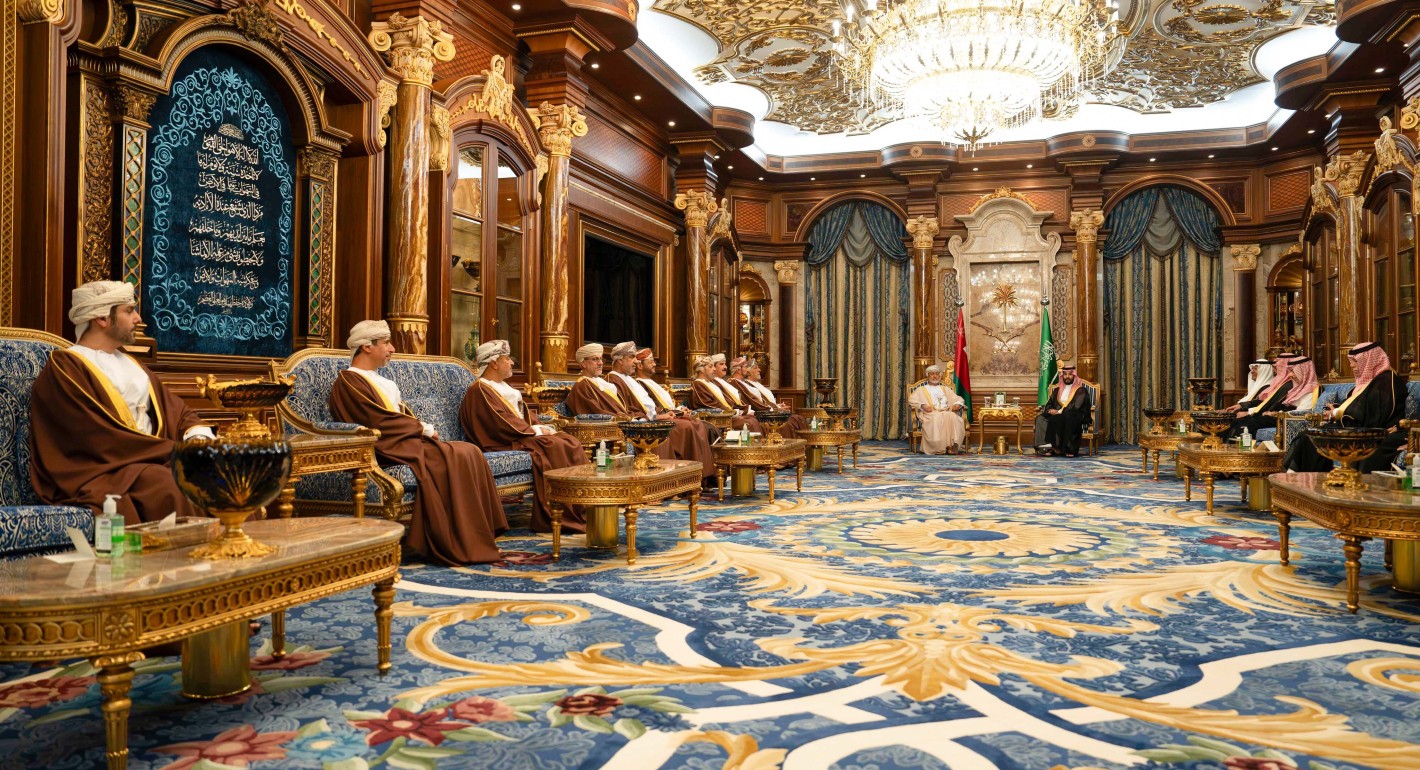
The six GCC members’ unity would be a valued—if not essential—asset for negotiating an end to the simmering regional conflict.

Sam Worby, Andrew Leber
Carnegie’s Middle East Program scholars reflect on the impasse and its potential impacts on the Middle East.


Nathan J. Brown, Alper Coşkun, Amr Hamzawy, …
In an interview, Mayssoun Sukarieh discusses youths in the region, and how they are being defined and reshaped.

Yasmine Zarhloule
Spot analysis from Carnegie scholars on events relating to the Middle East and North Africa.

Yezid Sayigh
The U.S. midterm elections signal the opening of a narrow window for bold Saudi diplomacy on Palestine.
Andrew Leber, Zaha Hassan