

Commentary
Syria’s worsening drought is no longer a seasonal crisis. This report explains what climate change is doing to rainfall, groundwater, and food security, and what solutions experts say are still possible.
Milia Esper
{
  "authors": [
    "Haizam Amirah-Fernández"
  ],
  "type": "commentary",
  "blog": "Sada",
  "centerAffiliationAll": "",
  "centers": [
    "Carnegie Endowment for International Peace"
  ],
  "collections": [],
  "englishNewsletterAll": "",
  "nonEnglishNewsletterAll": "",
  "primaryCenter": "Carnegie Endowment for International Peace",
  "programAffiliation": "",
  "programs": [],
  "projects": [],
  "regions": [
    "Middle East",
    "North Africa",
    "Egypt",
    "Morocco",
    "Lebanon",
    "Jordan",
    "Palestine"
  ],
  "topics": [
    "Political Reform",
    "Economy",
    "Trade"
  ]
}

REQUIRED IMAGE
When the European Union (EU) launched the Euro-Mediterranean Partnership (EMP, or Barcelona Process) in 1995 with the participation of 15 of its southern neighbors, the declared objective was to create a “zone of peace, stability, and security in the Mediterranean.” A wide range of economic, political, and cultural measures was foreseen, following in part the Helsinki model of 1975.
When the European Union (EU) launched the Euro-Mediterranean Partnership (EMP, or Barcelona Process) in 1995 with the participation of 15 of its southern neighbors, the declared objective was to create a “zone of peace, stability, and security in the Mediterranean.” A wide range of economic, political, and cultural measures was foreseen, following in part the Helsinki model of 1975. European security objectives were to be achieved by: (1) stimulating economic development in southern Mediterranean countries in order to mitigate socio-economic problems; (2) promoting democratic governance and respect for human rights in the region; and (3) improving mutual social and cultural awareness on both sides of the Mediterranean. The tenth anniversary summit, held in Barcelona in late November 2005, was intended to reaffirm the pertinence of the EMP's founding objective. It also highlighted the growing distance between the two shores of the Mediterranean and the shortcomings of the approach and means used so far. Despite the decade-long partnership, the gap in per capita income across the Mediterranean has grown larger, as has the array of challenges facing the region.
Evaluations of the Euro-Mediterranean summit, organized by Spain under the British presidency of the European Union, were mixed. While European officials viewed the summit as a success, the press and outside observers showed less enthusiasm. The summit did produce two documents: (1) a five year work program that contains a detailed list of benchmarks whose main objective is to “deliver results that will have a positive impact for all citizens in the region;” and (2) a Euro-Mediterranean Code of Conduct on Countering Terrorism, which provides a conceptual and normative framework for the whole region. But almost all leaders of southern partners—except Turkey and the Palestinian Authority—did not attend the summit despite the participation of most of their European counterparts. These absences reinforced the feeling that the EMP is still an essentially Euro-centric process.
Sentiment in the Arab world that EU initiatives are driven mainly by security concerns, including the fear of migration from southern countries, has impeded understanding on a number of fronts. Conflicting perceptions, combined with the effects of the Arab-Israeli conflict, made it impossible for partner countries to agree on a common definition of terrorism at the Euro-Mediterranean tenth anniversary summit. They also have impeded the adoption of the Euro-Mediterranean Charter for Peace and Stability, which was proposed in 1999 in order to prevent tensions and crises by means of security cooperation.
The extension of the European Neighborhood Policy—initially aimed at the EU's new eastern periphery—to southern Mediterranean countries has created some confusion about how this policy framework relates to the Barcelona process. Official EU doctrine states that they reinforce each other. The Neighborhood Policy is based on the principle of pursuing deeper cooperation with those countries that show more willingness to move forward with key reforms, thus creating a competitive dynamic between those who want to receive more European assistance and resources.
Aside from policy debates, recent years have witnessed several initiatives intended to increase people-to-people contacts within the EMP, including the Anna Lindh Euro-Mediterranean Foundation for the Dialogue between Cultures (based in Alexandria) and the Euro-Mediterranean Parliamentary Assembly. The EU also disbursed 3.26 billion euros between 1995 and 2004 to finance a variety of projects in southern countries.
Starting in 2007, all funds will merge into one single financial framework, called the European Neighborhood and Partnership Instrument. The amount of resources allocated to this instrument is still unclear following the recent approval of the European budget for 2007-2013. If funds are insufficient to attract southern countries' interest, the effects of positive conditionality could be diluted and the Neighborhood Policy might not be able to achieve its objectives. In fact, other European incentives—such as facilitating the movement of persons across the region (for instance, through establishing a more flexible visa system) and extending the freedom of movement of goods to agricultural products—might prove more effective than assistance in persuading southern neighbors to carry out substantive reforms.
The Neighborhood Policy's action plans, which are agreed on a bilateral basis between the EU and each interested southern country, have a prominent focus on human rights and democracy. So far, the EU has signed action plans with Israel, Jordan, Morocco, and the Palestinian Authority, while others are in preparation (Egypt and Lebanon). Once plans are agreed upon, it will be a major challenge for the EU to prove that it has the political will to impose democracy-related conditionality, based on the mutually accepted principles and commitments.
Haizam Amirah-Fernández is senior analyst in the Mediterranean and Arab World Program at Elcano Royal Institute for International and Strategic Studies (Madrid).
Haizam Amirah-Fernández
Carnegie does not take institutional positions on public policy issues; the views represented herein are those of the author(s) and do not necessarily reflect the views of Carnegie, its staff, or its trustees.
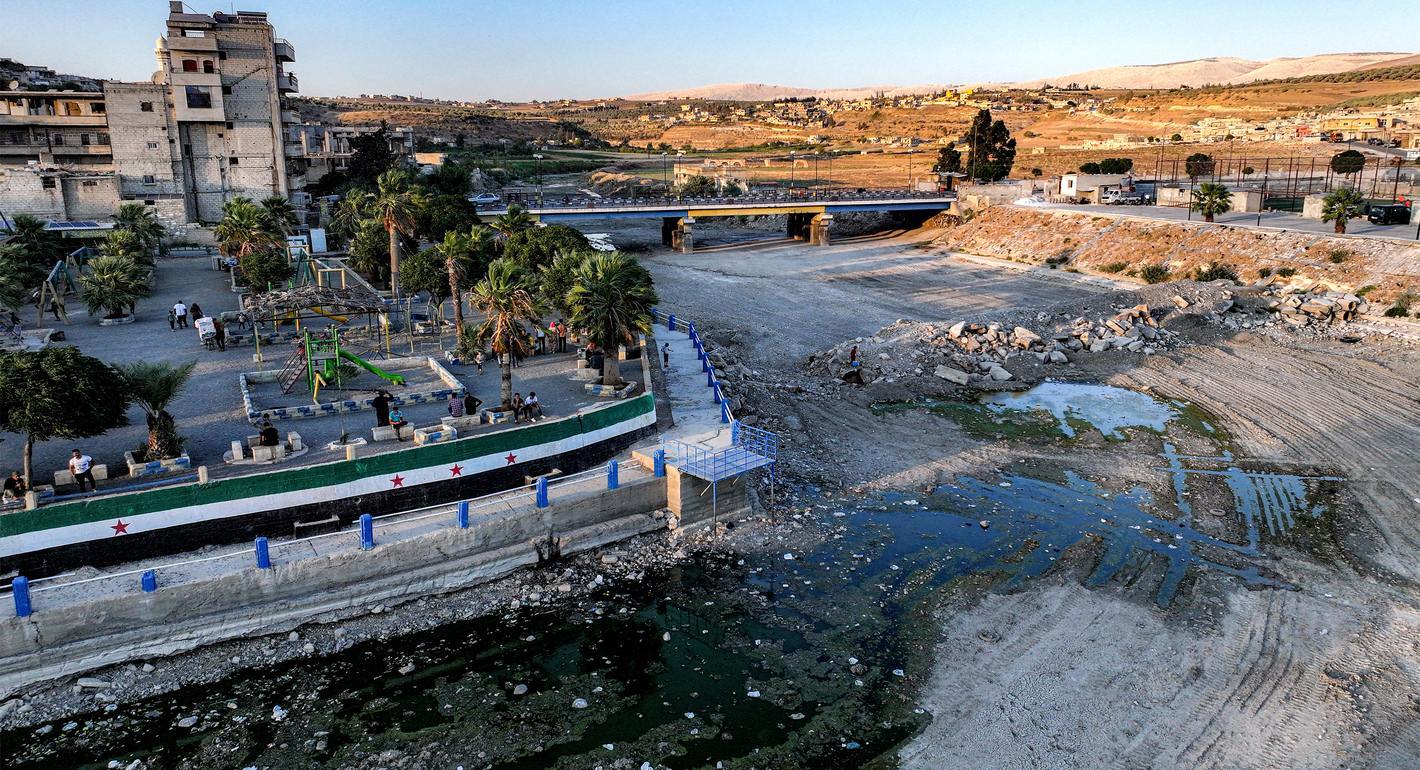
Syria’s worsening drought is no longer a seasonal crisis. This report explains what climate change is doing to rainfall, groundwater, and food security, and what solutions experts say are still possible.
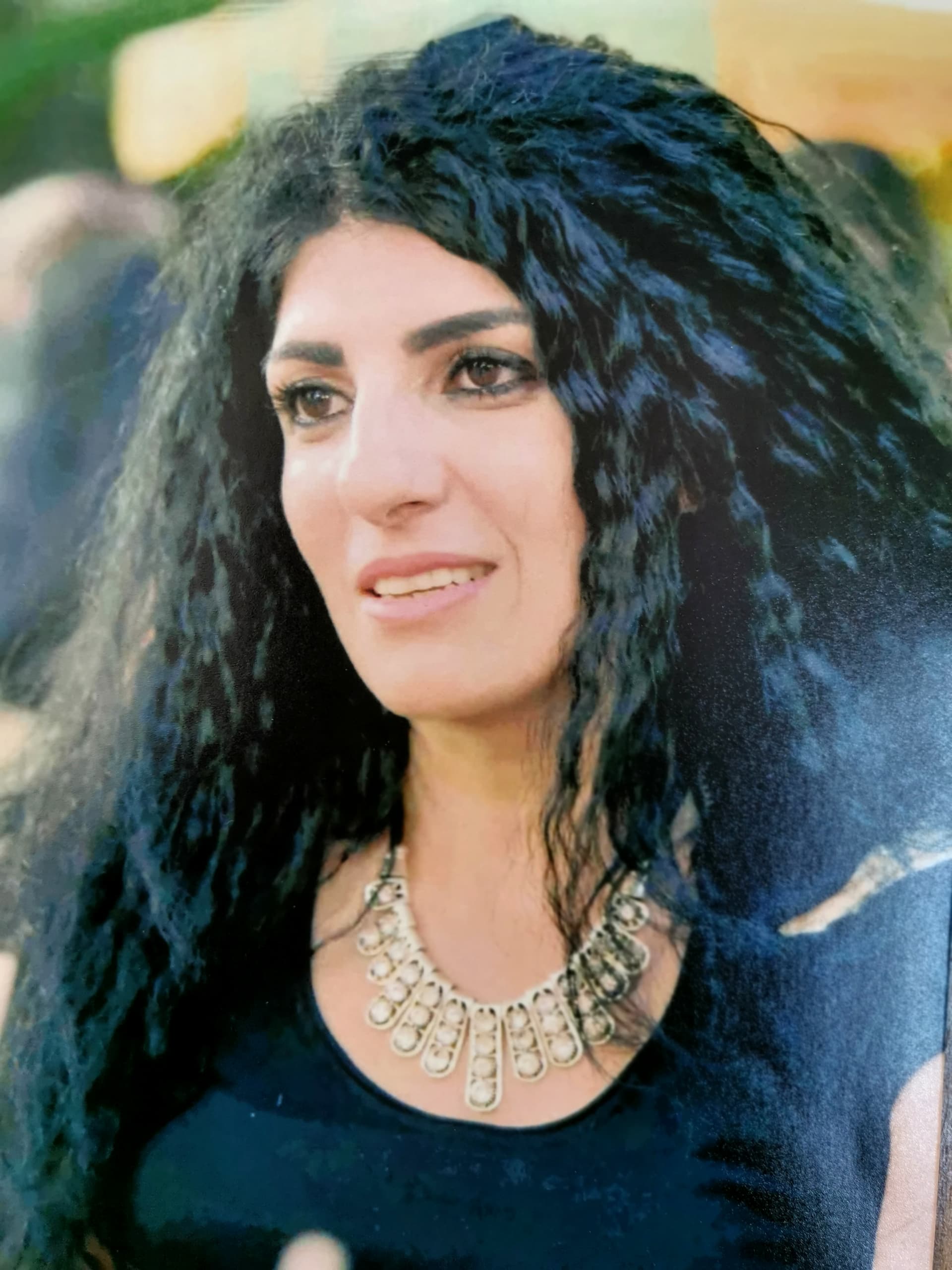
Milia Esper
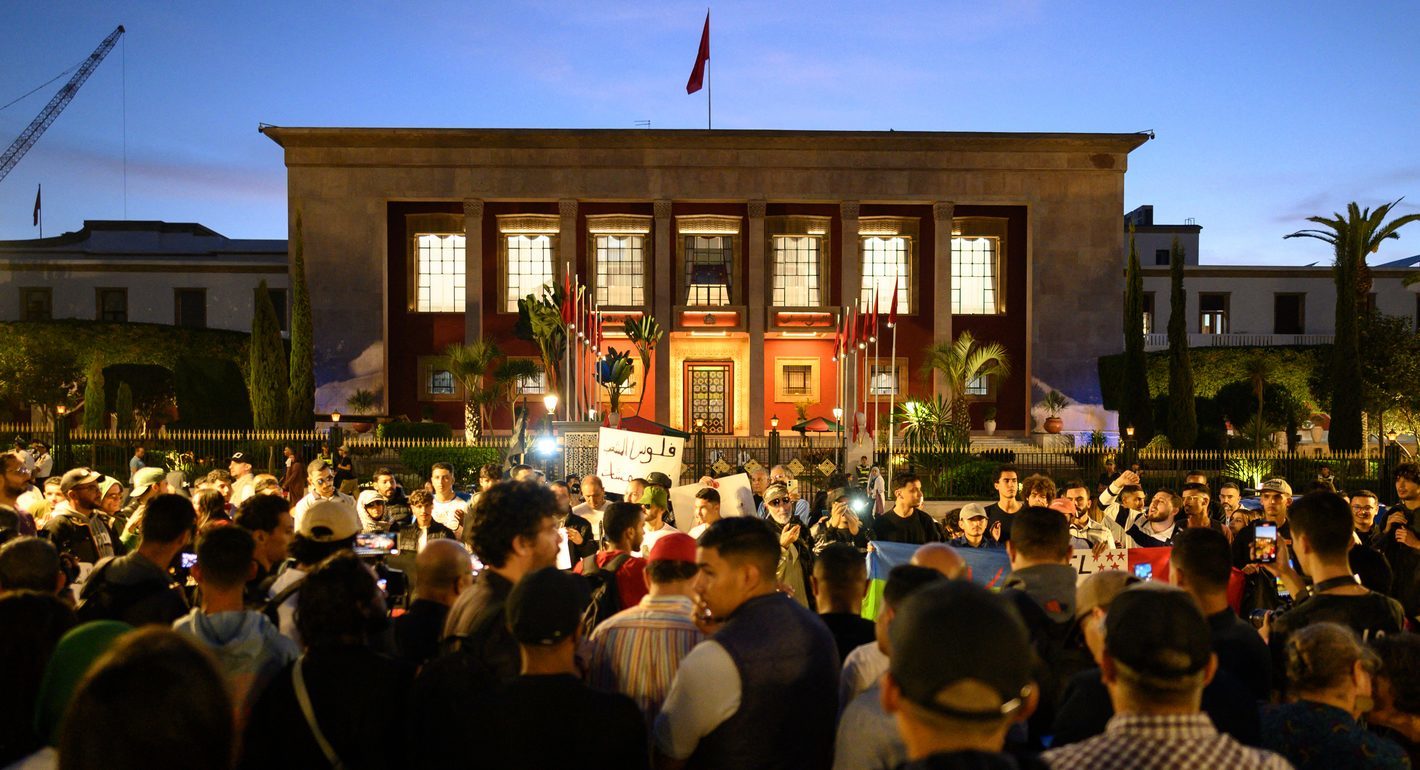
From anime heroes to online gaming communities, Morocco’s Gen Z is building a new protest culture. What does this digital imagination reveal about youth politics, and how should institutions respond?
Abdelilah Farah
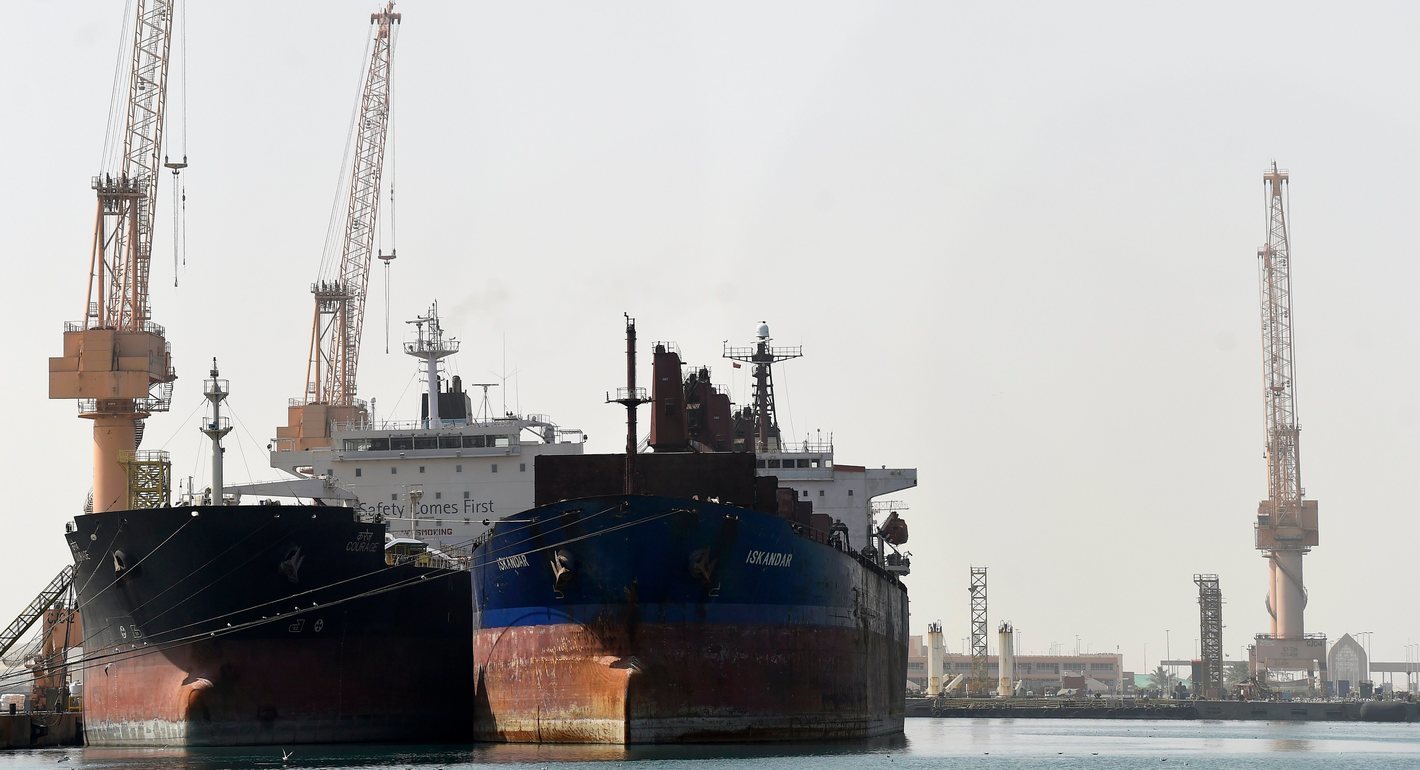
In a volatile Middle East, the Omani port of Duqm offers stability, neutrality, and opportunity. Could this hidden port become the ultimate safe harbor for global trade?
Giorgio Cafiero, Samuel Ramani
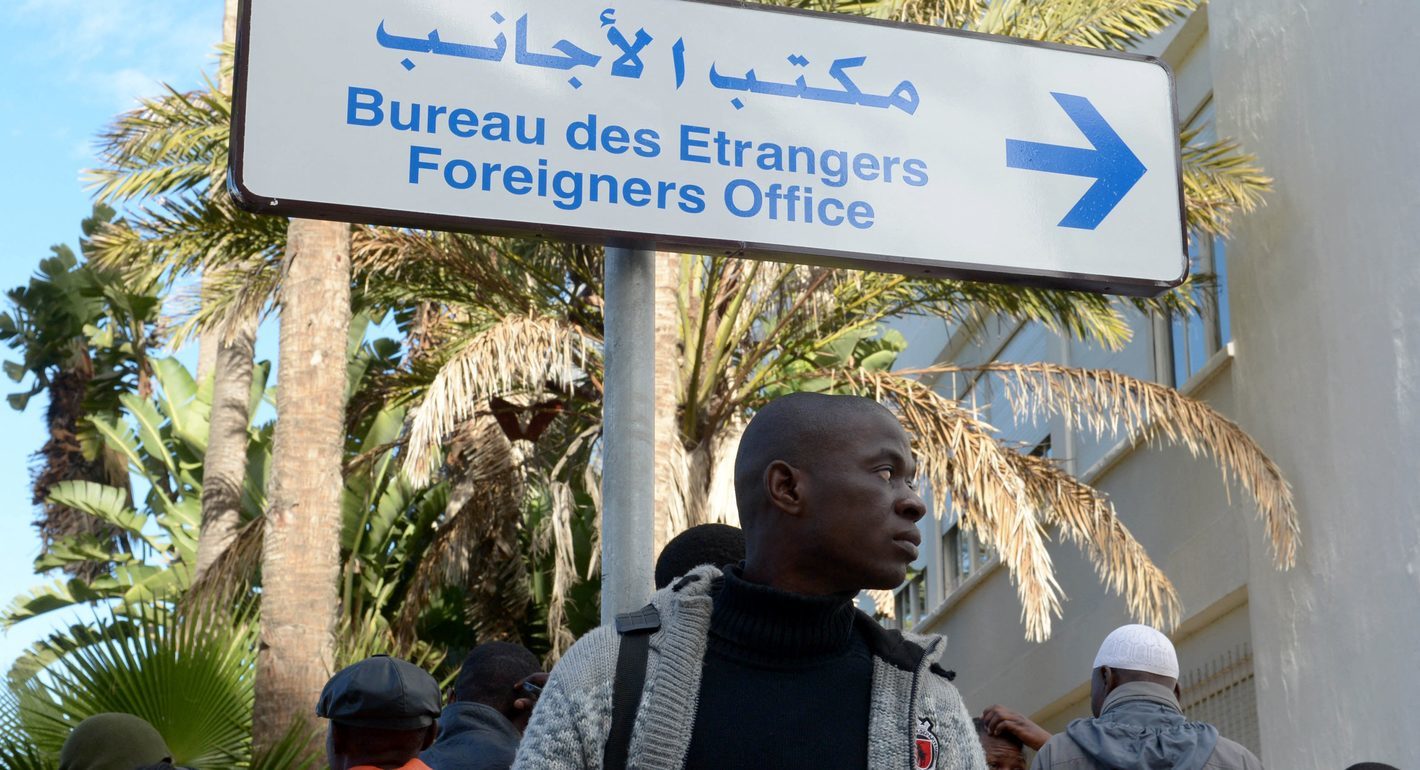
Is Morocco’s migration policy protecting Sub-Saharan African migrants or managing them for political and security ends? This article unpacks the gaps, the risks, and the paths toward real rights-based integration.
Soufiane Elgoumri
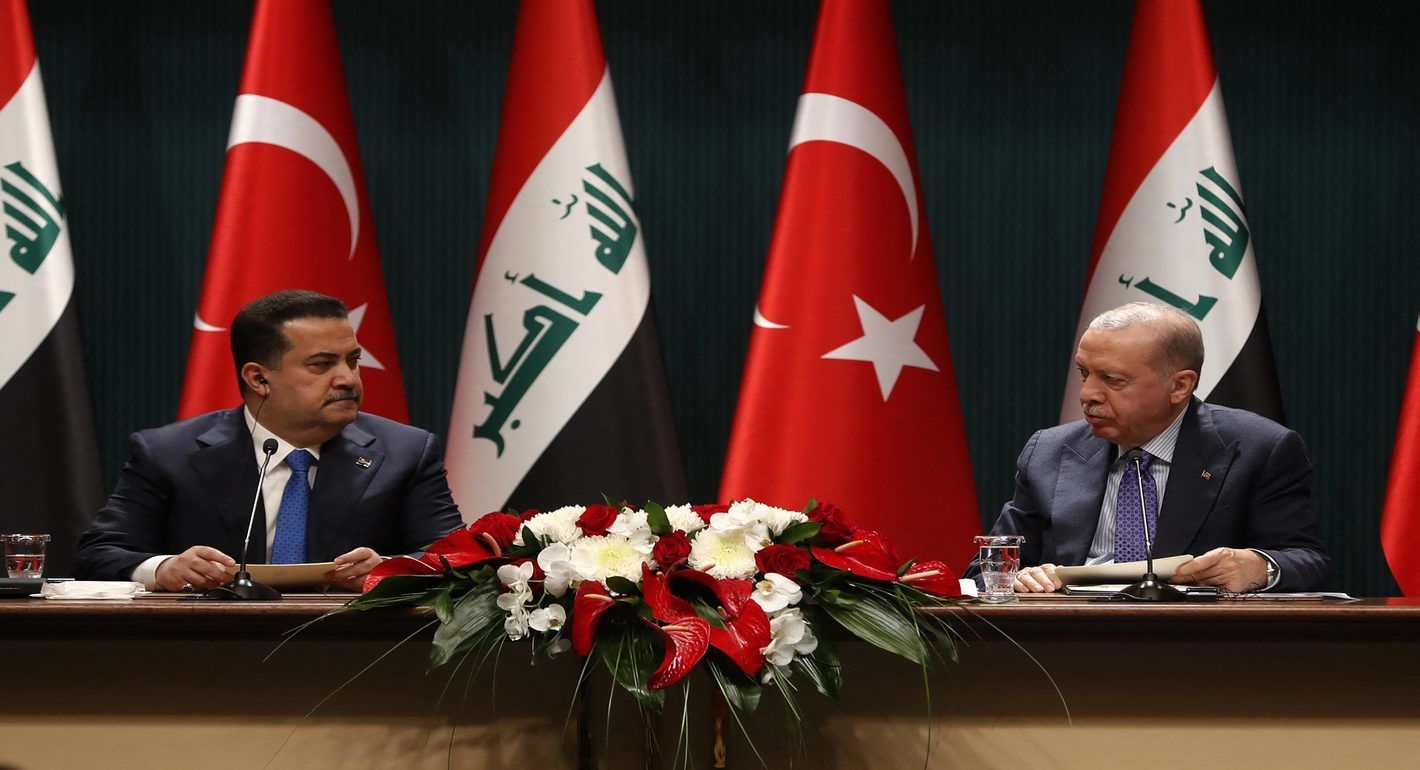
Iraq’s foreign policy is being shaped by its own internal battles—fractured elites, competing militias, and a state struggling to speak with one voice. The article asks: How do these divisions affect Iraq’s ability to balance between the U.S. and Iran? Can Baghdad use its “good neighbor” approach to reduce regional tensions? And what will it take for Iraq to turn regional investments into real stability at home? It explores potential solutions, including strengthening state institutions, curbing rogue militias, improving governance, and using regional partnerships to address core economic and security weaknesses so Iraq can finally build a unified and sustainable foreign policy.
Mike Fleet