

Commentary
Syria’s worsening drought is no longer a seasonal crisis. This report explains what climate change is doing to rainfall, groundwater, and food security, and what solutions experts say are still possible.
Milia Esper
{
  "authors": [
    "ِAshraf al-Falahi"
  ],
  "type": "commentary",
  "blog": "Sada",
  "centerAffiliationAll": "",
  "centers": [
    "Carnegie Endowment for International Peace"
  ],
  "collections": [],
  "englishNewsletterAll": "",
  "nonEnglishNewsletterAll": "",
  "primaryCenter": "Carnegie Endowment for International Peace",
  "programAffiliation": "",
  "programs": [],
  "projects": [],
  "regions": [
    "Middle East",
    "Yemen",
    "Gulf"
  ],
  "topics": [
    "Political Reform",
    "Security"
  ]
}
Source: Getty
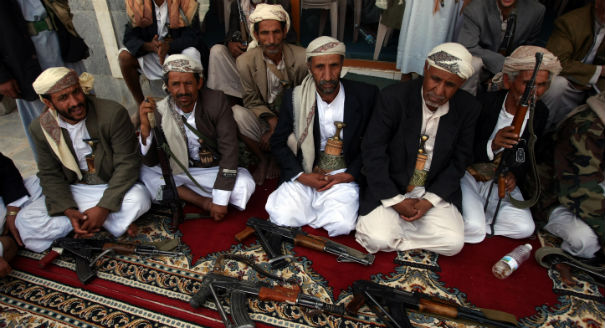
Islah’s limited options may push it toward rapprochement with the Houthis, but the party will derive few benefits as the latter ramps up its campaign against the state.
Since the Houthis took power in Sanaa on September 21, 2014, the Islah Party, an affiliate of the Muslim Brotherhood and one of the Houthis’ more vocal opponents, has been making tentative steps toward rapprochement. Most significantly, a meeting on November 29 brought together a high-ranking Islah delegation—including political bureau head Saeed Shamsan and parliamentary bloc leader Zaid al-Shami—with Houthi leaders, among them Abdel Malik al-Houthi. This highlights Islah leadership’s attempts to establish a political partnership with the Houthis to ensure the party’s political survival.
Islah leadership—angered that deposed President Ali Abdullah Saleh provided the necessary support to Houthi militants to make significant gains in a short period—perceives this as part of a “regional conspiracy” aimed at bringing down the Yemeni Brotherhood. As such, Islah’s official position is to avoid open conflict with the Houthis, whose political strength has grown to surpass that of Islah. Islah’s leadership wants the Houthis to recognize them as a political force, relinquish control of Islah party offices, release Islah prisoners, and cease attacks on their leaders and supporters. Yet the Houthis are keeping their options open, especially on points that might impact their ability to fight al-Qaeda in Yemen’s provinces.
Although Islah’s military wing joined the forces resisting the Houthis’ advance toward Sanaa last year, the party has since adopted a softer political rhetoric. However, their efforts toward a dialogue process have been fraught. Just ten days after the meeting between the two groups in November, the head of Islah’s parliamentary bloc, Zaid al-Shami, resigned from the committee negotiating with the Houthis, saying the Houthis were not taking it seriously. This came during the Houthi militants’ campaign in Arhab, a tribal region 35 kilometers (20 miles) north of Sanaa, in which three Islah-run Quranic education centers, a mosque, and several party leaders’ homes were destroyed. Still, hoping to contain the political situation, Islah politicians have said they are not opposed to a new round of dialogue on strategic issues despite the failure to reach a rapprochement with the Houthis in December.
The Houthis also remain keen to engage in dialogue with Islah, especially now that Yemen has entered a political vacuum. President Abd Rabu Mansour Hadi’s resignation on January 22, minutes after the resignation of Prime Minister Khaled Bahah and his government, deprived the Houthis’ armed expansion of a political cover. The Houthis are now looking for a way to fill that vacuum amid the acute tension between them and various political actors in the country. The Houthis propose forming a presidential council, an option opposed by the Joint Meeting Parties (JMP) coalition, which includes Islah. Instead, the JMP—and Islah—favor reversing Hadi’s resignation. In their view, anything else is akin to a coup against the legitimate government.
The Houthis will likely continue to seek to control political decisionmaking in Yemen—whatever the mechanism—and to secure their hold in areas they currently control but where Islah still has strong presence at the tribal level. Although months of Houthi control have weakened Islah’s supporters in Amran, Sanaa, Hajjah, Dhamar, and Mahaweet, the Houthis still need to reach an understanding with Islah if they are to maintain a strong presence in these regions.
However, Islah’s youth base in Yemen are angered by the party’s efforts to engage in a dialogue with Houthis, particularly after the attacks on Islah’s religious and political leaders and institutions in Arhab—including the killing and kidnapping of dozens of party members. Some in Islah’s camp are arguing that the Houthis’ expansion in Islah-dominated areas could have been checked, and are calling on the party’s leadership and general secretariat to resign for ruling out an armed confrontation.
Islah members critical of the dialogue also note that the party will gain little from a rapprochement. Indeed, it will reveal Islah’s limited policy options, weakening the party further and sowing divisions among rank-and-file members. It will also grant the Houthis a greater margin for political maneuvering and confer de facto legitimacy to their military occupation of state institutions. Moreover, rapprochement may push a large number of moderate Islah youth toward extremism and thereby strengthen Ansar al-Sharia, an al-Qaeda in the Arabian Peninsula (AQAP) affiliate, at the expense of Islah. Still, as many Islah leaders realize, accommodating the Houthis’ rise may be the lesser of the two evils.
Ashraf al-Falahi is a Sanaa-based Yemeni journalist.
* This article was translated from Arabic.
ِAshraf al-Falahi
Carnegie does not take institutional positions on public policy issues; the views represented herein are those of the author(s) and do not necessarily reflect the views of Carnegie, its staff, or its trustees.
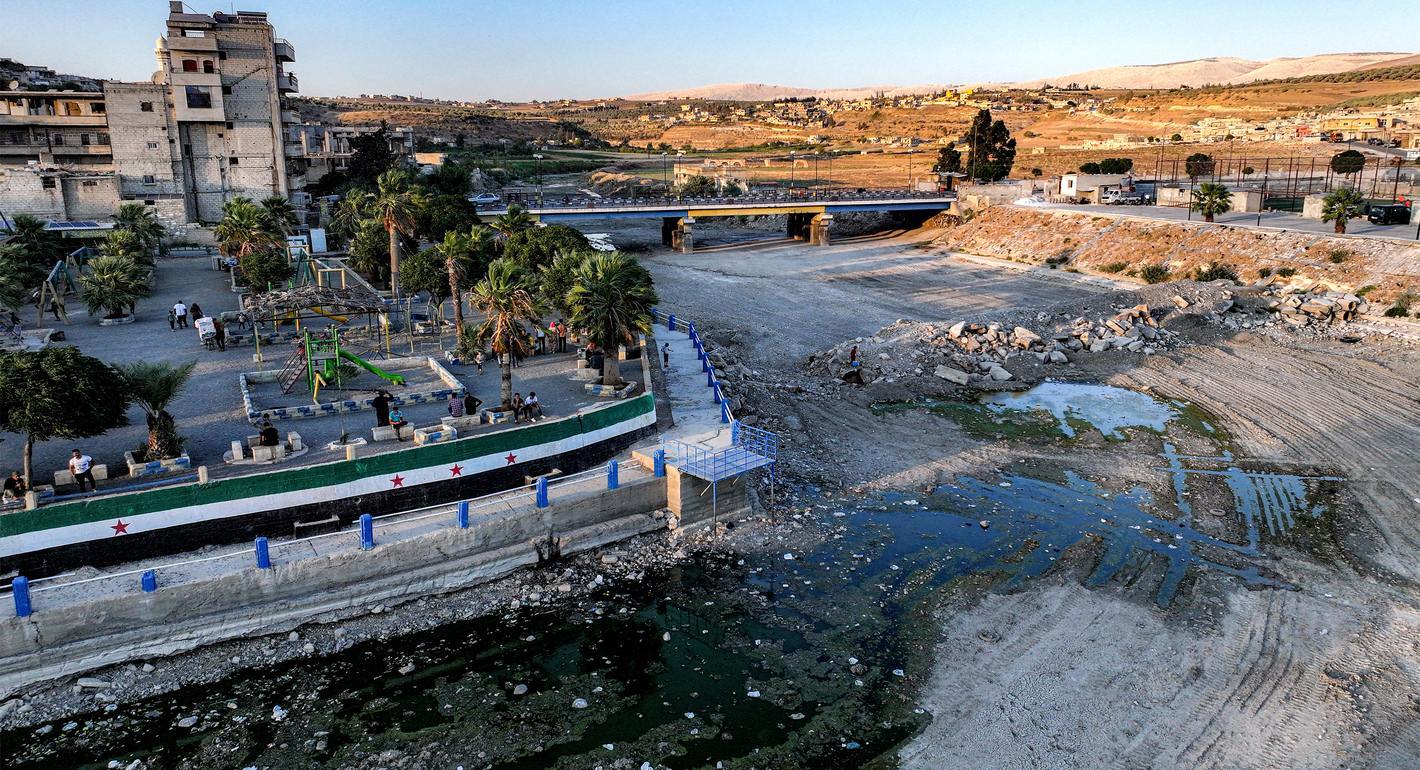
Syria’s worsening drought is no longer a seasonal crisis. This report explains what climate change is doing to rainfall, groundwater, and food security, and what solutions experts say are still possible.
Milia Esper
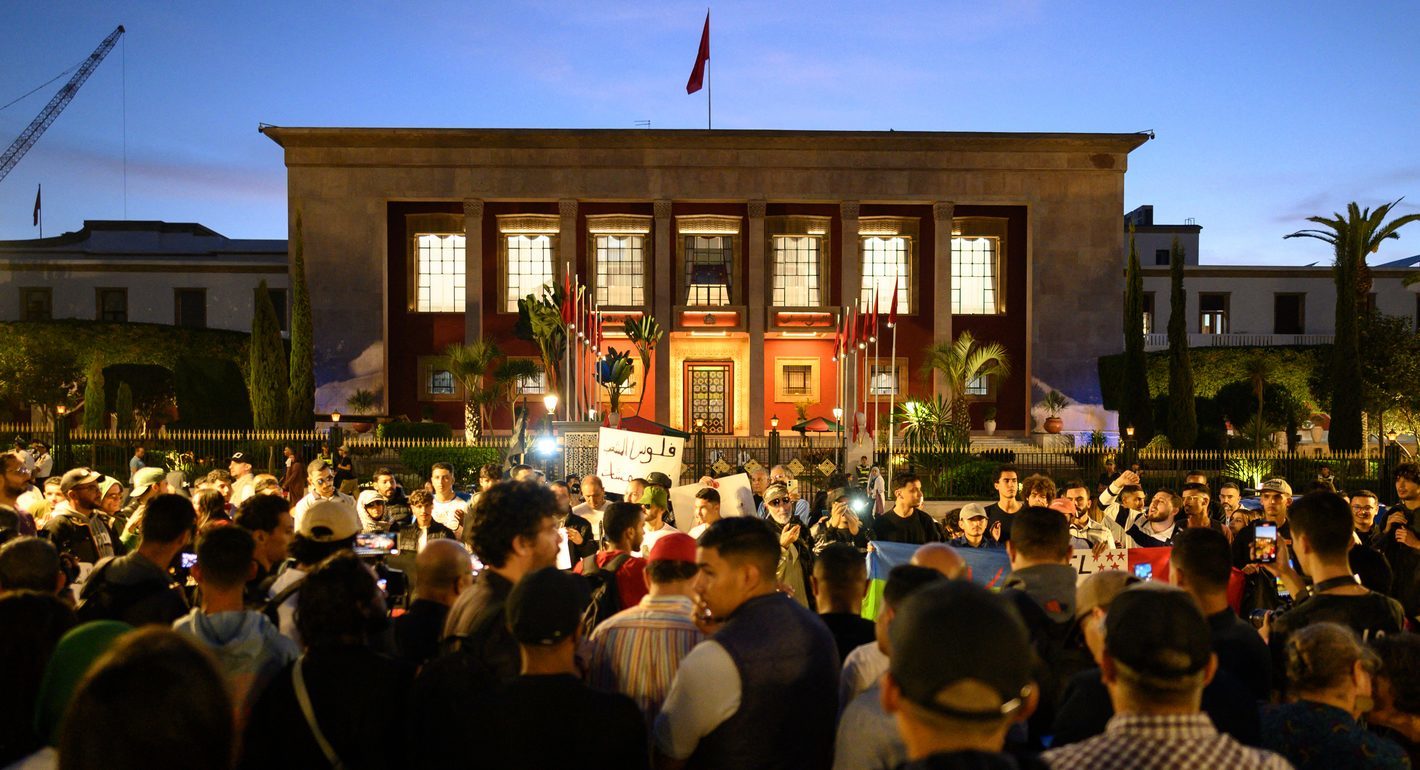
From anime heroes to online gaming communities, Morocco’s Gen Z is building a new protest culture. What does this digital imagination reveal about youth politics, and how should institutions respond?
Abdelilah Farah
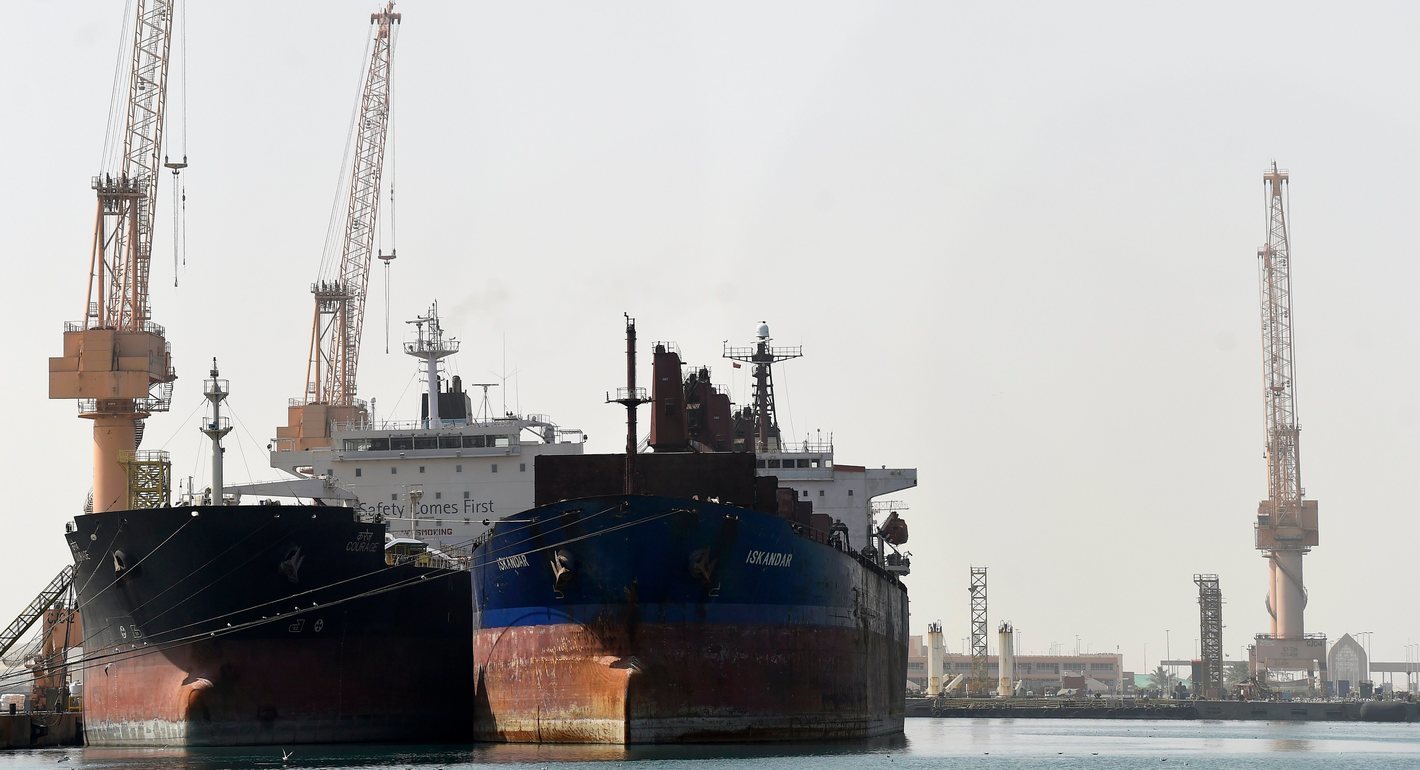
In a volatile Middle East, the Omani port of Duqm offers stability, neutrality, and opportunity. Could this hidden port become the ultimate safe harbor for global trade?
Giorgio Cafiero, Samuel Ramani
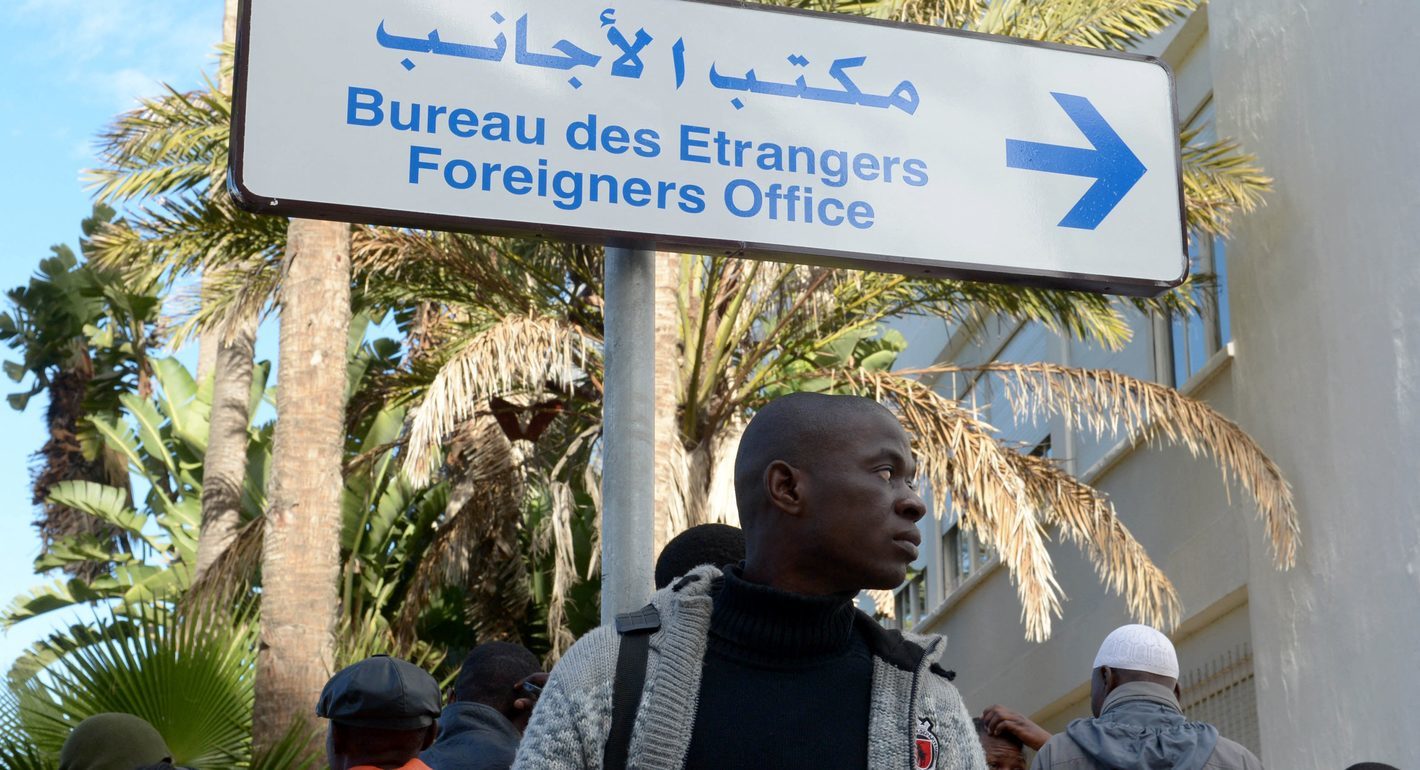
Is Morocco’s migration policy protecting Sub-Saharan African migrants or managing them for political and security ends? This article unpacks the gaps, the risks, and the paths toward real rights-based integration.
Soufiane Elgoumri
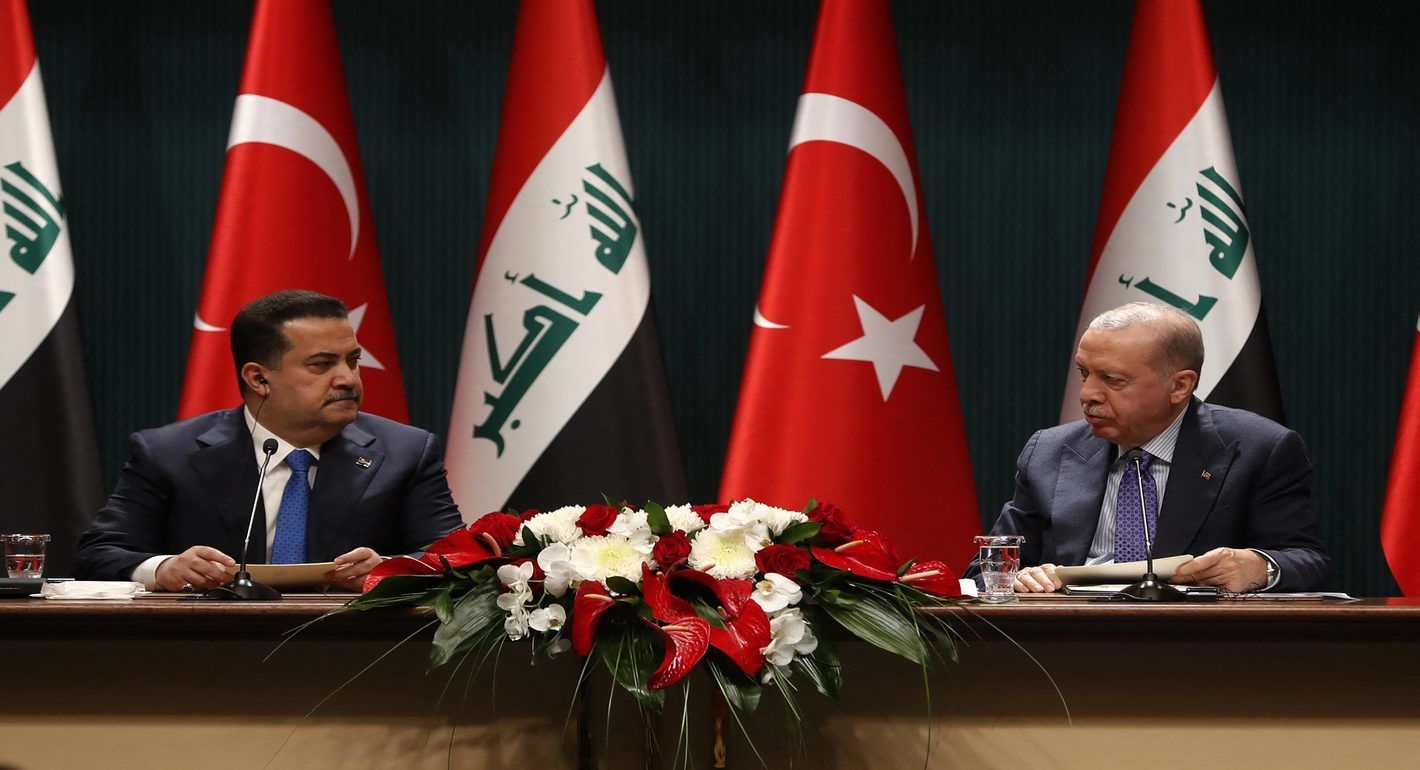
Iraq’s foreign policy is being shaped by its own internal battles—fractured elites, competing militias, and a state struggling to speak with one voice. The article asks: How do these divisions affect Iraq’s ability to balance between the U.S. and Iran? Can Baghdad use its “good neighbor” approach to reduce regional tensions? And what will it take for Iraq to turn regional investments into real stability at home? It explores potential solutions, including strengthening state institutions, curbing rogue militias, improving governance, and using regional partnerships to address core economic and security weaknesses so Iraq can finally build a unified and sustainable foreign policy.
Mike Fleet