

Commentary
In a volatile Middle East, the Omani port of Duqm offers stability, neutrality, and opportunity. Could this hidden port become the ultimate safe harbor for global trade?
Giorgio Cafiero, Samuel Ramani
{
  "authors": [
    "Abdel Hakeam al-Yamany"
  ],
  "type": "commentary",
  "blog": "Sada",
  "centerAffiliationAll": "",
  "centers": [
    "Carnegie Endowment for International Peace"
  ],
  "collections": [],
  "englishNewsletterAll": "",
  "nonEnglishNewsletterAll": "",
  "primaryCenter": "Carnegie Endowment for International Peace",
  "programAffiliation": "",
  "programs": [],
  "projects": [],
  "regions": [
    "North Africa",
    "Libya"
  ],
  "topics": [
    "Security",
    "Military"
  ]
}
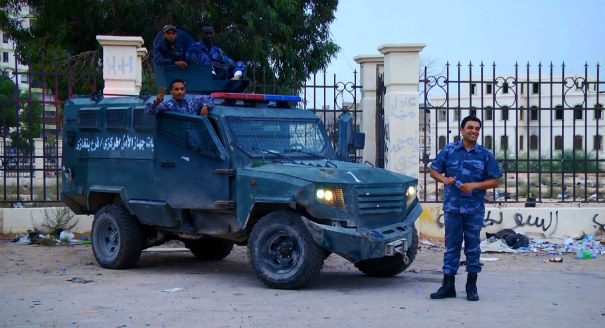
Source: Getty
Military and police forces are gradually regaining strength in Benghazi after two years of frequent assassinations.


Security forces linked to Libya’s Beyda-based government are regaining strength in Benghazi. This comes after a wave of assassinations that killed hundreds of citizens and security forces alike between 2013 and 2014.
These days, security personnel and traffic police are deployed in various areas of the city, in a scene that has been absent from Benghazi for the two years when assassinations and crime reached record levels. In that period, the city was under the tenuous control of armed hardline Islamist groups such as Ansar al-Sharia, the February 17 Martyrs Brigade, and other militias that had helped overthrow the Qaddafi regime.
“I never imagined the day would come when I would be wearing my security uniform again,” said Akram al-Muslim, a police captain who had to have his leg amputated following an assassination attempt against him in January 2014. Akram noted that many of his colleagues lost their lives in similar incidents, including abductions, executions in remote locations, car bombings, and even shootings that targeted army and police officers in the middle of the city in broad daylight. “Extremists used these methods to eliminate my colleagues, given their belief that anyone who worked in the state security forces—whether the police or the army—was an infidel,” he added. Akram also argued that it became clear that the extremist groups were the ones planning and carrying out assassinations in Benghazi, since they completely stopped after the October 2014 launch of Operation Dignity, a military campaign led by General Khalifa Haftar and forces loyal to him under the banner of the Libyan National Army.
Captain Tariq Kharaz, the official spokesman for the Beyda-based government’s Ministry of Interior, concurred, “Security forces are able to perform their jobs since assassinations of security personnel have stopped. Despite our lack of resources and the ongoing war in Benghazi, we will continue with our work. The huge support we receive from the public and the people’s desire for security provide us a big incentive to continue.”
One of the benefits of the security forces returning to work in Benghazi is that there is beginning to be some accountability for the city’s many assassinations and other crimes. According to Kharaz, in the past all assassinations and most other criminal cases remained unsolved due to the weakness of the security services and security leaders’ fears of being killed. Now, however, he claims many of those involved in these assassinations have been arrested and referred to prosecution for the judicial authorities to consider their cases.
Likewise, the courts and judicial authorities have also resumed work. Their activities had come to halt in Benghazi between 2013 and 2014, when court headquarters and prosecution offices were targeted by extremists with explosives and rocket-propelled grenades. According to Mustafa al-Warfali, the deputy attorney general in Benghazi, extremists were assassinating judges and prosecutors out of their belief that the judiciary’s provisions ran contrary to Islamic law—and thus anyone working with them was a target. Warfali said that after Operation Dignity was launched, the security situation in the city stabilized and the judicial authorities now work in alternate, temporary headquarters. “We are continuously receiving cases referred to us for consideration by the competent authorities.”
The return of stability since the security forces went back to work has had a clear impact on life in Benghazi. Shops, cafes, markets, and parks are welcoming people again after a long period following the start of the military operation in the city, during which they would close early out of fear of the daily assassinations. Yet now citizens see policemen and security officers on the streets again and feel more secure.
Yet while Operation Dignity appears to have succeeded in weakening extremist groups in Benghazi, it remains a temporary solution, as there is no real plan to support the security services in Libya. Although the issue of security has remained the primary concern of successive Libyan governments, political divisions and the lack of a national government recognized by all Libyan parties will delay building up proper security services. Meanwhile civilians will continue to be the ones who pay the price for these divisions.
This article was translated from Arabic.
Abdel Hakeam al-Yamany is a Libya-based journalist.
Abdel Hakeam al-Yamany
Carnegie does not take institutional positions on public policy issues; the views represented herein are those of the author(s) and do not necessarily reflect the views of Carnegie, its staff, or its trustees.
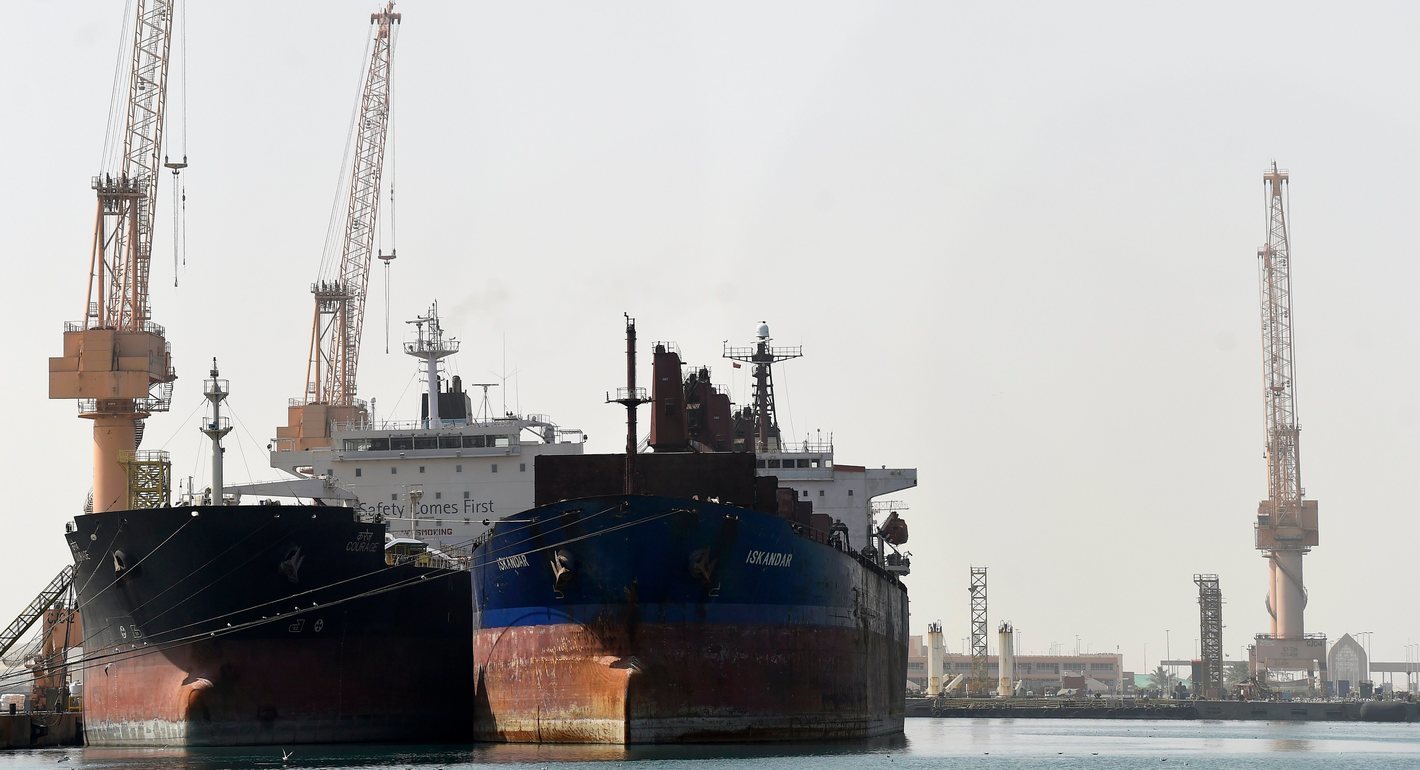
In a volatile Middle East, the Omani port of Duqm offers stability, neutrality, and opportunity. Could this hidden port become the ultimate safe harbor for global trade?
Giorgio Cafiero, Samuel Ramani
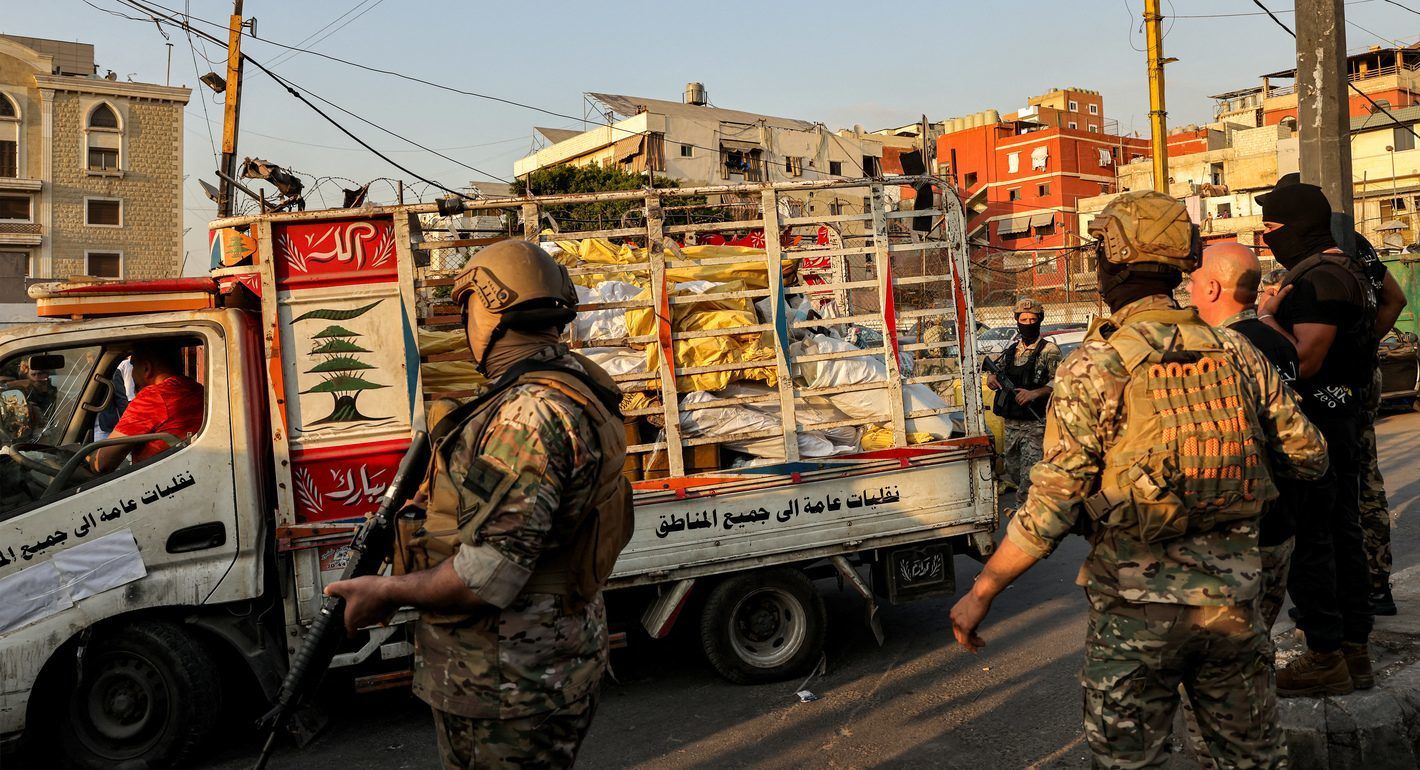
The August 2025 government decision to restrict weapons to the Lebanese state, starting with Palestinian arms in the camps, marked a major test of Lebanon’s ability to turn a long-standing slogan into practical policy. Yet the experiment quickly exposed political hesitation, social gaps, and factional divisions, raising the question of whether it can become a model for addressing more sensitive files such as Hezbollah’s weapons.
Souhayb Jawhar
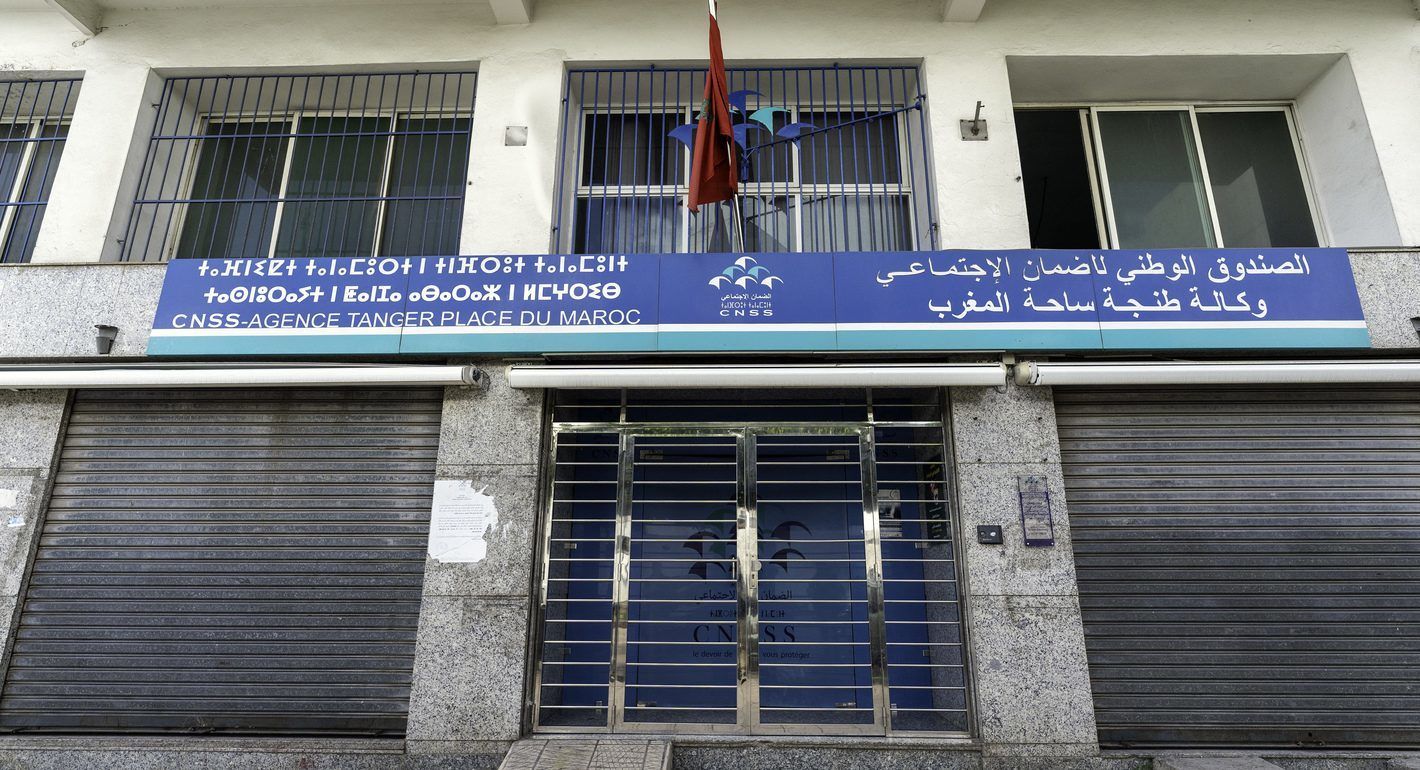
While Morocco’s shift to a digitized social targeting system improves efficiency and coordination in social programs, it also poses risks of exclusion and reinforces austerity policies. The new system uses algorithms based on socioeconomic data to determine eligibility for benefits like cash transfers and health insurance. However, due to technical flaws, digital inequality, and rigid criteria, many vulnerable families are unfairly excluded.
Abderrafie Zaanoun
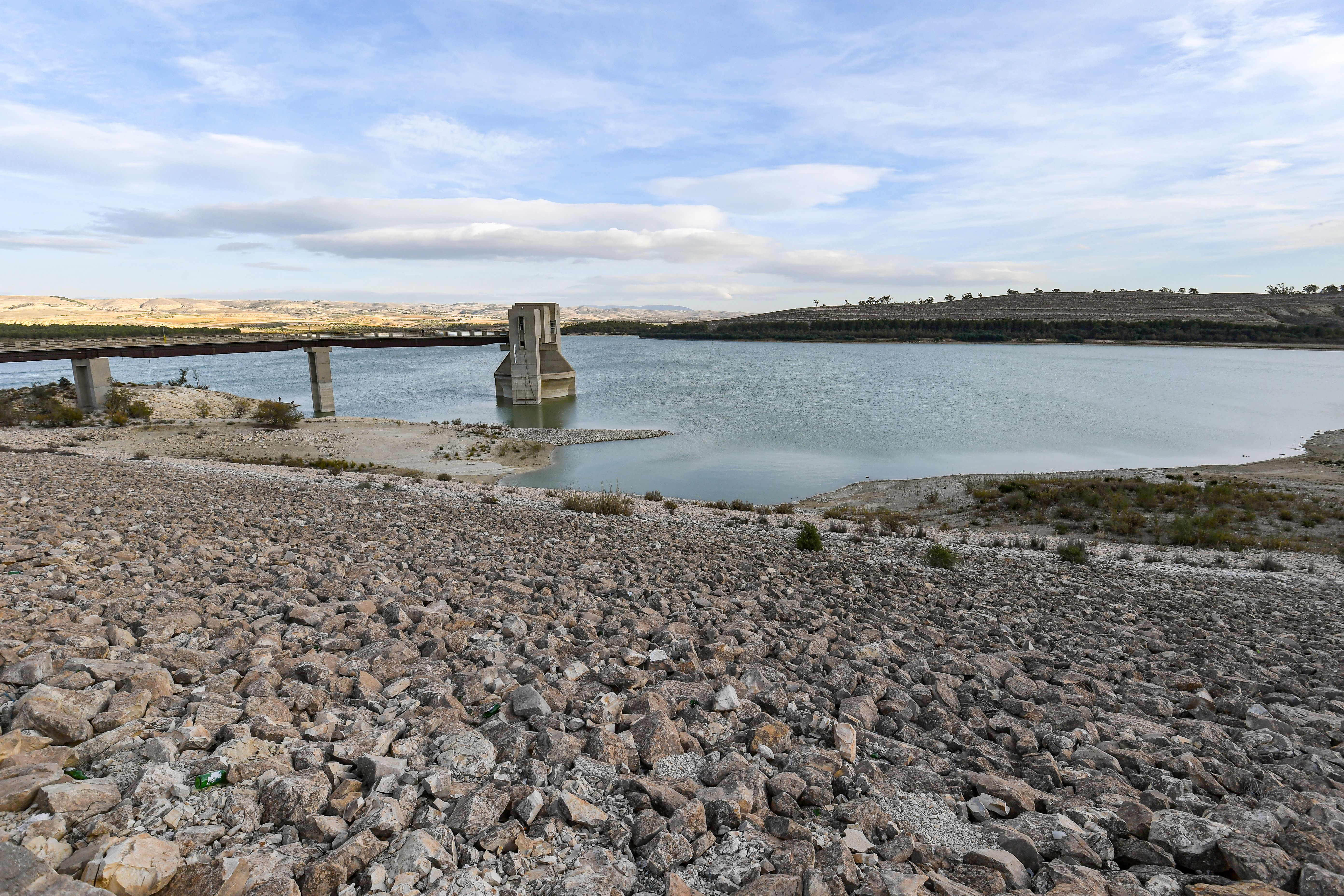
Tunisia is facing a worsening water crisis characterized by widespread protests over access to potable water, particularly in rural areas with underdeveloped supply networks. This situation is exacerbated by climate change, outdated agricultural policies, and industrial water consumption, necessitating comprehensive policy reforms to secure Tunisians’ constitutional right to water and ensure equitable access across the country.
Noura Omar
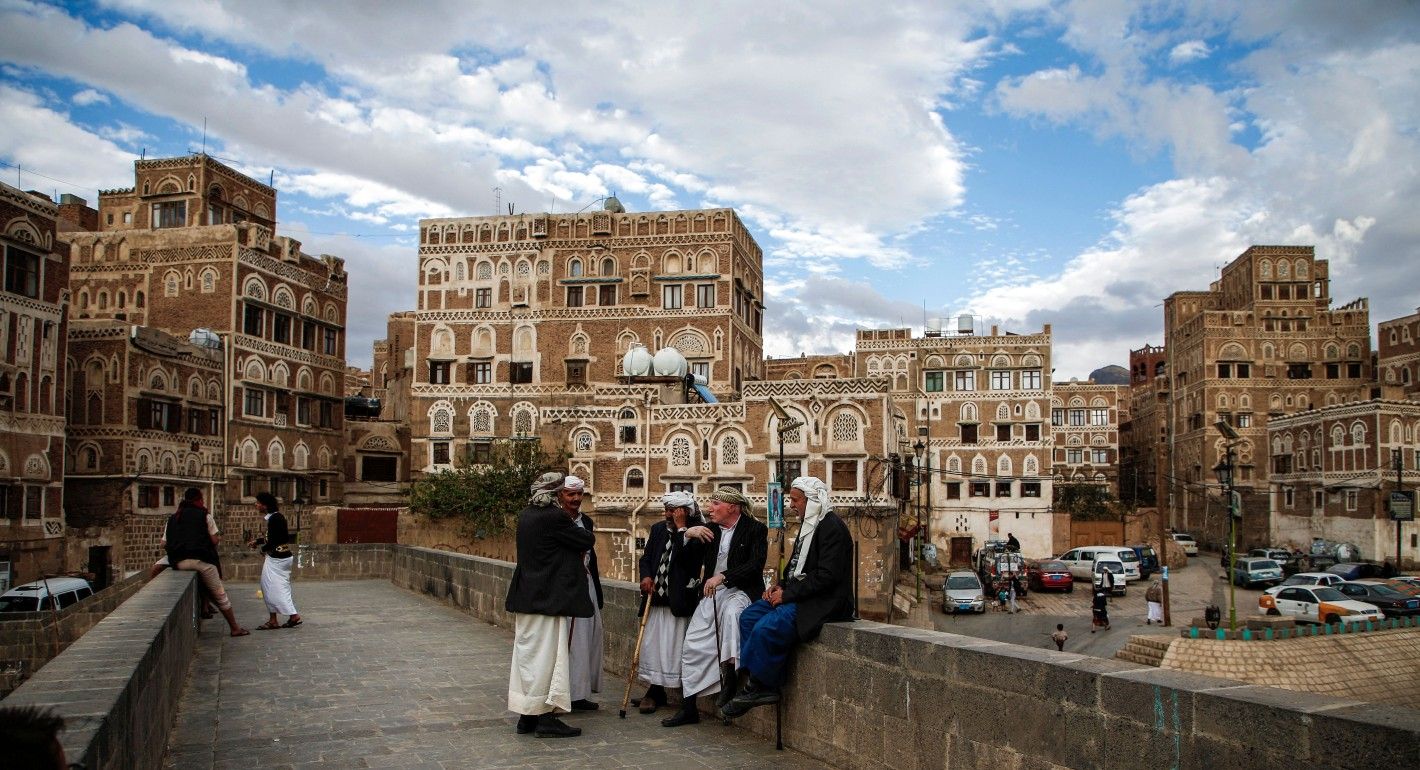
The unexpected announcement that Starlink will launch its first satellite connectivity services in Yemen has sparked divisions over the perceived threat to Yemeni sovereignty, and potential to deepen ongoing political and economic crises.
Muhammed Ali Thamer