

{
  "authors": [
    "سارة الخباط"
  ],
  "type": "commentary",
  "blog": "صدى",
  "centerAffiliationAll": "dc",
  "centers": [
    "Carnegie Endowment for International Peace"
  ],
  "collections": [],
  "englishNewsletterAll": "menaTransitions",
  "nonEnglishNewsletterAll": "",
  "primaryCenter": "Carnegie Endowment for International Peace",
  "programAffiliation": "MEP",
  "programs": [
    "Middle East"
  ],
  "projects": [],
  "regions": [],
  "topics": []
}
المصدر: Getty
الحرب وتحول الدور الاجتماعي لليمنيات
قد تخلق الحروب بشكل عَرَضي فرصاً جديدة وتفتح آفاقا مهنية جديدة للنساء. المثال على ذلك هو ما يحدث في اليمن.
تسببت الحرب في اليمن، منذ سيطرة جماعة الحوثي على صنعاء في سبتمبر/أيلول 2014، واحدة من أكبر الأزمات الإنسانية في العالم. فحتى العام 2023، احتاج 21.6 مليون شخص إلى شكل من أشكال المساعدة الإنسانية، كما ألحقت الحرب دماراً شبه كلي بالبنى التحتية الرئيسة، وتسببت في انقطاع رواتب موظفي القطاع الحكومي.
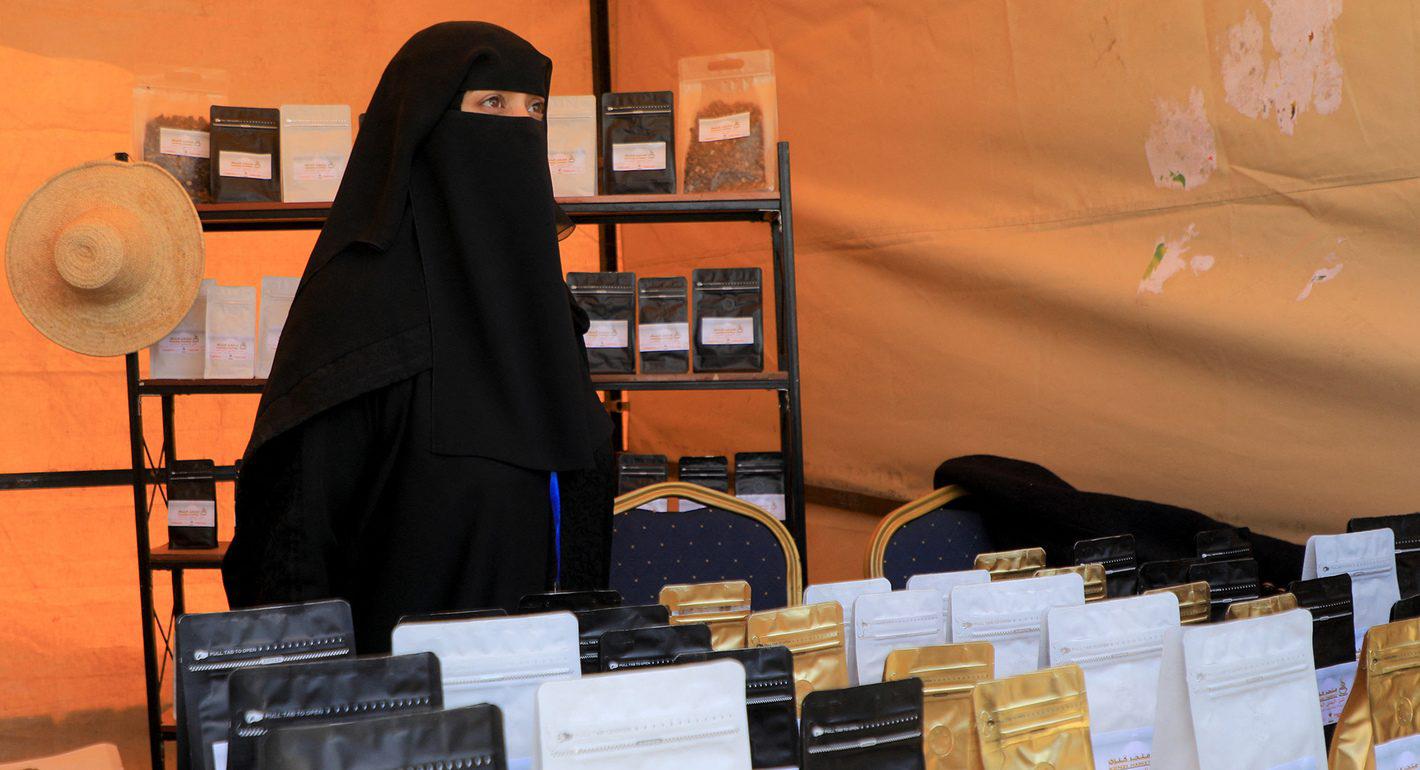
في المقابل، أحدثت هذه الحرب تغييرات جذرية في الدور الاجتماعي للمرأة نتيجة توسع فرص المبادرة والعمل أمام النساء في مجالات غير معتادة. مع التزايد الكبير في عدد أرامل قتلى الحرب وأعداد النازحين الذي بلغ 3 ملايين نازح في 2023، تحملت اليمنيات المسؤولية الكاملة في إعالة أسرهن. بحسب البنك الدولي نسبة مشاركة النساء في القوى العاملة بلغت 5.1 في المئة مقابل 60.4 في المئة للرجال لعام 2023. وبينما كان دور المرأة ينحصر في الاعتناء بالمهام المنزلية والعائلة، فإن الضغوط التي خلقتها الحرب - بما في ذلك انخفاض فرص التوظيف، وتدهور الرواتب، وعدم الأمان في أماكن العمل، وعدم توفر الخدمات الأساسية كالمياه والكهرباء- دفعت العديد من اليمنيات إلى المشاركة في التغلب على الصعاب الاقتصادية عبر تأمين مصدر دخل لأنفسهن ولعائلاتهن والسعي للاستقلال الاقتصادي.
في السنوات الأخيرة، بدأت النساء العمل في مجموعة متنوعة من المجالات التي يهيمن عليها الذكور تقليديا، من القطاع الزراعي والتجارة المحلية إلى قطاعات الصناعة والخدمات، وبرمجة الكمبيوتر، وتجديد المنازل. وفي مواجهة النزوح الداخلي أو فقدان راتب أزواجهن، بدأت بعض النساء أعمالهن التجارية الصغيرة، وفتحن متاجر لبيع منتجات التجميل والأعمال الفنية، وحتى الشوكولاتة.
ظهرت في زمن الحرب مشاريع تصميم العبايات والأزياء. صفاء محمد، امرأة حاصلة على بكالوريوس علوم مالية ومصرفية، أسست محلات صافي عباية. قبل الحرب كانت صفاء موظفة في وكالة طيران، لكن الحرب عطلت المطارات ورغبة منها في تأمين مستقبلها والشعور بالاستقلال المادي أطلقت مشروعها الكبير في تصميم العبايات. كما قالت في مقابلة مع صدى، كانت صفاء تمتلك موهبة التصميم منذ صغرها وكانت تصمم ملابسها، وكان أهلها وصديقاتها يطلبون منها تصميم أزيائهن للمناسبات. فكرت صفاء أنه بدلاً من أن تكون هذه الخدمة مجانية ستستثمر موهبتها في مشروع يمنحها الاستقلال المادي، وحققت نجاحا كبيرا حيث وصل عدد متابعيها على صفحتها على الفيسبوك إلى أكثر من 80 ألف.

وخلال سنوات الحرب، اتجهت بعض النساء للعمل في مجالات لم يعملن فيها سابقا. هناء الكبسي على سبيل المثال، تمتلك وتدير استديو نسائي متكامل (هيو استديو) لتصوير حفلات الزفاف والحفلات الخاصة، هناء تحمل بكالوريوس برمجة وتجيد تصميم الجرافيك، كانت تعمل في مجال التصميم من المنزل، لكن بعد الحرب، سافر كل عملائها إلى خارج اليمن، وأصبحت بلا عمل ولا رأس مال. ولأنها تملك الخبرة في التصميم والتصوير، أعطتها، في 2016، إحدى قريباتها آلة تصوير واقترحت عليها أن تقوم بتصوير الأعراس. استعارت هناء آلة تصوير أخرى ووظفت فتاة لتساعدها في التصوير، وبدأت في تصوير الأعراس. أصبحت هناء الآن محترفة متميزة في هذا المجال.

أنشأت في اليمن بموجب قانون صدر في العام 1999 صناديق لنظافة وتحسين المدن في كل من المدن اليمنية، ويهدف الصندوق إلى تمويل نظافة وتحسين وتجميل المدينة، ووضع خطط للصيانة والتمويل تنفيذها. بعد سنوات من الحرب لم يعد هناك تمويل كاف حتى لدفع رواتب العاملين، وهنا تدخلت المهندسة ارتفاع القُباطي لحل أزمة نظافة مدينة صنعاء. لإنقاذ السكان من خطر انتشار الأمراض الناتجة عن تكدّس النفايات، شكلت هذه المرأة فريقاً مصغراً من عمال النظافة لرفع مخلفات الحرب. حالياً تدير ارتفاع مركز التوعية البيئية، وهي حاليا سفيرة النوايا الحسنة للمنظمة النرويجية للعدالة والسلام.
أظهرت المرأة اليمنية قوة الإرادة والابتكار في تأسيس الأعمال الصغيرة وإدارتها بشكل مستقل. ما يعكس تفانيها ورغبتها في تحسين واقعها والمساهمة في إعادة بناء اليمن. سيسهم ذلك في التأثير على تشكيل مستقبل النساء في البلاد ويدفع لتغيير وضعهن الاجتماعي. ستتمتع النساء بالاستقلال المادي الذي سيعزز مشاركتهن في سوق العمل واتخاذ القرارات. وسيؤدي ذلك إلى وجود فرص لتحسين مستويات التعليم والصحة لهن ولأسرهن. الواقع الجديد الذي فرضت هؤلاء النساء، سيسهم في إشراك النساء بطريقة فاعلة في التنمية، ويعجل بتطبيق المساواة الاجتماعية. ستتمكن انساء اليمن من مقاومة الظروف الصعبة والوقوف في وجه أي عنف قد يُمارس عليهن لأن هؤلاء النساء القويات يشكلن مصدر إلهام للجيل القادم، لأنها تمكن من تغيير النظرة الموروثة تجاه دور المرأة في المجتمع.
سارة الخباط، صحفية ومدققة معلومات يمنية حاصلة على ماجستير في الإعلام.
عن المؤلف
سارة الخباط
لا تتخذ كارنيغي مواقف مؤسسية بشأن قضايا السياسة العامة؛ الآراء المعبر عنها هنا هي آراء المؤلف(ين) ولا تعكس بالضرورة آراء كارنيغي أو موظفيها أو أمنائها.