

{
  "authors": [
    "حمزة خان"
  ],
  "type": "commentary",
  "blog": "صدى",
  "centerAffiliationAll": "dc",
  "centers": [
    "Carnegie Endowment for International Peace"
  ],
  "collections": [],
  "englishNewsletterAll": "menaTransitions",
  "nonEnglishNewsletterAll": "",
  "primaryCenter": "Carnegie Endowment for International Peace",
  "programAffiliation": "MEP",
  "programs": [
    "Middle East"
  ],
  "projects": [],
  "regions": [],
  "topics": []
}
المصدر: Getty
من تونس إلى القاهرة: أوروبا تمدد حدودها عبر شمال أفريقيا
اتفاقات الهجرة بين الاتحاد الأوروبي مع مصر وتونس تتناول ضبط الحدود البحرية لكنها لا تتضمن التزامات ذات مغزى لمعالجة الأسباب الجذرية للهجرة أو للحفاظ على حقوق الإنسان.
يبذل الاتحاد الأوروبي كل ما بوسعه لتسليم مسألة ضبط الحدود إلى أطراف ثالثة. ففي آذار/مارس الماضي، توجّهت رئيسة المفوضية الأوروبية أورسولا فون دير لاين ورئيسة الوزراء الإيطالية جورجيا ميلوني وأربعة قادة أوروبيين آخرين إلى القاهرة للدفع نحو إبرام صفقة لتقديم 7.4 مليارات دولار نقدًا مقابل كبح الهجرة. وجاء ذلك في أعقاب اتفاق مشابه أبرمه الاتحاد الأوروبي مع موريتانيا في وقت سابق من الشهر نفسه، وتتحدث تقارير عن اتفاق وشيك آخر من المزمع عقده مع المغرب.
جميع هذه الترتيبات مستوحاة من اتفاق الهجرة الذي جرى توقيعه بين الاتحاد الأوروبي وتونس في تموز/يوليو 2023، والذي يكشف تنفيذه المتعثّر شوائب استراتيجية الهجرة التي يتبعها الاتحاد الأوروبي. في تموز/يوليو 2023، أطلق وفد "فريق أوروبا"، بقيادة ميلوني وفون دير لاين ورئيس الوزراء الهولندي السابق مارك روته، "شراكة استراتيجية وعالمية" مع الرئيس التونسي قيس سعيد. كانت تونس آنذاك على حافّة الإفلاس، لأسباب عدّة منها أن سعيد كان ينقصه رأس المال السياسي اللازم لإجراء إصلاحات صعبة في مجال الإنفاق. وقد عرض إطار عمل الاتحاد الأوروبي مساعدات محتملة بقيمة مليار يورو (مشروطة بمصادقة تونس على اتفاق مع صندوق النقد الدولي) من جملة وعود أخرى بالتعاون الثنائي. وكان إطار العمل يقوم في جوهره على تقديم تمويل بقيمة 105 مليارات يورو لإدارة الحدود والتزام تونس بمنع المهاجرين من الوصول إلى المياه الأوروبية.
جاء إبرام الاتفاق بين الاتحاد الأوروبي وتونس بعد فترة وجيزة من تحوّل تونس إلى نقطة الانطلاق الأكثر نشاطا للمهاجرين الذين يعبرون الجزء الأوسط من البحر المتوسط، متقدِّمةً بذلك على ليبيا. لقد أصبحت تونس مركز عبور للمهاجرين من أفريقيا جنوب الصحراء بعدما قامت الميليشيات الليبية بملاحقة المهرّبين والمهاجرين بأسلوب فعّال لكنه همجي. وحصلت ليبيا على المساعدة من إيطاليا في مجهودها هذا، فقد وافقت الحكومة الإيطالية في عام 2017 على تدريب مجموعات مسلّحة مختلفة وتجهيزها، بحيث باتت تشكّل ما يُعرَف الآن ظاهريًّا بخفر السواحل الليبي فيما هي عمليًّا قوة تعمل بالوكالة عن الاتحاد الأوروبي. وعلى الرغم من الأدلة الموثَّقة عن الانتهاكات المروّعة التي يتعرّض لها المهاجرون، جرى تجديد هذا الترتيب بين إيطاليا وليبيا في شباط/فبراير 2023، وتحوّل المهاجرون نحو سلوك طرقٍ بديلة.
أشاد وفد "فريق أوروبا" بإطار العمل الذي جرى التوصل إليه بين الاتحاد الأوروبي وتونس في تموز/يوليو معتبرًا أنه مخطط لإدارة الهجرة، وهي قضيّة تشغل حيّزًا متزايدًا في السياسة الأوروبية. ولكن كانت انطلاقة الاتفاق متعثّرة: فقد طعن المشترعون في الاتحاد الأوروبي بقانونيته، واعترضوا على غياب لغة حقوق الإنسان في مواجهة عنف الدولة ضد المهاجرين، وما اعتبروه تمويلًا لحاكم مستبد ناشئ. فردّت تونس بمنع دخول وفد من لجنة الشؤون الخارجية في البرلمان الأوروبي إلى البلاد، ثم رفض سعيد علنًا حزمة دعم مالي منفصلة بقيمة 60 مليون يورو. واتهم سعيد، الذي لم يرد الظهور بأنه تابع لأوروبا، الاتحاد الأوروبي بخرق روح التعاون في اتفاق تموز/يوليو من خلال تقديم صدقة بطريقة غير محترمة. وفيما توصّل الاتحاد الأوروبي وتونس إلى حل لهذا الخلاف بحلول كانون الأول/ديسمبر، أُخضِع إطار العمل الأوسع القائم على تقديم المال مقابل كبح الهجرة للتدقيق من جديد في آذار/مارس 2024، حين ادّعى بعض النواب الأوروبيين أن الاتحاد الأوروبي قام بتحويل الأموال مباشرةً إلى الرئيس التونسي، بدلًا من تحويلها إلى مشروع موافق عليه من قبل الاتحاد الأوروبي.
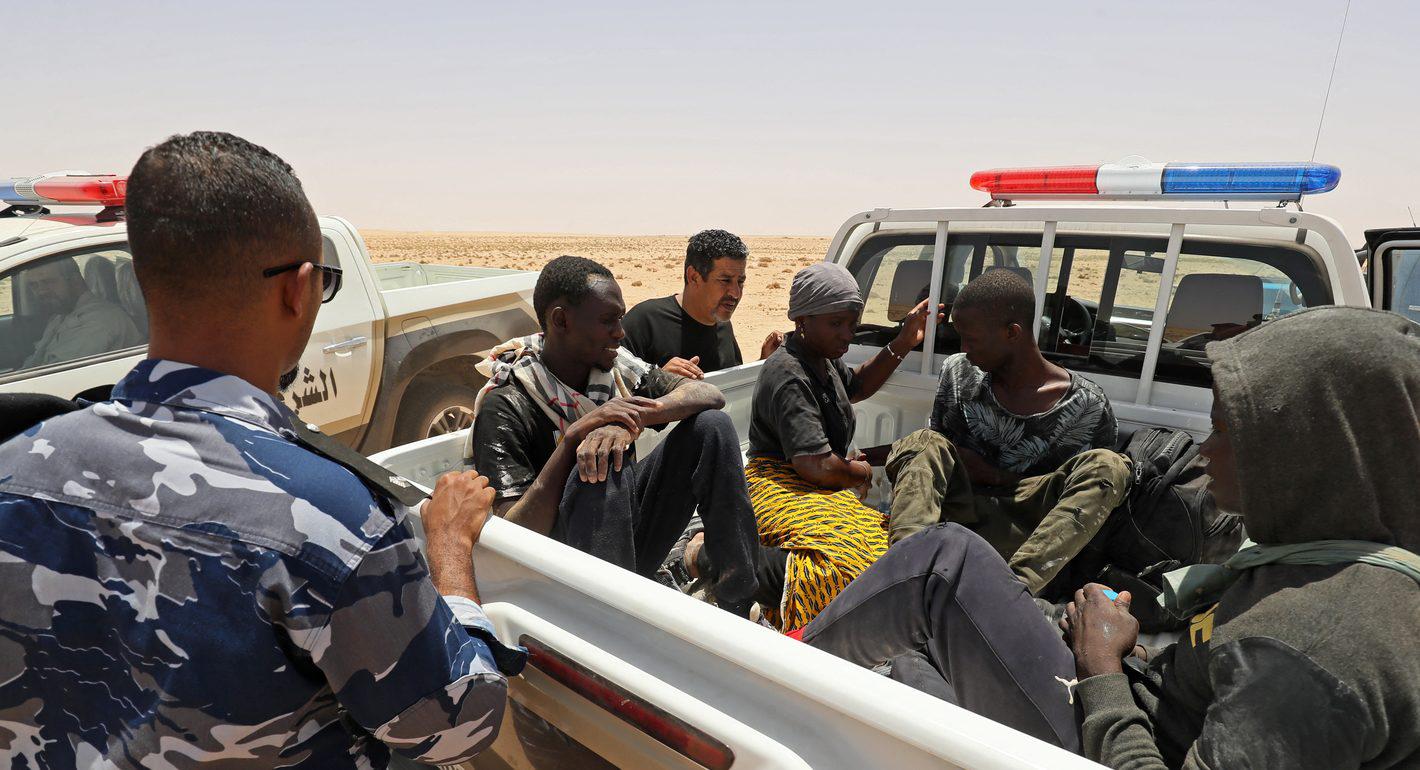
في غضون ذلك، زادت تونس عمليات اعتراض المهاجرين في البحر، وعمدت تلقائيًّا، منذ آب/أغسطس الماضي، إلى طرد المهاجرين القادمين من أفريقيا جنوب الصحراء إلى الحدود الليبية أو الجزائرية. ولكن نظرًا لأن إطار عمل الاتحاد الأوروبي لا يساعد تونس على فرض الأمن عند هذه الحدود البرّية، يُتوقَّع أن يواصل المهاجرون من أفريقيا جنوب الصحراء العبور عبر الأراضي التونسية. وتشير تقديرات مفوضية الأمم المتحدة لشؤون اللاجئين إلى أن عام 2024 سيشهد على الأقل المستوى نفسه من محاولات العبور بطريقة غير شرعية في الجزء الأوسط من البحر المتوسط كما عام 2023.
وعلى غرار الاتفاق مع تونس، يأتي اتفاق الهجرة مع مصر في وقت تعاني فيه البلاد من ضغوط اقتصادية هائلة، ويرى الخبراء أن الرئيس المصري عبد الفتاح السيسي نفسه مسؤول عن تدهور الاقتصاد المصري. تحرص أوروبا على ضمان استقرار مصر نظرًا لأنها تمتص أيضًا الصدمات من الحرب في غزة والسودان. ولكن الاستراتيجية التي تنتهجها أوروبا في الاتكال على أطراف ثالثة لضبط الحدود تساهم في ضخ الأموال في الأجهزة الأمنية التابعة للحكّام السلطويين المتخبّطين الذين أخفقوا في تأمين الحل المستدام الوحيد للهجرة غير الشرعية، ألا وهو توفير فرص اقتصادية محلية مجدية.
كان الجزء الأوسط من المتوسط الطريق الأكثر نشاطًا إنما أيضًا الأكثر فتكًا باتجاه الاتحاد الأوروبي في عام 2023، حيث سُجِّلت 380000 حالة عبور غير شرعية للحدود، وهو الرقم الأعلى منذ عام 2016. يشهد ذلك على حجم اليأس الذي يعاني منه المهاجرون وعلى قدرة شبكات التهريب على التكيّف ردًّا على التدابير التي تتخذها أوروبا لضبط الحدود من خلال أطراف ثالثة. سيشكّل العام المقبل محك اختبار لمعرفة ما إذا كانت دبلوماسية الهجرة التي ينتهجها الاتحاد الأوروبي تحدّ فعلًا من الهجرة، أو أنها تولّد ببساطة طرقًا جديدة تزيد منسوب الخطر الذي يتعرّض له المهاجرون الضعفاء.
حمزة خان زميل باحث في برنامج فولبرايت مقيم في العاصمة التونسية. لمتابعته عبر منصة "إكس": @Humzah_k2.
عن المؤلف
حمزة خان
لا تتخذ كارنيغي مواقف مؤسسية بشأن قضايا السياسة العامة؛ الآراء المعبر عنها هنا هي آراء المؤلف(ين) ولا تعكس بالضرورة آراء كارنيغي أو موظفيها أو أمنائها.