

تعليق
هل يمكن للغاز أن يخفف التوتر بين مصر وإسرائيل، أم أن المصالح الاقتصادية تؤجل الصدام فقط؟ يقارن المقال بين صفقة الغاز المصرية-الإسرائيلية والتجربة الألمانية-الروسية ليكشف حدود قدرة التجارة والاعتماد المتبادل على احتواء الصراع.
نورهان حفظي
{
  "authors": [
    "هبة الشاذلي"
  ],
  "type": "commentary",
  "blog": "صدى",
  "centerAffiliationAll": "dc",
  "centers": [
    "Carnegie Endowment for International Peace",
    "مركز مالكوم كير– كارنيغي للشرق الأوسط"
  ],
  "englishNewsletterAll": "menaTransitions",
  "nonEnglishNewsletterAll": "",
  "primaryCenter": "Carnegie Endowment for International Peace",
  "programAffiliation": "MEP",
  "programs": [
    "Middle East"
  ],
  "projects": [],
  "regions": [
    "الشرق الأوسط",
    "تونس",
    "شمال أفريقيا"
  ],
  "topics": [
    "المجتمع المدني",
    "دعم الديمقراطية"
  ]
}
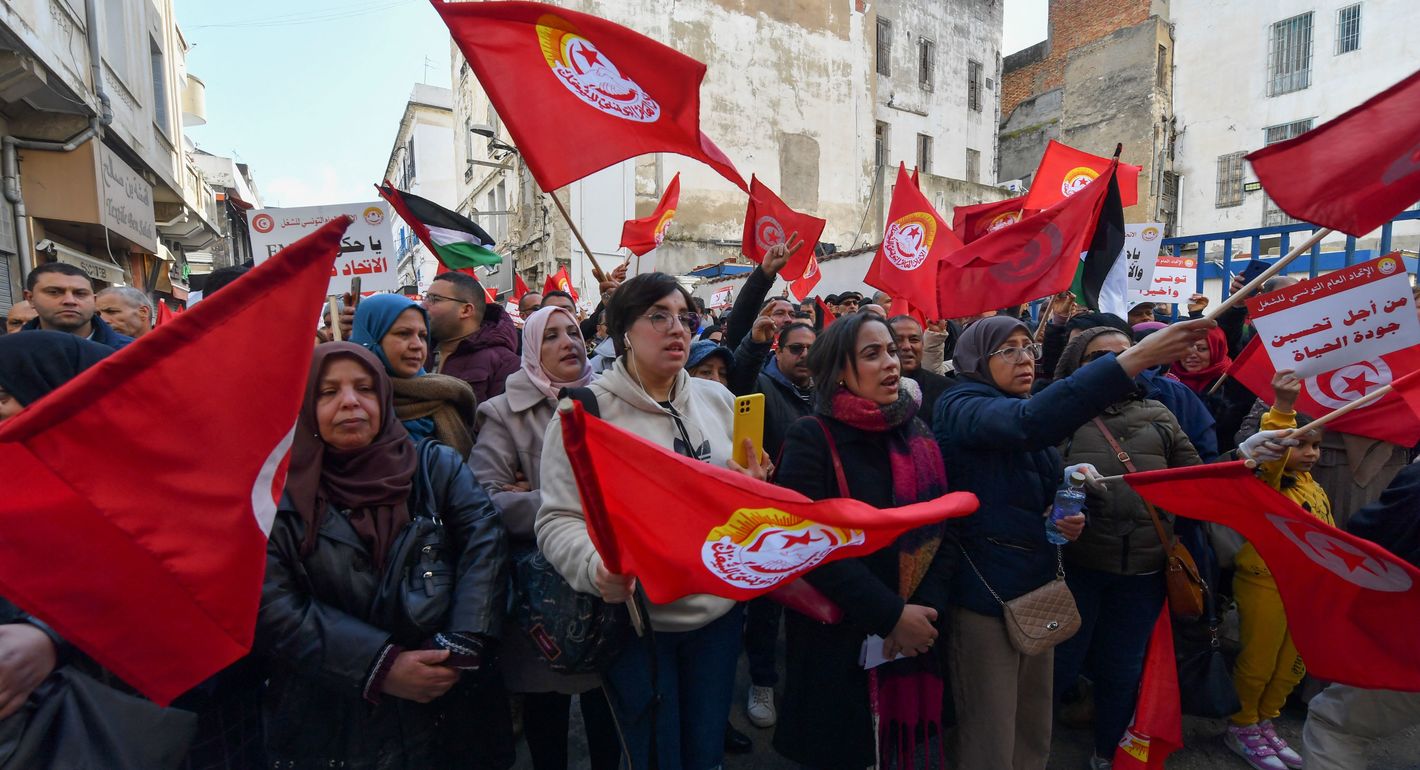
المصدر: Getty
تلعب النقابيات التونسيات دوراً مؤثراً ومحورياً من خلال عضويتهن وتنظيمهن وقيادتهن لتعزيز الاتحاد العام التونسي للشغل ومناصرة دوره السياسي في البلاد.
في كانون الثاني / يناير 2011، اندلعت في تونس ثورة جماهيرية واسعة أججها الغضب الشعبي على الفساد الحكومي والأوضاع الاقتصادية المتردية. كانت تونس البلد العربي الوحيد الذي لعبت فيه الحركة العمالية النقابية دورا قياديا مركزياَ أثناء الثورة وبعدها. حين تعاون الاتحاد العام التونسي للشغل مع منظمات المجتمع المدني الأخرى للدفاع عن الحريات المدنية الأساسية وحماية التنمية الاقتصادية للبلاد وعمالها، حتى أثمرت جهوده وجهود عدة منظمات وطنية أخرى عن نتائج بنّاءة في حماية الحوار الوطني السياسي ما أهلها جميعاً للحصول على جائزة نوبل للسلام في عام 2015. ولكن، وعلى الرغم من هذا التقدير الكبير للدور الذي لعبته النقابات العمالية في إنجاح ثورة الياسمين وتخطي مرحلة الاضطراب التي تلتها إلا أن الدور الفعال الذي لعبته المرأة النقابية في هذه الجهود غالباً ما يغيب عن صدارة المشهد.
تمكن الاتحاد العام التونسي للشغل منذ تأسيسه في عام 1946، من أن يصبح جزءاً لا يتجزأ من النسيج الاجتماعي التونسي، سواء في الكفاح ضد الاستعمار أو في مقاومة الحكم الاستبدادي الذي تعاقب على البلاد واستمر لفترات طويلة منذ عام 1956، خاصة لأن المشاركة في النقابات العمالية كانت هي المنفذ الوحيد المتاح للتعبير عن الرأي السياسي.
وما أن اضطرمت شعلة الاحتجاجات في أعقاب احداث سيدي بوزيد في أواخر كانون الأول/ديسمبر 2010، حتى بدأ أعضاء الاتحاد في القرى والبلدات والمدن التونسية كافة في صف الصفوف وتنظيم الاحتجاجات ضد نظام بن علي. بحسب إحدى القيادات النسائية في نقابة المعلمين التونسية فقد كانت عمليات الحشد والتنظيم تتم بشكل تدريجي، يسمح ببناء الثقة والدعم بين التونسيين من جميع الخلفيات، وبمشاركة كاملة من النقابيات التونسيات اللواتي ساهمن في كل خطوة من خطوات الحشد الشعبي. وتشهد الاستعدادات التي تمت قبيل الإضراب الوطني في 14 كانون الثاني/يناير 2011، على الدور الرئيس الذي لعبته النقابيات التونسيات في نشر الوعي السياسي، حيث زارت نقابيات الاتحاد العام التونسي للشغل مصنعا للنسيج خارج تونس العاصمة، وساعدن العاملات اللواتي احتشدن في غرف اجتماعات صغيرة في التعرف على جهود الاتحاد وكيفية الانضمام إليها.
على الرغم من دورهن الفعال بين صفوف النقابيين التونسيين، ظلت المناصب القيادية المُنتَخَبة في الاتحاد العام التونسي للشغل بعيدة المنال على النساء النقابيات اللواتي لم يتحصلن عليها إلا بعد عقود من الحراك. في عام 1991 أصبحت لجنة المرأة العاملة التي تأسست في عام 1982، هيئة منصوص عليها في صلب القانون الداخلي لقيادة الاتحاد العام التونسي للشغل. وفي كانون الثاني/يناير 2017، قرر الاتحاد تخصيص حصصاً للنساء في جميع مستويات تسلسه الهرمي. وللمرة الأولى في تاريخه انتخب الاتحاد امرأة لتشارك في عضوية مجلسه التنفيذي، وبعد فترة وجيزة انضمت امرأتان أخريان إلى هياكل حوكمته. أما اليوم، فتشغل النساء المناصب القيادية في جميع المستويات، وتمثل النساء 55 في المئة من عضوية الاتحاد العام التونسي للشغل وتعمل هؤلاء النساء على تنظيم الاحتجاجات وعقد ورش العمل التدريبية، وتنسيق الأنشطة مع المنظمات النسائية التونسية، وضم المزيد من النساء إلى عضوية الاتحاد، وغير ذلك من الأعمال الهامة.
كون الاتحاد العام التونسي للشغل صوتاً رائداً على الساحة السياسية، داعياً إلى تحسين الاقتصاد وإصلاح السياسات العامة، فقد أصبح بالضرورة مستهدفاً من قِبَل النظام الحاكم في تونس خاصة بعد أن أعلن معارضته الشديدة لتدابير التقشف القاسية التي اتخذتها الحكومة والتي تضمنت تقليص الخدمات الاجتماعية وخفض الدعم المقدم للفقراء، وخفض رواتب موظفي القطاع العام، ورفع تكلفة مياه الشرب والوقود، وهو ما أدى إلى تدهور مستويات المعيشة لعامة التونسيين. في كانون الثاني/يناير 2023، أطلق الاتحاد العام التونسي للشغل، إلى جانب منظمات غير حكومية تونسية أخرى، مبادرة إنقاذ وطني لمعالجة الأزمات الاقتصادية والسياسية والاجتماعية في البلاد. غير أن رد الحكومة على هذه المبادرة كان التضييق على قادة وأعضاء النقابات العمالية واعتقالهم ورفض أي مشاركة في مثل هذه المبادرات.
في خضم تلك الحملة الحكومية على الاتحاد وأعضائه، شرعت النقابيات التونسيات في تدبر أحداث الثورة التونسية والدور الحيوي الذي لعبنه لإنجاحها. وتعتقد العديدات أن الجهود التي أٌهدِرَت في صياغة دستور جديد كانت مضيعة للوقت لما تسببت به من إثارة القلاقل بشأن الهوية الوطنية والدينية، الأمر الذي أدى إلى تأخير عملية التحول السياسي. والآن، بحسب زعيمة نقابية نسائية من قفصة، فإن عملية التنظيم والحشد السياسي تعوقها حالة اللامبالاة التي تنتشر كالوباء بين عامة التونسيين "بشكل عام، الناس مرهقون ومتعبون وجائعون وعاطلون عن العمل، والخروج في احتجاجات ليس مفيدا أو فعالا".
على الرغم من المناخ العام المُحبِط، فإن النقابيات التونسيات بعيدات كل البعد عن الاستسلام ورفع الراية البيضاء. بل على العكس، تعتقد النقابيات، بصفتهن عضوات فاعلات في الاتحاد العام التونسي للشغل، أن بإمكانهن إجراء تغييرات من داخل الاتحاد تساعدهن على ضمان توصيل أصواتهن وعلى السعي لتحقيق مستقبل أفضل لجميع التونسيين.
ملاحظة: أجرت الكاتبة مقابلات مع عضوات نقابيات بين 29 يناير/كانون الثاني، و1 فبراير/شباط 2024، في قفصة وتونس العاصمة، وسليانة، وباجة والمنستير.
هبة الشاذلي
هبة الشاذلي أستاذة علوم سياسية في كلية شار للسياسة والحكومة بجامعة جورج ميسون، وأكاديمية زائرة في مركز الشرق الأوسط في كلية سانت أنطوني، جامعة أكسفورد للعام الدراسي2023.
لا تتخذ كارنيغي مواقف مؤسسية بشأن قضايا السياسة العامة؛ الآراء المعبر عنها هنا هي آراء المؤلف(ين) ولا تعكس بالضرورة آراء كارنيغي أو موظفيها أو أمنائها.
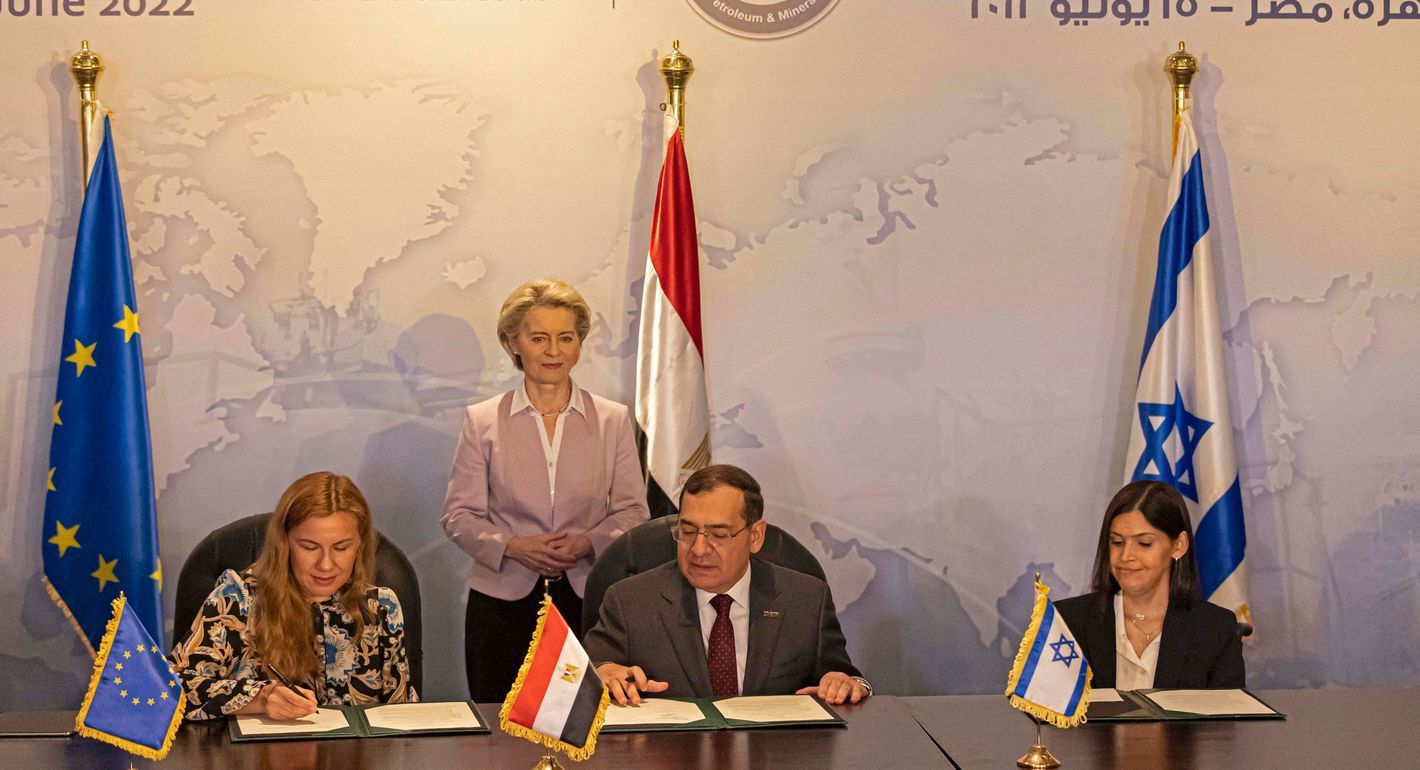
هل يمكن للغاز أن يخفف التوتر بين مصر وإسرائيل، أم أن المصالح الاقتصادية تؤجل الصدام فقط؟ يقارن المقال بين صفقة الغاز المصرية-الإسرائيلية والتجربة الألمانية-الروسية ليكشف حدود قدرة التجارة والاعتماد المتبادل على احتواء الصراع.

نورهان حفظي
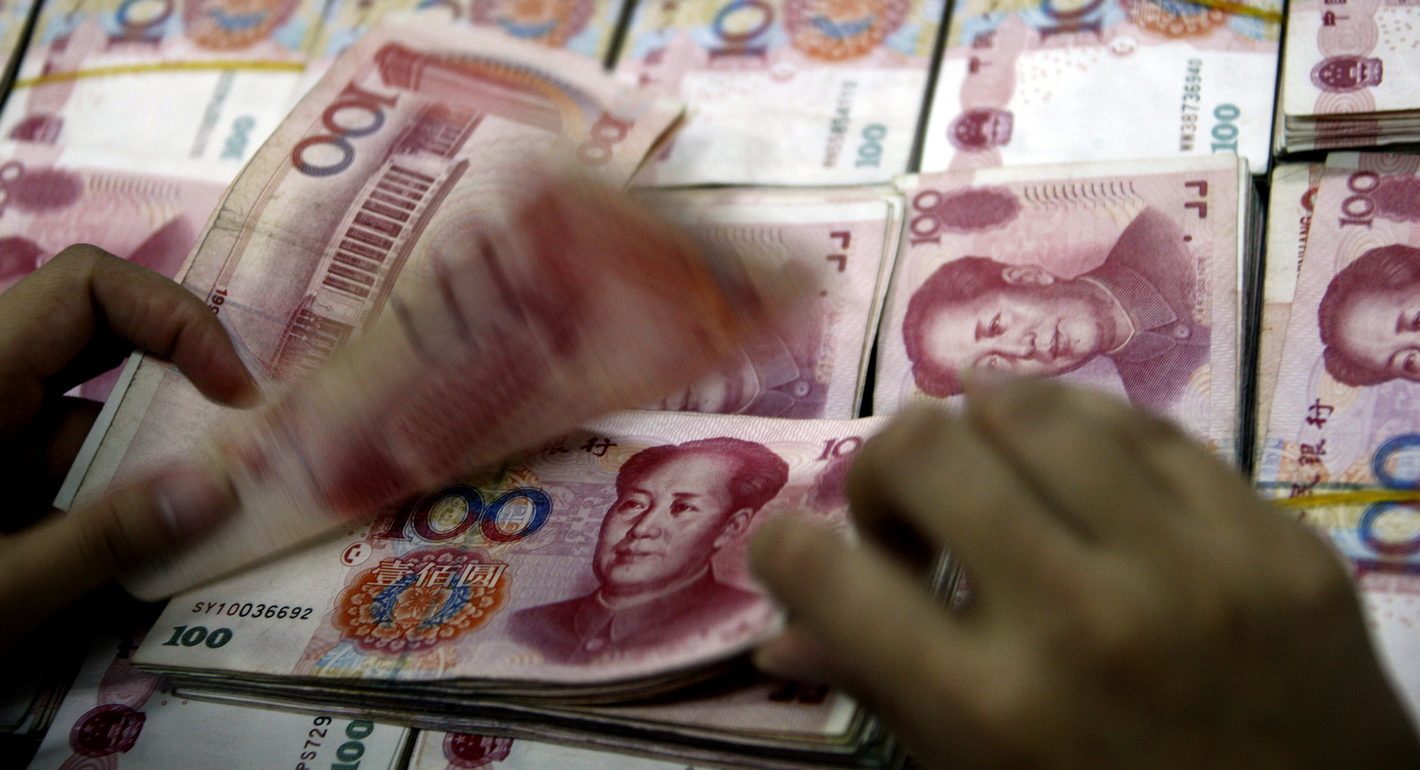
هل يتجه الخليج إلى ما بعد هيمنة الدولار؟ يتناول هذا المقال توسّع الصين لاستخدام اليوان في أسواق الخليج، وما الذي يعنيه ذلك لمستقبل النظام المالي الإقليمي، ولماذا تبدو مسألة فك الارتباط بالدولار أكثر تعقيدًا مما توحي به العناوين.

أندرو بوني
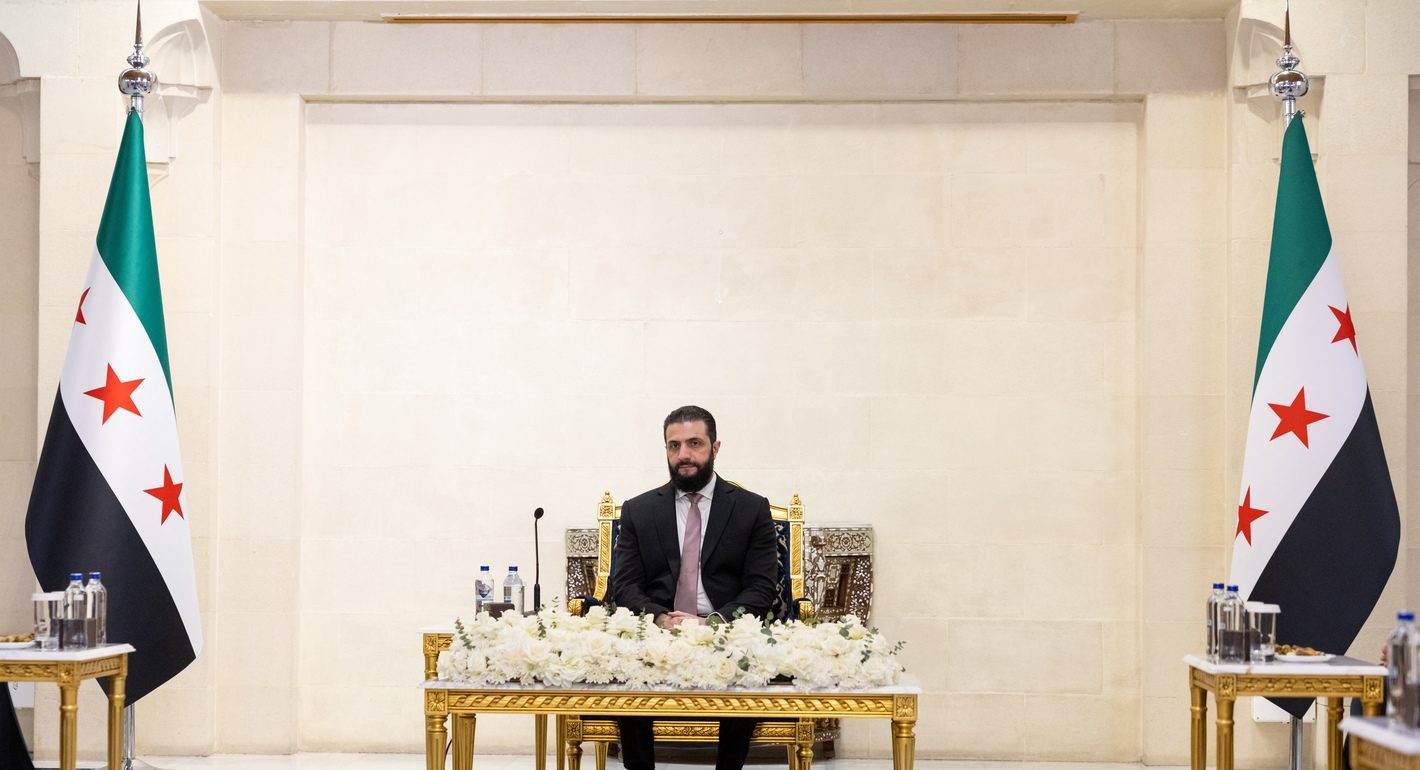
وعدت المرحلة الانتقالية في سوريا ببداية جديدة، لكن هل تعود أساليب الحكم القديمة بثوب جديد؟ يناقش هذا المقال مؤشرات ذلك وما يلزم لبناء دولة أكثر شفافية ومساءلة.

سيما بيتنجانة
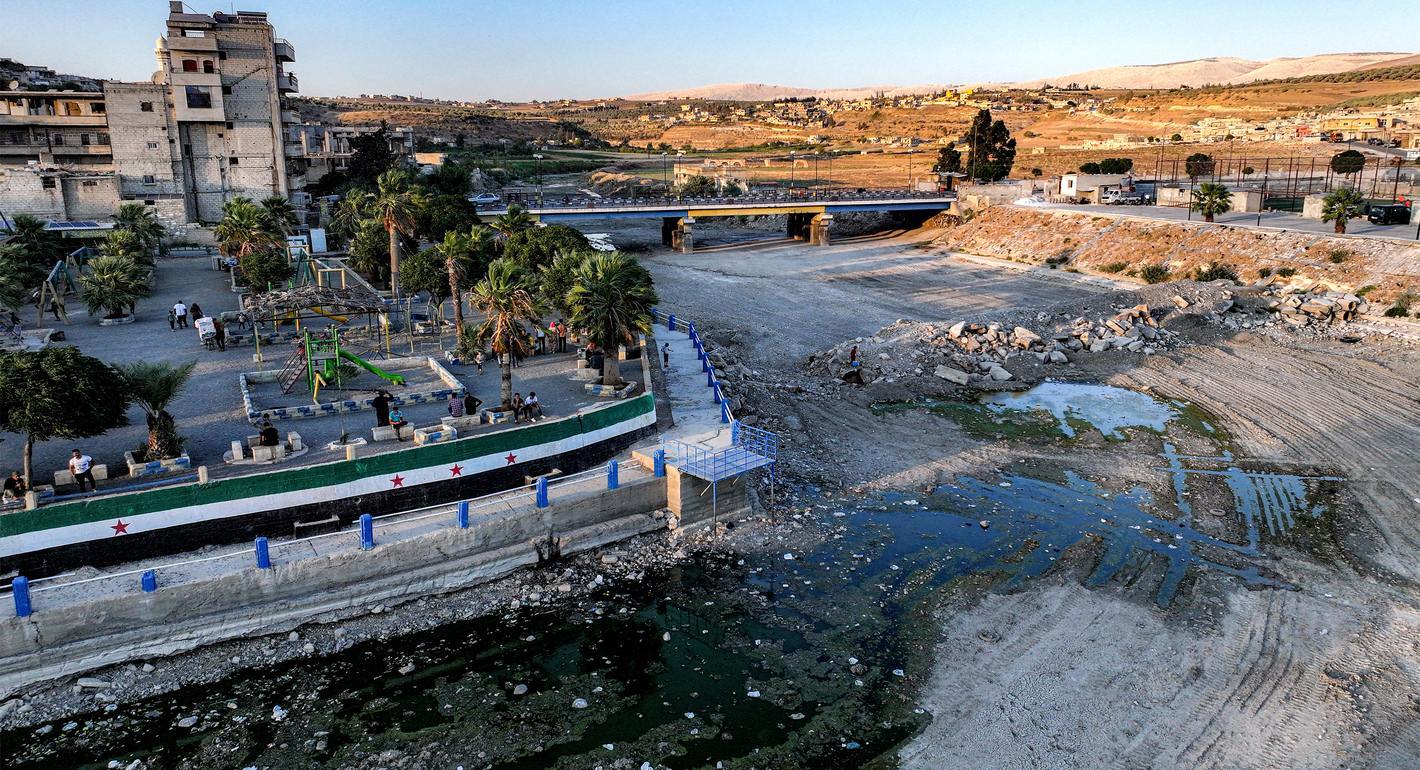
لم يعد الجفاف في سوريا أزمة موسمية عابرة. هذا التقرير يوضح كيف يفاقم تغيّر المناخ ندرة المياه ويهدد الزراعة والأمن الغذائي، وما الحلول المطروحة لتفادي الأسوأ.

ميليا اسبر

تستضيف مؤسسة كارنيغي السيناتور الديمقراطي كريس ميرفي في حوارٍ لمناقشة السياسة الأمريكية في الشرق الأوسط، محذرًا من أن الحرب على إيران خطأ استراتيجي سيدفع المنطقة والعالم نحو مزيدٍ من التصعيد.

أنجي عمر