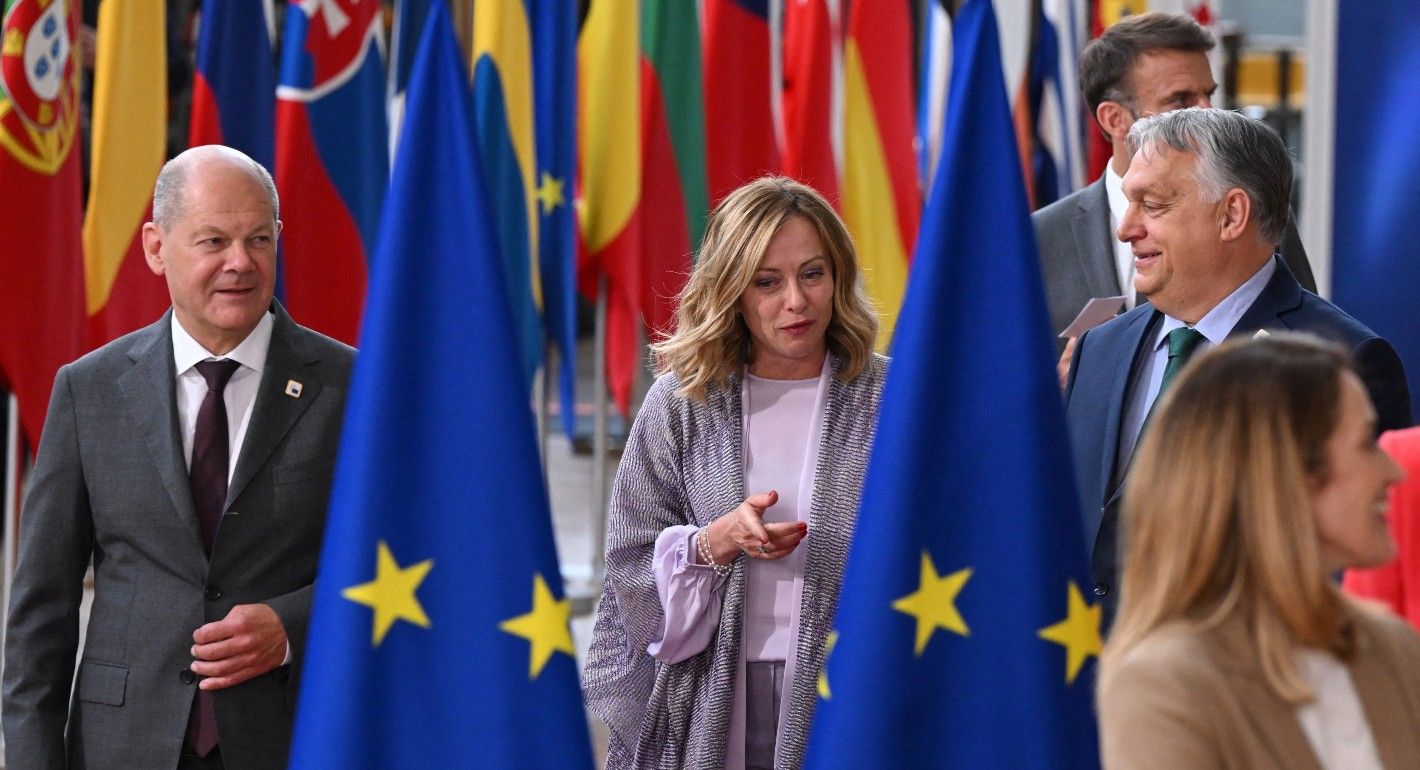
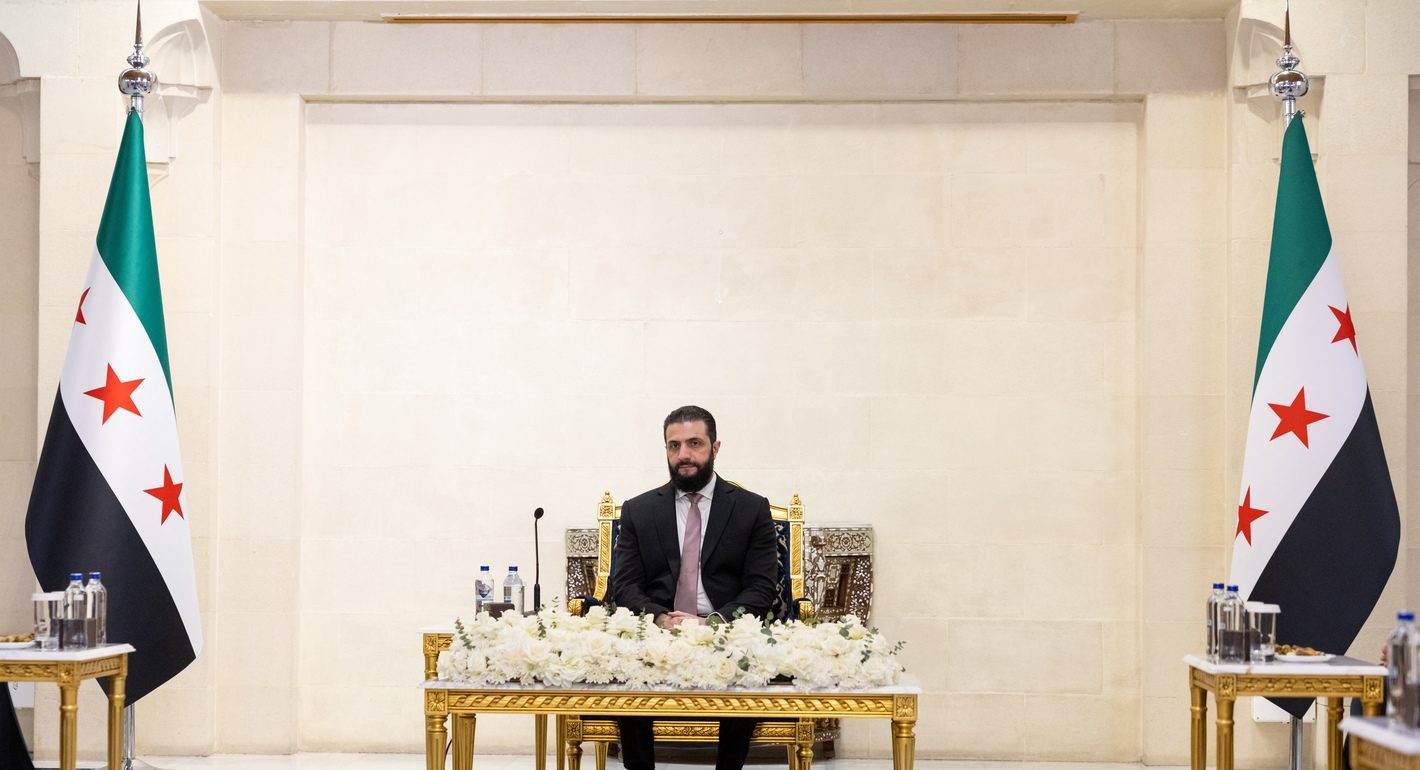
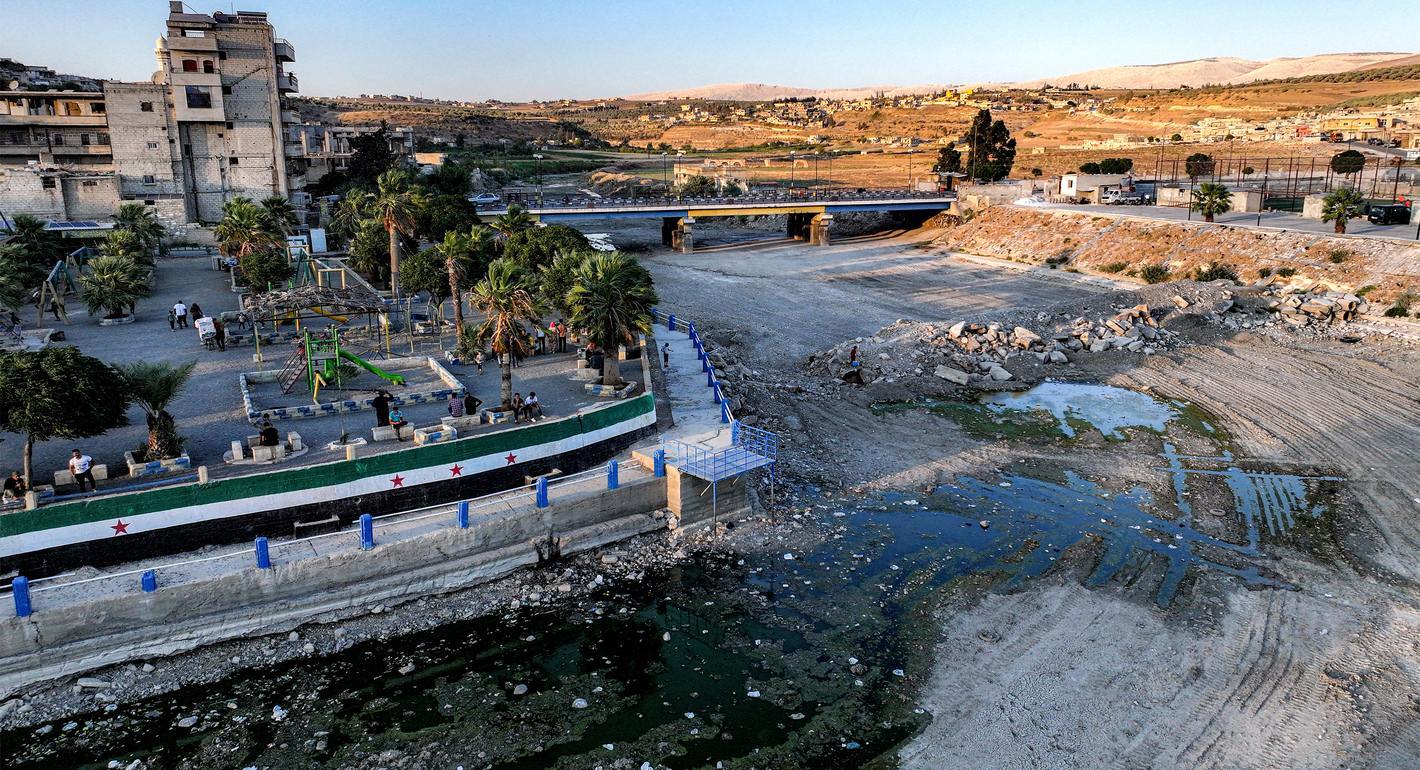
Italy has recently appointed an ambassador to Assad’s regime, marking the end of 13 years of severed diplomatic relations. Italy undertook this decision independently of the EU’s collective foreign policy, despite significant sanctions imposed on the Assad regime by Western states. The Italian government, led by Giorgia Meloni and supported by seven European countries, aims - optimistically - to repatriate Syrian refugees and cater to Italy’s right-wing and populist claims, over and above neglecting human rights values. However, this article highlights Arabs’ diplomatic experience with Assad’s regime and the potential risks of “free normalization.”
The Arab Normalization – Limits of the Step-for-Step Approach
Arab countries were primarily motivated by three main issues that directly affect their security and reflect geopolitical concerns, which are: reducing Iranian influence in Syria and -reintegrating Syria into the Arab community-, addressing illicit drugs directed toward Arab countries, and creating conditions for the voluntary return of Syrian refugees.
Thus, Arab countries have established a negotiating approach known as "step-for-step" with Assad’s regime, which involves building confidence between the parties through reciprocal concessions on contentious issues. However, after exhibiting its good intentions, Assad’s regime was readmitted to the League of Arab States, in May 2023 with the aim of incentivizing the regime to bring about tangible and practical change that meets the three main demands of the Arab countries. But after over a year of normalization, the situation in Syria can be evaluated as follows:
Firstly, concerning the Iranian deployment in Syria, there has been no tangible change in Assad’s response to Arab demands. Iran continues to deploy its forces and proxies in regime-controlled areas, with the presence of the IRGC leaders, where Israeli strikes targeting sensitive Iranian sites occur regularly, indicating that Iran's deployment in Syria remains unchanged, especially in terms of Iran’s doctrine known as “forward strategy.”
Secondly, illicit drug network activities, have increased at least threefold since the normalization with Assad’s regime. This development reflects the regime's continued utilization of drug activities as a means to add more pressure on Arab countries by exporting security-related crises to neighboring states aiming for more political gains.
Thirdly, the conditions for the voluntary return of Syrian refugees have not improved under the Assad regime. Various human rights monitors reported that Assad’s regime arrested a significant number of returnees, indicating the regime's reluctance to welcome Syrians back to their homeland.
Lessons for the EU?
In conclusion, what lessons can European countries learn from Arabs’ experience? The unsuccessful normalization efforts with Assad’s regime -which Syria expert Charles Lister has described as a disaster in Foreign Policy- highlighted the regime's inability to fulfill its obligations related to other parties' demands. Building on negotiations with a party that fails to fulfill its commitments, especially due to this regime still suffering from many internal dilemmas, as an indecisive solution to the dispute in Syria, which remains an unfinished business. The loss of more than 30 percent of Syria’s territory to the other three main parties in the conflict, with the widespread influence of Iran and Russia. And the proliferation of transnational organized crime’s activities particularly the drug networks that intersect with Assad’s regime. Moreover, it is important to note that the normalization of relations with Assad’s regime will not solve the refugee crisis as some countries hoped.
The most promising approach for pressuring the regime to make concessions may lie in Europe and its Western allies maintaining a unified and consistent policy. This would involve coordinated economic and political pressure, targeted sanctions, and the continued isolation of Assad's regime until there is significant progress on political reforms or humanitarian improvements. A collective approach has the potential to exert greater leverage over the regime compared to fragmented bilateral efforts. Experience has shown that Assad often takes advantage of divisions within the international community. A unified Western stance could also help mitigate the influence of external actors like Iran and Russia, who have used the disunity among Western countries to strengthen their positions in Syria, otherwise, fragmented efforts to normalize only serve to embolden Assad's regime without resolving the root causes of the conflict.
In addition, Italy's initial intentions were to address domestic concerns, such as repatriating Syrian refugees and appeasing populist sentiments. Yet, it is unclear whether these objectives have been achieved. Early signs indicate that the refugee situation remains largely unresolved, and human rights concerns persist. Italy's strategy risks being seen as a miscalculated political move, offering limited returns in addressing domestic pressures.
However, various aspects of the Syrian conflict suggest that it has not yet reached the “Ripeness” stage where political discussions and diplomatic normalization regarding solving the dispute, not to mention the post-conflict issues; can be effectively pursued. Hence, negotiating directly with Assad's regime presents significant challenges, and Italy's divergence from EU multilateral policies may have grave political implications for the Syrian dispute, particularly in the absence of a feasible implementation of UNSC Resolution 2254, which will result in further unresolved disputes in the Middle East, ultimately leading to new conflicts among other far-reaching consequences.