

Article
Andrew Kuchins
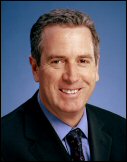
Source: Getty
Vladimir Putin is lucky because he happened to become president of Russia amid skyrocketing oil prices. But Vladimir’s good fortune extends beyond his petro-luck.

The current Vladimir in the Kremlin is neither terrible nor saintly. While he recently told us he remembers precisely the last time he had sex, I doubt he is reaching the Wilt Chamberlinesque numbers of his namesake Vladimir the Apostle. Nor is there evidence to suggest Mr. Putin has a fetish for impaling his enemies and drinking their blood as did his other namesake. Mr. Putin prefers the more standard Russian treatment, banishment to Siberia. And we have no grounds to conclude that Vladimir Putin is accursed.
On the contrary, Vladimir Putin is one of the luckiest people in the world today, and I hereby anoint him “Vladimir the Lucky.” The story of his rise from a rat-infested childhood on the hard streets of Leningrad to chairmanship of the G-8 which he recently hosted in the lavishly restored Konstaninovsky Palace of his hometown must have involved some luck on the way. While it is usually better to be lucky than good, there is no doubt Mr. Putin is a bright, tough, and a gifted politician.
Ronald Reagan was also a gifted politician and a lucky one. Part of his good luck was due to the collapse in oil prices in 1986 that led Mr. Gorbachev to undertake reforms in Russia. Ultimately Gorbachev’s reforms led to the collapse of the Soviet Union and the end of the Cold War. Vladimir Putin is lucky because he happened to become president of Russia amid skyrocketing oil prices. The price of oil has been the main factor behind Russia’s macro-economic miracle and its resurgence as a major power highlighted last weekend in the splendor of St. Petersburg.
It was only eight years ago in August 1998 that the ruble collapsed and Russia defaulted on much of its debt. Russia was virtually bankrupt and an economic basketcase at a time when oil was less than $15/barrel, and for most of the decade of the 1990s oil was about $25/barrel. In this respect neither Mr. Gorbachev nor Mr. Yeltsin was lucky. In 1998 Russia received less than $40 billion in revenue from oil and gas sales, its most important source of economic growth. In 2000 when Mr. Putin took over the Kremlin the average crude price was about $28/barrel and Russia brought in about $75 billion. This year the US Energy Information Administration projects the average price for crude to be at $61/barrel, and it is likely that Russia’s revenues from oil and gas sales will exceed $200 billion! Natural gas prices have also approximately doubled since 2000. While in 2000 Russia had less than $30 billion in foreign exchange reserves, today Russia has more than $250 billion plus a stabilization fund projected to reach $100 billion by the end of the year. Vladimir is one lucky dude.
But Vladimir’s good fortune extends beyond his petro-luck. Just on the eve of the G-8 meeting, Russia’s enemy number one, Shamil Basaev (kind of like Osama Bin Laden for George Bush) was blown up preparing for a terrorist attack that would have spoiled Vlad’s coming out party. While we do not have confirmation of the details, it is likely that Putin created some luck for himself when his old pals in the secret police finally took out the elusive Basaev just in time to burnish his reputation as a partner in the War on Terror. Accidents in that part of the world rarely happen accidentally.
Vlad’s luck continued later in the week when hostilities broke out in Lebanon. The Middle East crisis helped to divert attention from the question about Russia’s fitness to be hosting the G-8, not that Putin’s colleagues George, Tony, Jacques and the rest planned to rake Vladimir over the coals about the deficiencies of Russian democracy. But the Middle East crisis ensured that Putin would be far less isolated from his summiteers than if the Iranian nuclear program had dominated the agenda as many expected. On Iran, Vladimir finds himself faced with a common front between the Americans and the Europeans, whereas on Lebanon, Putin’s position is certainly supported by Jacques Chirac and closer to other Europeans. Mr. Bush and the Americans find themselves lonelier in their unqualified support for Israel.
Oh to be powerful, fit, and lucky like Vladimir. What more can you ask for? Oh yeah, legendary riches and 800 concubines I suppose. If Vlad steps down in 2008, as he has promised, he should have plenty of time for both—he will be a virile 56 years old then.
Andrew Kuchins is director and senior associate of the Russian and Eurasian Program at the Carnegie Endowment for International Peace.
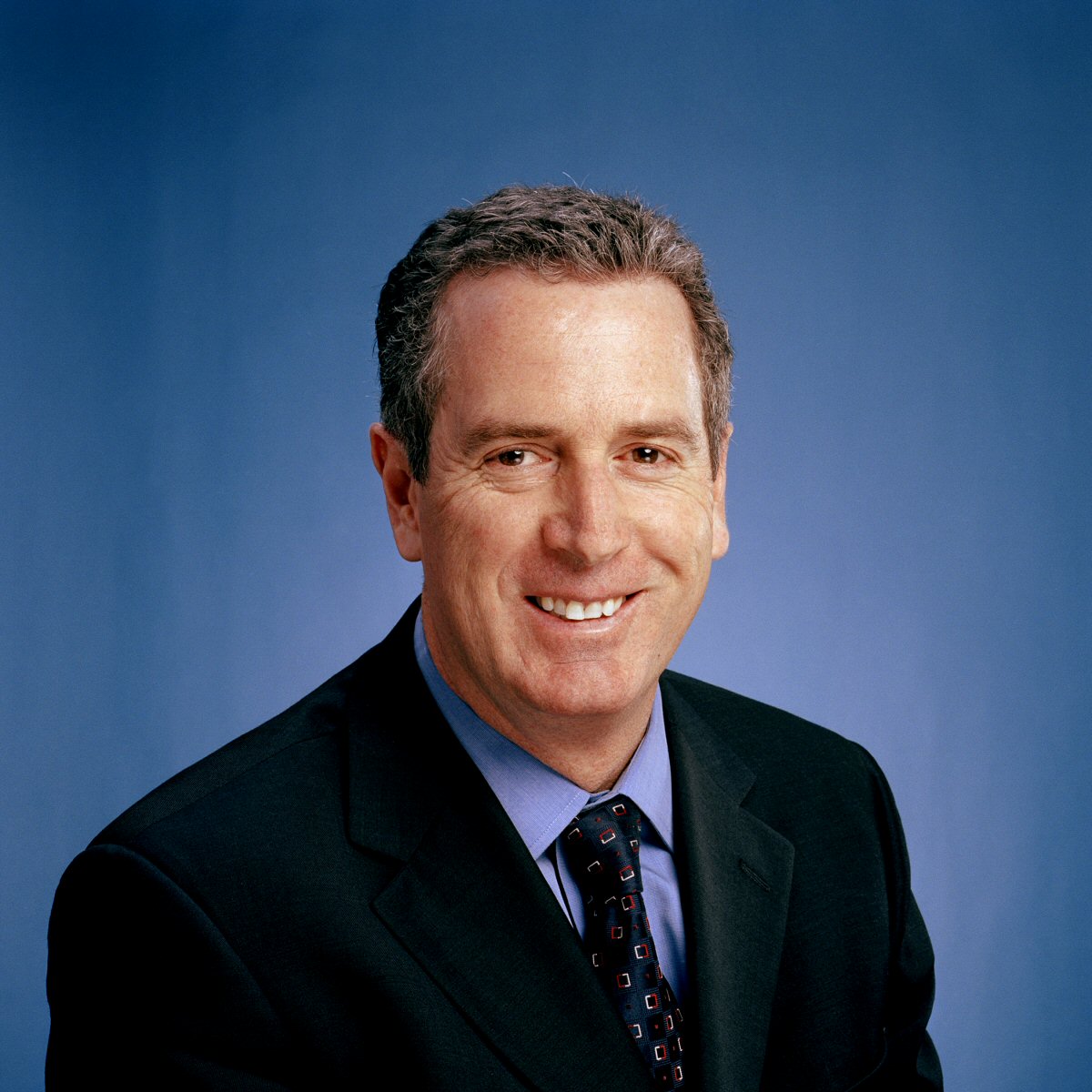
Former Senior Associate and Director, Russian & Eurasian Program
Recent Work
Andrew Kuchins
Andrew Kuchins, Vyacheslav A. Nikonov, Dmitri Trenin
Carnegie does not take institutional positions on public policy issues; the views represented herein are those of the author(s) and do not necessarily reflect the views of Carnegie, its staff, or its trustees.
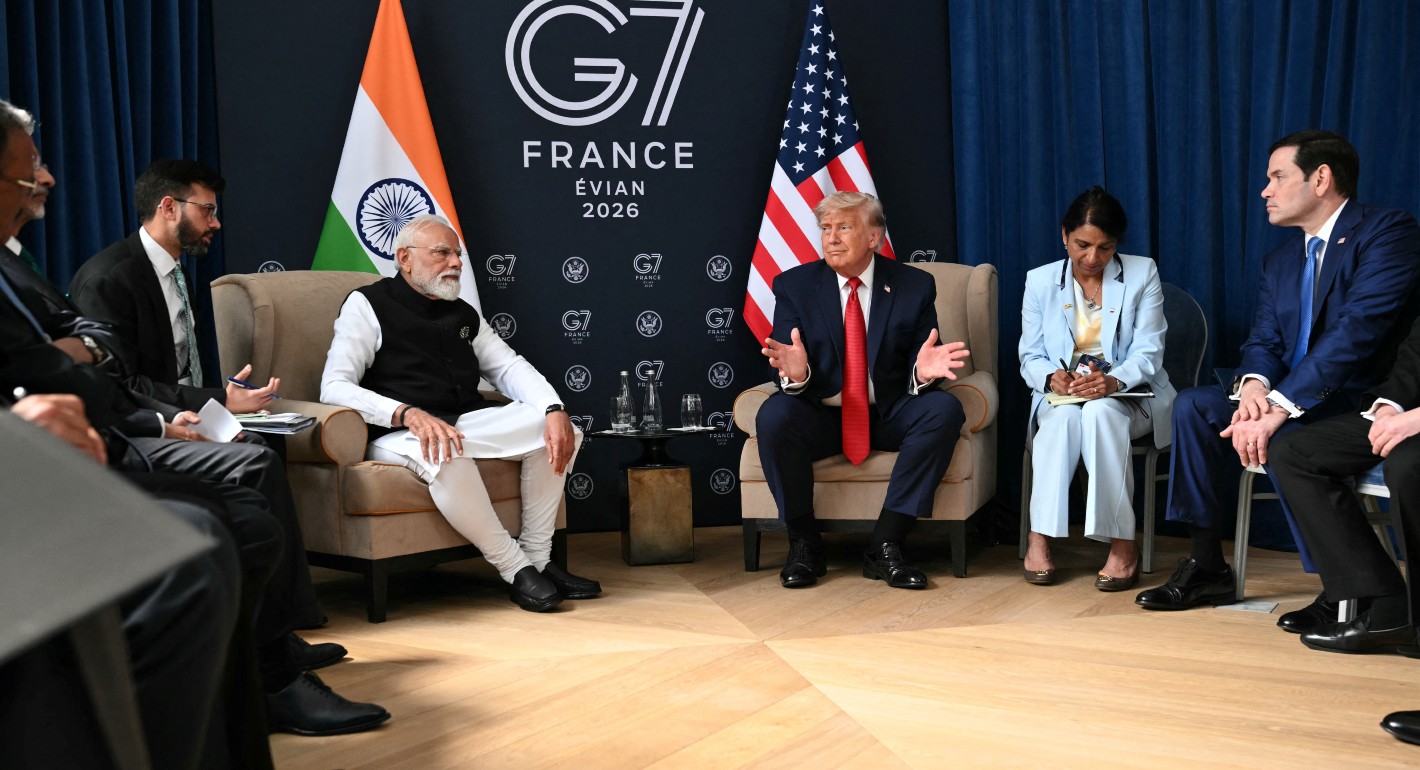
Despite public disputes over trade and immigration, the strategic partnership’s foundations remain sturdy.
Sameer Lalwani

Russia spent years building a “sovereign internet,” concentrating web infrastructure exclusively within Russian territory. Ukrainian drone attacks have shown how vulnerable that approach has left the Russian internet.

Maria Kolomychenko

With its public finances in shambles, the far right polling at 35 percent ahead of the 2027 presidential election, and a growing protest movement, is France’s crisis a threat to the EU’s geopolitical awakening?

Rym Momtaz, ed.

Putin’s conservative staffing policies and search for ever greater control have cemented parliament’s transformation into a bureaucratic appendage of the executive branch.

Andrey Pertsev

Russia’s AI-driven propaganda campaigns operate in a fragmented, chaotic, and often illogical manner. That’s not necessarily a problem for the Kremlin, though: It’s much easier to mimic genuine public debate that way.

Ilya Klishin